What Wash-Up Solvent Does on Press
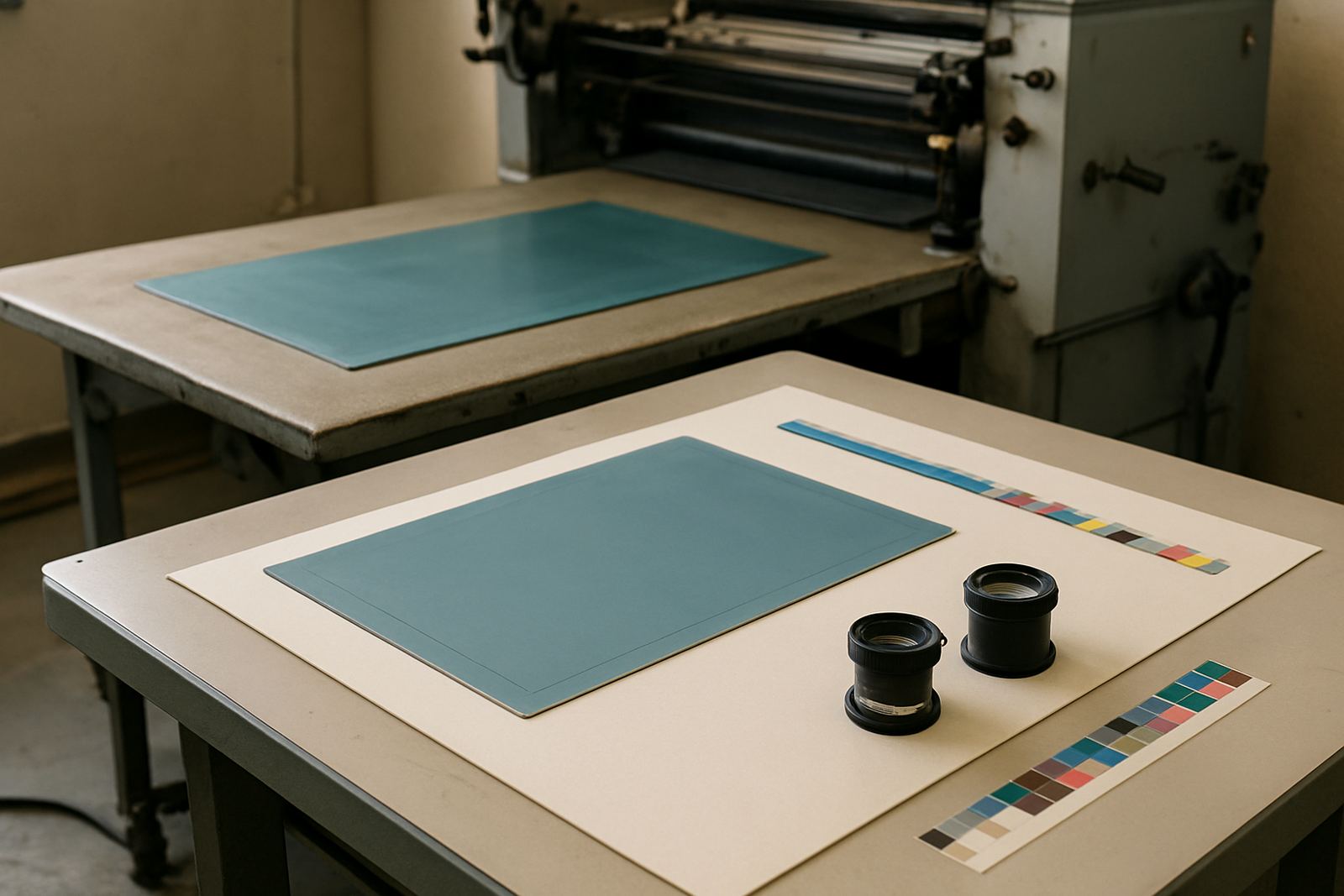
Wash-up solvent is a press cleaning product made to remove ink residue, glaze, paper dust and light contamination from rollers, blankets and approved metal or coated surfaces. In daily printroom work it is used during changeovers, after long runs, and when the press needs a proper clean before the next job goes on. The right solvent helps the operator get back to a clean starting point without unnecessary scrubbing or lost press time.
For busy sites in Johannesburg, Pretoria, Midrand and Germiston, the value is practical. A good wash-up product supports quicker turnaround and more consistent colour from shift to shift. On smaller runs, it also helps prevent carry-over from one job to the next. If the wash is too weak, dirty build-up stays behind. If it is too aggressive, it can dry out rubber parts or affect sensitive components. Balance matters most when the crew is racing the clock.
Sizes, Pack Options and Typical Supply Formats
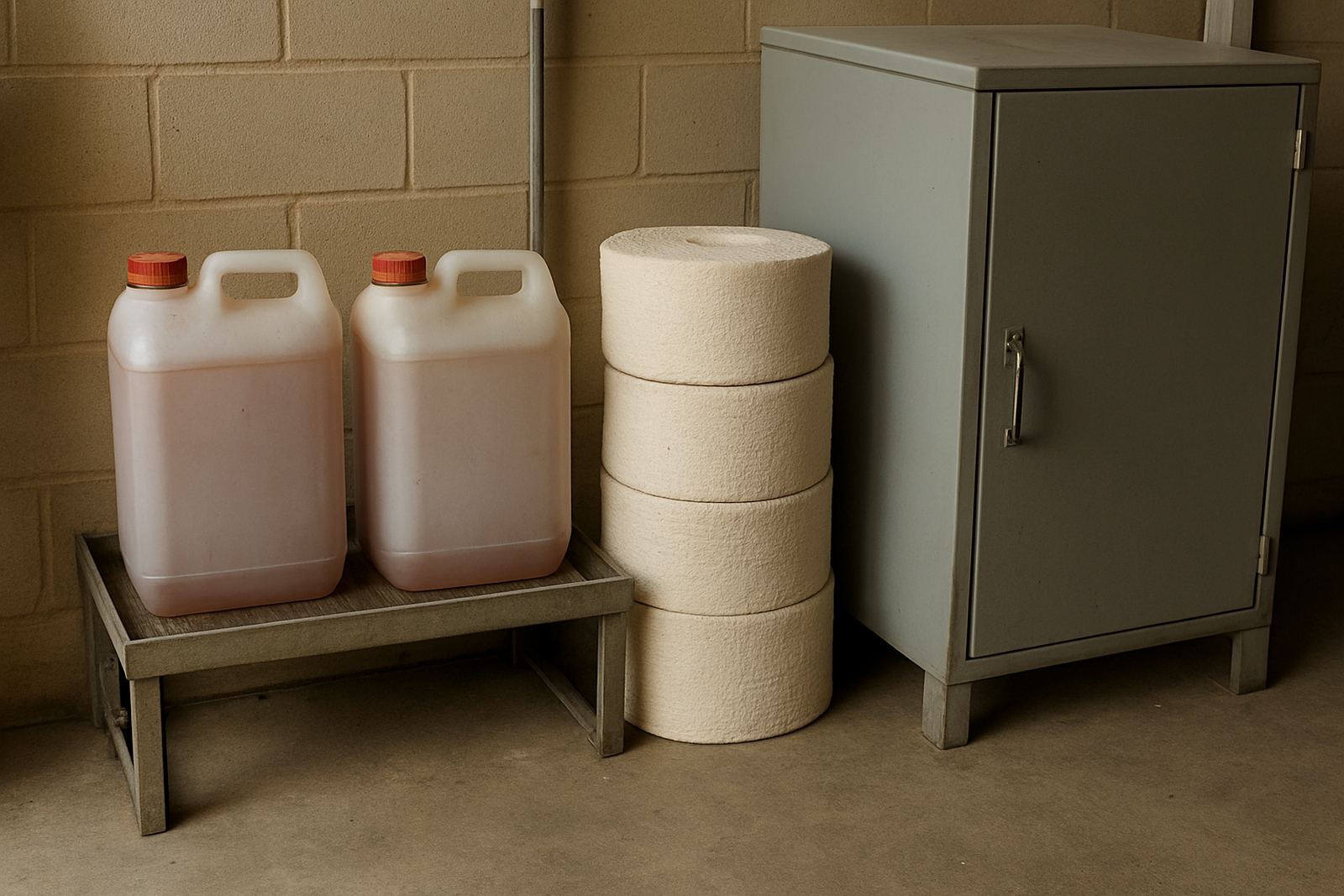
Wash-up solvent is usually supplied in practical packs suited to production volume. Smaller printrooms may prefer 5 litre or 20 litre containers for regular daily use, while higher-volume sites often order 25 litre, 200 litre or bulk supply arrangements to reduce handling and stock-outs. Availability can vary by formulation, so it is worth confirming the exact pack size and storage needs before placing an order.
Common ordering options include:
- 5 litre containers for controlled use and smaller presses
- 20 litre or 25 litre drums for routine shop-floor cleaning
- 200 litre drums for production sites with higher wash demand
- Bulk supply planning for multi-shift operations and central stores
Some printers keep one product for blanket cleaning and a second for roller wash, depending on ink type and press setup. That approach can help when jobs move between coated stock, uncoated stock and speciality work. It also makes housekeeping easier because the team knows exactly what each container is used for. Keep containers clearly marked and sealed when not in use.
Where It Suits Offset, Flexo and Finishing Areas
This product is mainly used in offset production, but it can also suit other print environments where approved cleaning of parts and surfaces is required. It is useful in shops handling frequent colour changes, solid coverage work, spot colour jobs and general production cleaning. On flexo lines, the exact product choice must match the press and the components being cleaned, so it is best to confirm compatibility first.
Wash-up solvent is a sensible fit for operations where:
- Rollers need regular cleaning between jobs
- Blankets must be kept free of ink build-up
- Press stops happen often due to short-run work
- Production runs through hot months and solvent evaporation needs to be managed
- Summer humidity affects drying and storage conditions
It is also useful where finishing teams need clean transfer surfaces and controlled housekeeping around the pressroom. For plants working in Industria West, Roodepoort or Randburg, a well-managed wash product can reduce mess around the machine and help keep maintenance checks simpler. The product should always be tested on a small area first if the surface type is not standard.
How the solvent is applied
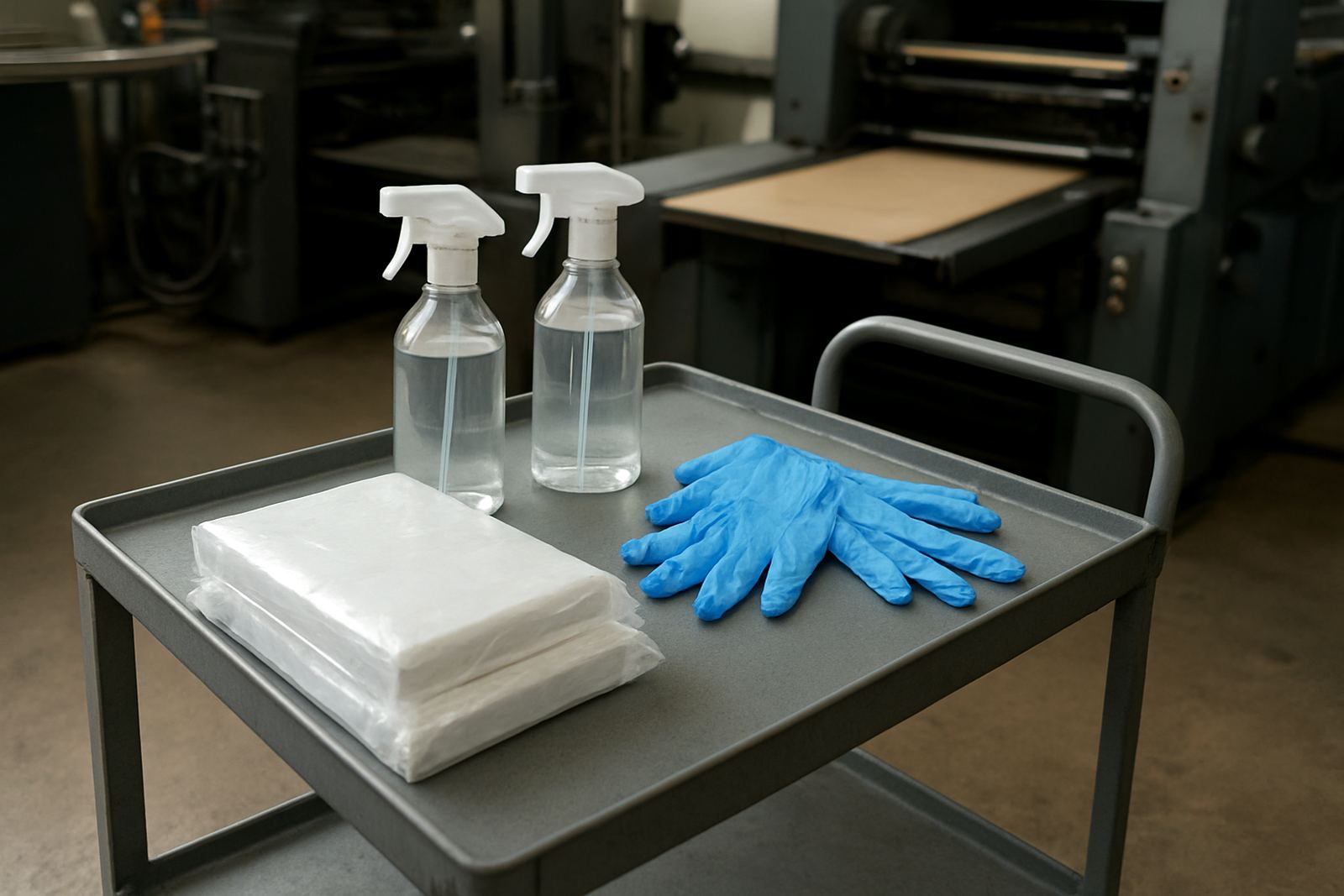
Wash-up solvent is used through cloths, dispensers or automated wash-up units, depending on the press. Some presses use manual application, while others use a built-in wash cycle tied to the machine controls. Before ordering, it helps to know whether the site uses a manual wipe method or a machine-assisted system, because the viscosity and drying rate must suit the setup.
When planning installation or use, check the following:
- Whether the press has an automatic wash system or manual cleaning only
- If the solvent is compatible with rollers, blankets and approved seals
- Whether extraction or ventilation is adequate in the pressroom
- If the site has safe storage away from heat, sparks and direct sun
- How much product is used per shift so stock can be planned properly
Good ventilation is important, especially in enclosed rooms and during summer. If the print room is near chemical storage or cleaning bays, the team should keep lids closed and avoid open transfer containers. It is a basic step, and skipping it is where most solvent problems begin. For premises in municipal industrial areas, storage and fire safety rules must also be respected, including clear access, signage and tidy bunding where required.
Care, Servicing and Safe Handling in the Printroom
Wash-up solvent needs sensible handling to stay effective and safe. Store it in the original container where possible, keep it tightly sealed, and avoid mixing it with other cleaners unless the supplier confirms compatibility. Dirty rags and saturated cloths should be disposed of properly so they do not create a fire risk or contaminate the work area. If the site uses solvent recovery or waste collection, follow the internal procedure every time.
Routine care usually includes checking for:
- Contamination from ink sludge or dirty wipes
- Leaks around taps, drums or transfer points
- Changes in smell, separation or clouding
- Reduced cleaning performance on rollers or blankets
Servicing of the press can be affected by poor wash discipline. Build-up left too long may harden on surfaces, making roller settings and blanket condition harder to manage. On older equipment, that can lead to extra wear and longer downtime. A clean wash routine supports better colour stability and fewer surprises at start-up, which is useful when jobs have tight delivery windows. It also helps the operator spot other problems early, like blanket damage or roller glazing.
What to Check Before You Order Wash-Up Solvent
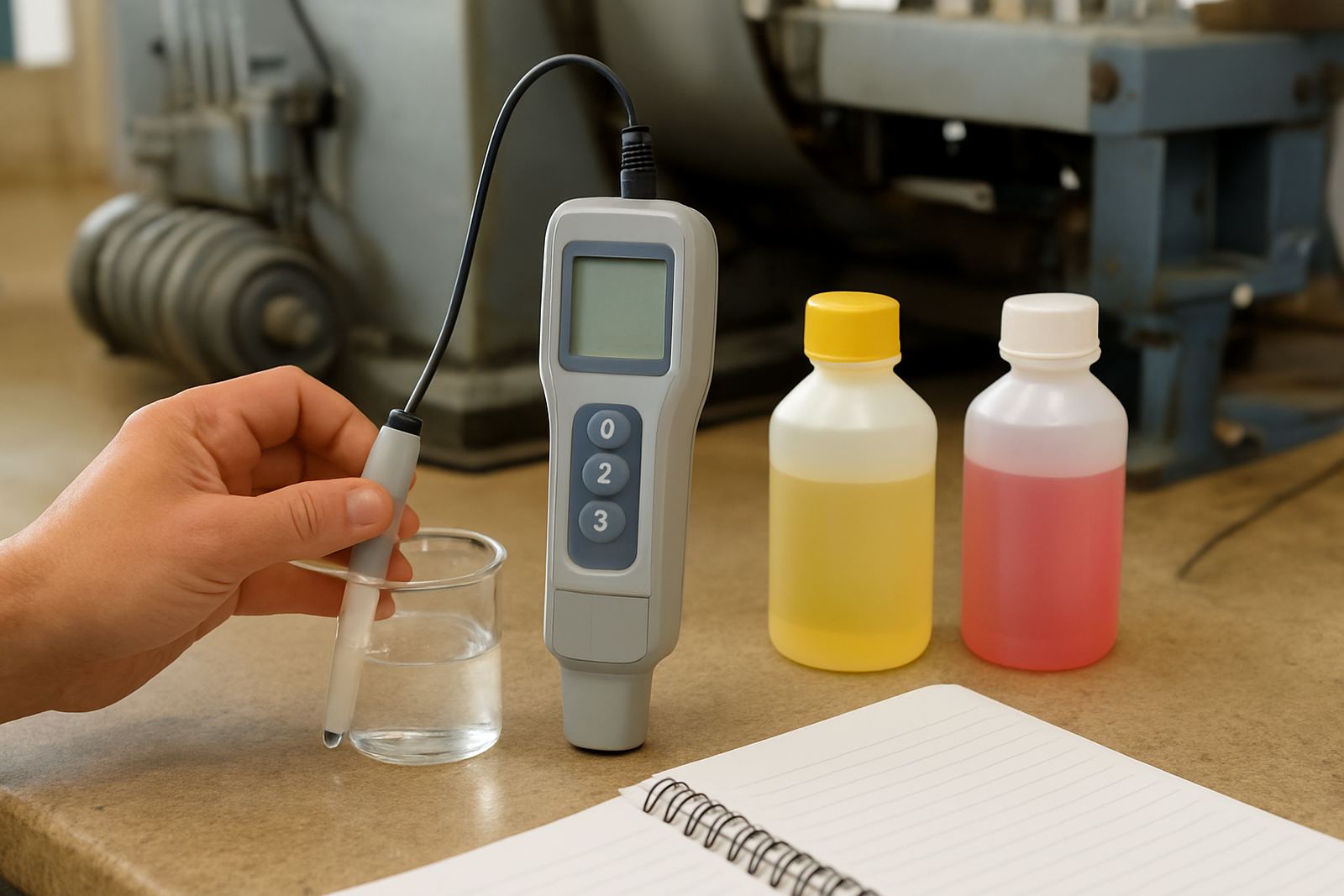
Before ordering, confirm the exact press type, the surfaces being cleaned and the cleaning method used at your site. Not every solvent suits every rubber compound, blanket type or automated wash unit. The safest approach is to match the product to the press and the production process, not just the price per litre.
Useful checks before purchase include:
- Press make-up and cleaning method
- Whether the product is for manual or automatic wash-up
- Pack size required for weekly or monthly usage
- Storage space available at the Johannesburg or branch site
- Delivery location and whether stock is needed for urgent turnaround
It is also worth checking wash frequency. A site doing short runs all day will need a different supply plan from a plant with longer production cycles. If your team is in Pretoria, Midrand, Roodepoort or Germiston, delivery timing matters as much as the product itself. Our team can help match the wash product to your pressroom routine, and if needed we can discuss stock planning with your production schedule so you are not caught short on a Monday morning.
Key facts
| Product type | Press wash-up solvent for cleaning rollers, blankets and selected press components |
|---|---|
| Main use | Removal of ink residue, glaze and light contamination during press cleaning |
| Pack sizes | Packs of 5, 20, 25 and 200 litres, or bulk options |
| Suitable environments | Offset printrooms, selected flexo applications and finishing areas |
| Application | By hand or through the press wash system |
| Supply area | Nationwide delivery from Industria West, Johannesburg, with branch support in Roodepoort, Randburg, Midrand, Germiston and Pretoria |