What Plate Punch Tools Do on Press
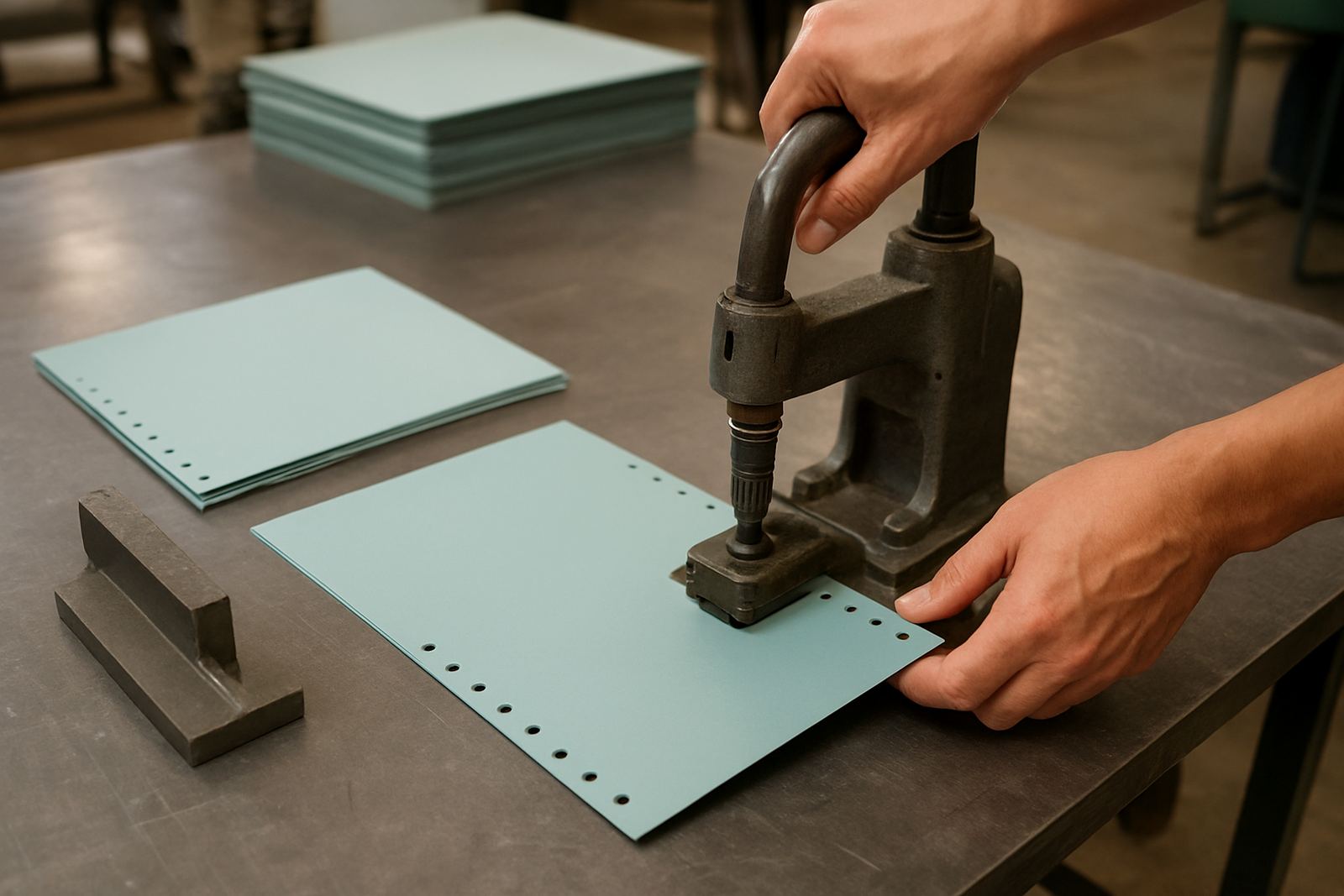
Plate punch tools are used to make precise registration holes or locating points in printing plates before they go onto the press. That sounds simple, but in a production room it matters a lot. If the punch is off, the plate sits slightly out and the pressman ends up chasing register, wasting sheets and time. A good punch tool helps the plate land the same way every time, which is especially useful when you are running repeat jobs or multiple plates on longer shifts.
These tools are used mainly with CTP plates in offset workflows, and in some finishing or flexo setups where exact positioning is needed before mounting. They are practical equipment, not fancy kit. The aim is clean alignment, consistent placement, and fewer headaches at startup. In hotter inland conditions around Johannesburg and Pretoria, and in humid weather when plates can shift a bit, accurate punching becomes even more important.
Common Sizes and Punching Options
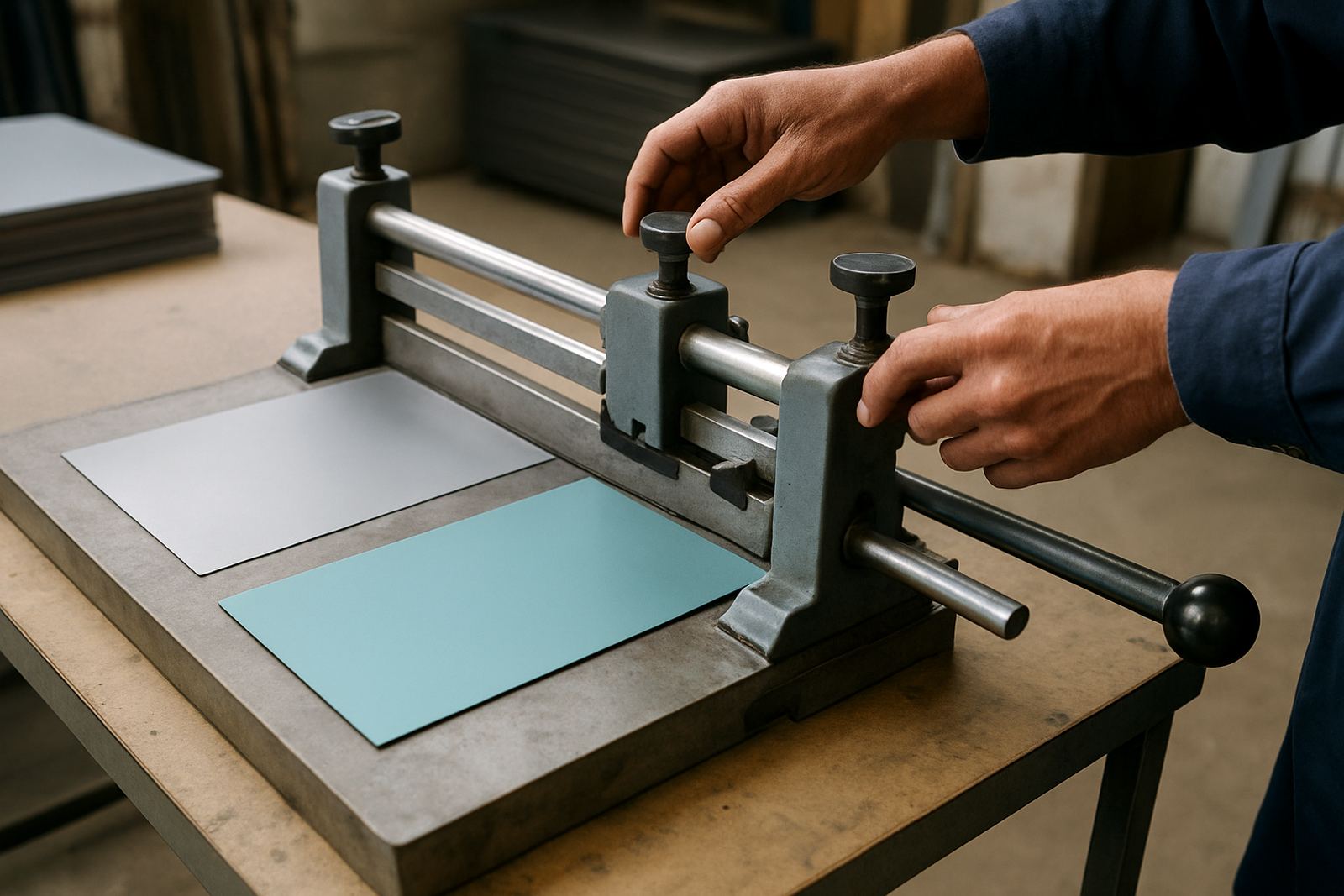
Plate punch tools come in different formats to suit the size of the press and the way plates are handled in your plant. Some are manual bench units for smaller rooms, while others are heavier floor units made for faster throughput. The punch spacing must match your press system, so it is worth checking the exact hole pattern before you order.
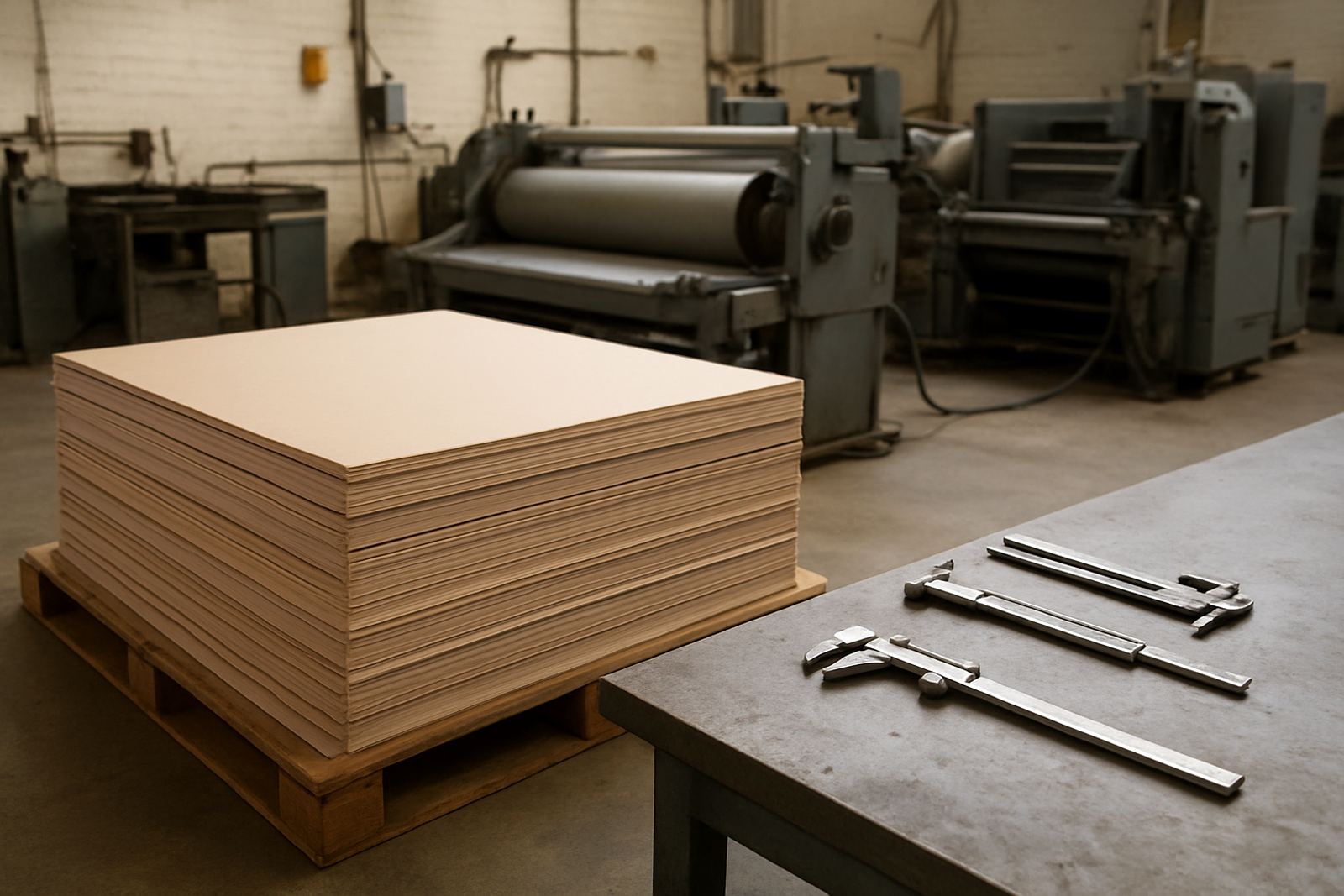
- Plate widths commonly handled: 450 mm to 1 200 mm, depending on the unit
- Plate lengths: usually from 350 mm up to 1 500 mm for standard commercial work
- Punch patterns: two-hole, four-hole, or custom locating positions
- Operation: manual, foot-pedal, or air-assisted where fitted
- Plate types: aluminium CTP plates and certain flexo plate formats
For higher volumes, a punch with adjustable stops and repeat settings saves time. For smaller shops, a simpler manual unit may be enough. If you are running several presses, it is often better to match the punch to the most common plate size first, then check whether special job sizes can still be handled without rework.
Where It Suits the Printroom
Plate punching equipment suits offset printers, plate rooms, and trade shops that want more control before plates reach the press. It is also useful where several operators handle the same job, because punched plates are easier to identify and mount consistently. If your business in Industria West, Roodepoort, Randburg or Germiston runs plates daily, the time saved on setup adds up quickly.
These tools are useful in places that do short-run reprints, commercial stationery, labels, packaging work, and general print finishing. They are also a sensible fit where press uptime matters, such as production runs that must keep moving through tight delivery schedules. When a plate is punched properly, the press team spends less time correcting register and more time printing useful sheets.
- Best for repeat jobs with fixed plate formats
- Helps reduce wasted sheets during make-ready
- Useful for multi-colour work where register is critical
- Supports cleaner handovers between prepress and press teams
Installation, Air Supply and Power Checks
Before installation, check the footprint of the unit, the bench height or floor space it needs, and whether you have a level surface. Some units are self-contained, while others need compressed air. If air is required, make sure the line can deliver clean, dry air at the pressure specified for the punch, usually around 5 to 7 bar for air-assisted models. Wet air causes trouble over time, so a proper filter and drain are worth having.
Power requirements vary by model. Manual tools may not need electricity, but motorised or solenoid-operated units can need a standard single-phase supply. It helps to know whether the unit keeps its settings when it is switched off and on again. For higher safety, place the punch where operators can feed plates without twisting or lifting awkwardly. That reduces damage to plates and lessens strain on staff.
If the unit is going into a busy prepress area, leave enough room for plate stacks, trim offcuts and safe access for servicing. A tidy layout also makes it easier for the team to spot small faults early, like worn locators or a punch head that is starting to drift.
Care, Cleaning and Servicing Routine
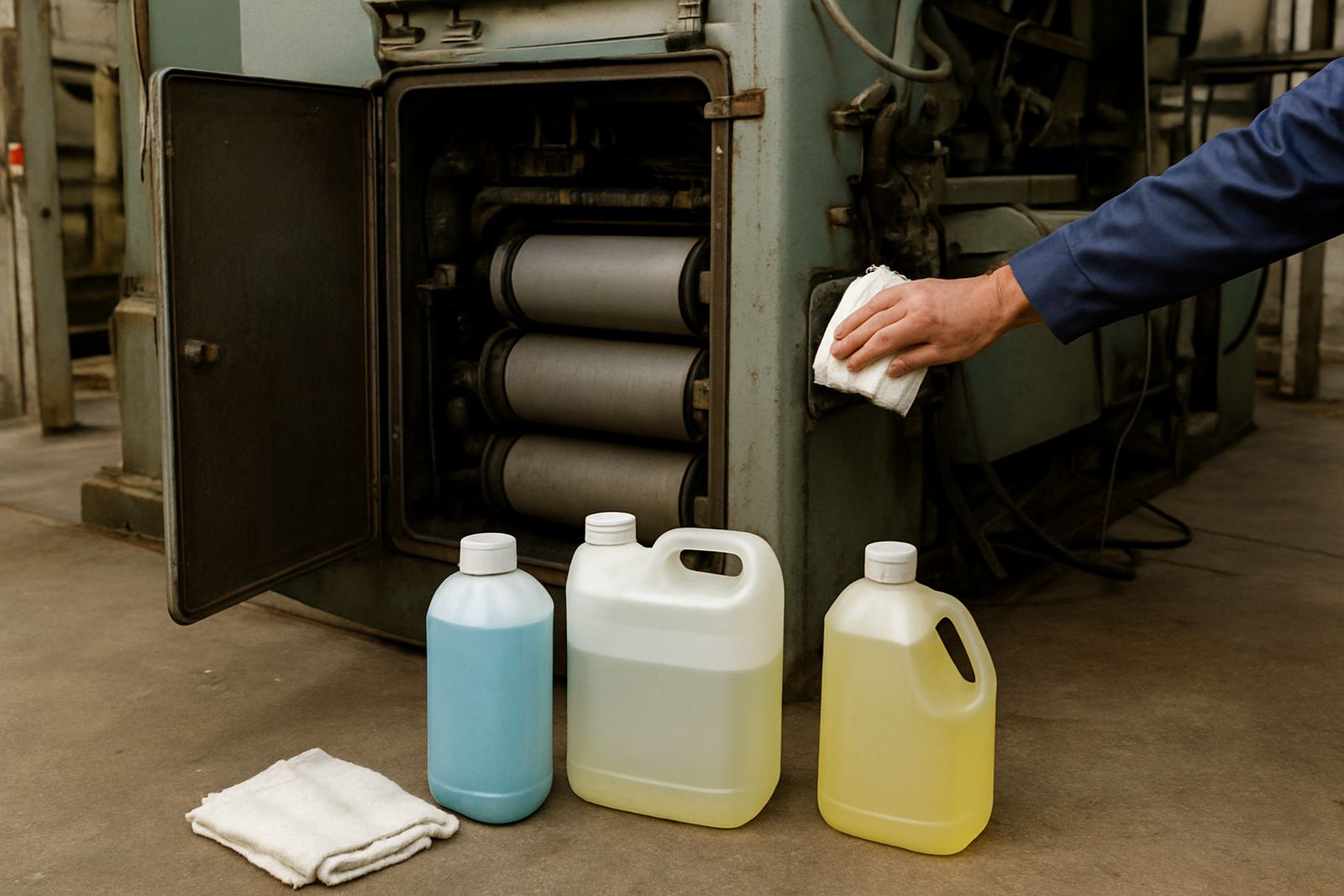
Plate punch tools need regular cleaning and a simple inspection routine. Dust, plate coating residue and small metal chips can affect the punch action and the fit of the plate. Wipe the table and locating guides daily, and check that the punch head is moving squarely. If a plate starts showing uneven hole spacing, stop and inspect the setting before the problem spreads to a whole run.
- Check punch alignment at the start of each shift
- Clear chips and residue from the guides and base plate
- Lubricate moving parts only where the maker recommends it
- Inspect stops, pins and clamps for wear or looseness
- Keep spare cutters or punch inserts on hand if your model uses them
Monthly servicing is wise in high-volume rooms, especially where humidity and dust are a factor. If the unit is pneumatic, monitor seals and air fittings for leaks. A small leak can become a bigger one, and the punch starts to feel sluggish long before it fails completely. Our technical support team can help with press startup help and servicing advice when the line starts behaving oddly.
What to Confirm When Ordering
When you order plate punch tools, confirm the plate format, hole pattern, production speed and whether you need a manual or assisted unit. It is also important to check the press makes and models you are running, because the register points must suit the mounting system. If you print for several customers, ask whether one punch setup can cover the full range or whether you need changeable tooling.
Tell us the plate thickness, plate length, and whether the job is offset, flexo or mixed production. If your team handles plates in a warm room or near a wash area, mention that too, because corrosion resistance and easy-clean surfaces can make a difference. A small typo in the order note or the wrong hole spacing can cost time on delivery, so it pays to verify the basics before dispatch.
- Plate size and thickness
- Hole pattern and register standard
- Daily volume and shift pattern
- Power or compressed air availability
- Space available for bench or floor mounting
- Need for training, setup help or spare parts
For supply planning across Johannesburg, Pretoria and nationwide, it helps to order the punch together with the plates and related press-room items. That way the equipment, the mounting method and the plates all line up from day one.
Key facts
| Product type | Plate punch tool for prepress and press-room register preparation |
|---|---|
| Suitable materials | CTP aluminium plates and selected flexo plate formats |
| Typical plate widths | 450 mm to 1 200 mm, model dependent |
| Typical plate lengths | 350 mm to 1 500 mm, model dependent |
| Operation | Manual, foot-pedal, or air-assisted depending on unit |
| Utilities | Some models need 5 to 7 bar compressed air and a standard single-phase supply |