What a plate bender does on press day
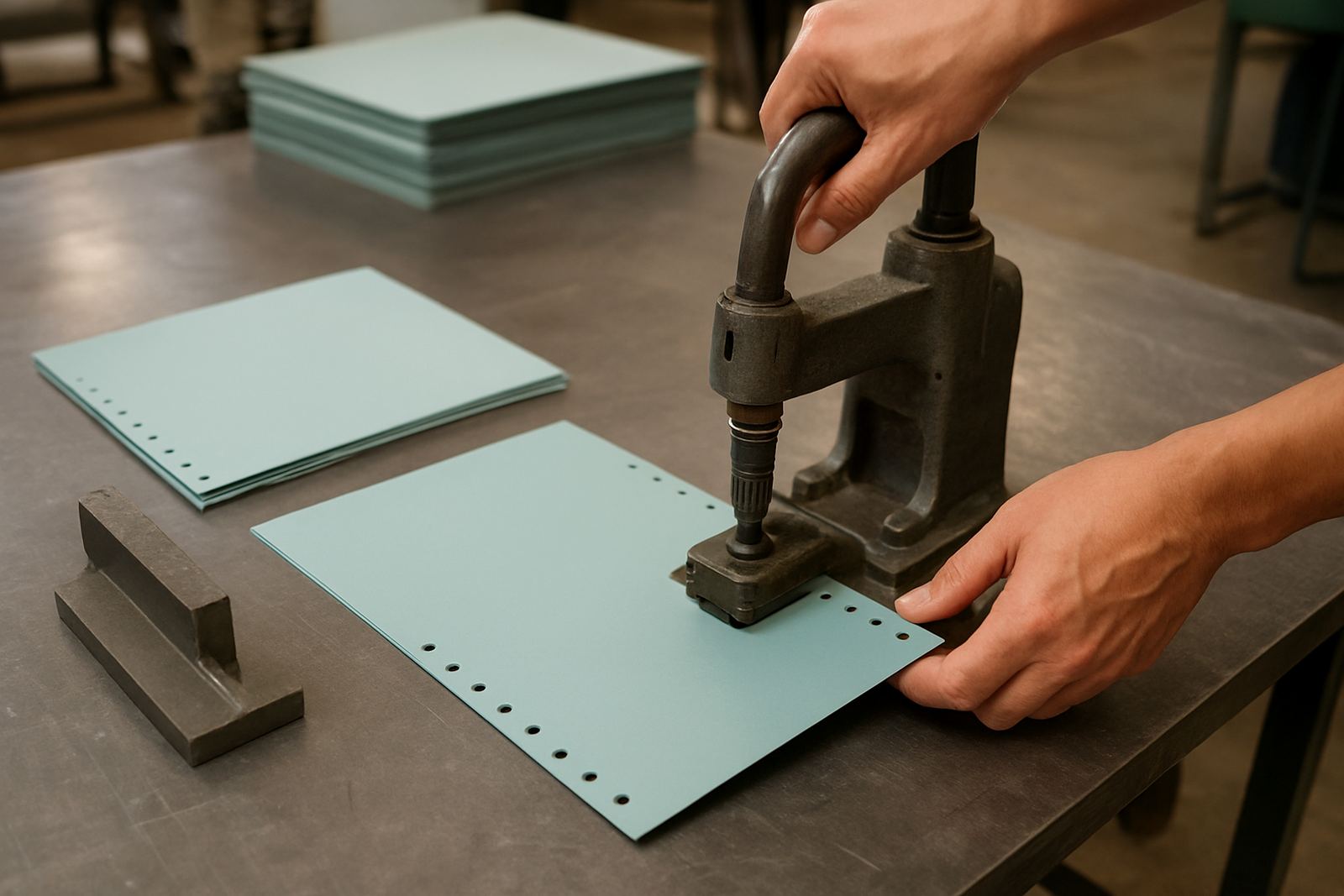
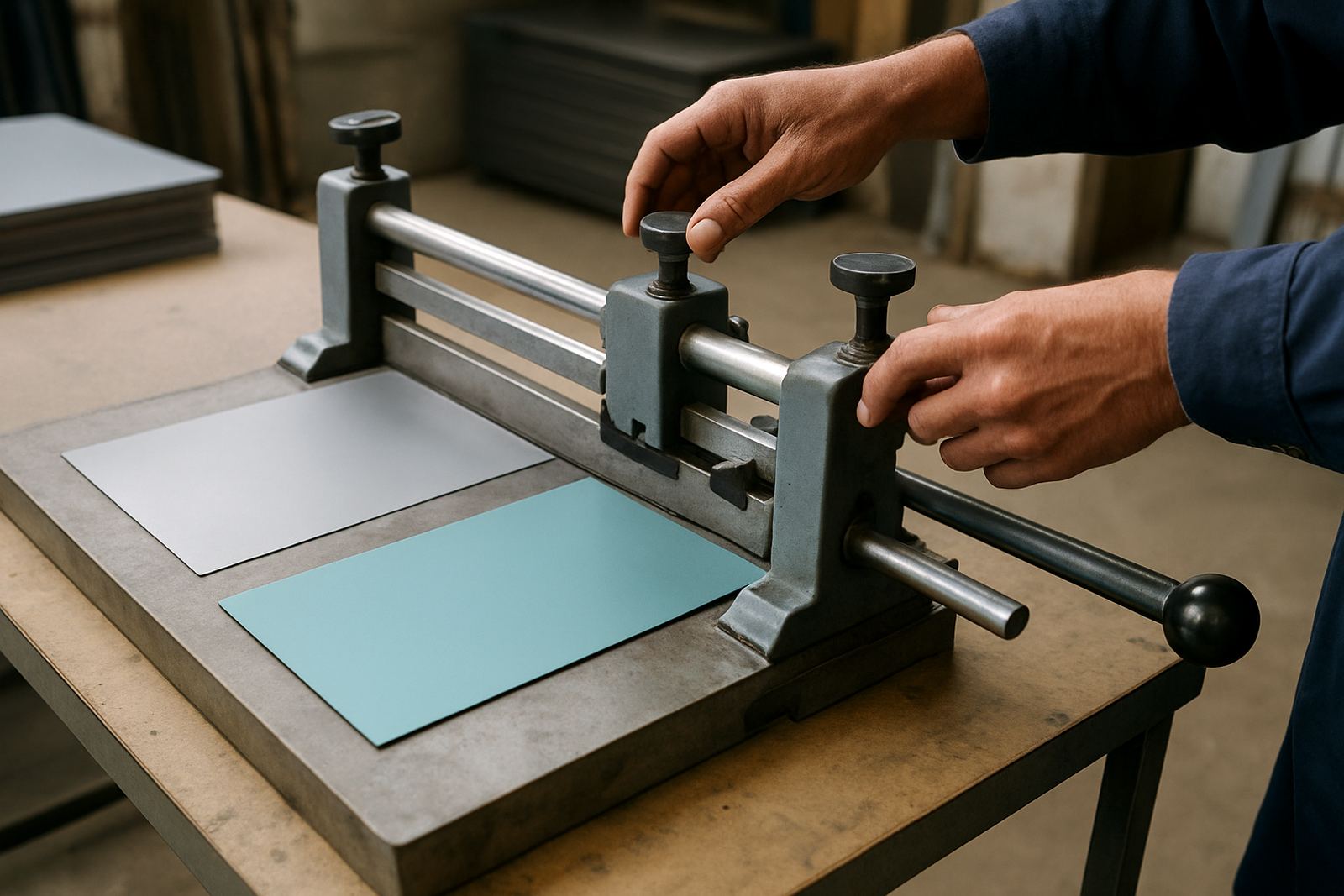
A plate bender forms a clean bend at the plate edge before the plate goes onto press. In offset and some flexo workflows, that bend helps the plate lock into the right position and reduces damage at the clamp or cylinder edge. When the bend is done properly, operators spend less time fighting the plate and more time getting the sheet, colour and registration right.
For busy print rooms in Johannesburg, Roodepoort, Randburg, Midrand, Germiston and Pretoria, this matters when the shift is tight and the job cannot wait. A good bender gives a repeatable angle and depth so each plate is prepared the same way, which supports steadier startup and fewer rework cycles.
These units are typically used after imaging and before mounting. They are not for cutting plates, only for shaping the edge in a controlled way. Used with the right plate type, they help keep plate handling neater and safer too.
Sizes and options for different plate rooms
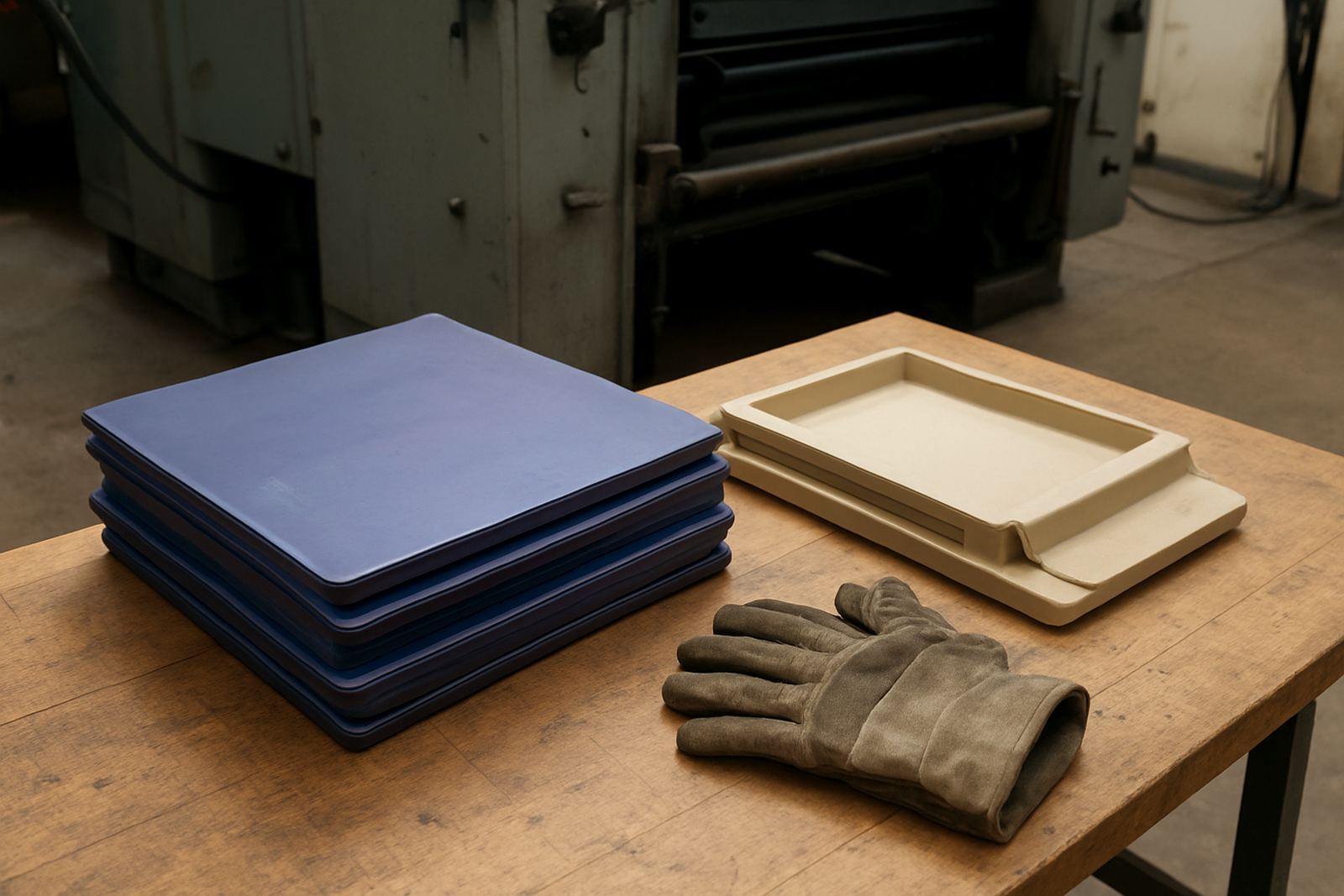
Plate benders are available in bench-top and heavier shop floor styles, depending on how many plates you process each day. Smaller units suit low to medium volume environments, while larger models are better where multiple presses run through the day and plates need to be prepared quickly.
- Manual plate benders for straightforward edge forming
- Adjustable stop settings for repeatable bend depth
- Single edge and double edge preparation options
- Models for aluminium offset plates and selected flexo plate work
- Portable units for smaller finishing rooms
Common working widths are used to match standard plate sizes, and many units handle plates from short-run jobs through to larger sheet sizes. If your team works with mixed plate formats, it is worth checking the maximum width, minimum bend distance, and whether the unit accepts the plate thickness you use most often.
Where plate benders suit best
Plate benders suit print shops that prepare their own plates onsite, rather than sending every job out. They are useful in sheetfed offset plants, web printing operations, flexo finishing rooms, and production houses that need accurate plate edge prep before mounting. They also help where staff turnover is high and a consistent prep method is needed for training.
In Gauteng, where many plants manage tight production windows, a dependable bender helps keep plate prep independent from any one operator's habit. That can matter in plants that run evening shifts or support urgent work for labels, commercial print and packaging. It also supports cleaner handling in humid conditions, where plates and tooling must be kept in good order to avoid corrosion on working parts.
Plate benders are a sensible fit where the pressroom wants to reduce edge lift, clamp damage and unnecessary plate rejects. If your team already does plate inspection, chemistry control and press startup checks, this tool fits naturally into that workflow.
Installation, power and workspace needs
Most plate benders are simple to install and do not need a large footprint. A stable bench or level work surface is usually enough for manual units, while powered models need a clean, dry area with enough space for the operator to feed plates safely. Keep the unit close to plate storage and plate handling stations so movement is limited.
- Power needs vary by model, with some manual units needing none
- Powered units usually require a standard electrical supply
- Allow clear access at the front and side for plate loading
- Fit the unit away from wash-up splash, loose chemistry and dust
- Keep the floor level to maintain repeatable bend alignment
If the model uses electricity, confirm voltage and plug type before delivery. Many shops keep the unit on a protected supply with the rest of the pre-press area. No gas is required on standard plate benders. For most sites, setup is more about correct placement and operator access than mechanical installation.
Care, servicing and daily checks
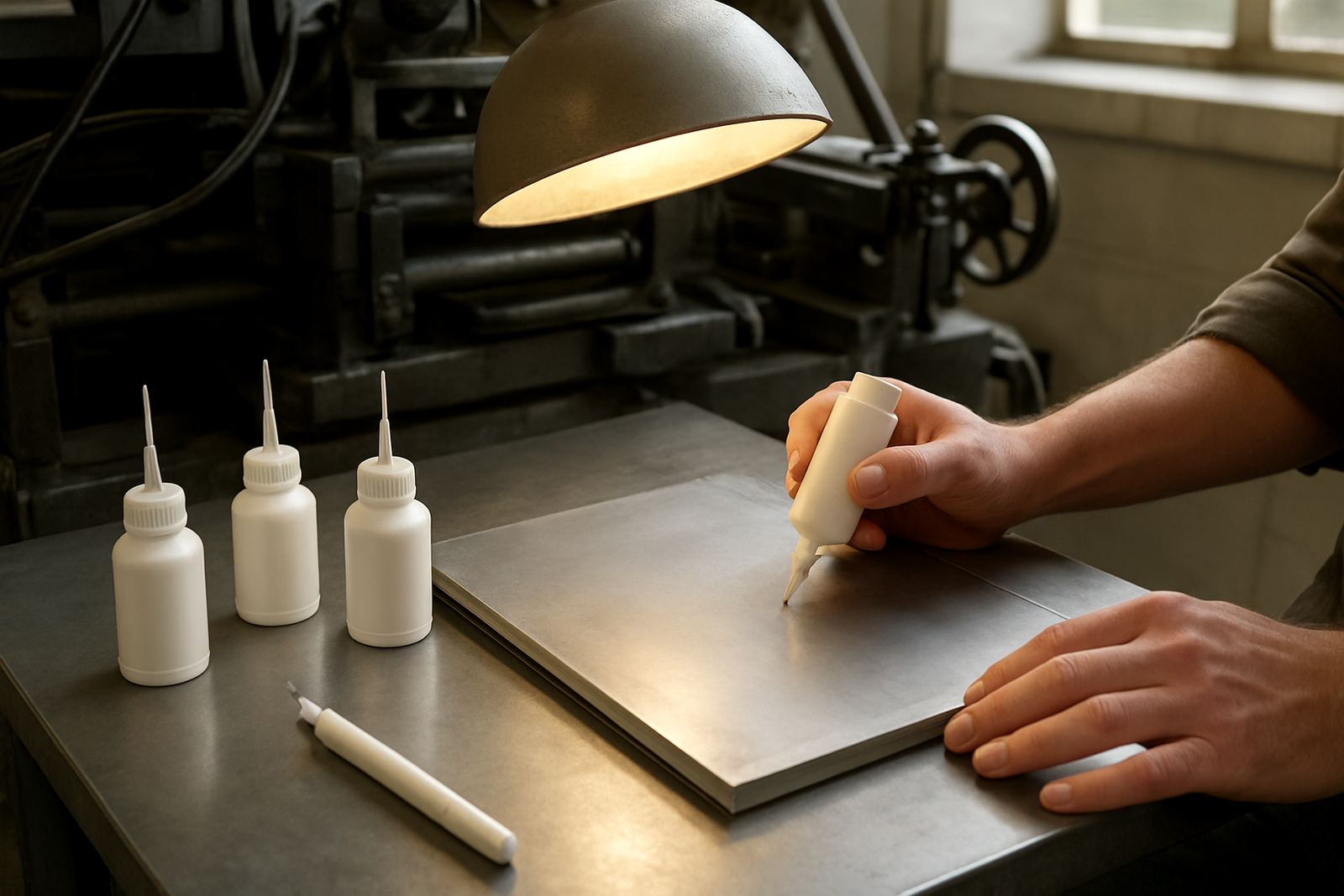
Clean jaws and regular checks keep a plate bender bending true. Wipe down the contact areas to remove plate dust, ink residue and grease. Check the bending edge for wear, because a nick or burr can mark the plate and affect fit at the clamp. If the bend starts looking uneven, stop and inspect the guides and stops before more plates are processed.
Where the unit has moving parts, light servicing helps extend life. That may include checking fasteners, alignment, tension points and the condition of any rollers or blades. In humid areas, store the bender in a dry room and avoid leaving washed plates or chemicals nearby. A little care goes a long way, especially in shops that run all week and cant afford avoidable delays.
If your team already uses plate handling training or production troubleshooting, the same disciplined habits apply here. Mark the correct settings for the plate type you use most often so operators do not have to reset from scratch every shift.
Choosing a plate bender
Before ordering a plate bender, confirm the exact plate type, thickness and size range you handle. Ask whether the unit is meant for single bends, double bends or both. Also check how the bend depth is set, how easy it is to repeat the same angle, and whether the unit suits your press clamps or cylinder style.
- Plate material and thickness
- Maximum plate width and minimum bend distance
- Manual or powered operation
- Single edge or double edge bending
- Space available in the pre-press area
- Spare parts and local support availability
If you are unsure, it helps to match the bender to your plate selection and mount process rather than buying on size alone. A unit that suits a small commercial shop may not be the right fit for a plant handling higher volumes or thicker plate stock. Getting that match right saves time from the first week.
Key facts
| Product type | Plate bending tool for print plate edge preparation |
|---|---|
| Typical use | Offset plates, selected flexo plates, pre-mount preparation |
| Operation | Manual or powered, depending on model |
| Plate compatibility | Matched to plate thickness and format as ordered |
| Workspace need | Bench-top or floor space near plate handling area |
| Power | Some models need a standard electrical point |