What correction fluid does on the plate
Plate correction fluid is a pre-press consumable used to stop or reduce image areas on a plate after imaging, then let the operator make small fixes before the job goes live. It is meant for minor changes only, such as removing a small mark, closing out a tiny pinhole, or adjusting a fine area that should not print. It is not a substitute for proper plate setup or file correction, but it can save a costly replate when the issue is small and time is short.
In busy South African print shops, especially where turnaround times are tight, this type of fluid is useful for quick practical corrections. It suits offset work, plate making rooms and pre-press teams that need controlled touch-ups without redoing the full plate. Used correctly, it helps keep the press moving and reduces waste.
Sizes, pack options and what comes with supply
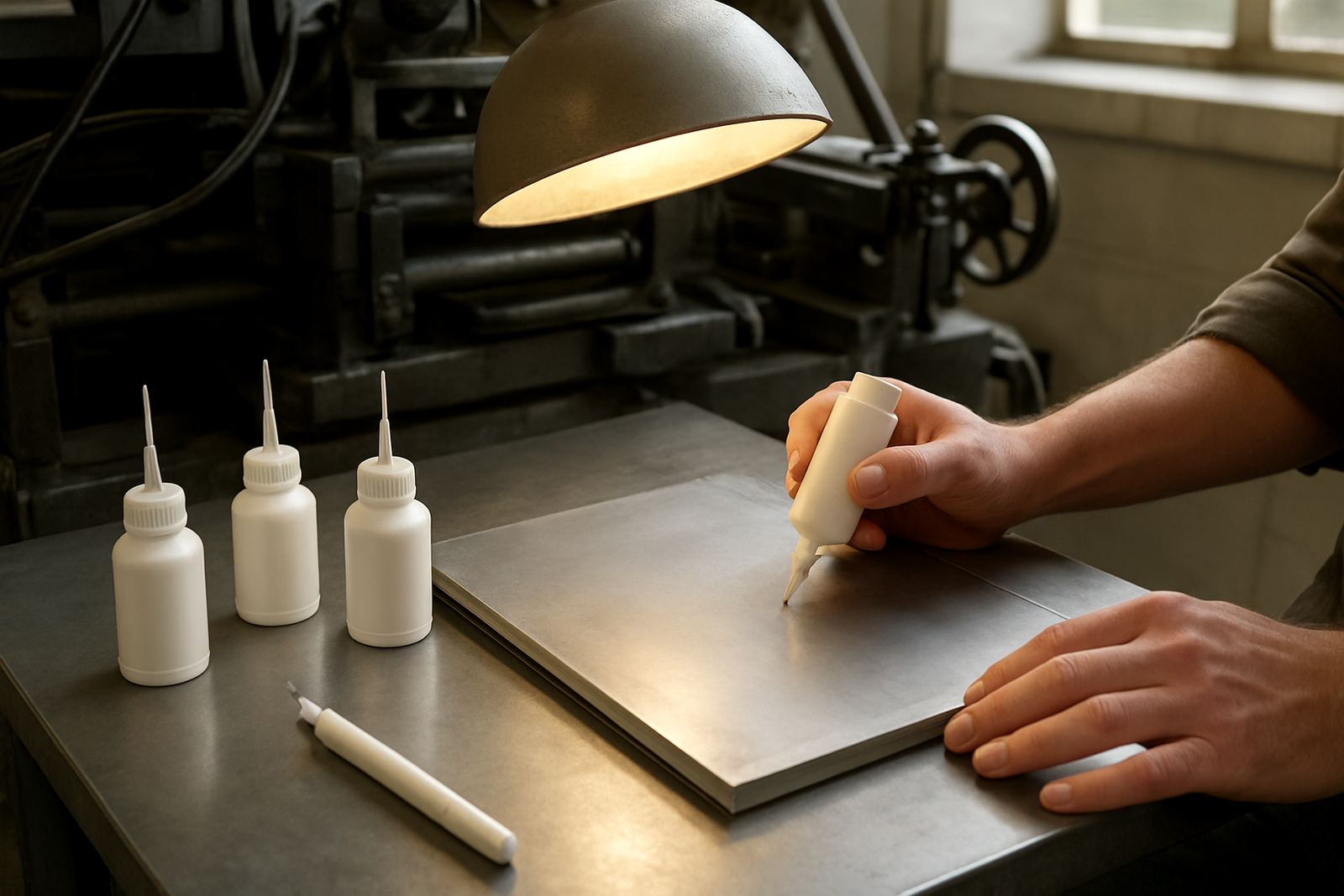
Correction fluid is normally supplied in compact containers that are easy to keep near the plate table, with applicators suited to careful spot use. Depending on the job volume, you may want single units for low usage or multiple packs for regular plate room work. For shops in Johannesburg, Pretoria, Roodepoort and Germiston, the right pack size often depends on how many plates are corrected each week and how much shelf turnover you have.
- Small pack sizes for occasional plate touch-ups
- Workshop packs for regular pre-press use
- Brush or tip applicator options for controlled application
- Clear labelling for batch tracking and stock rotation
- Packaging suitable for courier delivery nationwide
When ordering, ask for the pack format that suits your handling style. A neat applicator matters because correction fluid must go exactly where it is needed, not across the non-printing area.
Where correction fluid fits in plate work
This product suits plate rooms and press support teams that deal with short runs, repeat work, last-minute copy changes and the usual small faults that show up during imaging or plate inspection. It is especially useful where the job has already been approved and only a tiny area needs to be changed before make-ready. For print finishing teams, it can also help where a plate fault would affect die-cutting marks, fold accuracy or a small registration detail.
It is commonly used in offset operations, though some flexo and specialist finishing setups use similar correction materials depending on the plate system in place. If humidity on your site is high, or if you run in an older plant with uneven air control, you need a fluid that stores well and applies consistently. The result should be tidy and predictable, not smeared or thick.
Setup and safe handling
Correction fluid needs nothing fixed in place. It is a manual consumable that only needs a clean work surface, the correct applicator and a steady hand. That makes it practical for sites with limited plant services. It can be kept in a plate room, pre-press bench or mobile kit for on-site press support.
Before use, make sure the plate surface is clean and dry, and that the corrected area is fully compatible with your plate type and process. The operator should follow the normal plate room procedure for drying and inspection before the plate goes to press. If a correction is too large or too close to critical image areas, it is safer to rework the plate rather than force a patch. A quick fix done badly usually costs more later.
Care, storage and servicing routine
Good care keeps correction fluid usable and prevents waste. Keep the bottle capped, upright and out of the sun. Do not leave the cap loose between uses, as the product can thicken and become difficult to apply. In Durban or other humid areas, keep stock in a dry cupboard or controlled room if possible. In winter in Gauteng, avoid storing it near heaters or press drying units.
- Close the lid immediately after use
- Use a clean applicator every time
- Never top up old fluid with new
- Check for thickening, separation or skinning before issuing to operators
- Replace stock that has been contaminated with plate debris or solvent
Servicing is simple because the item itself has no moving parts. The real care is in storage, handling and keeping the work area free of dust and ink residue. That is what gives a clean correction on the plate.
What to check before placing an order
Before ordering, confirm the plate type, the correction method used in your plant and the size of the areas you normally need to adjust. A fluid that works well on one plate system may not suit another, so it helps to match product choice to the process. Also check whether your team needs a fast drying formula for quick make-ready or a standard formula for steadier bench work. If your production team works across shifts, ask for a pack size that fits stock control and does not sit too long on the shelf.
It is also worth checking who will apply the correction and how much experience they have. A trained operator can make a small correction safely, while an untrained hand may cause more damage. We can assist with plate selection, press startup help, production troubleshooting and practical training for handling and wash programmes, which helps keep the full process under control.
Key facts
| Product type | Plate correction fluid for minor image changes and pre-press touch-ups |
|---|---|
| Use | Offset plate correction, practical pre-press adjustment and small fault removal |
| Pack sizes | Small unit packs and workshop packs, subject to stock availability |
| Application | Manual application with brush, tip or similar controlled applicator |
| Site needs | None required |
| Storage | Upright with the cap on, in a cool, shaded, dry place |