What desensitiser paste does on press
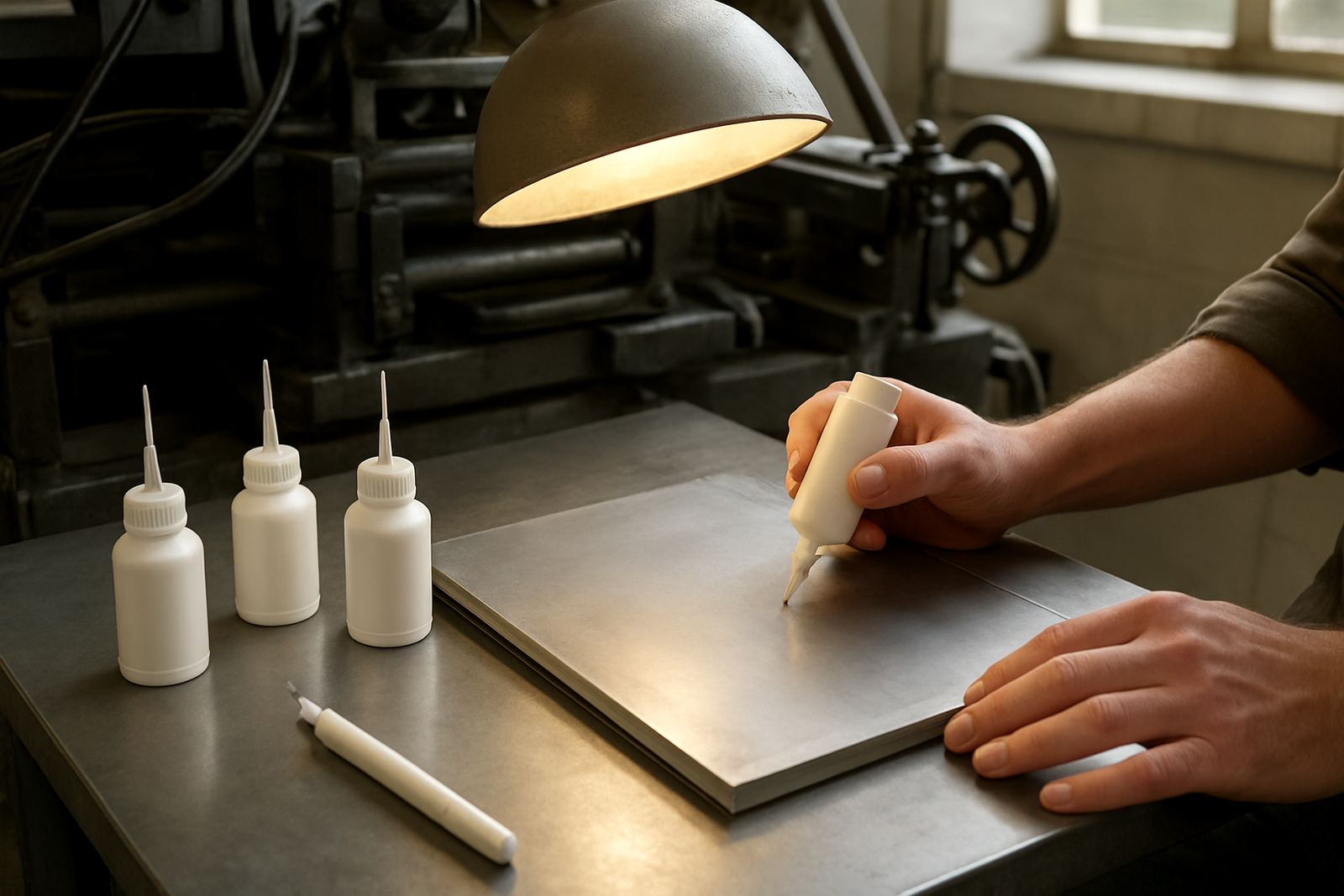
Desensitiser paste is applied to specific parts of a plate to reduce unwanted ink uptake where the plate should stay non-image. In simple terms, it helps a press team correct minor plate issues without taking the whole plate out of service. That is useful when you are running repeat work, dealing with image creep at the edges, or cleaning up small faults after plate handling.
On South African pressrooms, it is often kept as part of the everyday plate room stock because it supports faster decisions during plate correction and make-ready. It is not a replacement for good plate making practice, but it is handy when you need to keep production moving and the plate is otherwise fit for use.
Pack sizes for small and large plate rooms
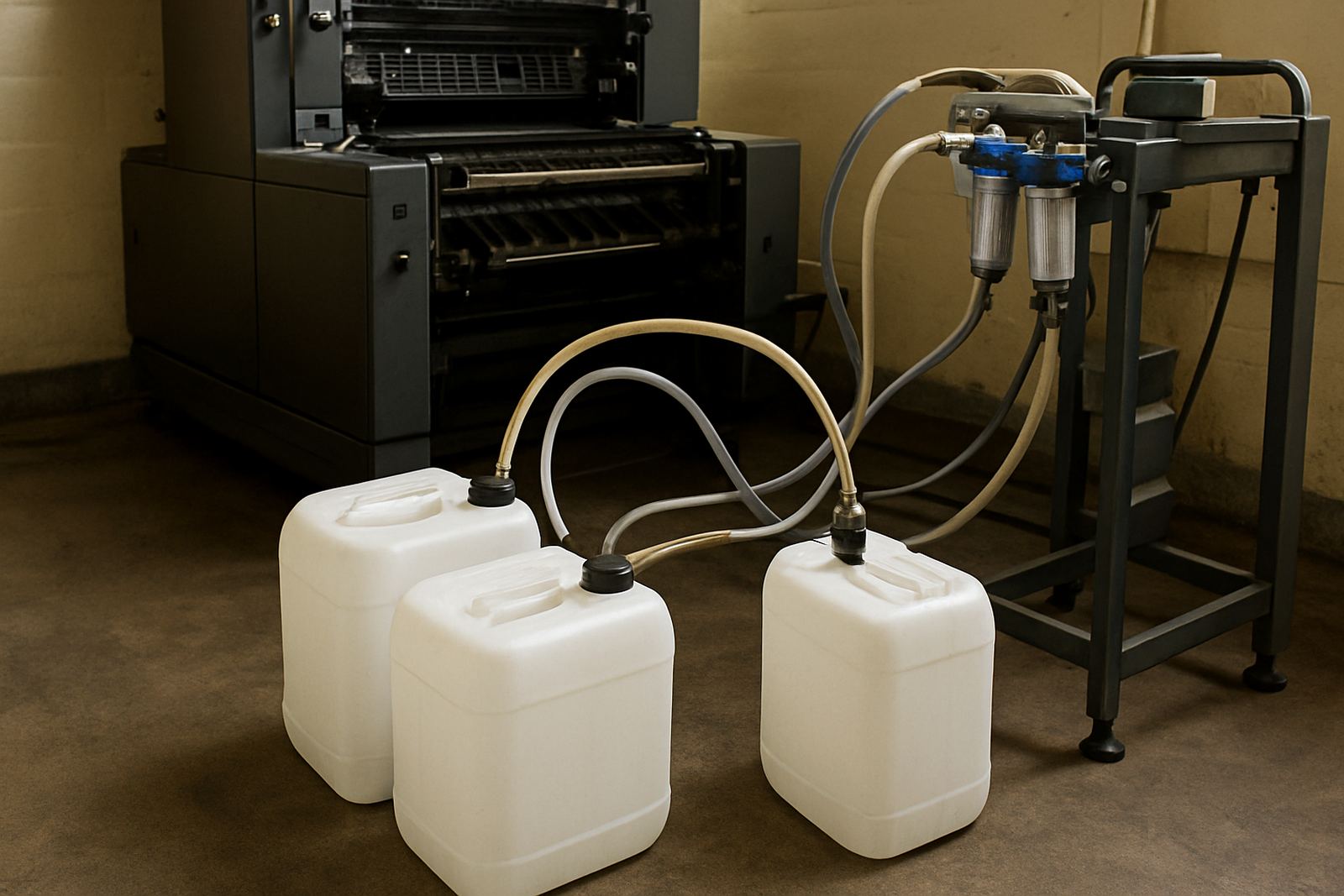
Desensitiser paste is normally supplied in small tubs, tins, or squeeze packs depending on the volume a plant uses. Smaller shops in Randburg or Roodepoort may prefer compact packs for low wastage, while higher-throughput sites in Midrand, Germiston, or Pretoria often keep larger containers on hand for daily correction work.
- Small pack sizes for occasional use and backup stock
- Medium tubs for regular plate room handling
- Bulk supply for busy multi-shift printing operations
- Pack options suited to offset plate correction and non-image area control
When ordering, it helps to match container size to actual consumption. Paste that sits too long in a hot room or gets opened often can thicken, so the right pack size keeps product fresher and easier to apply.
Where it suits best in printing work
This product is suitable for offset plate correction where a controlled non-image area is needed, especially on jobs with frequent plate handling or quick turnaround. It is commonly used in commercial print, quick print, in-house print rooms and packaging support lines where short delays become costly.
It also suits teams that need to manage light scumming, minor plate marking, or edge correction before the job goes fully onto press. In warmer inland conditions around Johannesburg, handling becomes easier if the paste is stored in a cool cabinet away from direct sun. In humid weather, storage discipline matters more, so keeping lids shut tight matters. Careful handling here saves paste and plates.
- Offset plate correction
- Non-image area control
- Quick make-ready adjustments
- Repeat job setup and re-runs
Tools and handling
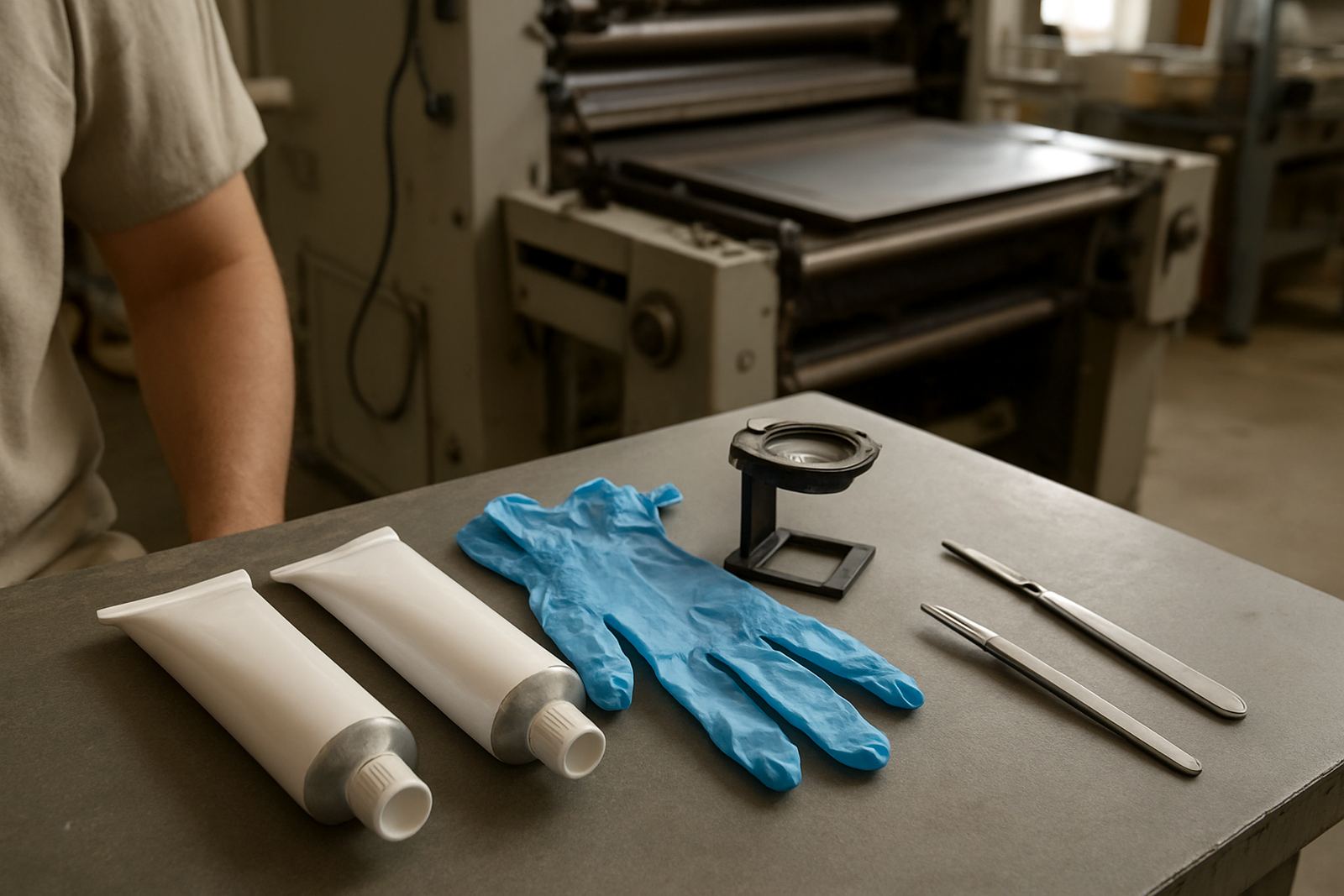
There is nothing to install. Desensitiser paste is a manual consumable, applied by hand with a clean applicator or cloth depending on the method used in the plant. That makes it easy to keep in a plate room, on a press trolley, or in a clean service kit for technicians who travel between sites in the City West area and beyond.
All it needs is a careful hand on a clean bench. Plates should be dry and free of loose contamination before application. If the paste is being used during press startup, the press team should work in line with the plant’s normal procedures and the plate maker’s guidance. In busy production floors, good lighting and basic PPE help too, especially where solvents and washups are also in use.
Care, storage and repeat use
Store desensitiser paste with the lid closed, away from heat and direct light, ideally in a dry cabinet. If a container is left open in a warm pressroom, the surface can skin over and the paste may become harder to spread evenly. This is avoidable with simple housekeeping and it keeps the product in better condition for the next correction.
Do not contaminate the paste with washup fluid, water, plate debris, or dirty applicators. If the product is used often, assign one clean tool to the container and keep it separate from blanket care and chemistry areas. On long print days, a quick check before use helps: if the paste has separated, dried out, or picked up dirt, replace it rather than trying to work around it.
What to verify before ordering desensitiser paste
Before ordering, confirm the plate type, the correction area size, and how often the product will be used. Different plants need different container sizes and a quick conversation can prevent overbuying or running out mid run. If the pressroom works with several shifts, it is worth checking who will use the paste and how it will be issued.
- Plate type and process being used
- Expected monthly consumption
- Preferred container size and storage space
- Compatibility with your plate room procedure
- Whether the team needs handling training or startup support
If you are unsure, LithoPrinting Plates can assist with product selection, plate handling training, and production troubleshooting so the supply fits the actual job flow.
Key facts
| Product type | Desensitiser paste for offset plate correction |
|---|---|
| Main function | Supports quick plate correction and non-image area control |
| Common pack sizes | Small tubs, medium containers, bulk supply |
| Site needs | None |
| Storage | Cool, dry place with lid sealed tightly |
| Typical use areas | Offset print rooms, plate rooms, make-ready and press startup |