What processless plates do in the print room
Processless plates are made for direct plate imaging and then go straight from the platesetter to press-ready use, depending on the press and workflow. In the right conditions, they reduce chemistry handling, waste drums, and the time spent on processor checks.
That makes them useful where teams want cleaner plate production and fewer moving parts in day-to-day work. They are commonly considered for commercial offset work, short-run packaging, in-house print rooms, and operations that need faster turnarounds without adding another wet stage to manage.
They are not a one-size answer for every shop. Plate life, press conditions, ink-water balance, and storage all matter. If a plant already runs well on standard prepress controls, processless plates can slot in neatly. If the pressroom has unstable fountain solution, heavy contamination, or rough handling, the plate choice needs a proper check first.
Sizes, coatings and plate options
We supply processless plates in common sheet formats and thicknesses used by South African offset operations. Final availability depends on the plate image setter, press size, and the quantities needed for each job stream.
- Typical thicknesses: 0.15 mm, 0.20 mm, 0.24 mm, 0.30 mm
- Common sheet sizes: 510 x 400 mm, 650 x 550 mm, 800 x 600 mm, 1030 x 800 mm, and larger custom cut sizes
- Image type: thermal or violet compatible options, depending on system setup
- Run length: suitable for short to medium commercial runs, with longer runs possible under controlled conditions
- Surface finish: selected for clean ink transfer and consistent dot reproduction
Some plates are better for fast make-ready and lighter coverage work, while others handle broader solids and repeat jobs more reliably. We help match plate specification to plate setter, press speed, and the kind of stock being printed. For a shop in Roodepoort doing folding carton work, the answer will not be the same as a Midrand commercial printer running daily four-colour brochures.
Where processless plates suit best
These plates work best where the print room wants to limit chemistry and keep setup simple. They are often a good fit for businesses that run in multiple shifts, where a processor is another point of failure and downtime becomes expensive. In Johannesburg and Pretoria, that can matter when maintenance interruptions hit at the wrong time.
They are also worth looking at in humid environments where processor stability and wash-off consistency can become harder to hold. A plate that comes off the setter and moves to press with fewer wet steps can reduce handling risks, although storage still needs to be dry and controlled.
- Commercial litho shops needing faster plate turnaround
- Packaging and finishing operations with regular repeat jobs
- In-house print rooms wanting lower chemical handling
- Sites with limited water or tighter waste control rules
- Plants where processor servicing is hard to schedule
Customers often value the cleaner workflow more than the time saved. It is also in simpler stock control, fewer consumables to monitor, and cleaner plate room routines. That said, processless plates still need good discipline from prepress through to press checks, otherwise small faults show up quickly on the sheet.
Installation, press setup and utility needs
Processless plates do not normally need the same installation footprint as a full plate processor line, but the platesetter, handling area, and press settings still need attention. The plate room should have stable temperature, low dust, and protected storage away from direct sunlight and moisture.
Electric supply depends on the platesetter and any supporting equipment, not on the plate itself. In most cases the key needs are clean power for imaging equipment, air movement for the room, and enough workspace to move plates without flexing or marking them. Gas is not normally required for plate use. If a customer has a thermal system, we check the unit specification and make sure the workflow is matched properly before supply.
Press setup matters too. Fountain solution, blanket condition, rollers, and start-up procedure should be checked before changing plate type. Some presses will take to processless plates quickly, while others need a small make-ready adjustment to hold colour and water balance steady. We can assist with press startup help and colour stability checks if the shop wants a hand on site or by phone.
Care, storage and plate room handling
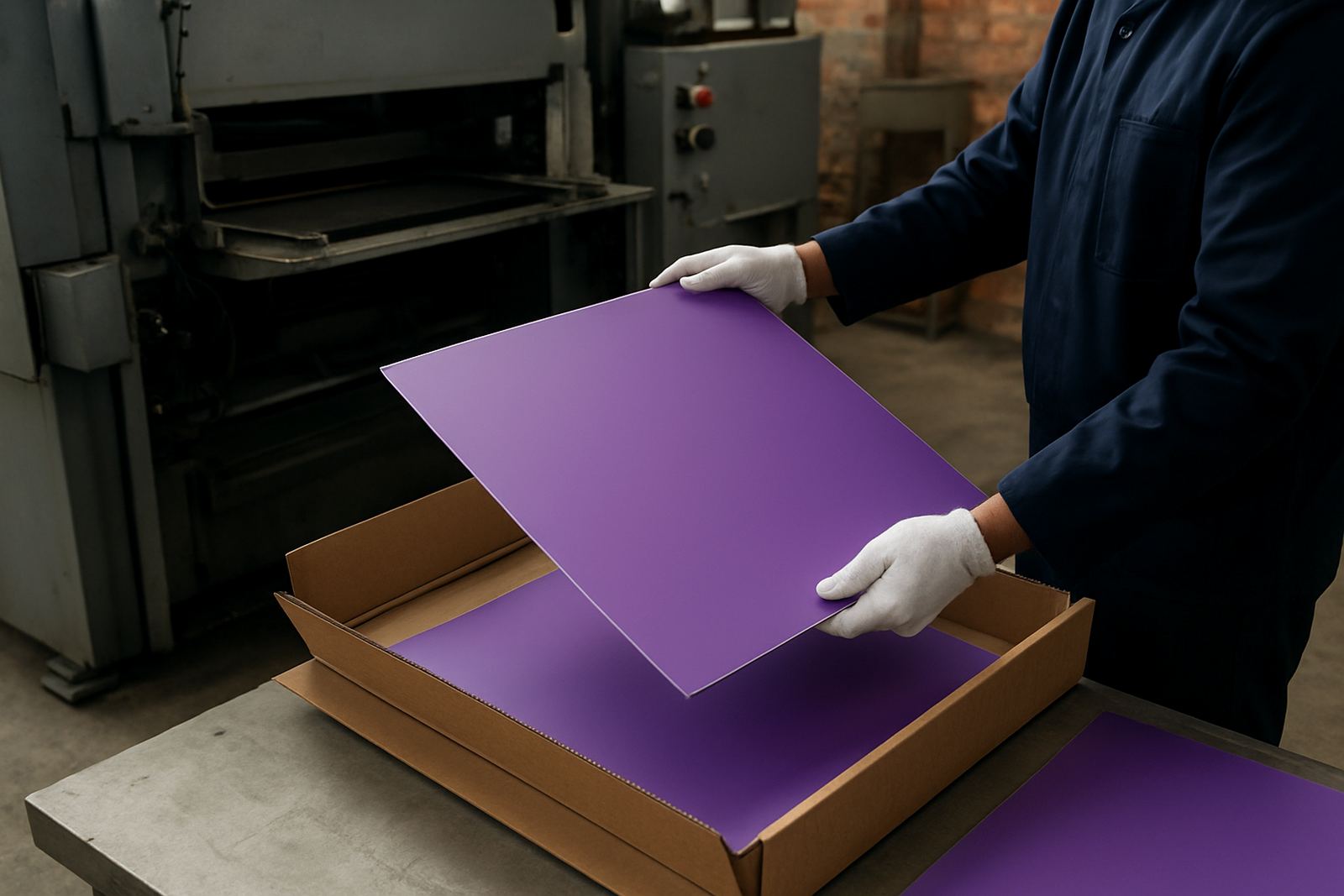
Good plate care starts before imaging and ends only once the job is on press. Processless plates should be stored flat, in their wrapping, and handled with clean dry hands or gloves where needed. Bending, scuffing, and stacking weight can all damage the image area before it even reaches the pressroom.
Keep plates in a cool dry room, away from chemistry fumes and open wash areas. In Gauteng summer humidity is usually manageable, but after rain or during night shifts moisture can still creep in and affect handling. Once imaged, plates should move to press without delay so the surface does not pick up dust or marks.
- Do not leave exposed plates near wash-up areas or solvent vapour
- Use clean racks and avoid edge damage during transport
- Check plate orientation and register marks before mounting
- Confirm blanket and roller condition before running live stock
- Keep a log of plate batch numbers and job results for repeat work
We also advise customers on plate handling training and wash programmes where the whole print line needs tightening up. Small habits make a big difference, and a plate that is treated well can hold its quality much better from order to order.
What to verify before ordering desensitiser paste
Before ordering processless plates, it helps to check the plate setter model, the press format, the required sheet size, and the expected run length. That stops expensive mistakes and avoids plates arriving that need trimming or rework.
Also confirm whether the workflow is thermal or violet, what exposure settings are being used, and whether the shop wants one plate grade for all work or different grades for general and heavy coverage jobs. If the business runs across branches in Johannesburg, Randburg, Germiston, or Pretoria, it is worth planning supply so each site gets the same spec and the same batch consistency where possible.
- Plate setter type and imaging wavelength
- Press size, gripper margin, and usable sheet area
- Run length and ink coverage profile
- Need for pre-bake, post-bake, or plain direct-to-press use
- Storage conditions and monthly usage forecast
- Whether the shop needs delivery to one site or multiple depots
If needed, we can help with supply planning so the right stock is on hand before a rush order lands. That saves time and keeps the print room from running short mid week, which is where trouble usually starts.
Support from Industria West to nationwide sites
LithoPrinting Plates supplies plate and press materials from Industria West, Johannesburg, with support into Roodepoort, Randburg, Midrand, Germiston, Pretoria, and nationwide. Our team works with plate selection, chemistry balancing, processor servicing, blanket assessment, and production troubleshooting, so customers can keep the full print line steady.
If you are moving toward processless plates or comparing them with your current setup, we can help you weigh the practical side first. The right plate should fit the machine, the turnaround pace, and the way your operators actually work, not just the catalogue spec. For orders and technical support, use our contact form.
Key facts
| Product type | Processless litho plate for suitable offset workflows |
|---|---|
| Thickness options | 0.15 mm, 0.20 mm, 0.24 mm, 0.30 mm |
| Sheet sizes | Common commercial sizes plus custom cut options |
| Image compatibility | Thermal or violet depending on system |
| Typical use | Commercial print, packaging, short to medium run work |
| Utility needs | No gas required for plate use, clean power needed for imaging equipment |