What the colour stability check covers
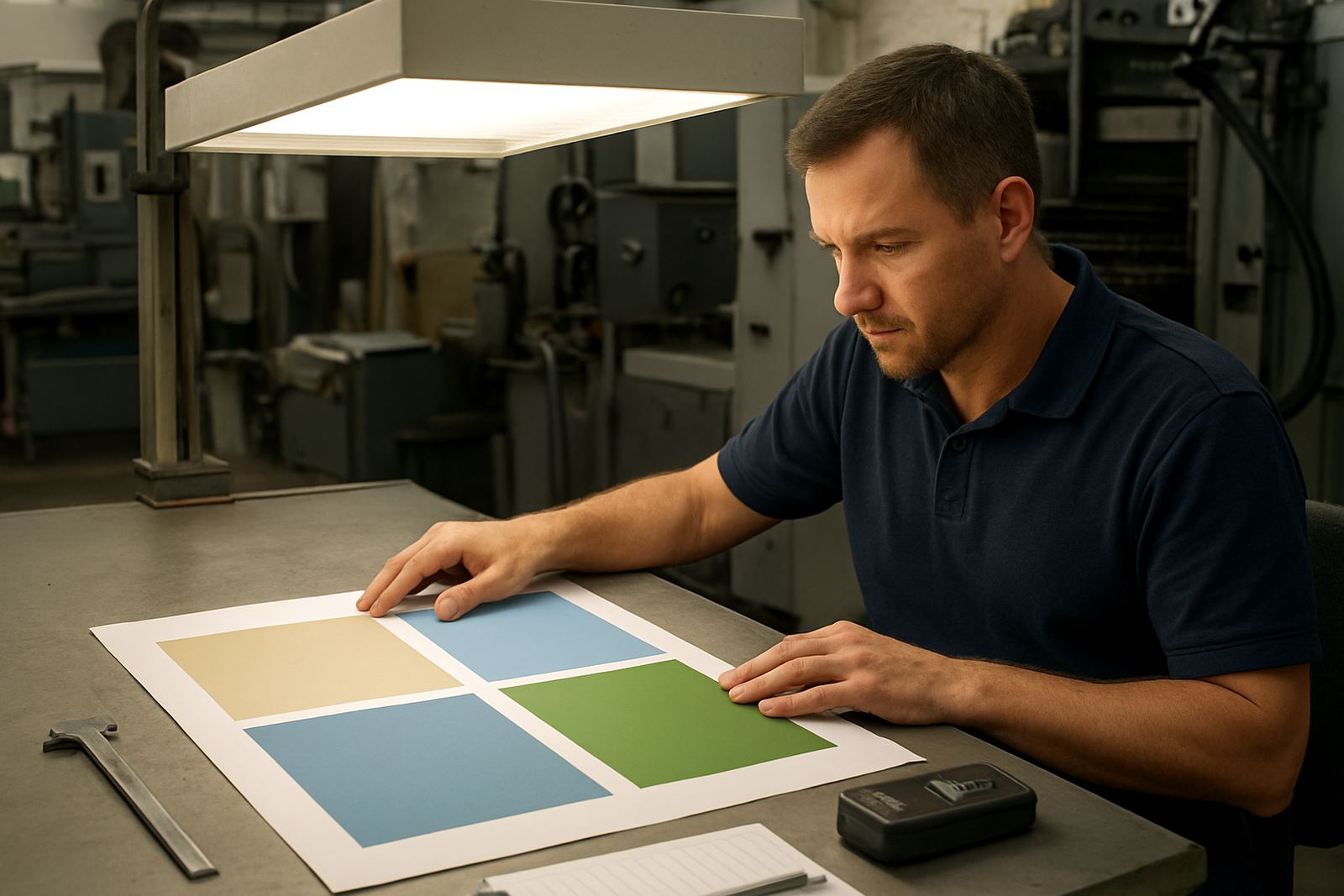
A colour stability check is a practical site visit for pressrooms that need steadier output from sheet to sheet, or from job to job. We assess the main causes of colour movement on offset presses, including fountain solution strength, pH, conductivity, dampening balance, plate condition, blanket condition and basic pressroom handling. The aim is not to criticise the room, but to show where colour shifts start and what can be controlled better. In many plants the problem is a mix of small things, not one major fault.
We work with commercial printers, packaging rooms and finishing teams in Johannesburg, Roodepoort, Randburg, Midrand, Germiston and Pretoria, with support nationwide. Where needed, we look at make-ready consistency, ink-water balance, wash frequency and how plate storage or handling may be affecting repeat runs. If a press is fighting humidity, frequent stops or rushed changeovers, that is noted as well. The report is practical, with clear action points and no wasted language.
- Fountain solution review and measurement
- Ink-water balance checks on press
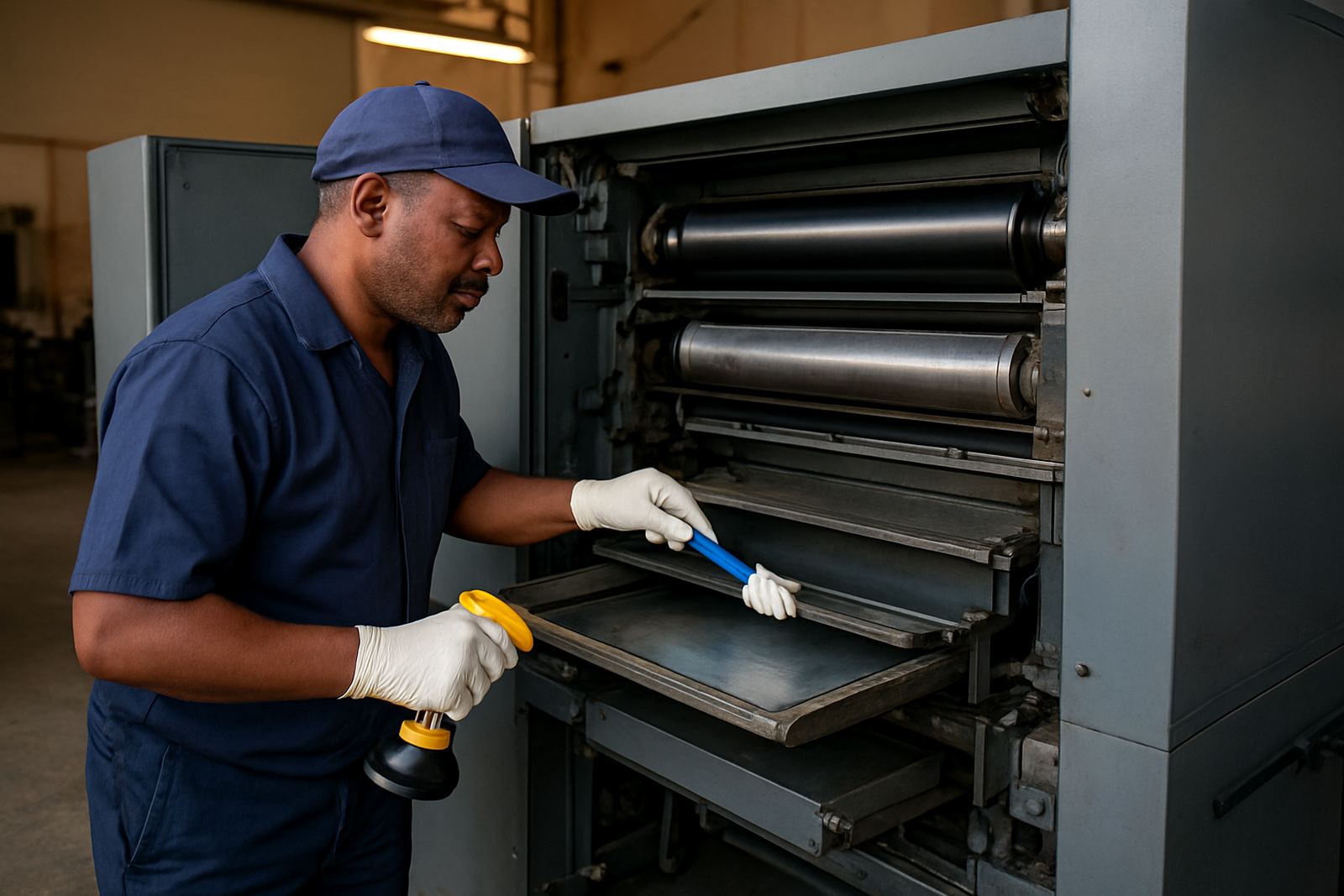
- Plate and blanket condition assessment
- Pressroom handling and storage observations
- Repeat-job colour stability review
How we carry out the visit
The process starts with a short phone or message brief so we know the press type, substrates, inks and the colour issue you are seeing. On site, we record current settings and take readings where relevant, then inspect the pressroom conditions that can push colour out of range. That includes temperature swings, dust, water quality, solution age and any signs of contamination in the wash programme. We also check whether the same job behaves differently between day shift and night shift, which is common in larger print rooms.
After the inspection, we discuss the immediate fixes first. These may be small adjustments to chemistry, better plate handling, tighter wash intervals or a more disciplined start-up sequence. Where the issue sits deeper in the workflow, we flag that too, for example poor supply planning, worn blankets or a processor that needs attention. The visit usually ends with a short debrief on site so your team can act straight away, rather than waiting for a long report that sits in a file.
- Pre-visit job brief and press details
- On-site measurements and visual checks
- Operator feedback and workflow review
- Immediate corrective recommendations
- Follow-up actions for recurring problems
Readings, specs and practical checks
Colour stability depends on measurable conditions, so we focus on the numbers that matter in a working pressroom. Depending on the process, we may check fountain solution pH, conductivity, temperature, plate condition, blanket compression and visible signs of contamination. We also look at how the press responds during startup and after a pause, because a stable room at 8 am can drift badly by mid-afternoon if the chemistry is not being controlled. A printer can have good inks and still get poor repeatability if the water side is off.
Typical targets depend on the press, plate type and chemistry in use, but a stable room usually needs disciplined monitoring at least once a shift. Where humidity is high, we often see more variability in drying and water balance, and that can affect solid density and tonal build-up. Inland plants in Pretoria or Midrand may see different issues such as dust and warmer afternoon conditions. Each checklist is written for the site in front of us.
- Fountain solution pH, conductivity and temperature review
- Plate surface condition and imaging consistency
- Blanket wear, glazing or swelling signs
- Wash programme frequency and residue checks
- Shift-to-shift repeatability observations
How colour visits are scheduled
For many South African print rooms, colour instability affects booked production straight away. Bookings are scheduled around route planning and pressroom access. In urgent cases, especially where a repeat job is running late or a customer is waiting on approval sheets, we try to arrange a visit where capacity allows. If the matter is linked to a production breakdown or a major colour dispute, priority is based on job risk and location.
Our base is in Industria West, Johannesburg, which keeps the West Rand and central Gauteng close to our routes. We also support sites in Germiston, Randburg, Roodepoort, Midrand and Pretoria, with nationwide supply and technical backup where required. Where the issue can be resolved by phone first, we will do that to save time and reduce disruption. That way your team is not left waiting while plates, chemistry or blankets keep working outside spec.
Pricing approach for colour stability checks
We price these checks according to the site size, number of presses, travel distance and whether the visit needs a deep troubleshooting session or a lighter verification. A single press with a straightforward chemistry issue is not priced the same as a full room review with multiple lines and repeated testing. This keeps the service fair and practical for printers who need control of costs as well as colour. If follow-up visits are required, we quote them clearly so there are no surprises later.
Where the check leads to further work, such as plate supply planning, processor servicing or wash programme changes, those items are separated from the inspection cost. That helps you see what is diagnostic and what is corrective. We can also advise on scheduled maintenance intervals for chemistry and pressroom checks, so the same problem does not keep coming back month after month. Many rooms find that a quarterly review works well, while busier production sites benefit from monthly checks or even weekly readings on key lines.
- Quoted by press count and site complexity
- Travel and urgency factored in upfront
- Separate pricing for corrective parts or consumables
- Maintenance plans available for recurring issues
Keeping colour stable between visits
The real value of a colour stability check is not only finding the fault once, but helping the room hold its standard after we leave. We show operators what to watch, how often to measure, and where small changes can upset repeatability. That may include a tighter wash schedule, better plate handling, more careful solution mixing or a simple sign-off sheet for each shift. In some rooms the biggest improvement comes from one or two habits being done the same way every time, which sounds basic but it works.
We can also build a maintenance interval around your production profile. For example, plants running heavy commercial work may need a monthly chemistry review, while lighter operations may only need quarterly checks plus phone support for unusual jobs. If your business handles repeat work for local clients, retail runs or short deadlines, keeping the system stable matters even more because there is less room for colour drift. A good pressroom is usually not lucky, it is monitored.
- Operator guidance for daily checks
- Shift sign-off support for repeat jobs
- Recommended review intervals by workload
- Optional follow-up training for press crews
Key facts
| Service area | Johannesburg City West, Gauteng and nationwide |
|---|---|
| Visit type | On-site pressroom review |
| Core checks | Chemistry, plates, blankets, press settings and workflow |
| Typical industries | Offset printing, flexo support and print finishing |
| Base | Industria West, Johannesburg |
| Message | Contact form |