What press startup help covers on site
Press startup help is for printers who need hands-on support when a job is going live, a new plate set is being introduced, or the press team wants faster makeready with less waste. We work from Industria West in Johannesburg and support clients in City West, Roodepoort, Randburg, Midrand, Germiston, Pretoria and beyond, with nationwide supply and support arrangements where needed.
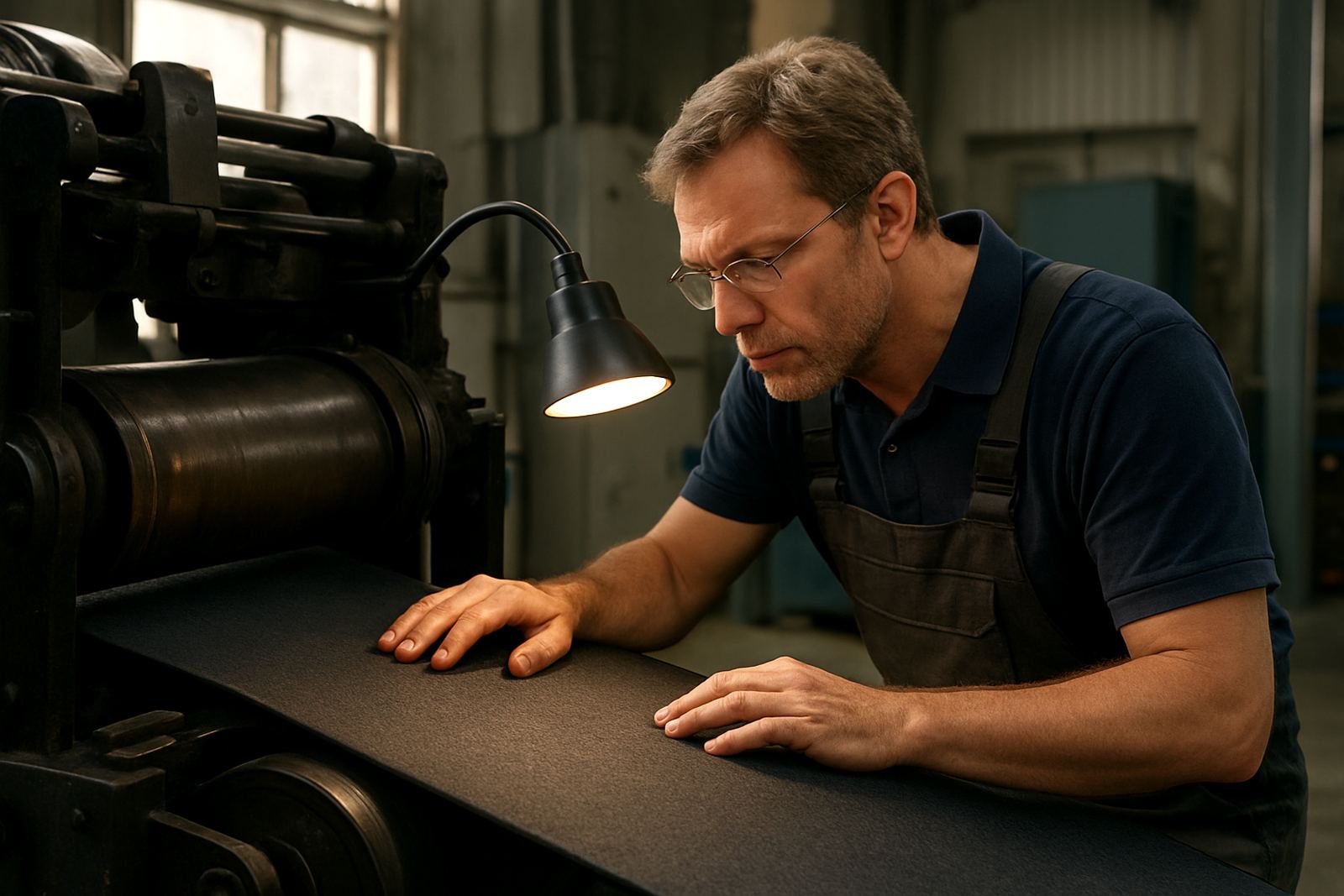
The aim is practical. We look at the plate condition, chemistry balance, blanket performance, dampening settings and the first printed sheets. That means less paper lost to over-inking, scumming, dirty background, tint variation and image build-up. It also helps when the press has been stopped and restarted more than once in a day.
- Plate to press alignment checks
- First-sheet colour and density control
- Blanket condition assessment
- Processor and chemistry review
- Pressroom startup guidance for the crew
What is included in the startup visit
Each visit is tailored to the machine, substrate and job type. We can assist on sheetfed offset lines, short-run packaging work, commercial print and finishing-linked jobs where plate condition and colour stability matter. If the job is running on coated board, uncoated stock, lightweight paper or mixed substrates, the settings will not be the same, so we adjust for the actual production run.
Typical support includes checking plate handling, confirming plate fit and registration, reviewing fountain solution strength and pH, and watching for wear on blankets and rollers. Where there is history of poor startup, we also look at housekeeping around wash-up cycles and how often plates are being changed or re-used. A small fault at startup can cost a full pallet of paper by lunch time.
- Plate reading and visual inspection
- Colour stability checks across the first sheets
- Wash programme review for blankets and rollers
- Production troubleshooting during the first run
- Handling advice to reduce plate damage
We keep the advice direct and practical, with clear next steps for your press team.
Startup process from call-out to sign-off
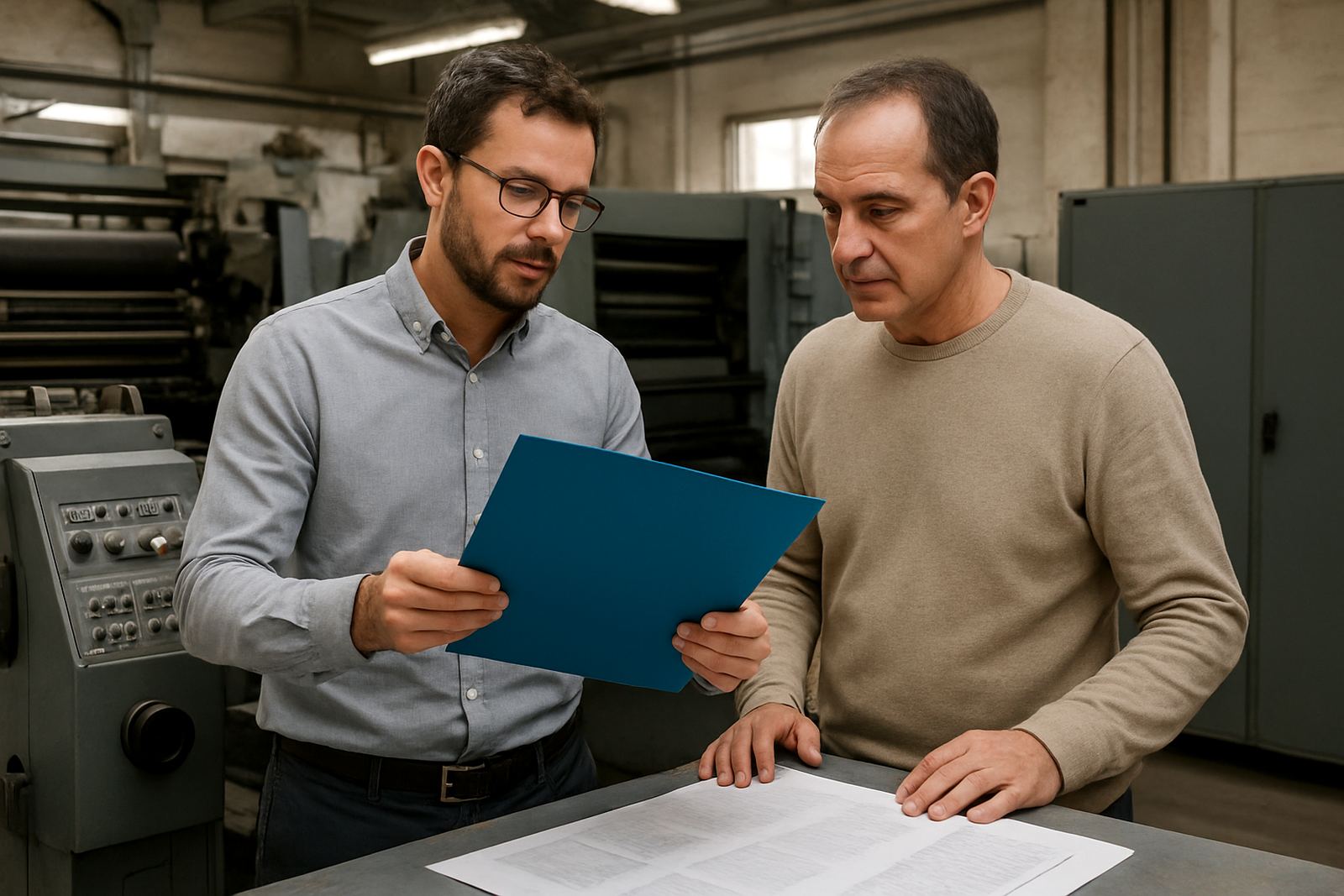
Most calls begin with a short job summary, press model details, stock type and the problem you are seeing. From there we plan the visit and arrive with the right consumables and test tools. If plates, chemistry or blankets are needed urgently, we can coordinate supply alongside the support visit.
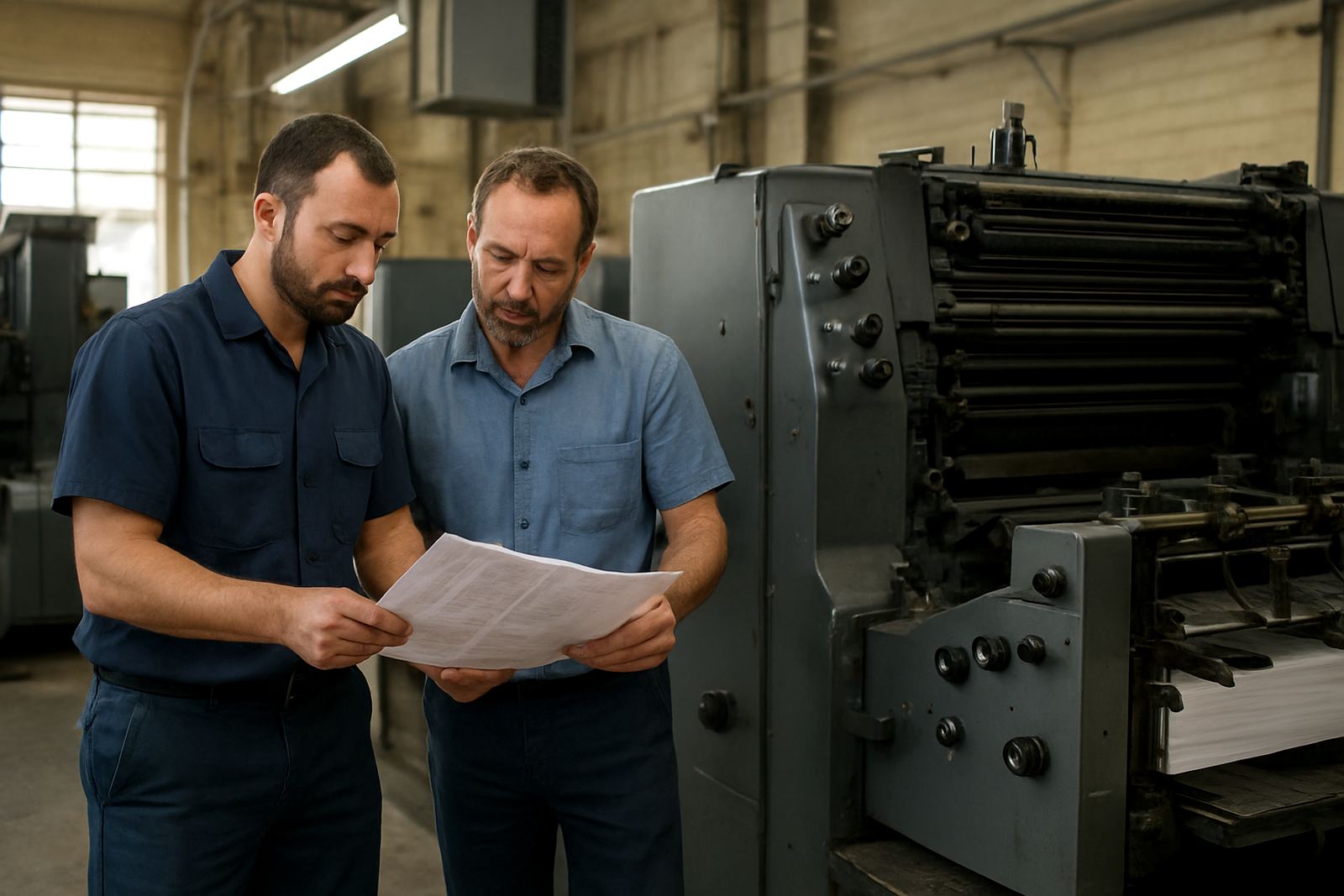
The process is straightforward: assess the issue, set the baseline, run startup checks, watch the first sheets, then make the final adjustments needed for stable output. Where a job has multiple forms or longish runs, we note the settings that held best so the next shift can repeat them. That saves time and keeps the colour closer across the run.
- Step 1: job brief and machine details
- Step 2: arrival and pressroom assessment
- Step 3: startup settings and sheet checks
- Step 4: adjustment, sign-off and handover notes
How startup visits are scheduled
Scheduling depends on location, job urgency and the press condition. Johannesburg and nearby sites are the easiest to fit in, especially when the startup is booked ahead of a planned run. For other provinces, lead time is set around the route, the urgency of the job and whether supply items need to travel with the technician or support lead.
Help for urgent production issues may be available in and around the West Rand, north of Johannesburg and the East Rand, subject to workload and access. For planned startups, we prefer some advance notice so the team can prepare the pressroom, confirm stock and reduce stoppages. Extra preparation before kickoff often prevents bigger losses later.
If your factory runs night shifts or weekend work, we can plan the visit to fit those hours better. It helps to work around the times your crew can hold steady press speed without interruptions.
Pricing approach for startup support
Pricing is quoted according to the number of presses involved, the travel distance, the time on site and whether consumables are included. Rates vary, because a quick startup check on one press is very different from a full-day intervention on a plant with repeated colour drift and blanket wear.
Where possible, we price the job after a short technical discussion so you know whether the visit is best treated as a call-out, half-day support or full-day startup supervision. If plates, chemistry or blankets are being supplied at the same time, those items are quoted separately. That keeps the numbers clean and helps the production manager track actual consumable spend.
For regular clients we can also help plan startup support into a monthly or weekly service pattern, which is often cheaper than repeated emergency call-outs after spoilage has already started.
Maintenance intervals that keep startup easier
The best startup is one supported by good upkeep. If the processor is out of balance, the blanket is worn or the wash programme is too aggressive, the first sheets will tell you immediately. For that reason we normally recommend a simple maintenance rhythm rather than waiting for a failure.
As a guide, pressroom checks should happen before every major run, with chemistry review weekly and blanket assessment at least every month on active lines. Plates and handling tools should be inspected whenever registration or image sharpness starts to slip. In busy plants, a quarterly technical review helps catch small faults before they turn into overtime and waste.
- Daily: basic pressroom clean-down and startup checks
- Weekly: chemistry balancing and dampening review
- Monthly: blanket assessment and wear inspection
- Quarterly: process review and production troubleshooting
These intervals are a practical starting point and can be tightened for high-volume work or humid conditions.
Startup Support For South African Printers
Clients call us when they need calm, practical assistance from people who know the print floor. We work with Mandla Johannes Mokoena and the wider team at LithoPrinting Plates, including national sales, technical support, operations and logistics, so supply and support can be handled together instead of as separate problems. With a job queued and the press idle, every minute of delay costs money.
We understand the pressure of live production. The point is not to talk theory, it is to get the first sheets stable, keep waste under control and help the press team leave the machine in a better condition than it was found. If there is a small typo in a handover note, the crew still knows what to do next, and that is what counts.
For press startup help, send a message through our contact form with your machine details, location, stock type and the issue you want corrected.
Key facts
| Service type | On-site press startup help for offset and related print runs |
|---|---|
| Coverage | Industria West, Johannesburg and nationwide support |
| Booking | Arranged around your startup date, in Gauteng and nationwide |
| Included checks | Plates, chemistry, blankets, first-sheet colour and registration |
| Maintenance interval guide | Daily, weekly, monthly and quarterly options |
| Contact | Contact form |