When blanket wear starts affecting print quality
Blankets take a beating long before operators see a full failure. Glazing, swelling, pinching, edge damage and surface contamination can all show up as loss of detail, mottled solids, dirty back-up and poor sheet release. In high volume work, the signs often creep in over a few shifts, so a quick visual check is not enough.
Our blanket assessment looks at how the blanket is performing under real press conditions. We check impression pressure, packing build-up, blanket compression, wash resistance and whether the blanket is still transferring cleanly at the required speed. For Gauteng printers working long runs and quick turnarounds, that early warning can save a lot of scrap and down time.
- Transfer issues on solid areas and fine screen work
- Blanket swelling from solvent, wash-up or ink build-up
- Edge damage from grippers, plates or poor packing
- Premature wear from over pressure or uneven cylinder setting
What the blanket assessment includes
We assess the blanket condition against the press, the stock and the job history, not just against a general rule. A blanket that is still usable on coated work may already be out of tolerance on fine detail or uncoated stock, so the application matters. Our team checks both the visible surface and the way the blanket behaves during make ready and production.
The service can be carried out on site in Industria West, Roodepoort, Randburg, Midrand, Germiston and Pretoria, or arranged as part of a broader production visit. We also support operations outside Gauteng with telephone guidance and supply planning if a physical visit is not practical.
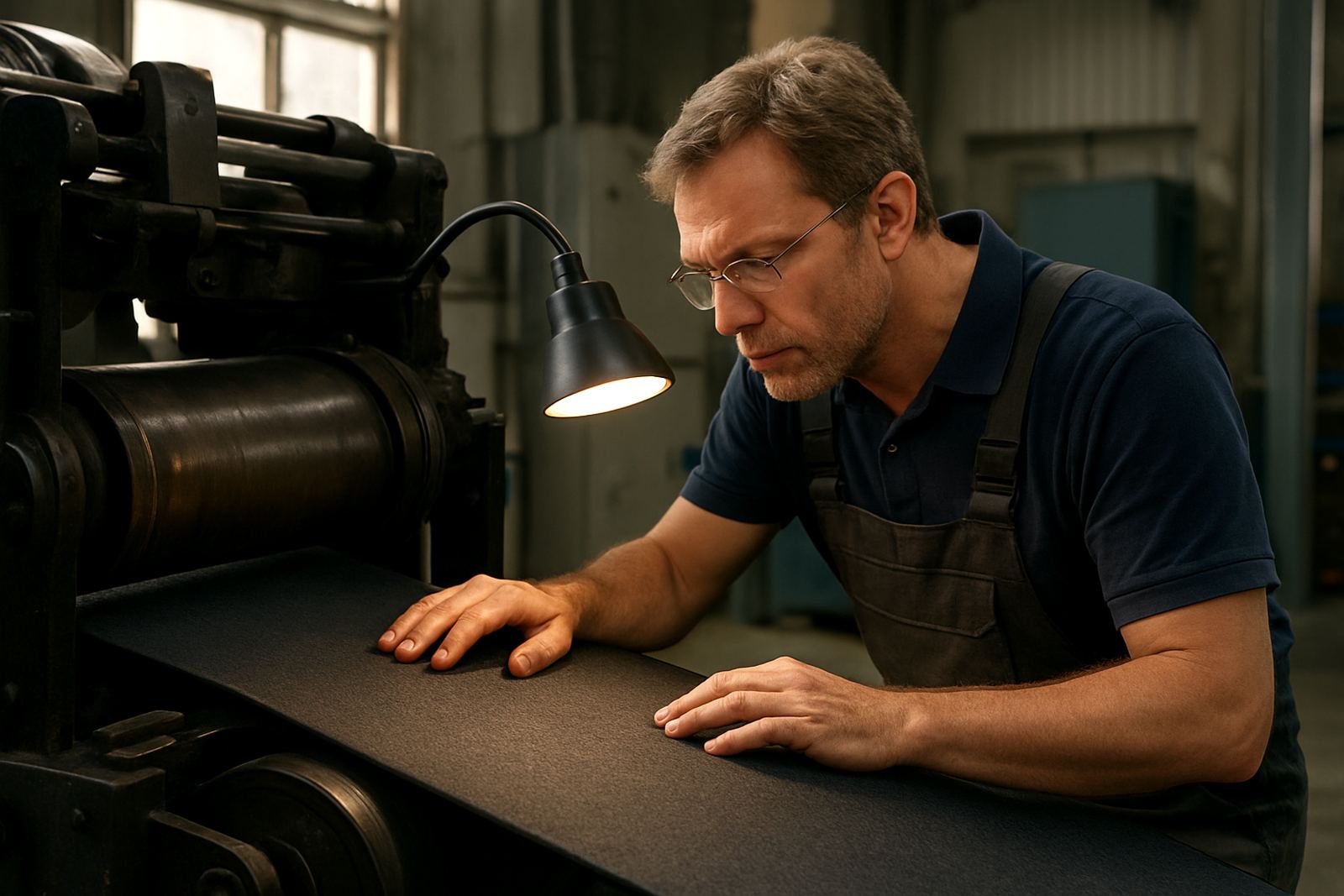
- Surface inspection for glazing, cuts, pitting and contamination
- Assessment of packing, tension and cylinder contact
- Transfer review for solids, half tones and fine reverse areas
- Replacement timing advice based on wear rate and job mix
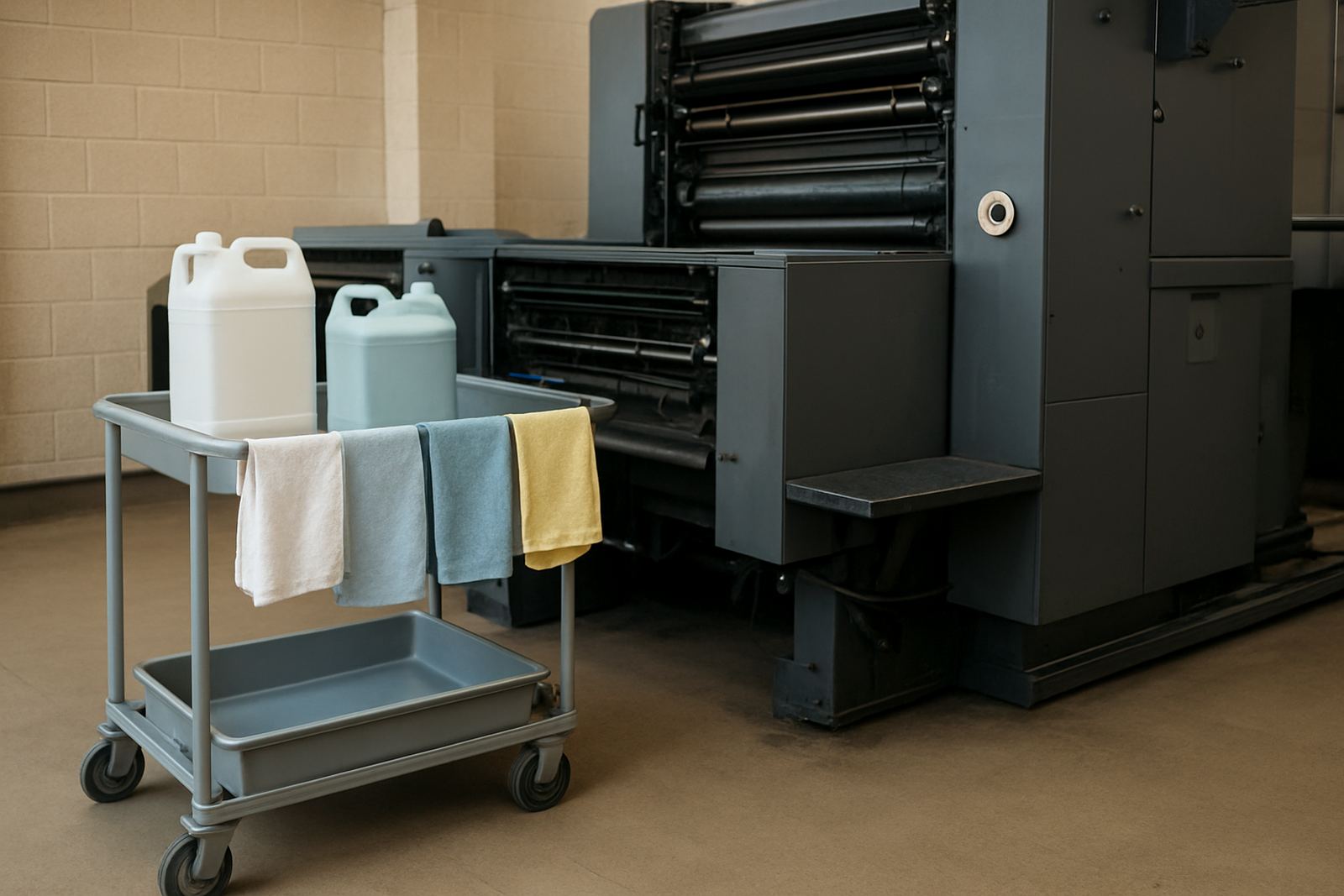
- Notes on wash programme and chemical compatibility
Our step by step assessment process
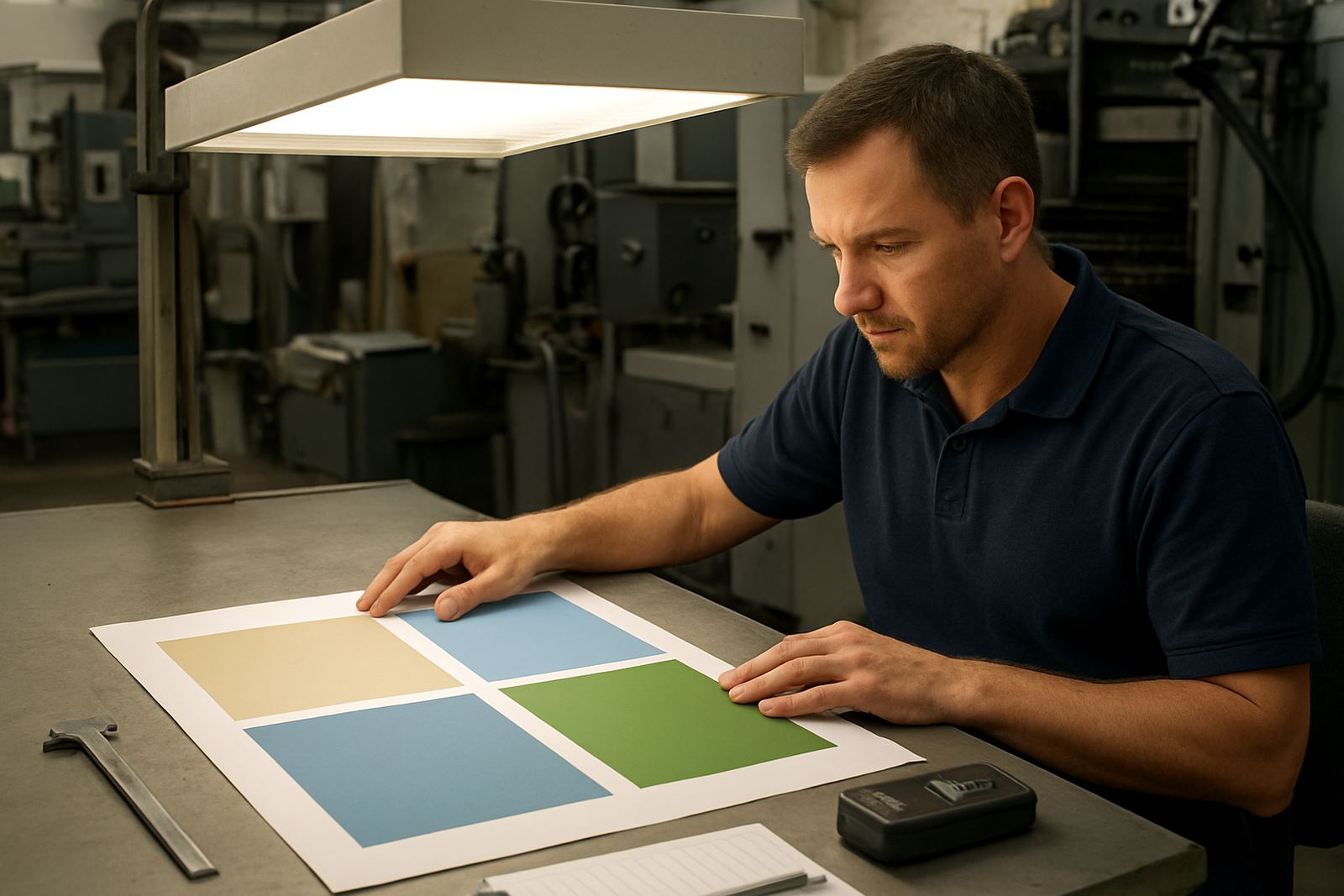
The assessment ends with a clear decision your team can act on. First we review the press type, blanket specification and recent problems such as ghosting, hickies, poor ink laydown or set-off. Then we inspect the blanket under proper light, check the pressure marks and compare the print result to what the job needs.
If required, we will also look at the plate condition, wash routine and blanket cylinder settings, because a blanket problem is often linked to another part of the system. Where the issue is recurring, we recommend small adjustments that can be done by the crew or by a technician during the next service visit. It is proper hands on support, not just a quick opinion.
- Record the press type, blanket age and job symptoms
- Inspect the blanket surface and cylinder contact points
- Check packing, pressure and print transfer quality
- Confirm whether cleaning, reset or replacement is due
- Provide clear recommendations and next steps
How we schedule visits
Visits are booked once we have the press details, the symptoms and the times your line can be stopped for a proper check. Where a site visit is not needed, we can talk through the symptoms and guide your team on what to check before the next run. For urgent production issues, we prioritise jobs where blanket wear is affecting live customer deadlines.
Visit length also depends on whether the job needs a single blanket check, a full press review or follow up after replacement. We always try to keep stoppages short, because a press sitting idle for a blanket issue can ripple through finishing, despatch and delivery. In busy periods we will set a clear time window upfront, so your schedule stays realistic.
- Johannesburg City West and surrounding areas: booked around your shift pattern
- Other Gauteng areas: grouped with planned route days
- Nationwide support: scheduled by route, job urgency and access
- Emergency production calls: handled where press downtime is critical
Pricing approach that fits plant maintenance budgets
Blanket assessment pricing is based on the scope of the visit, the number of presses, access to the machine and whether testing or follow up is needed. We do not push blanket replacement unless the inspection supports it. If the blanket can still give useful life with a cleaner wash routine or corrected packing, we will say so.
For regular customers we can quote per visit, per press or as part of a planned maintenance cycle. That helps production managers budget for the month instead of reacting to surprise failures. If there are multiple presses in the same plant, it often works out better to group them into one call-out. This saves on travel and keeps the line moving, which is what matters most.
How often blankets should be checked and changed
Maintenance intervals depend on run length, ink type, solvent exposure and stock grades, but most operations should inspect blanket condition weekly and after any major make ready issue. In high traffic plants, especially where shifts run long or cleaning is frequent, a monthly formal assessment is a sensible baseline. Humidity can also affect storage and blanket surface condition if the material sits unused for too long.
Replacement timing is usually driven by print symptoms rather than the calendar alone. If you start seeing loss of transfer, repeated marking, swelling that returns after cleaning or a surface that will not recover, the blanket is probably at end of life. We help crews track those signs so they can plan replacement before quality drops and waste climbs.
- Weekly visual checks by the press crew
- Monthly formal assessment for active production lines
- After wash-up issues, chemical changes or press repairs
- Immediate review if solids, reverses or fine text begin to break up
Key facts
| Service area | Johannesburg City West and nationwide |
|---|---|
| Base | Industria West, Johannesburg |
| Primary use | Offset and flexo blanket condition assessment |
| Typical check points | Wear, transfer quality, pressure, packing and wash resistance |
| Booking | Set with your team around press downtime, in Gauteng and nationwide |
| Contact | Contact form | Mandla Johannes Mokoena and the team |