What our wash programmes cover on press
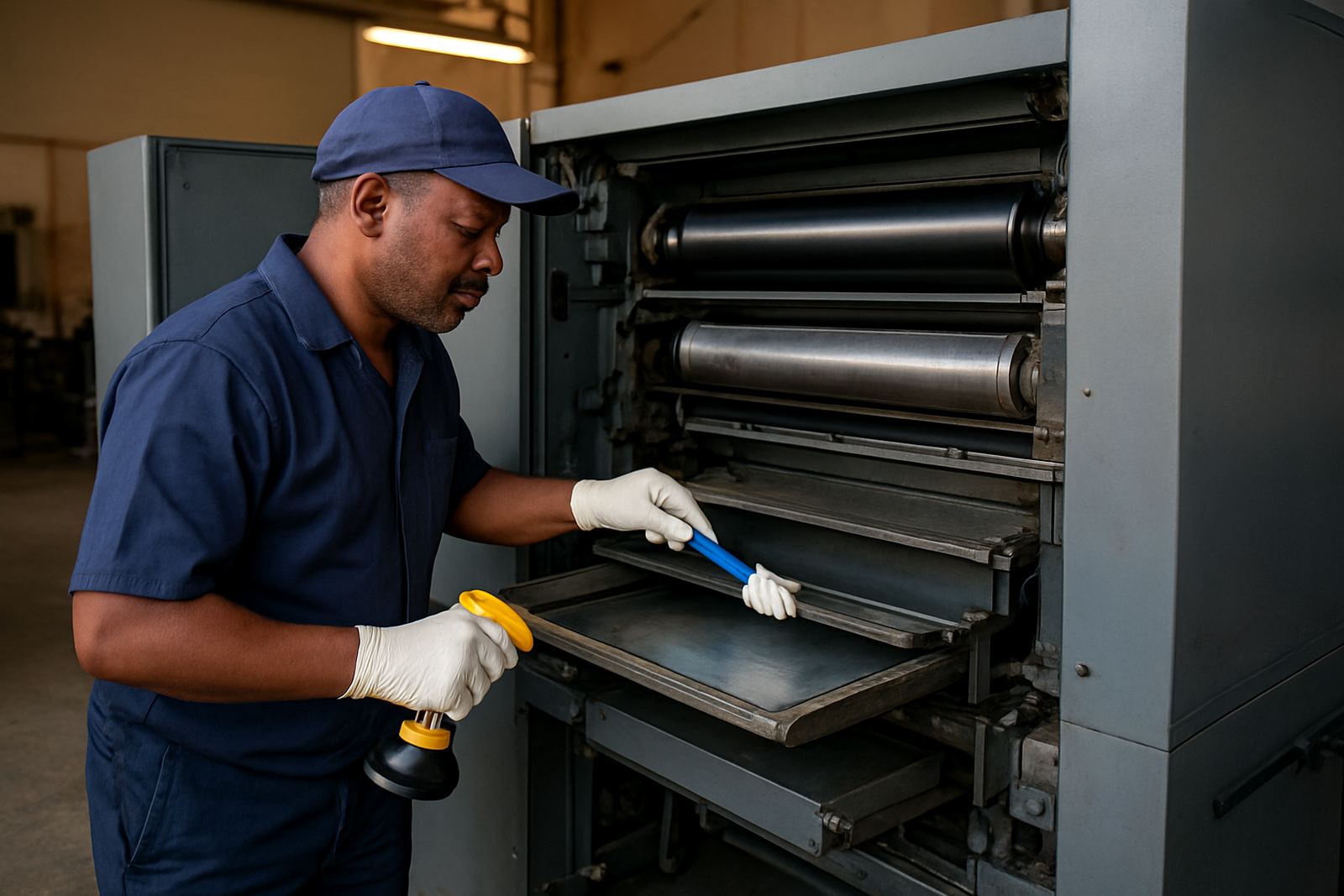
Wash programmes are planned cleaning routines for offset and related press equipment, built around the way your plant actually runs. We focus on rollers, blankets and selected press components that affect ink transfer, set-off, mottling and colour drift. In practical terms, that means the parts that pick up dust, dried ink, paper coating and chemistry residue during day-to-day production.
Each programme is matched to the machine condition, the type of work you print and the demands of your finishing line. If you run short turnaround commercial jobs in Johannesburg, longer packaging runs in Germiston, or mixed production from Pretoria to the West Rand, the schedule needs to suit the site not a generic checklist.
- Roller cleaning support for ink, varnish and paper lint build-up
- Blanket cleaning routines to reduce scumming, set-off and ghosting
- Selected component cleaning for areas affected by overspray and residue
- Washing plans suited to sheetfed, flexo and finishing environments
- Intervals that account for shift work and weekend production
We also take into account local conditions. Dust in industrial areas, summer humidity, and frequent start-stop running can all change how often cleaning is needed. A press in Industria West will not behave exactly like one running near the harbour in Durban, so the programme must be set accordingly.
How we set the cleaning interval
Wash intervals differ from plant to plant. We set maintenance intervals after looking at the press type, ink systems, substrate range and the number of impressions between stops. For busy plants, daily cleaning may be needed on selected components, with deeper weekly and monthly wash cycles for blankets and rollers. For lighter duty lines, the same equipment may only need a stricter planned check every few shifts.
The aim is to stop contamination before it affects the next job. If rollers are not cleaned often enough, ink build-up can change density and make colour matching difficult. If blankets are not assessed regularly, the press can start showing marking, stripping or reduced transfer quality. Small faults become expensive when they affect 10,000 sheets instead of 500.
- Daily wipe-downs and spot cleaning for high-contact areas
- Weekly blanket checks where job changes are frequent
- Fortnightly or monthly deep cleaning on busier presses
- Planned review after long idle periods
- Adjustment after substrate or ink changes
We keep the schedule practical. If your team is already stretched, the programme should fit the shift and not slow production more than needed. That usually means short, regular cleaning actions with one deeper service window built into the month.
What is included in the service visit
A wash programme visit is more than a quick clean and leave. We check the press condition, identify where residue is building up, and set a repeatable routine that operators can follow. Where needed, we include cleaning guidance for chemistry-sensitive areas, blanket surfaces and rollers that must stay within working tolerances.
Depending on the press and production setup, the service can include inspection, cleaning product guidance, operator instruction and a written schedule for follow-up. If wear or contamination is already affecting print quality, we can also advise on related support such as blanket assessment or production troubleshooting.
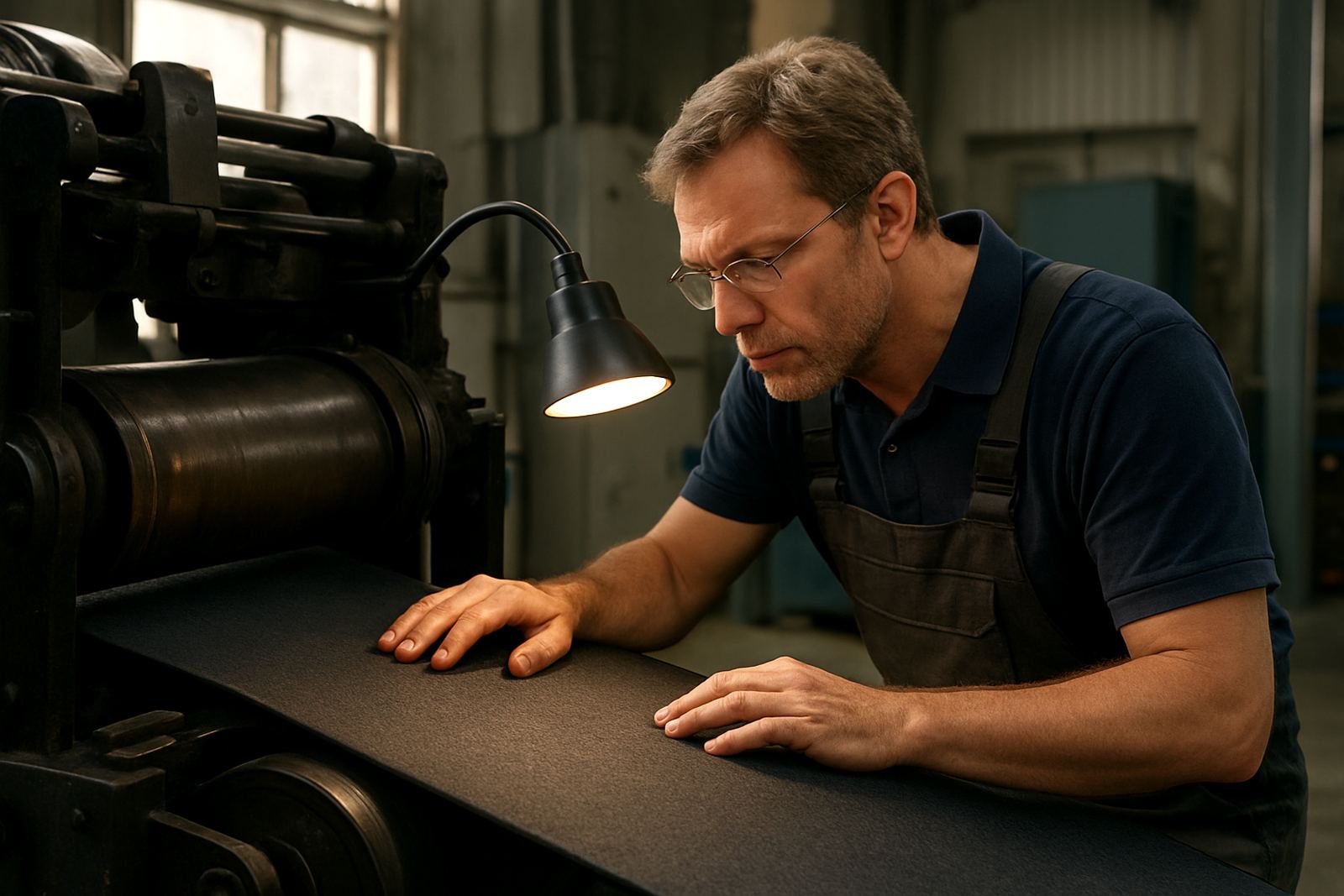
- Visual assessment of rollers, blankets and related press areas
- Cleaning sequence recommendation for safe routine use
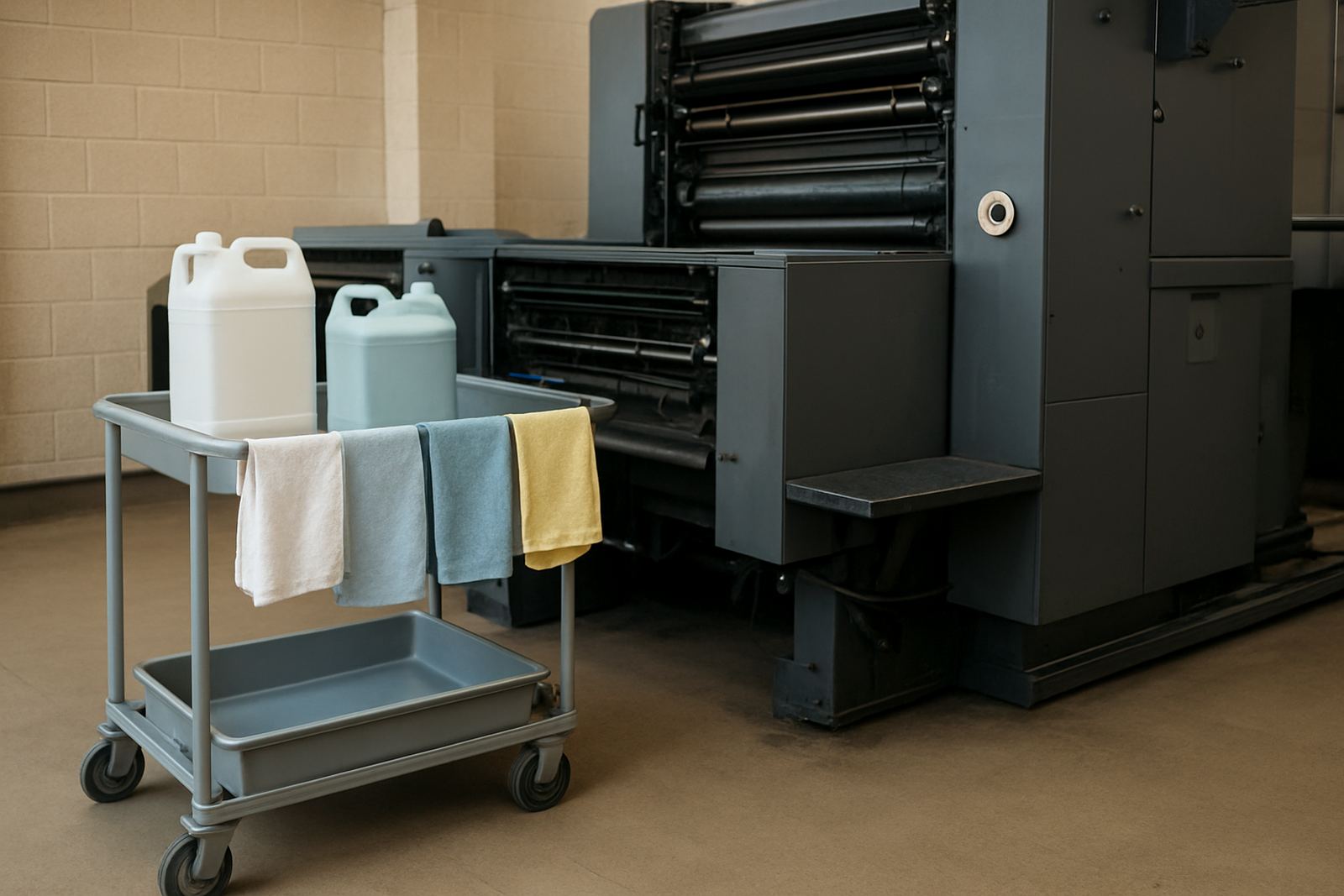
- Selection guidance for wash products suited to your process
- Operator notes for shift handover and production records
- Advice on safety, ventilation and waste handling on site
In plants where chemistry balance and wash routines affect each other, we align the programme with the broader press room plan. This helps reduce unnecessary wash cycles and cuts down on wasted consumables, which matters when margins are tight and rand values add up quickly.
Our process from inspection to sign-off
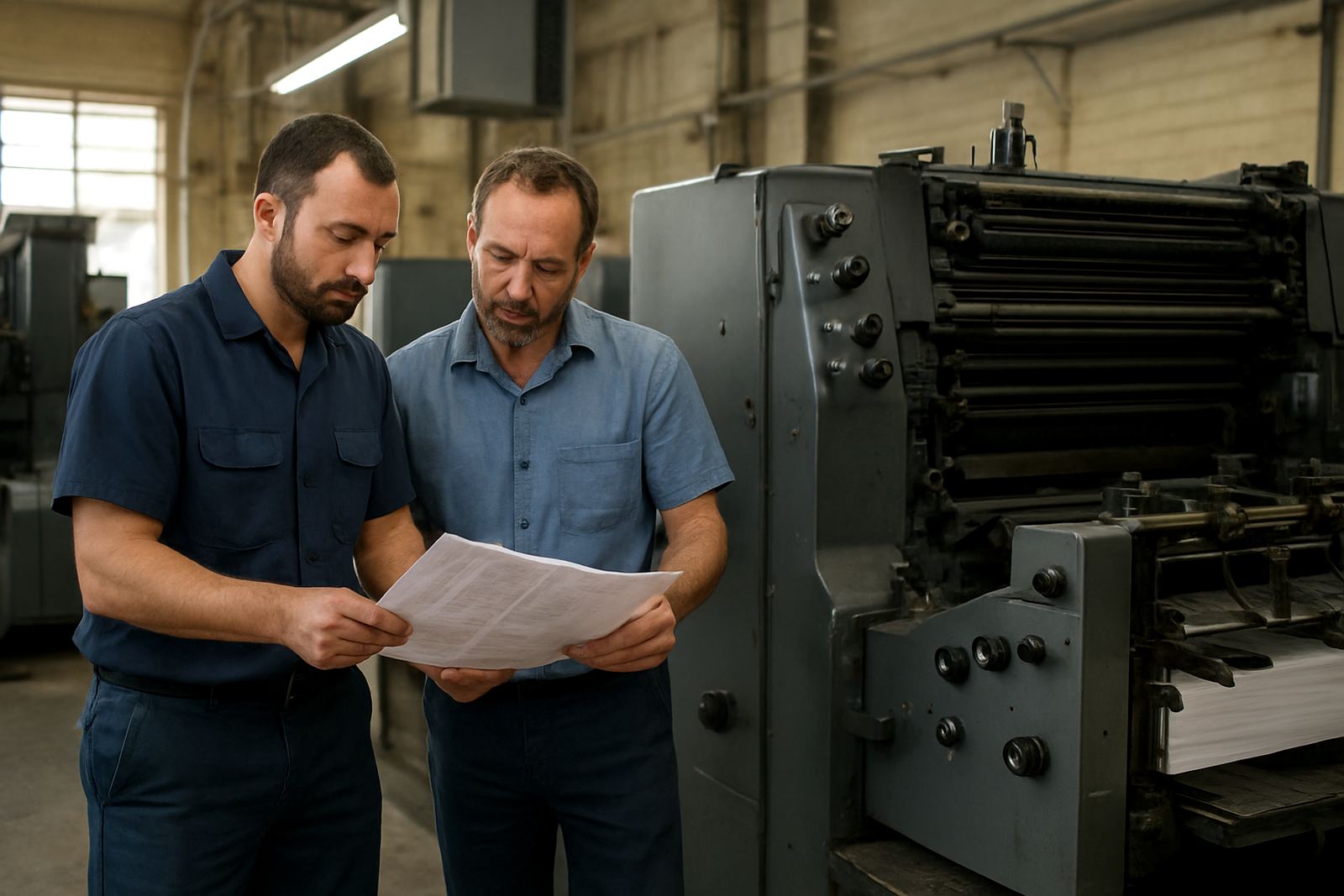
We keep the process straightforward so your team knows what happens, when it happens and who is responsible. The first step is to understand the current faults or cleaning gaps. After that, we build a routine that can be used by operators, supervisors and maintenance staff without confusion.
The process usually starts with a site discussion by phone or on location. From there we confirm press type, work pattern and cleaning concerns. Once the programme is set, we advise on timing, intervals and the parts that need closer attention. If necessary, we also train operators on handling, wipe-down methods and when to call for support rather than forcing a press to run through a dirty condition.
- Assess the press condition and current cleaning routine
- Identify the rollers, blankets and components that need scheduled attention
- Set the wash interval and product approach
- Brief the team on the routine and sign-off points
- Review results after the first run cycle and adjust where needed
In many plants, the best results come from a short review after the first two or three weeks. That lets us refine the routine before small issues turn into repeat downtime.
Booking, support and local visits
Planning time grows with the machine count and the depth of review. For customers in Johannesburg City West, Roodepoort, Randburg, Midrand, Germiston and Pretoria, we can schedule support around operating hours and production deadlines. For other areas nationwide, we coordinate remotely and support the team with clear instructions and supply planning.
Where a plant is facing pressure from missed maintenance or a sudden change in job mix, we prioritise the parts most likely to affect print quality first. That might mean a roller and blanket review before the next shift, followed by a fuller site plan later in the week.
- Support for urgent print quality problems
- Planned support around day shift, night shift or weekend work
- Remote follow-up for plants outside Gauteng
- Practical recommendations for busy production floors
If your machine room has tight access or limited cleaning windows, tell us upfront. We can plan the work so it causes the least disruption possible, which is especially useful during month-end pressure or seasonal peaks.
Pricing approach and maintenance planning
Our pricing is based on the scope of the wash programme, the number of presses or lines involved, the condition of the equipment and the frequency of review. Plants that need a basic scheduled routine will be priced differently from those that need corrective support and operator retraining. We keep pricing clear so you can budget for maintenance without guessing what the next visit will cost.
For most customers, the most cost-effective route is a planned maintenance cycle rather than waiting for contamination to cause rejected sheets or press stoppages. A regular programme usually reduces emergency callouts, protects consumables and gives more predictable output. That predictability matters when paper, labour and energy costs are all climbing.
- Monthly or quarterly maintenance planning available
- Pricing linked to machine count and service depth
- Options for routine support or corrective clean-up work
- Consumable advice to reduce wasted wash product
We can also tie wash planning into your broader press room schedule, including chemistry balancing, blanket assessment and production troubleshooting. That gives you one maintenance pattern instead of separate, competing routines.
LithoPrinting Plates service across South Africa
LithoPrinting Plates supplies the printing trade from Industria West, Johannesburg, with service across South Africa. Our team understands the pressure of keeping presses productive when deadlines are tight and spare time is limited. The wash programme approach is practical, measured and aimed at steady output rather than gimmicks.
You will deal with a team that knows the line between routine cleaning and real process control. That includes Mandla Johannes Mokoena, Preshanthi Chetty, Willem van der Merwe, Thandiwe Khumalo, Jason Petersen and Dineo Seabi, each focused on keeping supply and support moving.
If your rollers are loading up too fast, blankets are marking, or you are losing colour stability after repeat runs, a planned wash programme is usually the right starting point. It gives your operators a clear method, your supervisors a clear interval, and your customer a cleaner print result.
Key facts
| Service type | Wash programmes for rollers, blankets and selected press components |
|---|---|
| Coverage | Johannesburg City West, Gauteng and nationwide support |
| Typical intervals | Set by run hours, from daily to monthly |
| Equipment focus | Offset presses, flexo lines and print finishing areas |
| Areas visited | Industria West, Roodepoort, Randburg, Midrand, Germiston, Pretoria |
| Contact | Contact form |