Choosing the right plate for the job
Plate selection starts with the press sheet size, the image area and the expected run length. A short local brochure for a Sandton agency does not need the same plate specification as a long run catalogue going out from Germiston to multiple sites. We look at the substrate, the ink system, the dampening setup and whether the work is straight offset, flexo, or a mixed finishing job that needs stable register from first sheet to last.
For most South African print rooms, the main choice is between conventional plates, process-free options, and higher run plates for heavier duty work. We also check exposure conditions, plate storage and how the plate behaves in heat, humidity and downtime between jobs. If the plate sits too long before use or is handled badly, you lose time on press and the waste piles up.
- Run length and reprint expectations
- Ink system and fountain solution compatibility
- Press speed, temperature and dampening control
- Storage conditions in Johannesburg and Pretoria plants
What our plate selection service includes
We do more than recommend a plate by name. The service is built around production reality, from the first plate to the last carton on the truck. Our team helps you match plate type to pressroom conditions, plate processor settings and the level of detail needed for fine text, solids and mid-tone work. If your operation is in Industria West, Roodepoort, Randburg or Midrand, we can work from your current workflow and identify where losses are happening.
- Plate type guidance for offset and related finishing work
- Advice on chemistry balance and processor settings
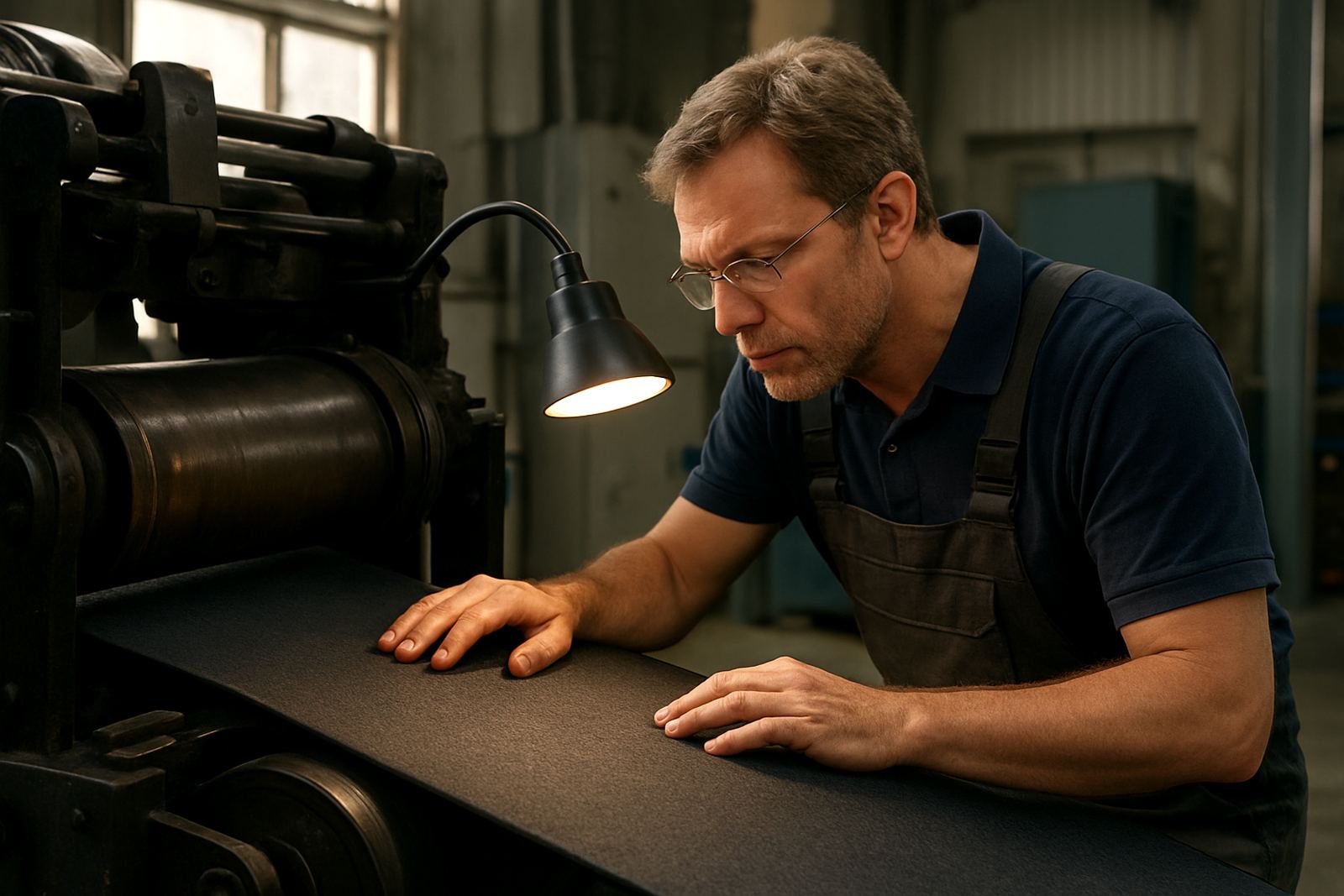
- Blanket and press start-up checks where plate performance is affected
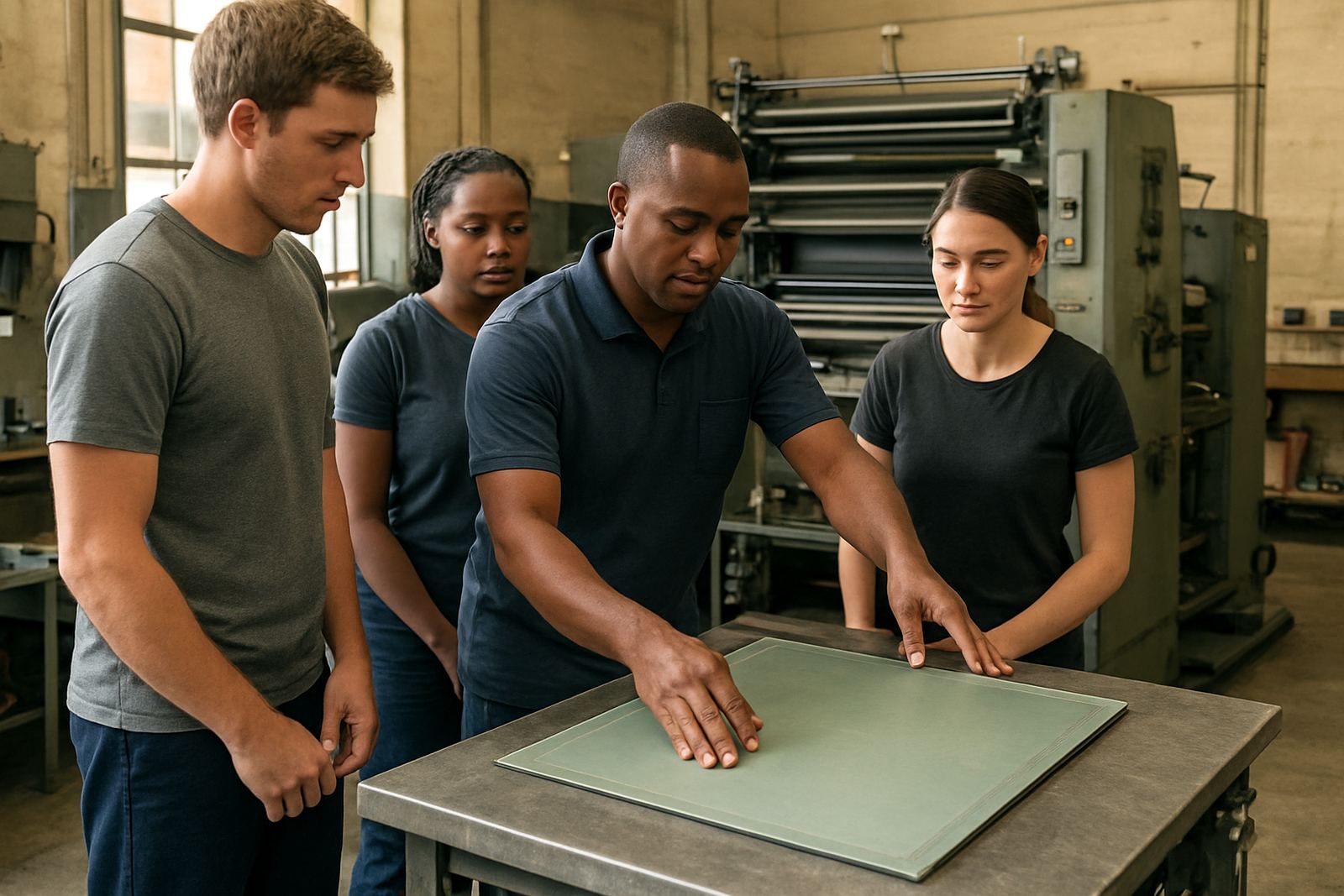
- Handling guidance to reduce scuffs, bends and premature spoilage
- Production troubleshooting when plates are not holding stable colour
We also help teams standardise stock keeping so the right plate thickness, size and coating specification is available when orders land. That matters when a machine stops unexpectedly or a rush job comes in after hours and the pressroom needs to recover quickly.
How we assess your production needs
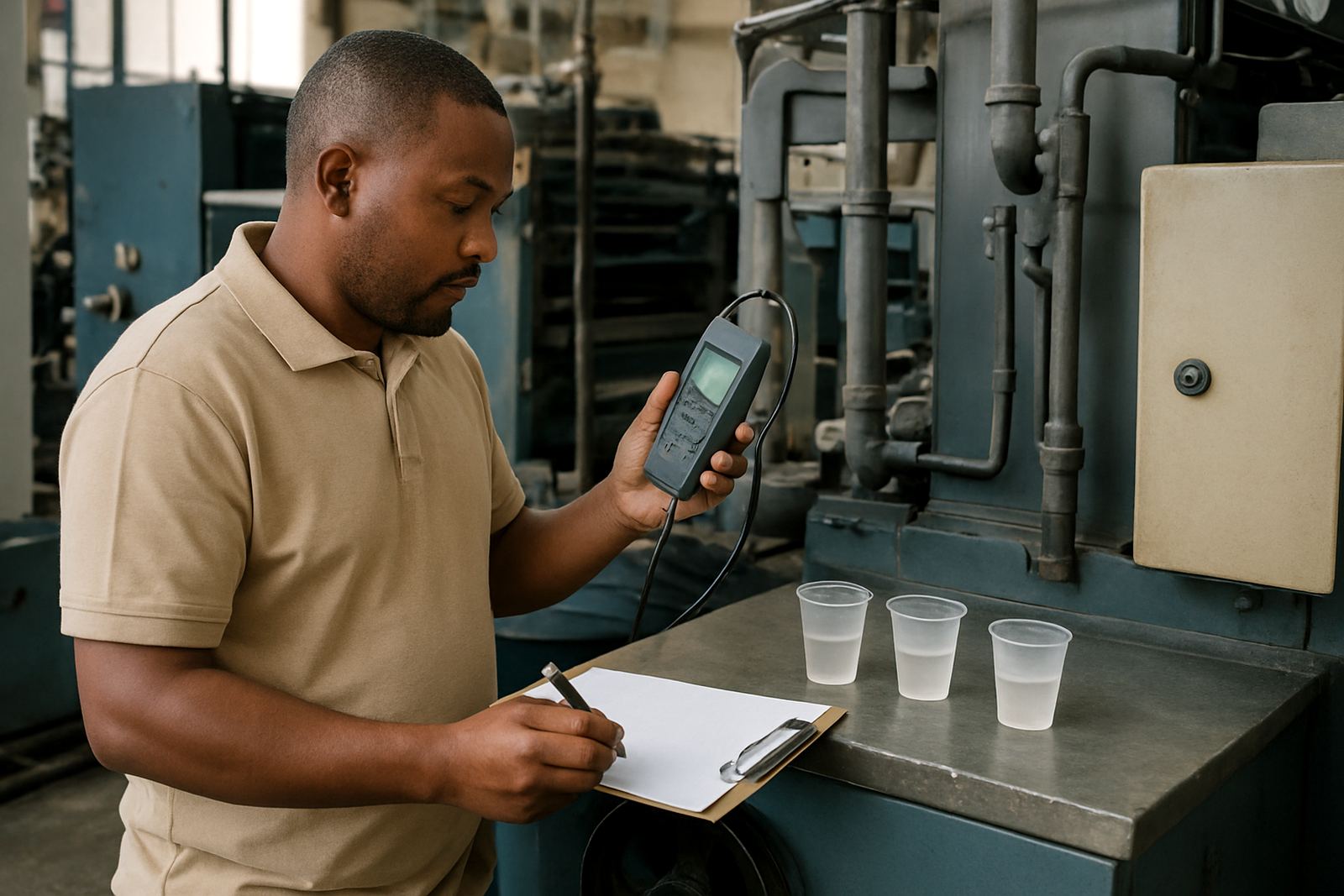
Every recommendation begins with a short fact find. We ask what you print, how often you print it, what press you run and where the bottleneck is. Some plants need better dot reproduction, others need stronger plate life, and some need cleaner start-up with less make-ready waste. In many cases the issue is not the plate alone, but the way the plate, chemistry and blanket are working together.
Our technical support lead reviews the following points before we suggest a plate grade or supply plan.
- Average run length and repeat order cycle
- Paper or board type, coating and ink laydown
- Plate storage space and handling route in the factory
- Processor condition, wash programme and chemical top-up routine
- Pressroom stability during shutdowns or weekend catch-up work
This approach helps you avoid over-specifying plates that cost more than needed, or under-specifying plates that shorten run life. It also lets us build a sensible supply plan for Johannesburg and nationwide deliveries, so the correct stock is available before production starts slipping.
Booking reviews and supply planning
For standard plate selection support, we review your press details and job profile before making a recommendation. For more detailed production reviews, especially where chemistry, blanket condition and processor servicing are part of the picture, allow a little longer so the recommendation is practical and not rushed. If an urgent run is due, we prioritise the critical points first and then follow up with the longer term advice.
Timing also hinges on whether you want a one-off recommendation or a standing supply plan. Some printers want support for a single job, while others want a monthly consumables schedule that keeps the store room balanced. When the forecast is accurate, you cut emergency buying and the press team can keep moving without chasing missing stock.
- Urgent pressroom issues flagged first when we book
- Standard plate advice with full job details
- Longer for site-based troubleshooting and supply audits
- Scheduled reviews available for regular production accounts
Pricing approach that suits real print rooms
We price plate selection support according to the level of involvement required. A straightforward recommendation based on run length and press type is handled differently from a full production review that includes chemistry balancing, processor checks and start-up support. That keeps costs fair for smaller print houses while giving larger operations the depth they need.
Where ongoing supply planning is involved, pricing may be linked to the monthly volume, number of presses and the frequency of technical visits. We will also flag any hidden costs early, such as extra handling, special-size plates or emergency dispatch. No one wants to discover a price change after the job is already on the truck and press time is booked.
For many customers the best value comes from a combination of plate selection advice and regular maintenance checks. It reduces waste, supports colour stability and avoids repeated guesswork in the pressroom.
Maintenance intervals and when to review your plate choice
Plate needs do not stay the same forever. A pressroom that starts with short promotional runs may later take on longer annual report work or heavier packaging jobs, and the plate spec needs to change with that. We recommend reviewing your plate selection at set intervals, especially where production volumes are rising or the team is seeing more downtime, scumming or poor image hold.
As a general guide, review plate performance every three to six months, or sooner if the press setup changes, the chemistry supplier changes, or the room conditions swing with summer humidity. Moisture in transit or storage can affect handling even when the pressroom itself is dry, so the review should include stock condition as well. If the plate processor is not serviced regularly, the issue may look like a plate problem when it is really a maintenance problem.
- Busy sites revisit plate choice each quarter or half-year
- Check sooner after new press installation or ink change
- Inspect stock conditions after heat, humidity or a long shutdown
- Include processor servicing and blanket assessment where relevant
Local support across Johannesburg and Pretoria
Being based in Industria West gives us practical access to Johannesburg, Roodepoort, Randburg, Midrand, Germiston and Pretoria. That helps when a plant needs advice, a supply check or a production call before the next shift starts. Local support matters because delays cost more than the plate itself, especially when delivery windows are tight and a press must keep feeding the finishing line.
Our team works with Mandla Johannes Mokoena, Preshanthi Chetty, Willem van der Merwe, Thandiwe Khumalo, Jason Petersen and Dineo Seabi to keep communication direct and useful. You get a clear answer, not a long sales story. If the recommendation is to change plate type, we will say why and what it means for run length, colour stability and handling on your floor.
For plate selection help, send a message through our contact form and include your press size, run length, ink system and any current problems. We can then point you toward the right specification and keep the supply plan realistic for your production schedule.
Key facts
| Primary use | Choosing plate type for offset, flexo and finishing-related production needs |
|---|---|
| Key inputs | Run length, ink system, press size, substrate, chemistry and storage conditions |
| What to send | Standard enquiries: send full job details |
| Review interval | Quarterly to twice a year, plus after any press or chemistry change |
| Service area | Johannesburg City West, Gauteng and nationwide supply |
| Base location | Industria West, Johannesburg |