Fault-finding on press, not guesswork
Production troubleshooting starts with a proper look at the symptom and the cause. We work through plate, chemistry and blanket issues that show up as scumming, toning, hickies, emulsion problems, slow clean-up, poor ink transfer, striping, colour drift, dirty backgrounds and unstable solids. Whether the job is offset sheetfed, web, flexo or finishing related, the aim is the same, isolate the fault and stop wasted paper and plate repeats.
Our support suits plants in Johannesburg, Roodepoort, Randburg, Midrand, Germiston, Pretoria and nationwide sites that need phone guidance or on-site help. We assist with CTP plate performance, developer strength, replenishment balance, gum protection, blanket condition, wash-up habits and press start-up setup. If the problem is recurring, we also check whether the issue is mechanical, consumable related or linked to operating practice. That saves time and helps your team avoid chasing the wrong fix.
- Plate marks, image loss and scumming checks
- Chemistry balance and replenishment review
- Blanket glazing, swelling and compression checks
- Colour stability and first-sheet consistency support
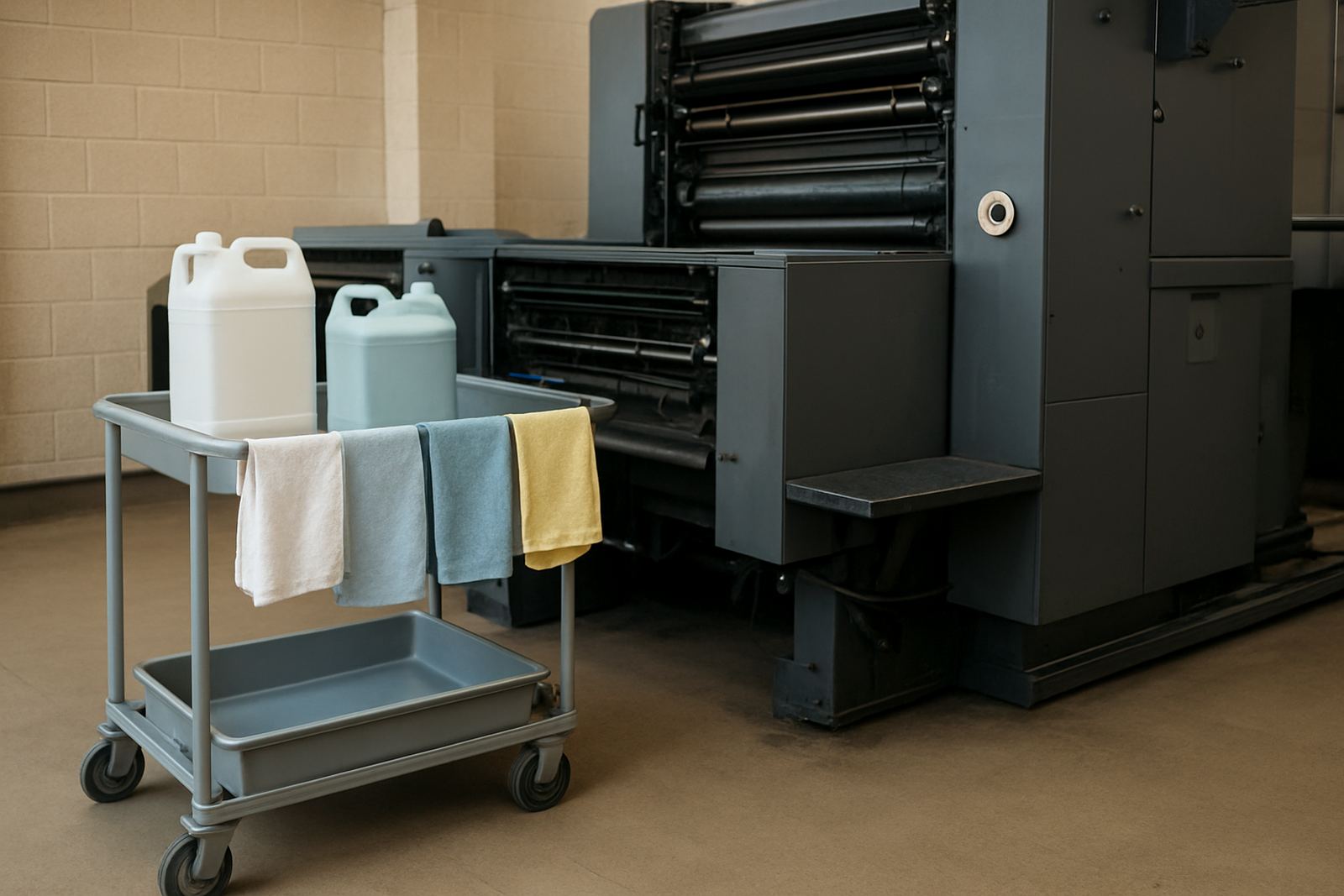
- Pressroom handling and wash-up practice assessment
What we inspect during a production call-out
A production visit is structured so nothing important gets missed. We usually begin with the job history, then look at the plate condition, processor settings, chemistry readings and the blanket surface. After that we review press speed, dampening, ink train behaviour, paper stock, temperature and humidity, because summer moisture and winter dryness can both affect print stability. Long idle periods can also upset processor temperatures and standby routines, so we take that into account when checking faults.
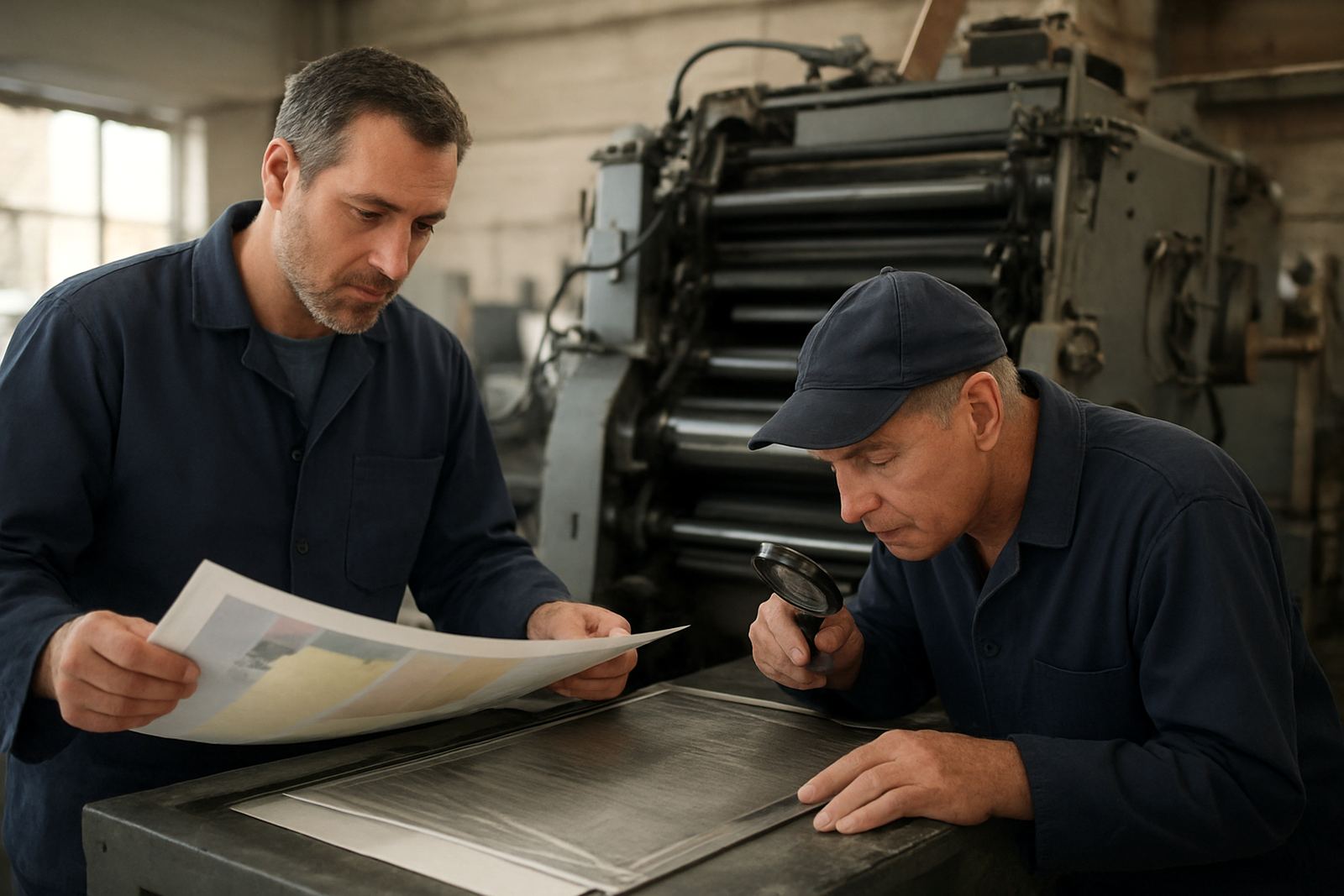
Typical checks include plate exposure quality, processor temperature, developer pH and conductivity where applicable, blanket packing, blanket pressure and surface wear. We also inspect wash settings, fountain solution strength, spray patterns and any signs of contamination. If the press is not holding colour, we look at ink-water balance, roller condition and whether the plate chemistry is leaving an uneven image. Small things matter here, and a missed setting can look like a major plate problem.
- CTP plate visual and process check
- Chemistry readings and bath condition review
- Blanket surface, packing and pressure check
- Ink-water balance and colour stability assessment
- Shutdown, restart and warm-up routine review
How the troubleshooting process runs
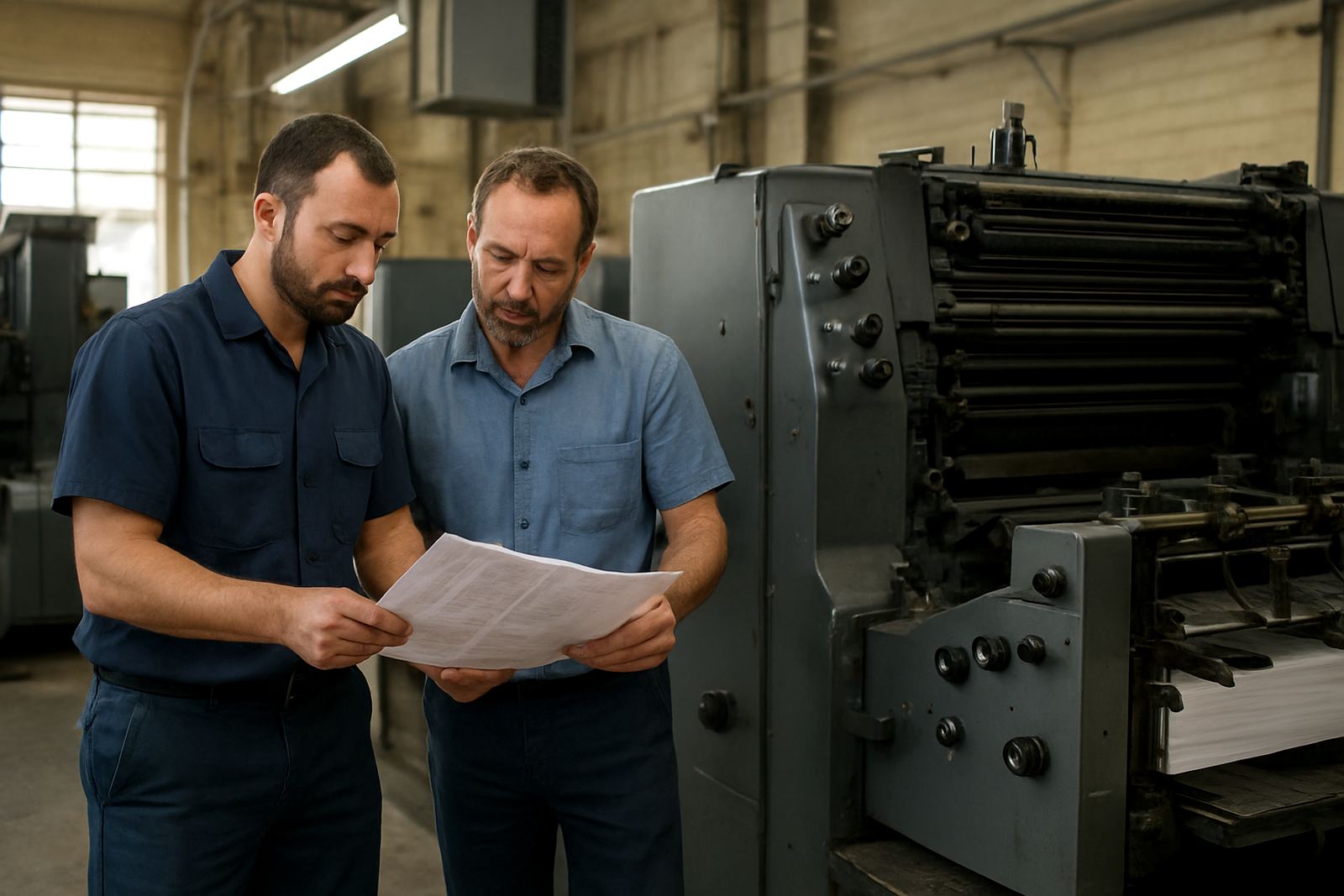
We keep the process practical. First you send a short fault summary with photos if possible, plus the press type, plate type, chemistry used and the exact issue on press. Then we advise whether the problem can be solved remotely or if a site visit is needed. For urgent production stops, we focus first on restoring usable output, then move into root-cause correction once the line is running again.
For site work, our technical team checks the machine, confirms the fault, and gives direct corrective steps. That may include adjusting chemistry, changing blanket condition, reviewing plate handling or changing wash programme timings. Where the issue is linked to repeat behaviour, we can recommend maintenance intervals and operating checks so the same fault does not return next week. The handover includes clear actions for your press crew and supervisors. no one should be left guessing at 2am after a stoppage.
- Step 1: fault summary and sample images
- Step 2: remote triage or call-out scheduling
- Step 3: inspection and readings on site
- Step 4: corrective action and restart support
- Step 5: follow-up checks and prevention plan
How urgent pressroom problems are booked
Call-outs are booked by site, fault type and stock availability, with urgent production faults flagged first. In the Johannesburg metro we assist with production troubleshooting where the schedule allows. For Pretoria, Midrand, Germiston and West Rand sites, we plan call-outs around print deadlines and transport access. For other areas, we work with couriered consumables and remote technical guidance to reduce downtime.
Where a problem is repeatable, we like to see a short run after the correction so we can confirm the result. Some faults clear in minutes. Others need a wash cycle, plate change or blanket replacement before the press settles. If the issue comes from worn rollers, poor solution control or a blanket past its service life, we will say so plainly instead of leaving the pressroom to struggle on. Speed matters, but a quick wrong fix usually costs more.
- Support subject to route and workload
- Remote triage before an on-site visit is booked
- Couriered consumables where stock is needed urgently
- Follow-up after restart to confirm print stability
Pricing that matches the work required
Our pricing approach is straightforward. Remote troubleshooting is usually charged as a support call or project based intervention, while site visits are priced according to travel, time and the scope of diagnosis. If replacement plates, chemistry, blankets or processor consumables are needed, those are quoted separately. We keep it clear so you can compare the cost of repair against the cost of lost production.
For high-use plants, we can also plan a support arrangement around monthly or quarterly checks. That works well where the same problem keeps returning due to press wear, changing stock or shift-level handling. Preventive attention usually costs less than a repeated shut-down, and in a busy print room the difference can be real. We will give honest guidance on whether a fault needs a quick correction or a larger maintenance budget.
- Remote support quoted by issue or time block
- Site visits priced by location and scope
- Consumables and replacement parts quoted separately
- Scheduled support plans available for regular users
Maintenance intervals that keep faults from returning
Good troubleshooting does not stop at the immediate fault. To keep presses steady, we recommend regular checks on plate production, chemistry balance and blanket condition. In many printrooms, weekly visual checks and monthly technical reviews are enough to catch drift early. Busy sites and long-shift plants may need more frequent monitoring, especially where heat, dust or humidity interrupt normal routines.
Typical intervals depend on output and stock. Chemistry may need daily checks, processor conditions weekly review, blankets monthly assessment and press start-up routines every shift. If your team uses multiple plate sizes or mixed production lines, the intervals should be tied to actual use, not only calendar dates. We can help set that schedule so it suits the floor and not just a theory.
- Daily chemistry and start-up checks
- Weekly print quality and blanket review
- Monthly technical inspection for regular users
- Quarterly support planning for busy plants
Key facts
| Coverage | Johannesburg City West and nationwide |
|---|---|
| Core focus | Plate, chemistry and blanket related print faults |
| Support types | Remote diagnosis, site visits, follow-up checks |
| Typical issues | Scumming, toning, colour drift, image loss, dirty backgrounds |
| Recommended checks | Daily, weekly, monthly and quarterly intervals |
| Base | Industria West, Johannesburg |