
What dampening covers do on press
Dampening covers sit on the dampening rollers and help transfer moisture evenly to the plate cylinder area. When the cover is the correct size and finish, the press can keep a more stable water balance through the run, especially on work where fine text, solid areas and colour consistency all matter. That matters in Johannesburg, Pretoria, Germiston and other busy production floors where changeovers are tight and downtime costs money.
These covers are used on offset presses where controlled dampening is needed for clean plate behaviour and steady ink and water interaction. In practical terms, the right cover supports smoother starts, fewer scumming issues and less operator intervention once the job is running. It is one of those parts that may look simple, but the wrong choice can show up quickly in waste sheets and wash-ups.
Cover types, sizes and finish options
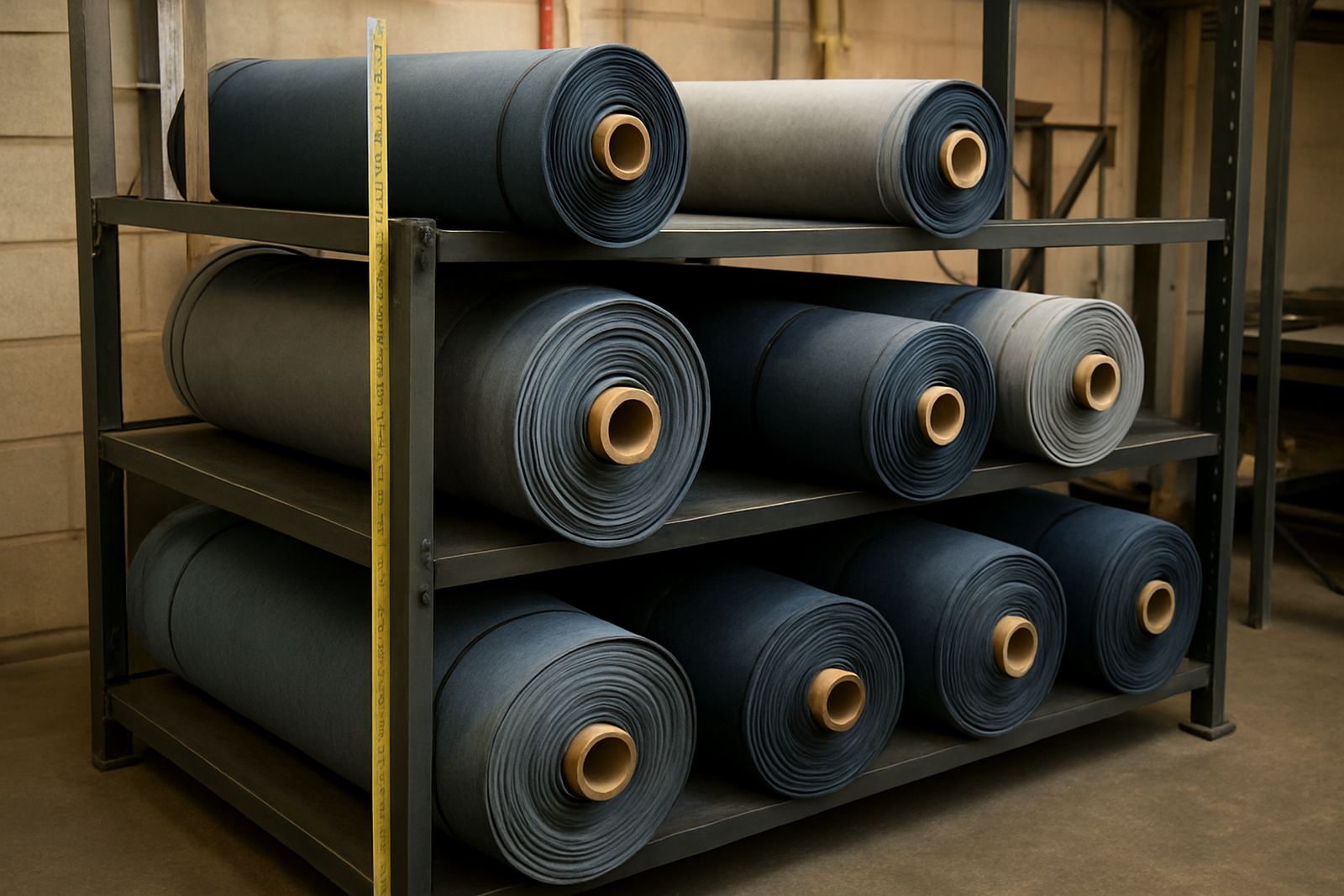
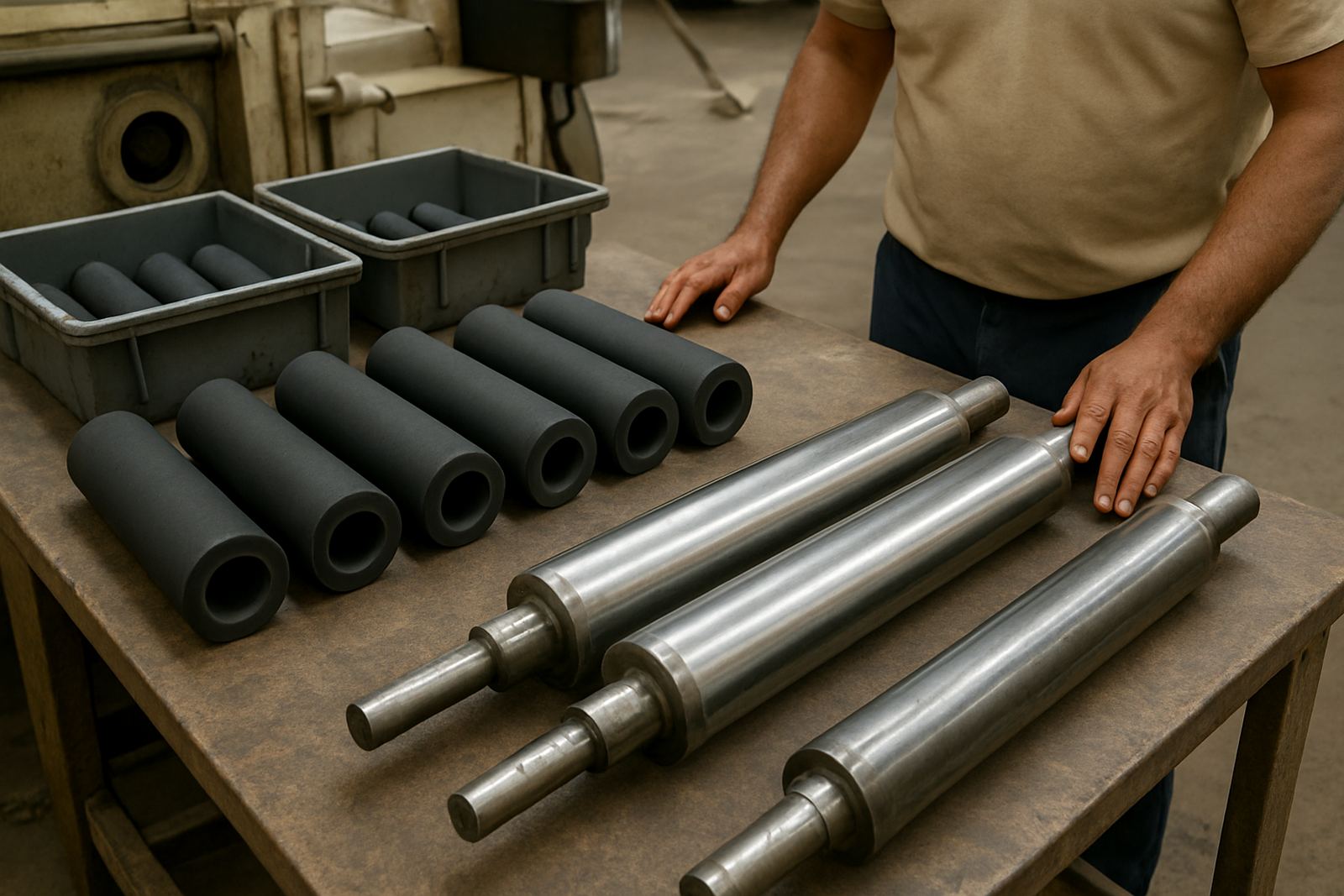
Dampening covers are supplied in sleeve or wrapped format depending on the roller setup and the press specification. Some presses need a plain cylindrical sleeve while others take a covered roller assembly with a bonded surface. The best option depends on roller diameter, face width, the dampening system in use, and whether the press runs short commercial jobs or longer production runs.
- Standard widths for common sheetfed and web setups
- Custom cut lengths for specific roller sets
- Plain, fine-textured or absorbent surface options
- Options for lower swelling in humid conditions
- Sizes matched to roller diameter and shaft tolerance
In humid plants, moisture control in the room can affect wear and grip. A cover that performs well in dry inland conditions may behave differently where humidity is higher, so matching the cover to the site conditions is worth doing properly.
Where dampening covers are used
These covers suit offset printing operations that need controlled dampening across a range of paper stocks, inks and production speeds. They are commonly used in commercial print, packaging support work, label related pressrooms and finishing lines where repeatable output is essential. If a site runs multiple shifts, the cover needs to stay consistent from morning start-up through to late afternoon production, even when changeovers interrupt normal workflow.
Dampening covers are also helpful where press teams are balancing short notice work, frequent changeovers and different operators. A cover that keeps its profile and surface condition makes it easier to keep the same result from one shift to the next. That is important for printers serving clients across Gauteng, the North West and further afield who cannot afford guesswork at the press.
- Commercial offset printing
- Packaging and carton support work
- Label and finishing related operations
- Multi-shift production environments
- Pressrooms needing stable moisture delivery
Installation, fitment and site requirements
Most dampening covers do not need electricity or gas to operate, but they do need correct fitment and clean roller preparation. Before installation, the roller surface should be cleaned, checked for wear and measured carefully. A cover that is too tight can cause fitting problems, while one that is too loose may move during operation and affect print consistency. Where the roller set has been in service for some time, it is worth checking for flat spots, scoring or diameter variation before ordering.
Fitment is best done by a technician or an experienced press operator who understands the dampening system and the pressure settings on the machine. On some presses, a small adjustment to tension or roller contact is enough to improve performance. On others, the whole set-up must be checked against the press manual and production history. If the press has had recent repairs, new rollers or a processor change, the dampening cover should be matched to the updated setup.
Care, cleaning and working life
Good care starts with regular cleaning using approved pressroom chemicals and a gentle handling routine. Harsh scrubbing, incorrect solvents or leaving residue on the surface can shorten the working life of the cover. In humid sites, covers should be stored clean and dry to avoid swelling, contamination or a slick surface that slips during run-up.
It helps to inspect covers during planned maintenance rather than waiting for print defects to appear. Signs of wear include uneven moisture transfer, hard spots, edge fray, glazing or marks that remain after cleaning. If the press starts needing constant adjustment to keep balance, the cover may be past its useful life even if it still looks serviceable. Regular checks reduce waste and help avoid unnecessary press stoppages.
- Clean after each production cycle where practical
- Lay flat, or hang on a matching roller stand
- Avoid contact with sharp tools and rough surfaces
- Replace when surface wear affects moisture control
- Inspect during scheduled servicing and wash programmes
Sizing a dampening cover
Before ordering, measure the roller diameter, face width and any sleeve allowance carefully. You should also confirm the press model, dampening system type and the required surface finish. If your team is not sure, send the roller details and a clear description of the job type so the cover can be matched to the application. That saves time and helps avoid returns or delays.
It is also useful to note whether the machine runs in a climate controlled room, a warmer workshop, or a site where dust and humidity are a daily issue. Production teams in Industria West, Roodepoort, Randburg, Midrand, Germiston and Pretoria often face different room conditions from one plant to the next, so the same cover may not suit every site. Our team can help with plate and press supply planning, and can advise on how the dampening cover fits into the wider maintenance schedule.
- Roller diameter and face width
- Press make and dampening system type
- Surface finish required
- Operating temperature and humidity conditions
- Expected run length and job mix
If you need help checking compatibility, we can work from measurements and production details before dispatch. That keeps ordering practical and reduces avoidable stoppages on press.
Key facts
| Product | Dampening covers and sleeves for press moisture systems |
|---|---|
| Use | Stable moisture delivery on offset press |
| Options | Sleeve or wrapped cover, standard or custom sizes |
| Sizes | Matched to roller diameter and face width |
| Installation | Manual fitment by press technician or operator |
| Power / gas needs | None required for the product itself |