What conventional offset blankets do on press
A conventional blanket sits between the plate and the substrate, carrying the image onto paper or board with even pressure. In daily production that means cleaner solids, more stable halftones and fewer complaints about uneven laydown on long runs. For printers handling brochures, forms, inserts and general commercial work, the right blanket helps the press settle faster and keep colour steadier through the shift.
These blankets are made for repeat work where you need reliable transfer rather than specialist coatings or niche substrates. They are a practical choice for sheetfed offset lines in Johannesburg, Pretoria, Germiston, Randburg and Roodepoort, as well as plants running nationwide jobs from Industria West. On busy presses, small gains in consistent impression can save a lot of waste over a month.
Blanket sizes, builds and key specs
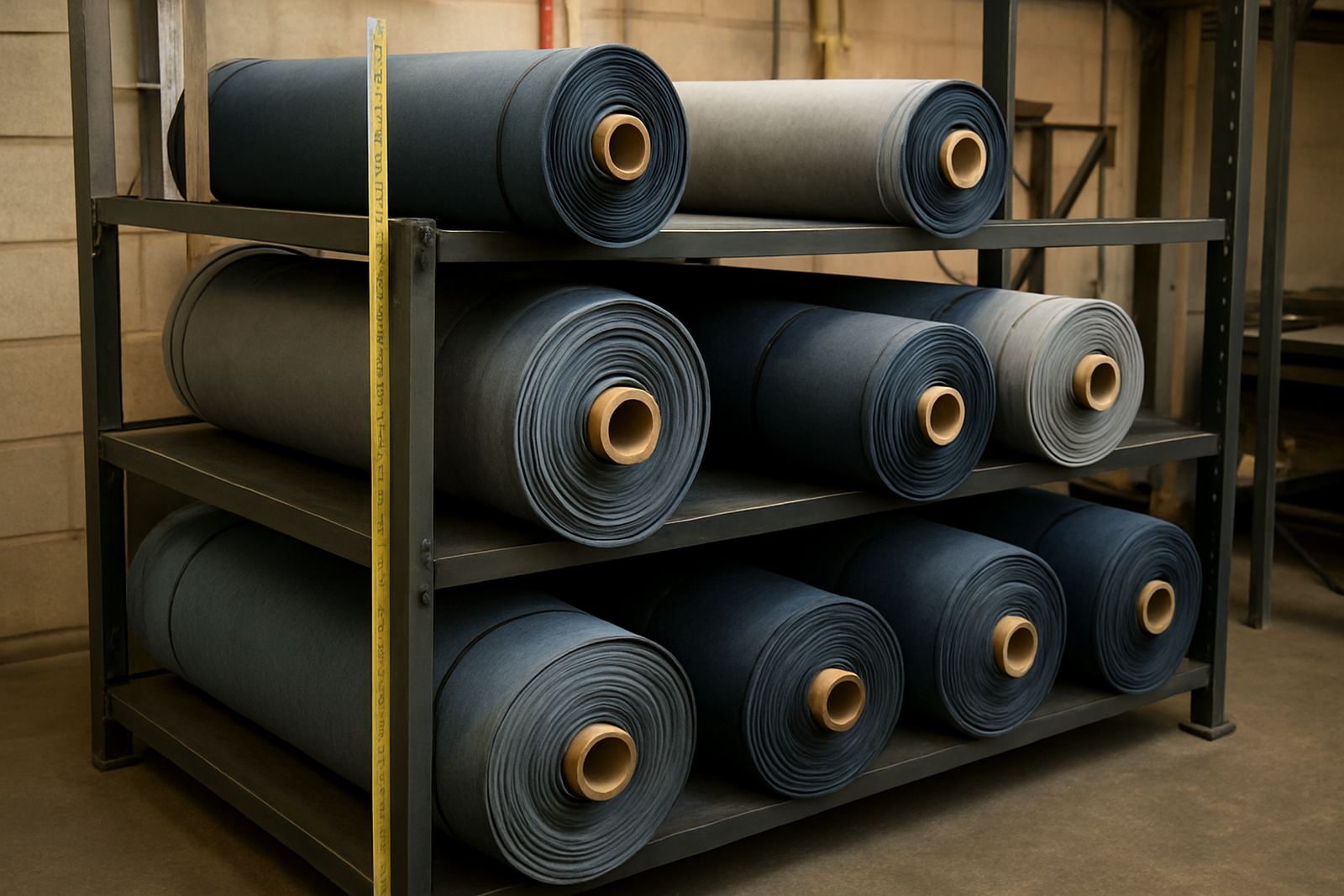
Blankets are supplied in a range of cut sizes and roll formats depending on the press model, cylinder repeat and packing arrangement. We help match the blanket to the press width, cylinder gap and the type of stock you run most often. For commercial printing, the common need is a stable all round blanket that can hold detail while still giving enough resilience for mixed paper weights.
- Typical thicknesses: 1.68 mm, 1.95 mm and 2.28 mm depending on press setup
- Surface finish: compressible or standard face options for different print demands
- Applications: coated paper, uncoated paper, light board and general sheetfed work
- Hardness range: supplied to suit transfer needs and impression pressure
- Edge options: supplied cut to size or as full rolls for workshop trimming
If you are unsure of the exact build, we can work from the existing blanket details, press manual or a sample from the press room. That avoids ordering the wrong thickness and having to fight packing issues later on.
Where they suit best in South African print rooms
Conventional blankets suit operations that need dependable performance on standard commercial and short to medium run work. They are used on presses producing letterheads, brochures, flyers, NCR sets, catalogues and general marketing material. In many shops, they also support packaging jobs that do not call for specialised high abrasion constructions.
They are a sensible option where the press room has normal temperature control and where operators want straightforward cleaning and repeatable setup. In humid weather, stock behaviour and drying times can change, so a blanket that releases well and keeps image sharp becomes even more useful. Inland, dust and long shifts mean uptime matters, so keeping a spare blanket on hand is worth the space.
- Best for sheetfed offset commercial production
- Suitable for moderate run lengths and mixed stock work
- Useful where quick make-ready and steady colour are important
- Can support finishing lines that need accurate, repeatable transfer
Fitting the blanket and setting the press up right
A well chosen blanket still fails early if it is mounted badly. The blanket must sit square, be tensioned properly and packed to the press maker’s requirement. Too much pressure can crush the face and shorten life, while too little pressure gives weak solids and poor image transfer. A careful fit also helps avoid issues like ghosting, hickies and premature edge wear.
When the press is first started after fitting, check impression across the sheet and watch for signs of overpacking. If the press has stood for a while, allow time for a proper restart and a full inspection of rollers, washup and blanket surface before running full speed. For older machines, a fresh blanket can expose problems that were hidden by worn materials, so it pays to check blankets and rollers together.
Care, washing and longer blanket life
Routine cleaning keeps a blanket performing properly. Use approved wash procedures and avoid harsh solvents that dry out the face or cause swelling. In day to day production, dried ink, paper dust and spray powder all build up, and that buildup can affect print quality more than many operators realise. A good wash programme and regular visual checks extend service life and keep colour control steadier.
At LithoPrinting Plates we also assist with blanket assessment, wash programmes and production troubleshooting. If a blanket is glazing, marking or losing transfer, we can help identify whether the cause is the blanket, the packing, the rollers or the press settings. Sometimes the issue is simple, sometimes it is a combination of small faults that show up on longer runs.
- Wipe down after each run where possible
- Remove ink build-up before it hardens
- Check for cuts, blisters and edge damage
- Keep spare blankets stored flat and clean
- Avoid excessive heat and direct sun in storage
What to confirm before placing an order
To order the right blanket, start with the press make and model, cylinder repeat, thickness required and the type of work you print most often. It also helps to know whether you need a standard blanket, a compressible option or a cut piece for a specific station. If you are in Gauteng and need quick turnaround, good order detail saves a lot of time.
- Press make, model and unit position
- Blanket thickness and repeat size
- Whether the job is commercial, packaging or mixed stock
- Any existing problems such as slur, doubling or weak solids
- Delivery location, especially for urgent runs in Midrand, Pretoria or Germiston
Send your details through our contact form and we will help you match the blanket to your press room needs. We supply from Industria West and support businesses across South Africa, with plate and press supply backed by practical technical guidance, not guesswork.
Key facts
| Product type | Conventional offset printing blankets |
|---|---|
| Use | General image transfer for commercial sheetfed offset work |
| Common thicknesses | 1.68 mm, 1.95 mm, 2.28 mm |
| Format | Cut to size or roll supply depending on press requirement |
| Suitable stock | Coated paper, uncoated paper, light board and mixed commercial stock |
| Support | Blanket assessment, fitting guidance, wash programmes and troubleshooting |