What plate protection bags do on a busy print floor
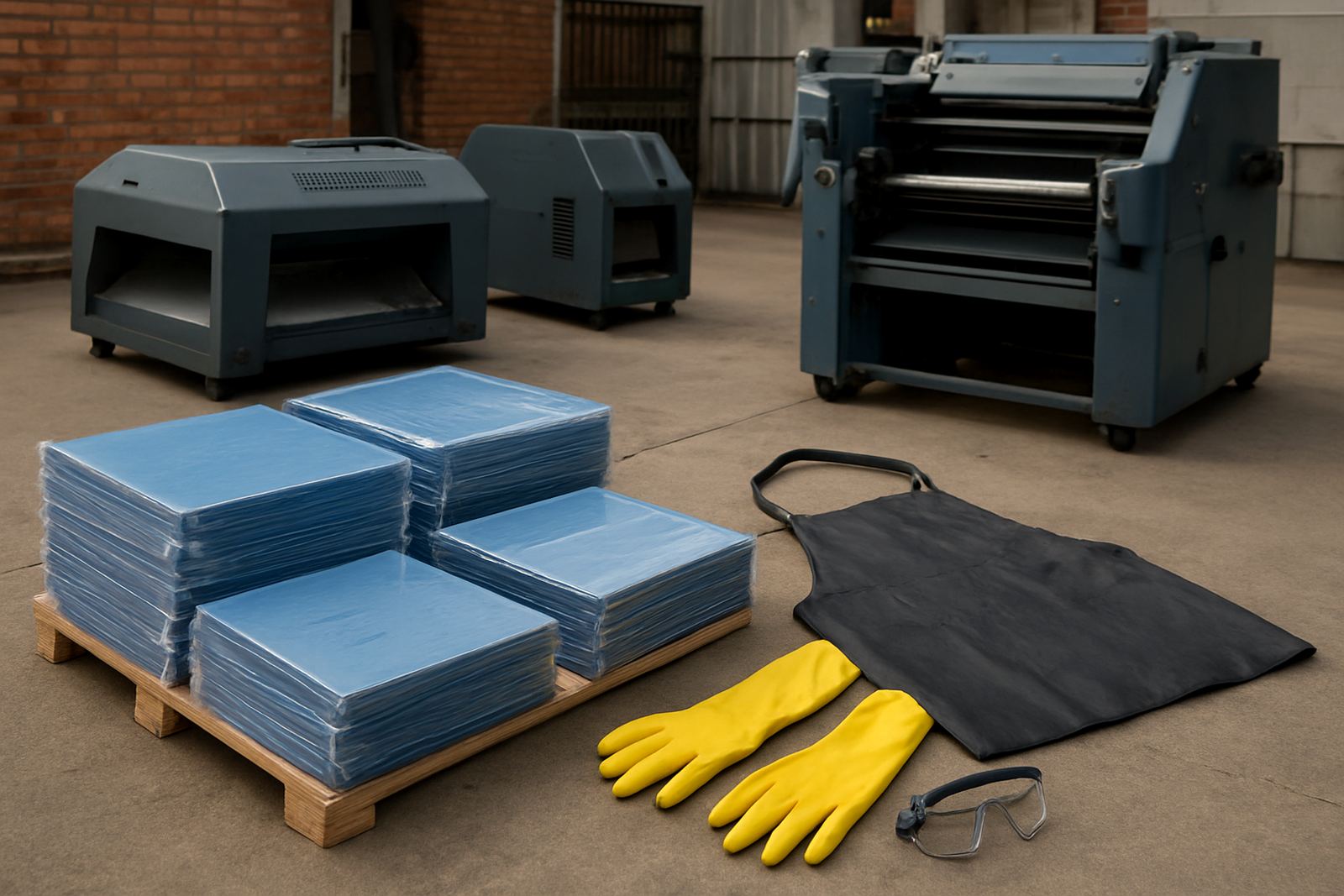
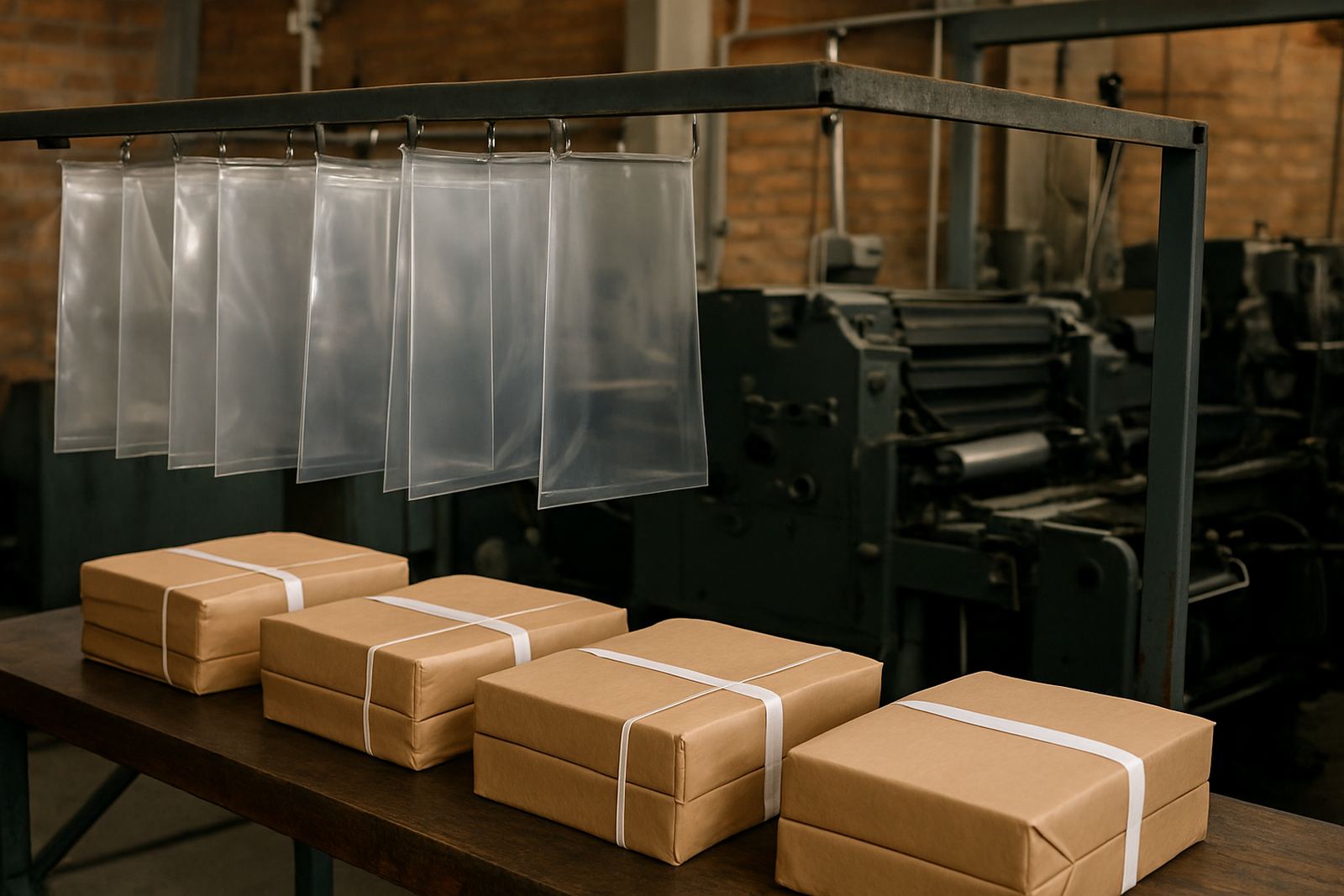
Plate protection bags are used to cover processed plates before they go into storage, courier cartons, or straight to the pressroom. They act as a simple barrier against dust, moisture, rub marks and rough handling. On sites where plates move between prepress, dispatch and different shifts, that extra cover can stop avoidable damage before the first plate ever reaches the press.
They are especially useful where plate stacks are handled often, or where the store room is not fully dust free. In Johannesburg and Pretoria, printers often ask for this type of protection because temperature changes, humidity and transport can all affect plate condition. A clean plate is easier to identify, easier to load and less likely to cause stoppages from avoidable surface marks.
These bags are a practical consumable rather than a specialised machine item, so they fit into most ordinary packing and plate control routines. They do not need electricity or gas, and they can be used by hand at the packing table or at the processor exit point.
Sizes, finishes and packing options available
Plate protection bags are normally selected to match the plate size used in the plant. Standard options are supplied for common CTP and offset plate formats, and can also be matched to plate packs by job type. When ordering, it helps to give the finished plate size, the approximate stack height, and whether the bag is meant for single plates or grouped plates.
For smaller runs, a lighter bag is often enough for internal handling and short-distance transfers. For longer courier trips, warehouse movement or high-traffic stores, a heavier bag gives better resistance to tearing and rubbing. Some plants also prefer clear bags for easy job identification, while others want opaque bags to protect plates from light and to keep job details private.
Where plate sizes vary, a mixed packing plan can save time. For example, a printer in Industria West may keep one size for regular press work, then a larger bag for oversize jobs and seasonal work. That kind of planning cuts waste and keeps the packing table moving.
Where plate protection bags suit the pressroom
These bags suit offset printers, plate setters, finishing plants and trade suppliers that need to keep plates in good condition from output to press. They are useful for short turnaround work, schedule-heavy jobs and any plant where plates are prepared in batches. If a site runs multiple shifts or sends plates between branches in Roodepoort, Randburg, Midrand or Germiston, a proper bagging routine can make plate handover much cleaner.
They are also useful when plates are stored before a press startup or a repeat job. Instead of leaving plates exposed on a shelf or in an open carton, the bag keeps dust off the image area and reduces edge damage from repeated handling. In damp areas or stores near loading bays, this can make a real difference to plate condition on the day of use.
For plants that already track plate selection and colour stability, bagging forms part of the same control process. It is a small step, but one that supports better consistency and less rework.
Fitting and handling requirements on site
Plate protection bags need only clean, dry storage space. They are fitted by hand and sealed or closed according to the packing method used at the plant. In most cases, the bag is opened at the packing station, the cleaned plate is inserted carefully, and the stack is then labelled for store or delivery. That means no special installation work and no downtime for setup.
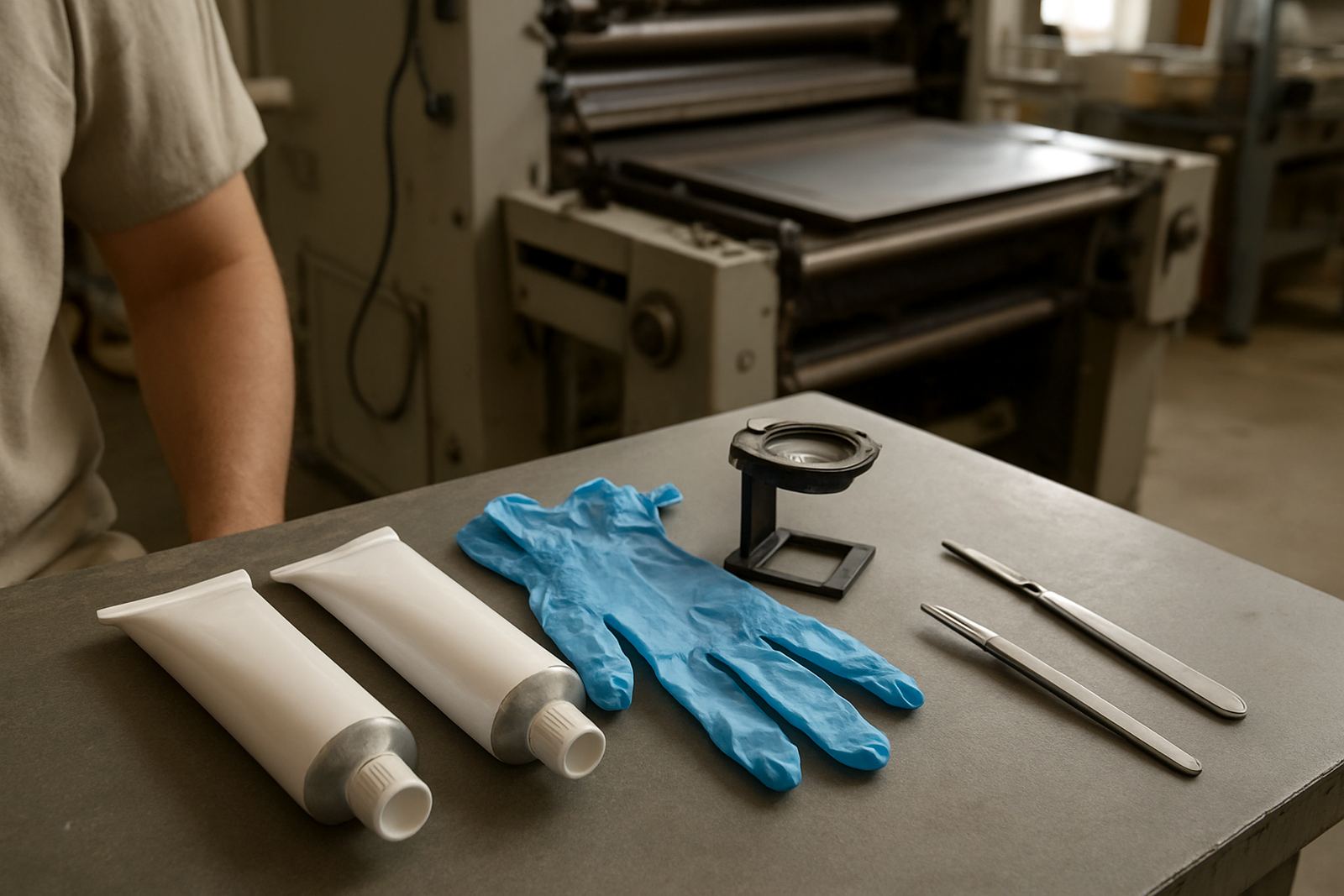
Good handling matters more than anything else. Plates should be inserted with clean hands or gloves, and the image area should not be rubbed against the seam or folded edge. When a bag is too small, the plate corners can catch and the bag can split. When it is too large, the plate can slide around and pick up marks in transit.
For plants that use a plate handling training process, it helps to keep one standard method across all shifts. That keeps the packing neat and makes it easier for the logistics team to spot the right job quickly.
Care, storage and replacement planning
Plate protection bags should be kept in a clean, dry place away from direct sun, sharp edges and solvent spills. If bags are stored in a room that is too warm or damp, the material can crease, weaken or stick together. In high humidity, it is better to keep the stock sealed until use and off the floor where possible.
During use, check each bag for tears, dirt, or worn seams before packing plates. If a bag has already been used for rough transport, do not keep reusing it for critical jobs. A damaged bag can leave the plate worse off than leaving it exposed for a very short move. That is why many printers set a simple replacement rule based on use, not only on appearance.
Where plate handling is part of wider process control, the bag stock should be reviewed along with washing programmes, blanket assessment and chemistry balancing. It helps keep consumables in step with production needs, and avoids running out at busy month end periods.
What to confirm before ordering plate bags
Before ordering, confirm the plate size, quantity, duty level and whether the bags will be used for internal handling or courier delivery. It also helps to know if the plates are supplied dry, freshly processed or wrapped after finishing. Those details affect the type of bag recommended and the packing method used.
When speaking to the supply team, mention any special conditions on site such as high humidity, heavy dust, or fast turnaround between shifts. If plates are moving from Industria West to another branch or customer site, transport distance matters too. A bag that works well for a short local handover may not be enough for a longer national run.
LithoPrinting Plates can assist with plate selection, supply planning and production troubleshooting, so it is worth matching the bag order with the broader plate workflow. That saves time and helps keep the pressroom supplied properly without overbuying.
Key facts
| Product type | Protective bag for printing plates |
|---|---|
| Use | Dust, scratch and handling protection |
| Common sizes | Matched to standard CTP and offset plate formats |
| Material options | Light, medium and heavier duty film options |
| Site needs | None |
| Best suited to | Prepress, storage, dispatch and pressroom handling |