What UV Ink Plates are used for in daily production
UV ink plates are designed for offset work where inks cure under UV lamps instead of drying by absorption alone. That changes the pressure on the plate, blankets and chemistry, because the image must hold detail through higher heat, faster set-up and frequent washdowns.
In practice, these plates are chosen for labels, cartons, short-run commercial work, security print elements and finishing lines where consistency matters from the first sheet to the last. They are also useful where jobs move between standard inks and UV inks and the printer needs one plate family that can handle both with proper process control.
For South African plants, the big advantage is steadier output through long summer runs in Gauteng and humid storm seasons. If the pressroom is already dealing with dust and tighter delivery windows, a stable plate shortens make-ready and cuts waste.
Sizes, plate build and format options
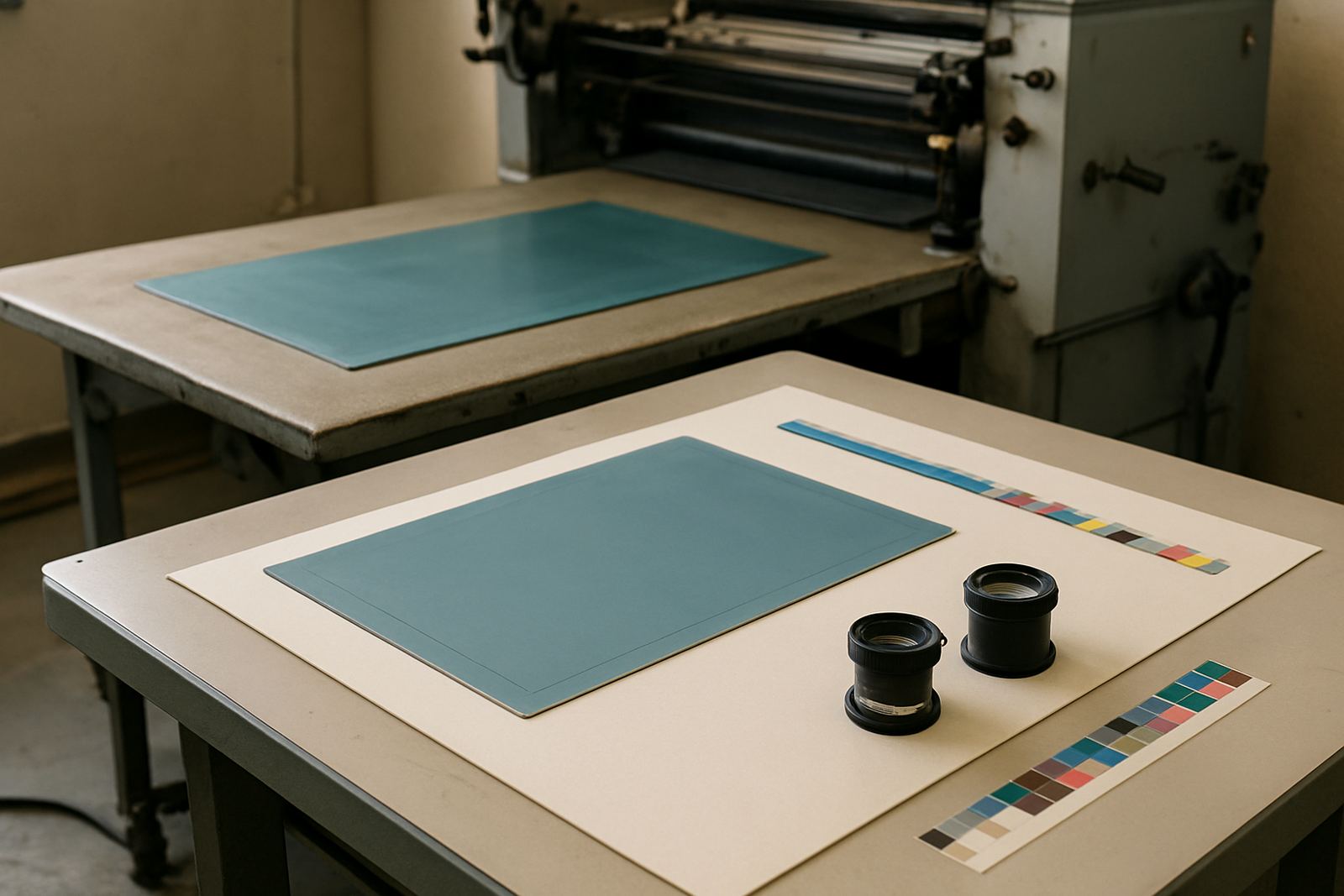
We supply plate options in common sheet and cut-to-size formats used by local offset houses and trade printers. The right choice depends on your imposition, your plate setter, and whether you are running line work, solid coverage or fine screening.
- Thickness options commonly used: 0.15 mm, 0.20 mm and 0.30 mm
- Format support: sheet-fed offset and selected web applications
- Image types: positive working and thermal CTP variants, depending on workflow
- Screen detail: suitable for fine text, solid areas and process work where clean dots matter
- Finish: plate surface suited to normal plate handling, with careful packing for transport
When choosing size, check the press cylinder layout, plate clamp length and the trim allowance for your bindery or finishing line. A plate that is correct on paper but awkward to mount will slow down production and increase the risk of scuffing, especially where operators are working fast after a stop.
Where these plates suit best in South African print shops
UV Ink Plates are a good fit for commercial printers in Johannesburg, Pretoria, Roodepoort, Randburg, Midrand and Germiston that run mixed production and need quick recovery between jobs. They also suit label converters and packaging plants that need sharp register, repeatable solids and reliable performance on demanding substrates.
They are used where there is a lot of short-run work, frequent colour changes or heavy coverage that would expose weak plate chemistry. If your plant works with coated board, synthetic stocks or premium paper grades, the plate needs to hold detail while the ink system and blanket do the rest.
- Good for UV sheetfed offset lines
- Suitable for demanding finishing schedules and fast turn jobs
- Helpful where colour consistency is checked at delivery, not only on press start-up
- Practical for plants balancing standard inks, UV inks and mixed substrates
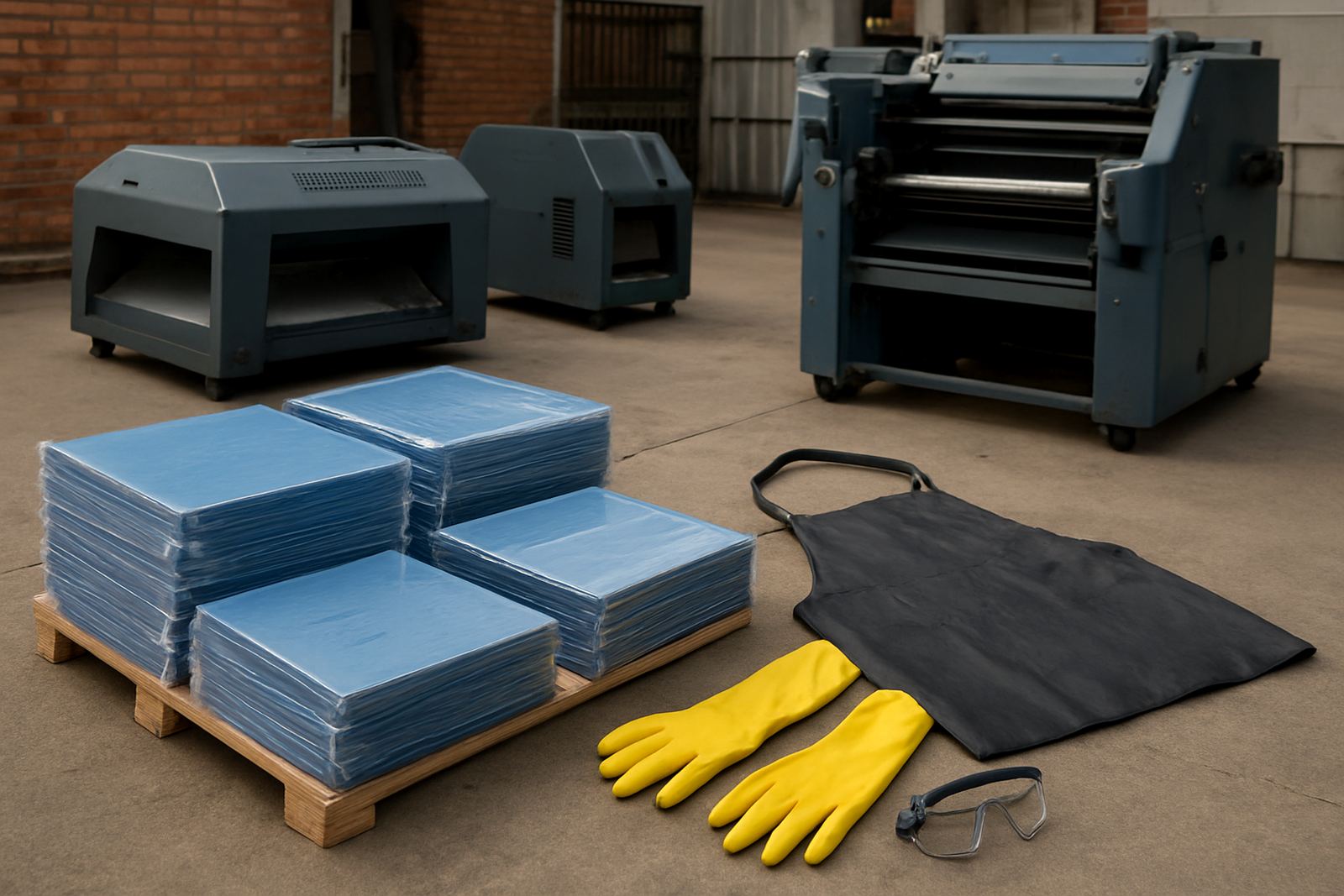
In humid weather, storage and handling matter just as much as the plate choice. High humidity and warm stores can affect packing if materials are left open, so keep plates sealed until needed and store them flat in a clean dry room.
Plate setter and processor matching
UV Ink Plates must be matched to the plate setter, processor and press conditions in your plant. If your workflow includes thermal CTP imaging, processor chemistry and rinse control must be set correctly before production starts.
During installation or changeover, confirm that the plate setter is calibrated, the processor is clean and the chemistry is balanced for the plate type. A plate can only perform properly if the imaging curve, developer strength and wash settings are all aligned. If one of those drifts, the pressroom will see dot gain, background scum or weak non-image areas.
The plate itself needs nothing extra at the press. What matters is a calibrated plate setter, a balanced processor and a clear startup routine. Many printers in Johannesburg keep a checklist for restarts, because the first sheets after a stop often show the most variation.
Looking after UV plates before and after the run
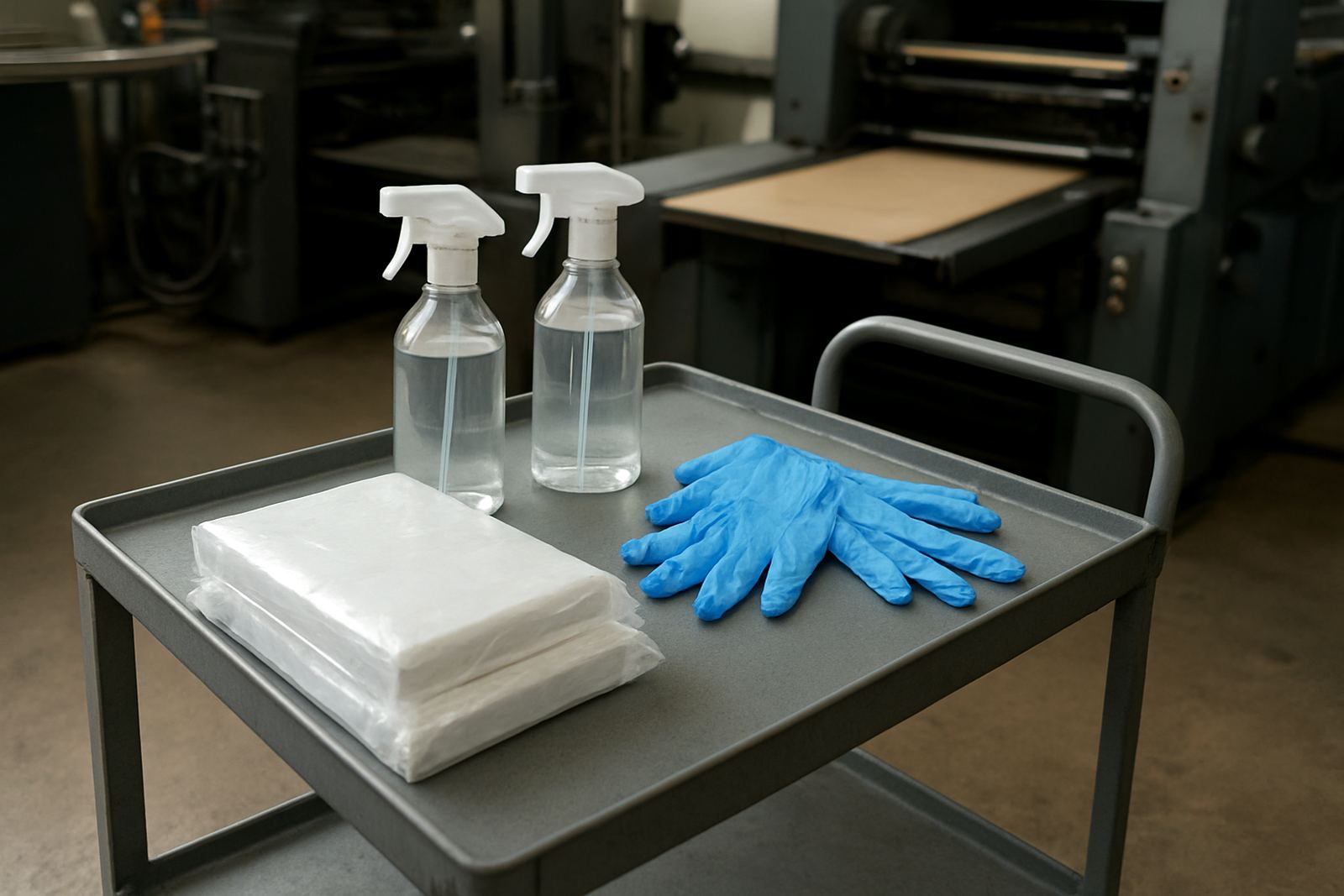
Plate care begins in the store room. Keep packs sealed, avoid direct sunlight and do not stack plates where they can take edge damage from trolleys or pallets. Once a plate is imaged, handle it with clean gloves and keep fingerprints off the non-image area.
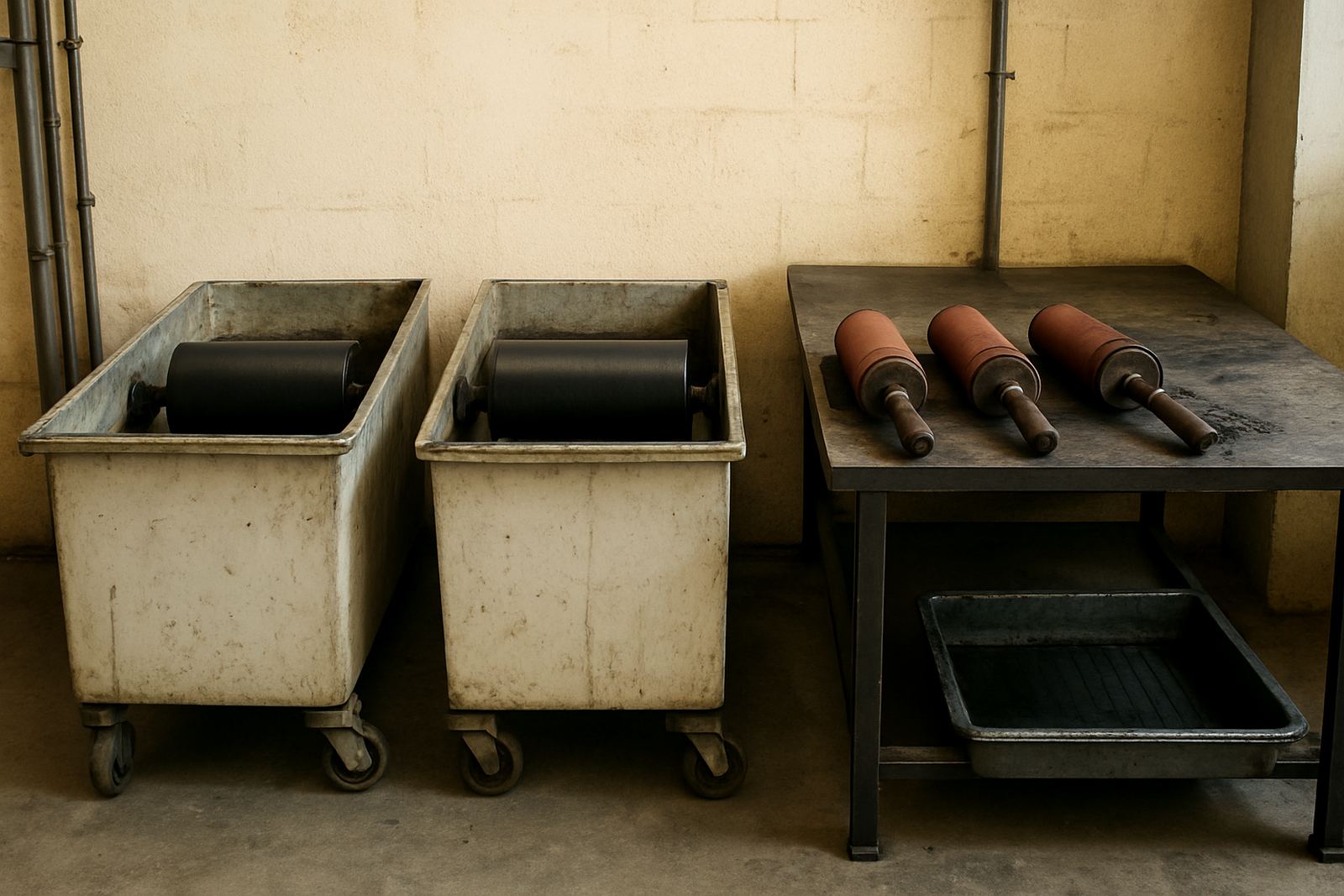
Servicing in a plate room is mostly about process discipline. Chemistry balancing, processor servicing and blanket assessment all work together, because a good plate can still print badly if blankets are glazed or the processor is dirty. Our team often checks the plate line together with wash programmes and colour stability when a plant reports recurring tone shifts.
- Store flat in a cool dry room
- Keep away from heat, moisture and chemical spill zones
- Check the developer, replenisher and wash settings weekly
- Inspect blankets for swelling, glazing and image bounce
- Clean plate bends and clamps after every run
In busy plants, small habits matter. A short wipe-down and correct stacking routine can save hours of nuisance faults later, and it helps keep make-ready times predictable even when the day has already been interrupted by urgent reprints.
What to verify before ordering desensitiser paste
Before ordering UV Ink Plates, confirm the press model, plate size, plate thickness, imaging method and the type of ink system being used. If you are unsure, the quickest way is to send the plate dimensions, the crop size, the screen ruling and a sample of the job type your press handles most often.
It also helps to tell us whether the plates will be used on long-run packaging, short-run commercial work or mixed production. That affects the way we plan supply, whether you need extra margin for spoilage and how much stock should be held on site in Industria West or at a branch point closer to your plant.
- Press size and cylinder layout
- Plate thickness and cut size
- Thermal or other imaging workflow
- UV ink use, substrate type and expected run length
- Store conditions and how stock is protected overnight
If your team wants help with plate selection, press startup support or production troubleshooting, our national sales and technical staff can work through the specs with you. That makes ordering simpler and reduces the chance of a mismatch that slows production later.
Key facts
| Product type | UV ink offset printing plate |
|---|---|
| Common thicknesses | Gauges: 0.15, 0.20 and 0.30 mm |
| Applications | Sheetfed offset, labels, cartons, short-run commercial work |
| Workflow | Thermal CTP and selected conventional imaging setups |
| Storage | Flat and sealed in a dry, shaded store |
| Support | Plate selection, processor servicing, press startup help and supply planning |