Roller Wash for cleaner changeovers and steadier print
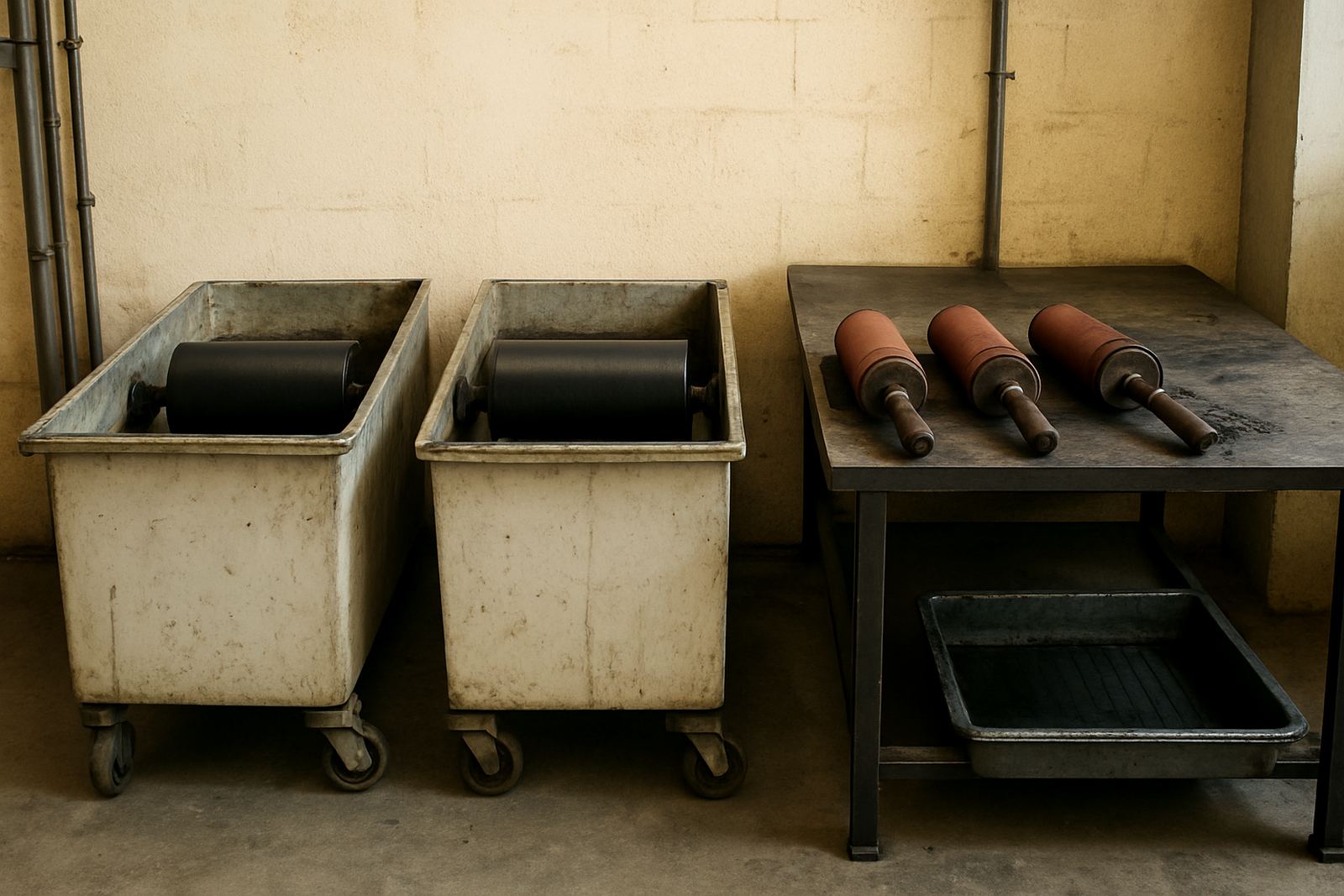
Roller Wash is used to clean press rollers after a run, between colour changes, and during scheduled maintenance. It helps lift residual ink, paper dust and surface contamination so the next job starts cleaner. In busy Johannesburg, Pretoria and East Rand print rooms that run tight turnarounds, that matters because every extra minute on wash-up is a minute off press.
This product suits offset printing environments where roller condition affects ink distribution and colour consistency. It can also be used as part of routine housekeeping on auxiliary rollers and related press surfaces, where the machine maker allows solvent cleaning. For coated stocks, uncoated work and repeat jobs, cleaner rollers support better first-sheet control and fewer make-ready corrections.
- Helps reduce ink carry-over between jobs
- Supports routine roller maintenance
- Useful for daily, weekly or shutdown cleaning tasks
- Suitable for production areas with multiple quick changeovers
Sizes and packing options to suit your throughput
Roller Wash is normally supplied in practical pack sizes to match how much cleaning is done each day. Smaller print rooms may want manageable containers for hand cleaning and localised maintenance, while larger operations often need bulk supply for regular shift use. Choice of pack size helps control stock, storage and cost per clean.
When ordering, it helps to match the pack to your wash-up method and monthly consumption. A plant in Roodepoort with one or two presses will not use the same volume as a high-output operation in Midrand or Germiston. If you are working through long night shifts or weekend production, bulk packs can reduce reorder frequency and keep the cleaning station supplied.
- Available in carton, pail or drum format depending on requirement
- Suitable for small maintenance use or higher-volume press rooms
- Can be integrated into planned consumable stock holding
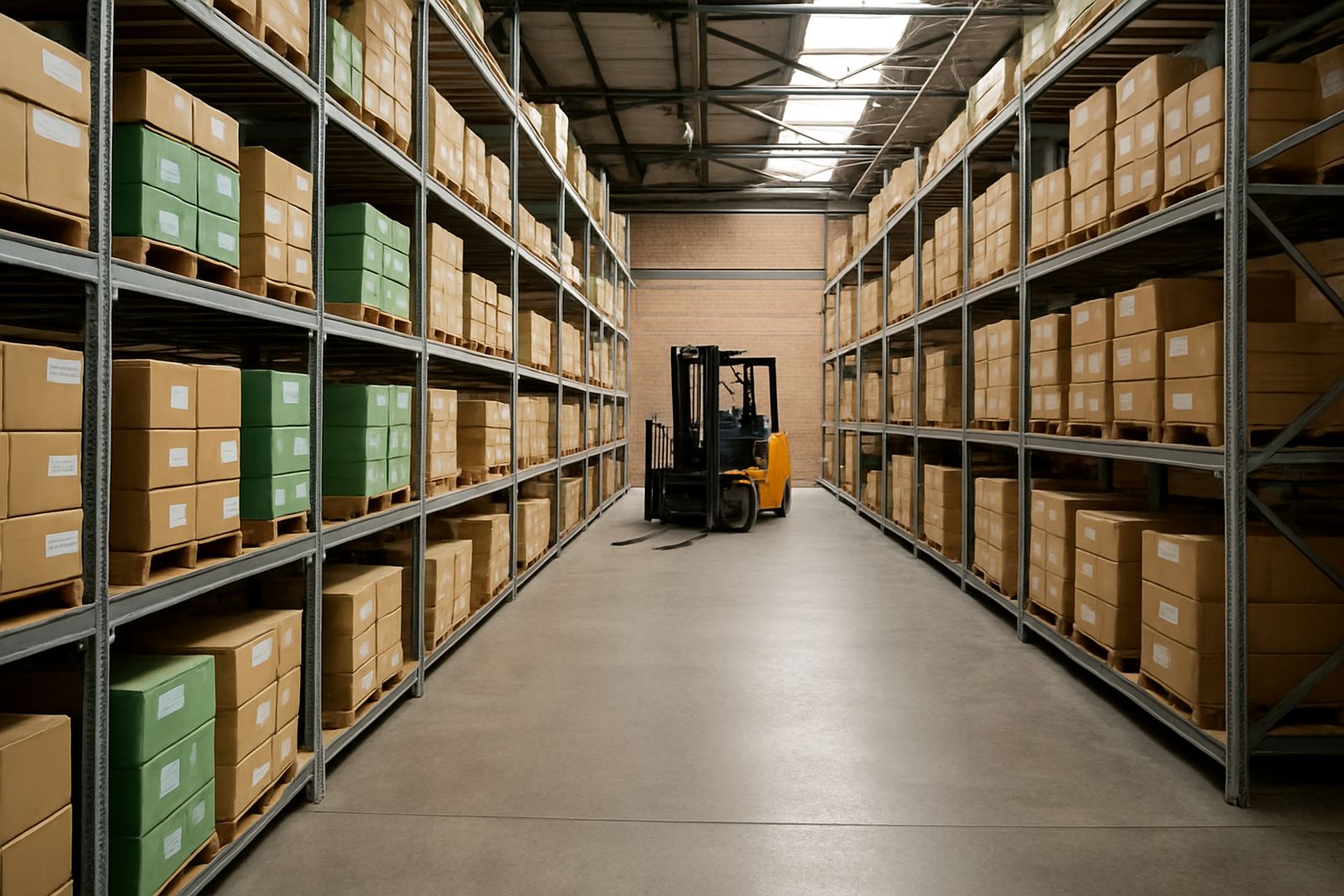
- Useful where storage space is limited and deliveries need to be staged
Where Roller Wash suits best in the print room
This cleaner is best suited to offset press maintenance, especially where ink densities change often or where jobs move from dark colours to light. It is also helpful in print finishing areas that need clean transfer surfaces, although users should confirm compatibility with the exact equipment and materials in use. In humid weather, systems can turn tacky sooner, so regular cleaning is even more important.
Use it in plants that run plated work, packaging, commercial print or short-run turnaround work. It is also practical for service teams that need a dependable cleaner during roller assessment, press startup help, or after a stoppage. In smaller rooms, one good cleaner is often better than carrying several specialist liquids that complicate stock control.
- Offset press roller cleaning
- Routine maintenance and shutdown cleaning
- Changeovers where colour stability matters
- Service visits and production troubleshooting
Installation, handling and utility needs
Roller Wash is applied through your normal wash-up routine. It is a consumable cleaning solution, so the main requirement is correct handling and safe storage. Keep it in a cool, well ventilated area away from heat sources, sparks and direct sunlight. Decant only when needed and keep lids closed to reduce evaporation and contamination.
For day to day use, make sure operators follow the machine maker’s cleaning method and the site’s safety rules. In some plants the cleaner is applied manually with lint-free cloths, while others use approved cleaning procedures during stoppages. If your site has municipal or internal fire controls, match the storage quantity to the permitted limits and keep spill materials close by. A missing label or mixed container can cause avoidable confusion, so keep the product identified at all times.
- Roller wash is applied by hand or through the wash-up unit, with no mains or gas hookup
- Needs safe storage, ventilation and spill control
- Follow the press maker's and your site's safety rules
- No naked flames or hot surfaces nearby
Care, servicing and getting the best life from your rollers
Regular cleaning is only part of roller care. Rollers should be checked for glazing, swelling, cracking and hard spots because these issues can affect ink transfer even when the surface looks clean. If cleaning is too aggressive it can shorten roller life, so the right method matters as much as the wash itself. Over-use of harsh solvents can dry surfaces out and leave the rollers less consistent on the next run.
For plants that already use Plate Selection, Colour Stability Checks or Production Troubleshooting support, Roller Wash can form part of the same maintenance routine. Keep a record of what was cleaned, when it was cleaned and whether any unusual ink residue was found. That makes it easier to spot patterns before a small issue becomes a costly press stoppage.
- Inspect rollers during routine servicing
- Avoid over-soaking or excessive scrubbing
- Record any hardening, cracking or poor recovery
- Build it into the press maintenance plan
What to verify before ordering desensitiser paste
Before ordering, confirm the type of press, the cleaning method used and the quantity needed per week or month. Check whether the team needs a small working pack, bulk stock, or a mix of both for main production and backup. If you run sites in Randburg, Industria West, Pretoria or Midrand, it also helps to align delivery timing with shift handovers so stock does not sit in the wrong place.
It is also worth confirming the roller material and any product restrictions from your equipment manual. Some sites need a fast evaporating cleaner, others want a slower working product for heavier ink build-up. If you are unsure, speak to a sales or technical contact before placing the order, because the wrong cleaner can add to downtime instead of reducing it. That extra minute or two on the line adds up over a week.
- Press type and roller material
- Daily wash-up volume and monthly usage
- Preferred pack size and delivery schedule
- Any site safety or equipment restrictions
Key facts
| Product type | Roller cleaning solution for press maintenance and ink changeovers |
|---|---|
| Primary use | Removal of ink residue, glaze and light contamination from rollers |
| Suitable for | Offset printing environments and routine maintenance tasks |
| Pack options | Available in small, mid-size and bulk supply formats |
| Utility needs | Safe storage and good ventilation needed |
| Handling | Use with approved press procedures, gloves and clean applicators |