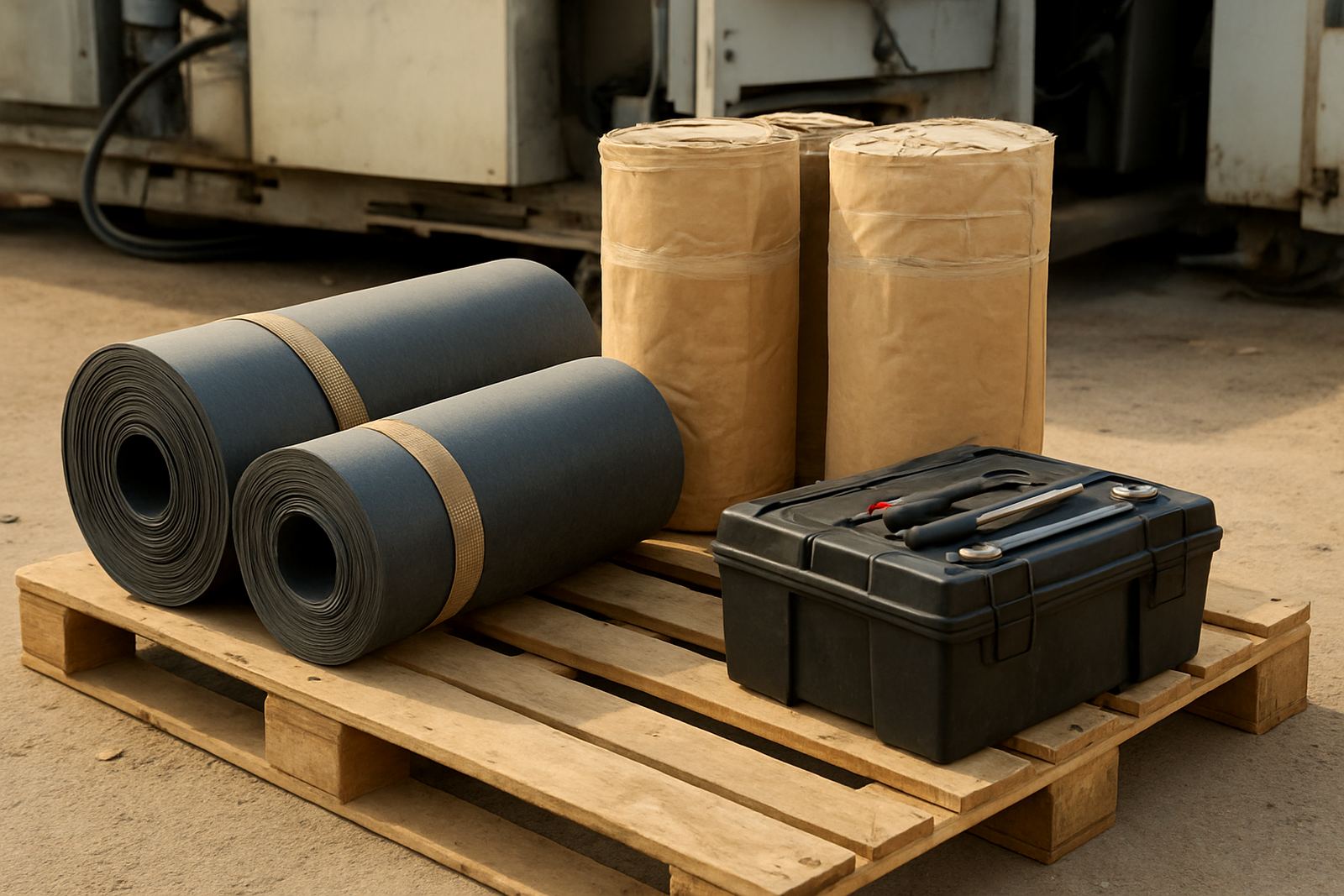
What UV Blankets Do on Press
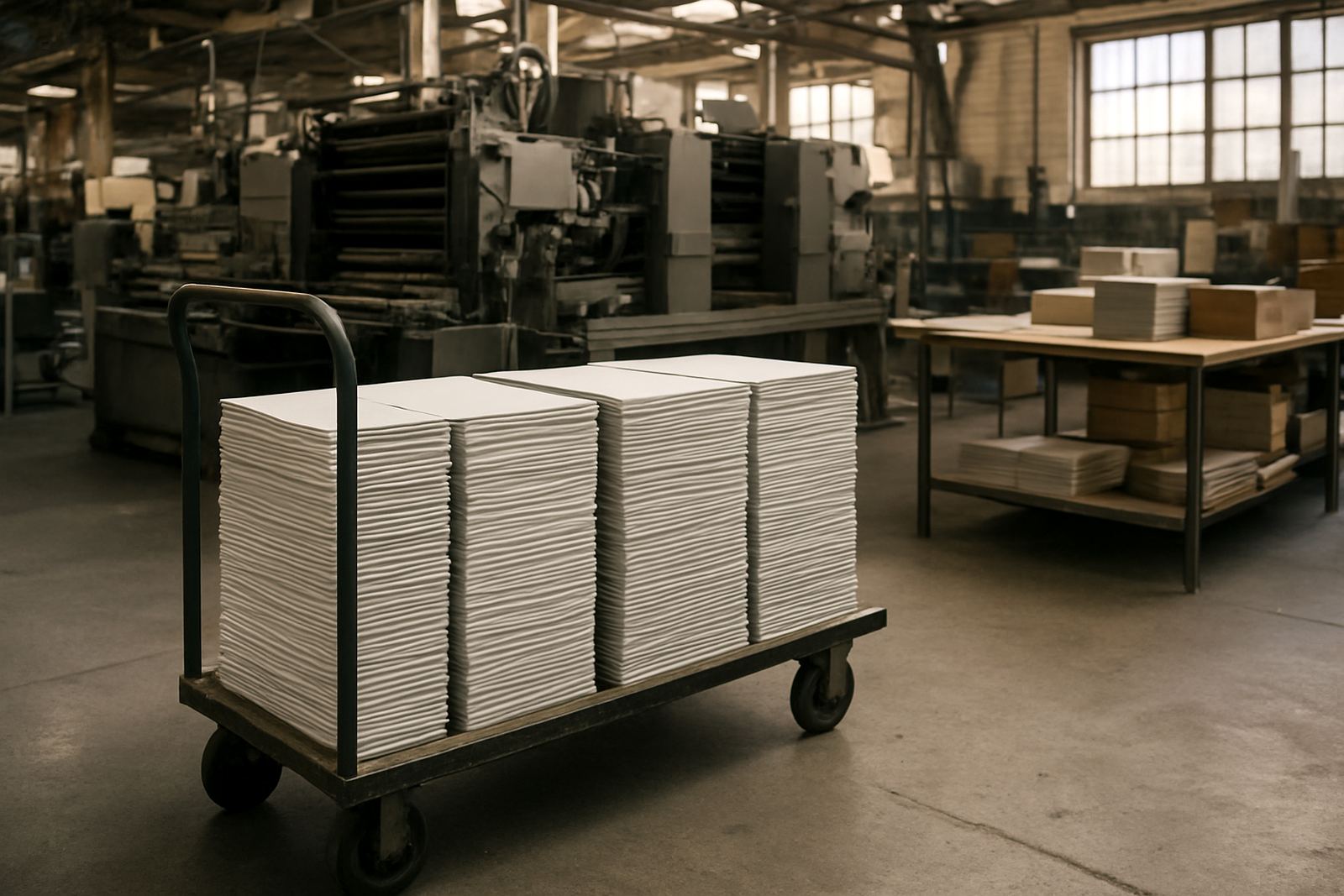
UV blankets sit on the blanket cylinder and transfer the image from plate to substrate in offset printing. In UV work, the blanket has to cope with harder ink systems, frequent wash cycles and heat from curing, so the material needs to hold its shape and surface finish for longer than a general purpose option.
These blankets are selected for print shops that run coated board, labels, commercial stationery, packaging inserts and short to medium runs where the press is cleaned often. A good UV blanket helps maintain sharp solids, controlled dot reproduction and even laydown across the sheet. That matters when the job has tight colour targets or repeated reprints for the same customer.
We supply blankets for operations in Johannesburg, Randburg, Roodepoort, Midrand, Germiston and Pretoria, with nationwide delivery for pressrooms that need stock on hand before a shift starts.
Sizes, Builds and Surface Options
Blankets are supplied in common press sizes and can be cut to order where the press specification calls for a particular width, length or thickness. The right build depends on the press model, packing arrangement and the kind of work being printed. We help customers match the blanket to the press instead of offering a single default blanket.
- Standard sheetfed sizes for B3, B2 and larger format presses
- Thickness options commonly used in offset pressrooms, including compressible builds
- Surface types suited to UV inks and frequent wash-up
- Blankets for coated stock, uncoated stock and board work
- Options for high impression count jobs where durability is important
If you are unsure on size, send the press make, cylinder circumference and packing details. A small mismatch can cause image bounce, poor release or uneven pressure across the sheet, so it is worth checking before ordering.
Where UV Blankets Suit Best
UV blankets are a practical choice where ink resistance, clean release and repeatability are top priorities. They suit print operations that run modern UV jobs as well as mixed production lines that move between standard offset and UV finishing work.
- Commercial printers running coated brochures, cartons and inserts
- Packaging plants needing stable transfer on board and heavier stock
- Label and specialty print work with strong coverage requirements
- Plants with regular colour checks and short turnaround times
- Shops dealing with humidity, dusty industrial areas or long production shifts
In pressrooms where stop-start running is part of the day, the blanket must still recover well after each stop. Once the press restarts, the blanket should hold registration and surface consistency without extra marking or stretching.
Installation, Press Setup and Utilities
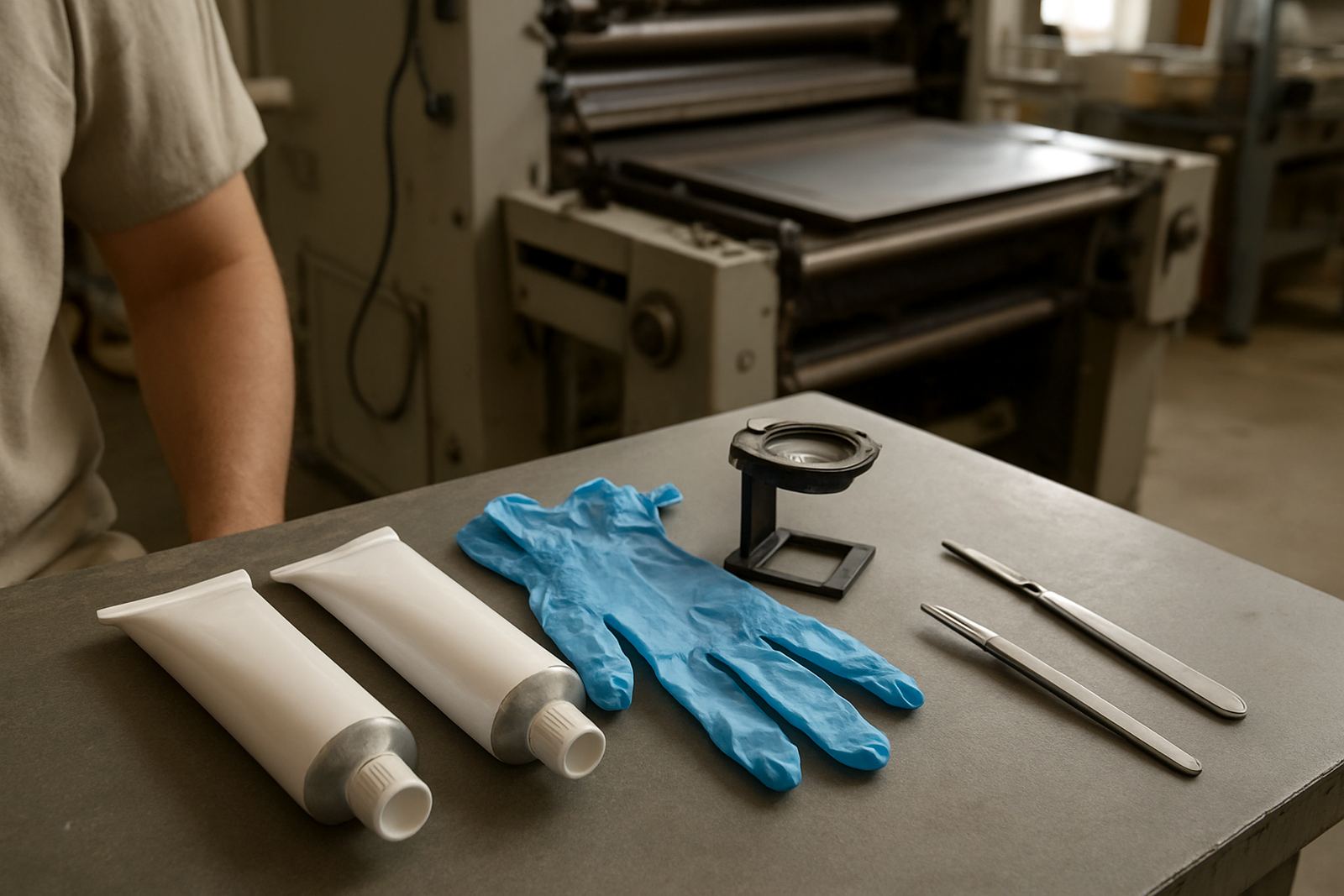
What a UV blanket does need is correct fitting, packing and press setup. Installation should be done on a clean cylinder with the correct torque and tension, and the blanket must be seated evenly from edge to edge. If the packing is wrong, the press will show symptoms very quickly, including smearing, poor dot transfer and premature edge wear.
For UV work, make sure the pressroom checks curing settings, delivery temperature and wash programme compatibility. A blanket that performs well on one press can fail early on another if the wash chemistry is too aggressive or the pressure is out by even a small amount. That is why we also support press startup help and production troubleshooting when a site is changing stock or ink systems.
Our technical team can advise on fitting order, packing balance and the practical steps needed when a press has been standing, especially after maintenance stoppages.
Care, Washing and Service Life
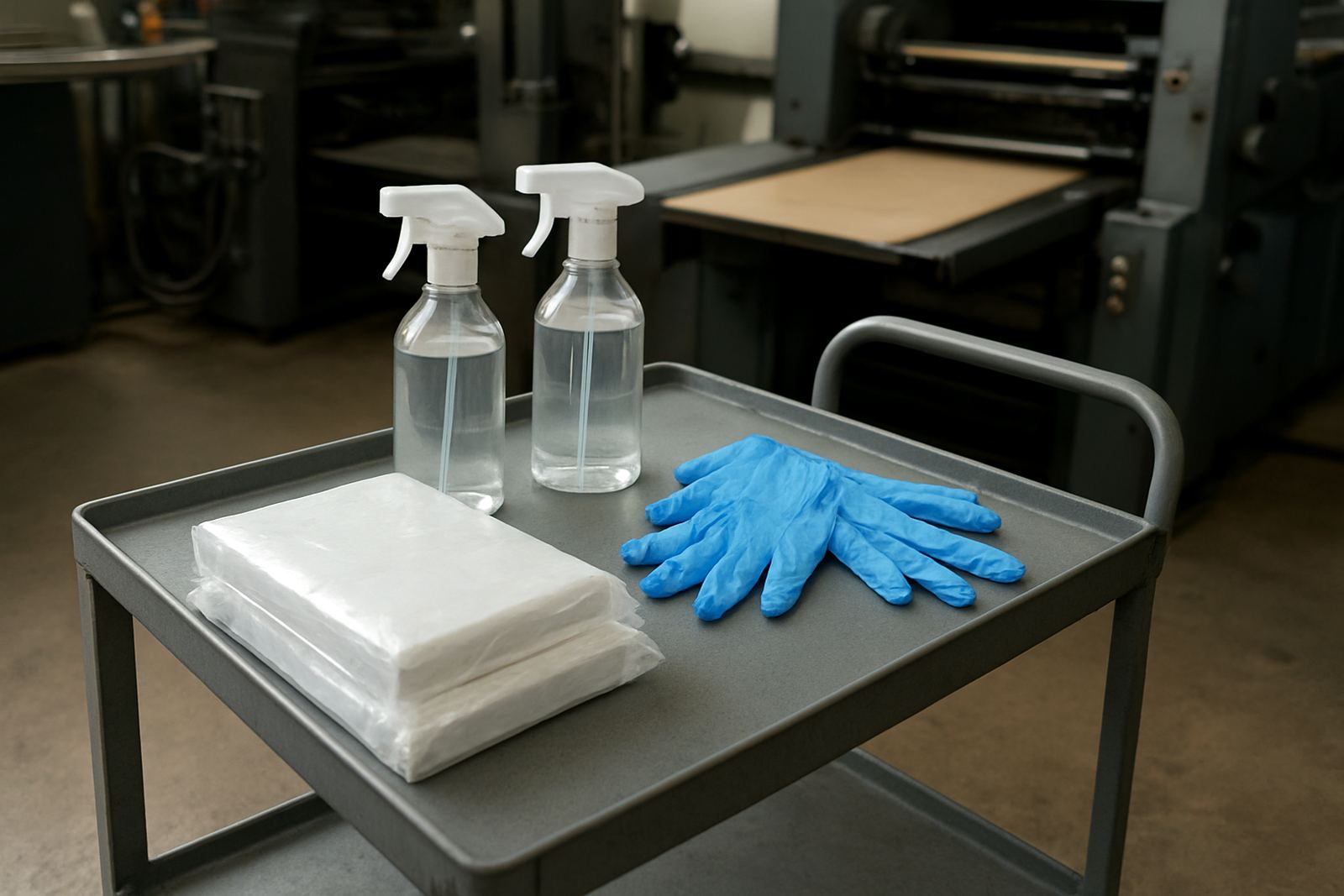
Good care extends the life of a UV blanket and keeps print quality steady. The surface should be cleaned with the correct wash programme after each run, then checked for glazing, swelling, ghosting or small cuts. In many cases a blanket fails early because of poor cleaning habits rather than a material problem.
Recommended care points include:
- Use the right wash chemistry for the ink system
- Avoid over-wetting the blanket during cleaning
- Check blanket tension after initial running-in
- Inspect for pinholes, scratches and edge lifting
- Replace blankets before quality problems start affecting production
We also assist with blanket assessment and wash programmes. That helps pressrooms in humid or dust-prone areas keep the surface consistent, even when production volumes change through the month.
What to Confirm Before You Order
Before placing an order, have the press details ready so the correct blanket can be matched first time. The wrong specification can slow the machine down and create avoidable downtime, especially when a job is booked for a tight deadline.
- Press make and model
- Blanket cylinder size and required cut size
- Thickness or compressible specification
- Type of work, such as UV ink, coating or mixed offset
- Stock type, including board, coated paper or uncoated paper
- Expected run length and wash frequency
Also check whether the press uses a standard edge finish, gripper edge or a special fitting arrangement. If you are replacing a blanket that has worked well before, send the old one or the previous specification and we can match it more accurately.
Key facts
| Product type | UV offset printing blanket |
|---|---|
| Typical use | UV inks, coatings and high-wear pressroom work |
| Common sizes | B3, B2 and larger sheetfed press formats |
| Build options | Compressible and standard thickness options |
| Service support | Plate and press supply, fitting advice, troubleshooting |
| Availability | Supplied nationwide from Industria West, Johannesburg |