
What newspaper plates are used for
Newspaper plates are the image carriers used on offset presses for daily papers, weekly inserts and high-run commercial print where turnaround matters. They are chosen for quick plate processing, stable image reproduction and the ability to keep pace with multiple editions in a day.
In a pressroom, the plate has to hold detail, register cleanly and wash up properly on the machine. That matters whether you are printing black only pages, colour sections or flyer inserts for distribution in Johannesburg, Pretoria or further afield, where humidity can affect storage and handling. When the plate and chemistry are matched correctly, press teams spend less time correcting tone, scumming or weak image areas.
These plates are also useful where production runs to tight schedules and the team needs a quick restart after a pause. Fast imaging and predictable processing help keep waste down, and that can make a real difference on tight deadlines.
Sizes, coatings and plate options
Newspaper plates are supplied in formats that suit common web offset and sheetfed newspaper work. The right size depends on your cylinder circumference, plate bending requirements and the press model in use. Because newspaper houses often run a mix of main editions, supplements and inserts, many sites keep more than one plate size on hand.
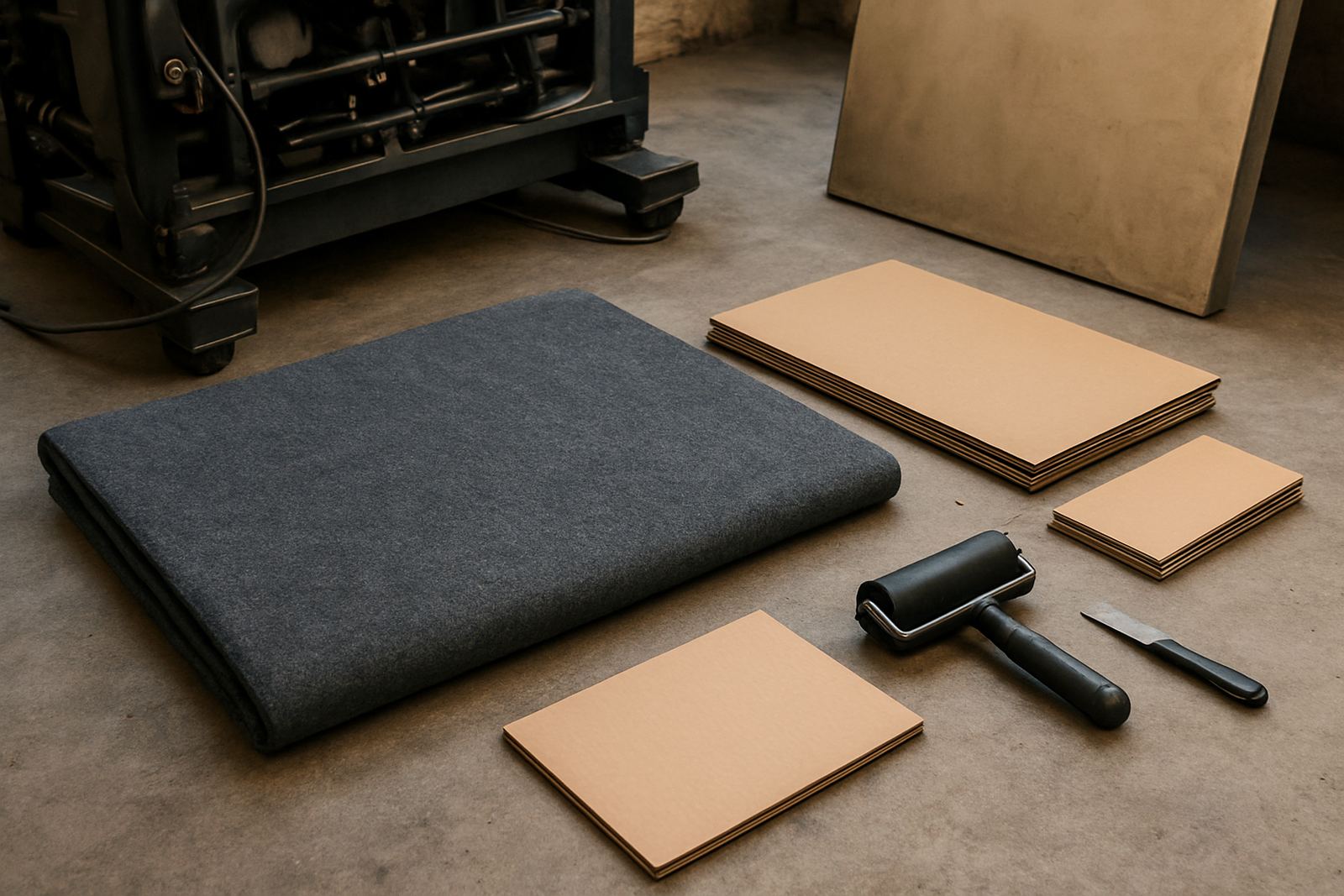
Typical options include standard thickness plates for day-to-day newspaper production, lighter plates for easier handling, and coatings suited to direct thermal or violet imaging systems depending on the workflow. The plate choice should also match the processing line so that developer strength, gum and rinse stages stay within spec.
- Common formats available in cut sheet or coil-fed supply
- Plate thickness matched to press and plate clamp setup
- Fast-imaging surface for short processing times
- Compatible with newspaper, inserts and local print runs
When ordering, check whether your site needs punched plates, unpunched plates, or custom bending and finishing before delivery. A small mismatch here can delay plate room output and pressure on the pressroom team increases quickly.
Where newspaper plates suit best
These plates are ideal for newspaper publishers, community papers, printers handling inserts, and trade shops with recurring high-volume offset work. They suit production environments where same-day turnaround is normal and the presses need to be back on the floor as quickly as possible.
They are also a practical fit for sites that manage municipal notices, election material, retailer specials and local promotions. In many South African plants, print schedules change with little warning, so supply planning matters just as much as the plate itself. LithoPrinting Plates supports customers in Industria West, Roodepoort, Randburg, Midrand, Germiston and Pretoria, with nationwide supply from Johannesburg City West.
- Daily and weekly newspapers
- Inserted advert packs and community flyers
- High-volume black and colour pages
- Short-notice reprints and rush jobs
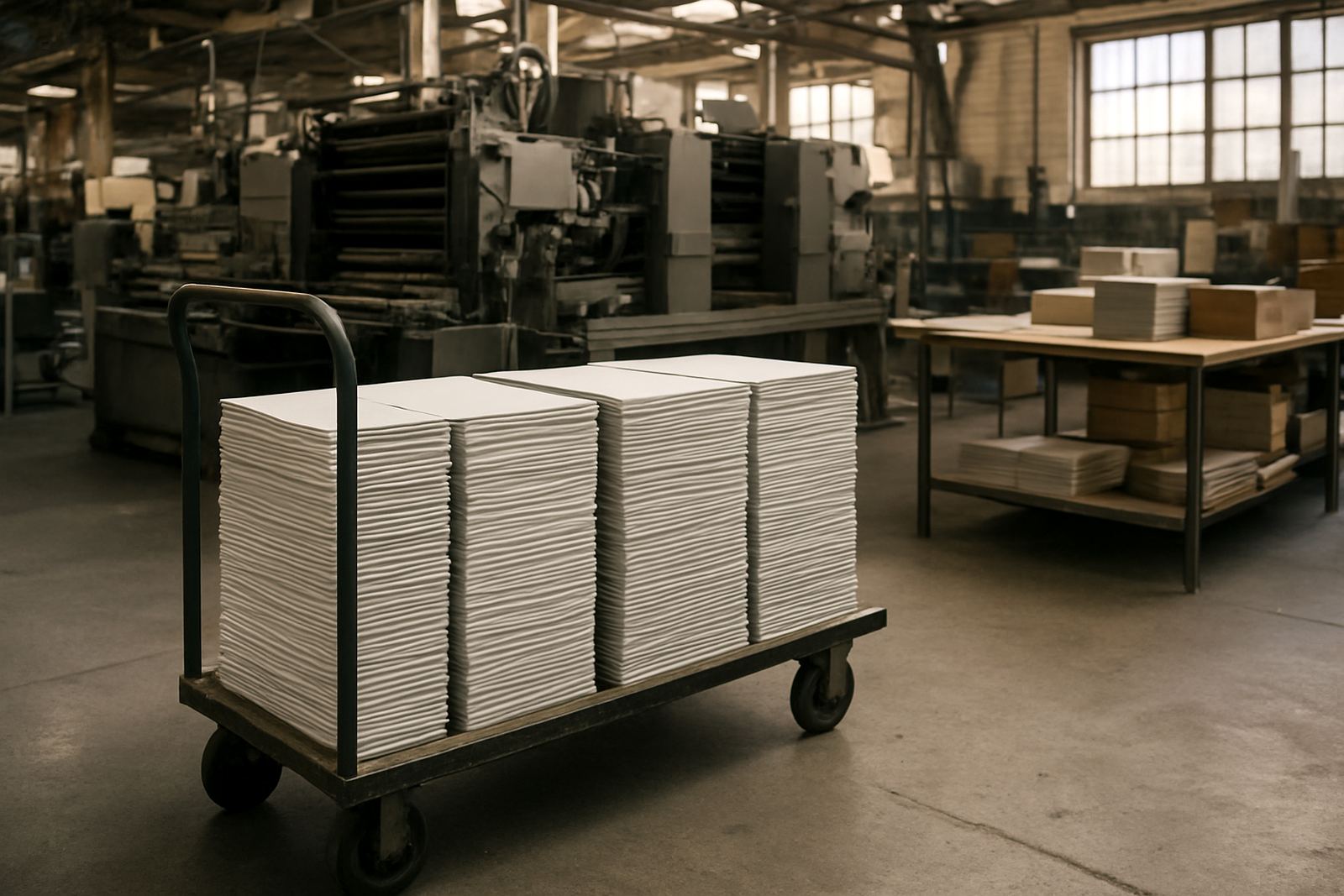
For operations that run across shifts, the plate has to be easy to handle, stack and identify. Clear labelling and consistent packing saves time on the floor and helps prevent mix-ups when multiple editions are in production at once.
Pressroom setup and power needs
Most newspaper plate rooms already have the imaging, processing and drying equipment in place, so installation is usually about correct set-up rather than major building work. The important point is to match the plate to the CTP system, processor chemistry and press requirements from the start.
Power requirements depend on the imaging line and processor, not the plate alone, but stable electricity is essential for consistent output. Where the plant stops often, a restart plan should cover image setting, processor circulation and any temperature-sensitive chemistry. In some sites, gas or other heat sources are used for drying or support equipment, so ventilation and compliance with local safety rules need to be checked. Pressrooms in industrial areas around Johannesburg often work with limited floor space, so good layout makes servicing easier and keeps the line moving.
If the site has a humid storage area, plates should be kept sealed until use and stored away from moisture and dust. That reduces oxidation and handling marks, and it helps prevent a messy start on the first run of the day.
Care, storage and ongoing servicing
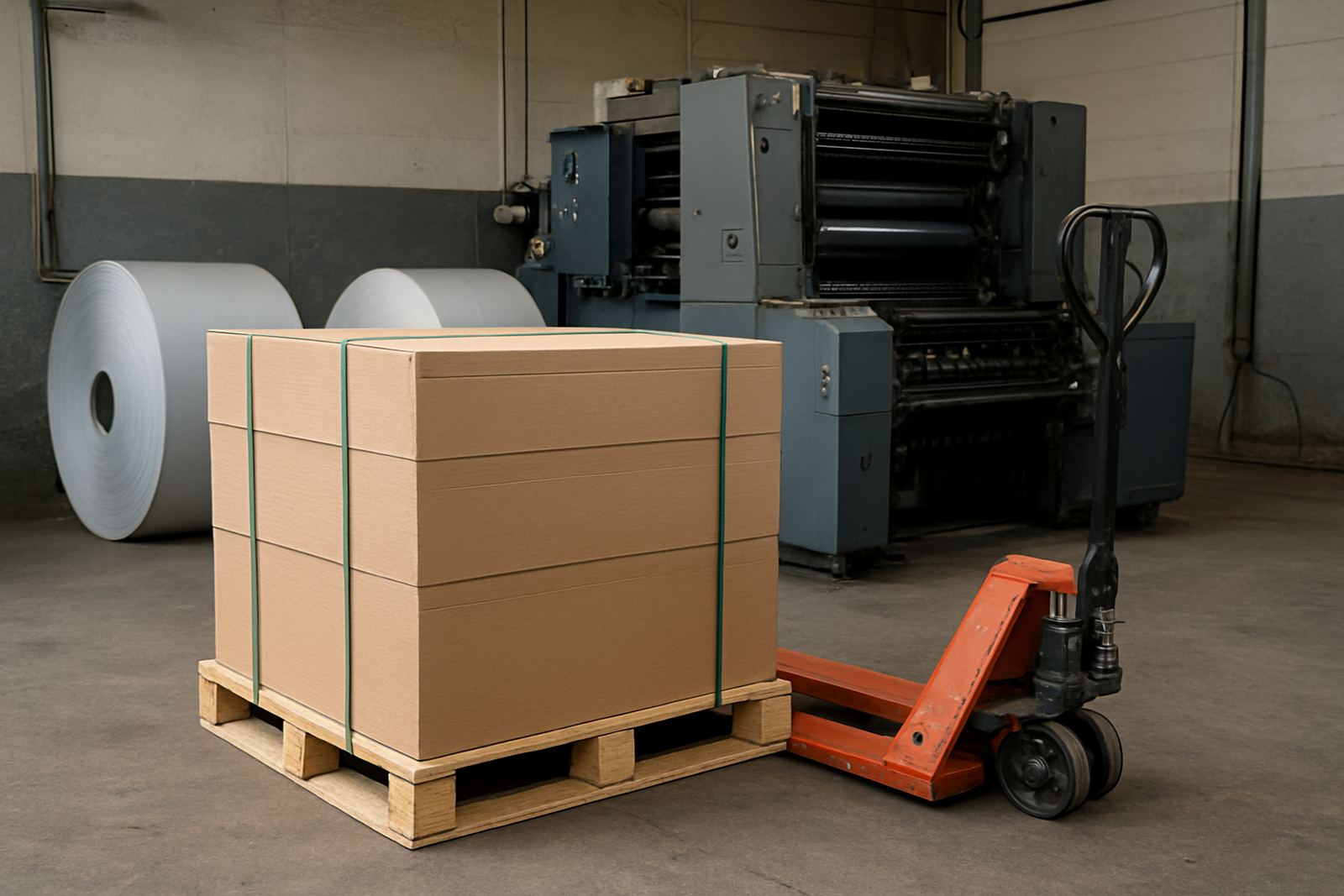
Handle newspaper plates with care from the delivery bay onward. Even lightweight plates can pick up scratches, bends or edge damage if pallets are stacked poorly or moved without care. Keep them flat, dry and in their packaging until they are needed, and avoid leaving open boxes near wash-up areas or damp loading bays.
In the pressroom, correct chemistry balance and regular processor servicing protect both the plate and the output. A weak developer can cause slow imaging or soft dots, while strong chemistry can shorten run life and affect tone. That is why plate care has to be linked to wash programmes, colour stability checks and general production troubleshooting, not treated as a once-off job.
- Store flat in a clean, dry room
- Keep away from direct sun, wash chemicals and open water
- Check processor rollers, tanks and replenishment rates regularly
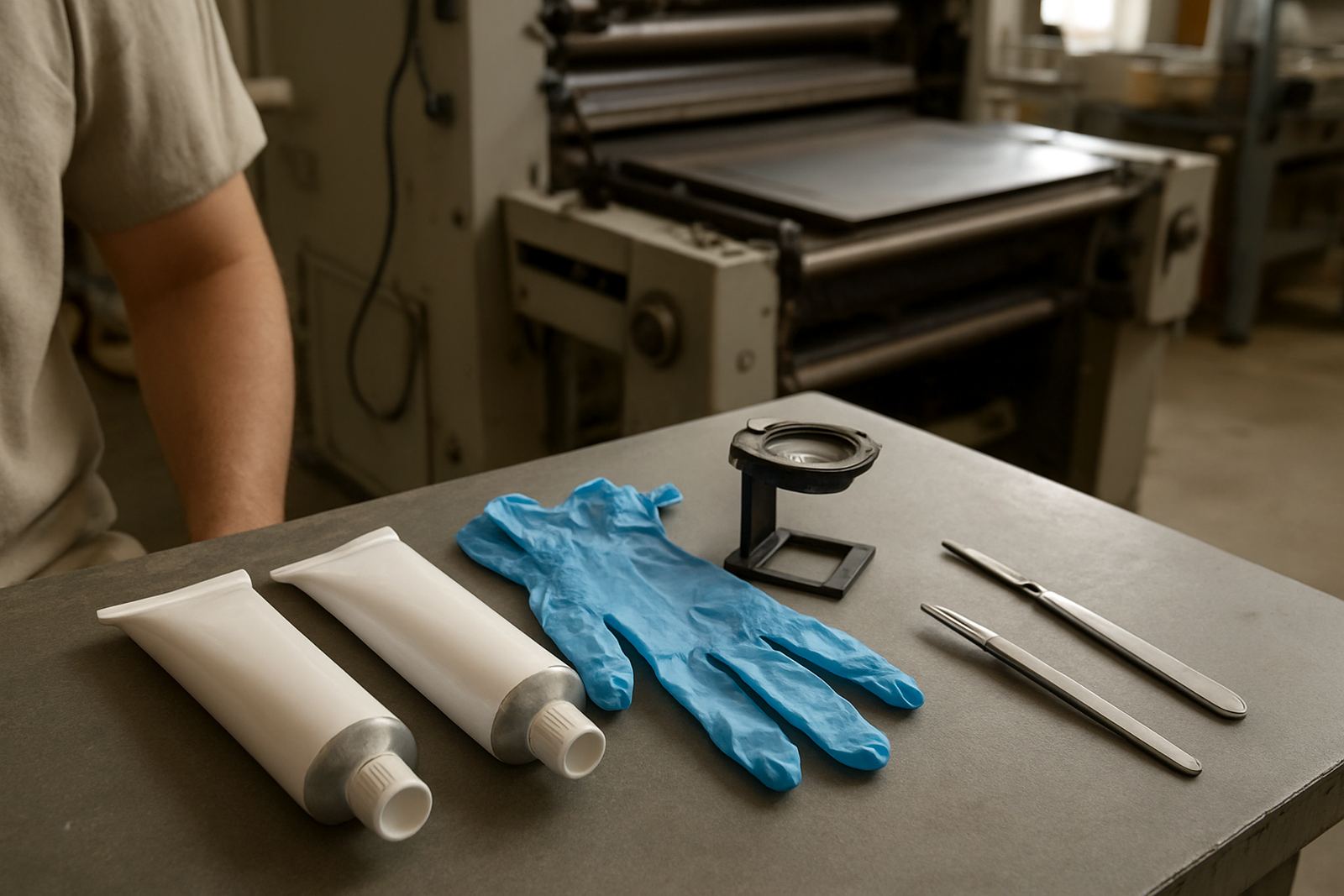
- Use gloves during handling to prevent fingerprints and contamination
Where a pressroom runs long shifts, small issues build up fast. A line that is a little out of balance on Monday can become a major waste problem by Friday, so planned servicing is worth the effort.
Confirming newspaper plate specs
The easiest way to avoid delay is to confirm the press details before placing an order. Check the plate size, thickness, imaging type, punch pattern, and whether the plates need special finishing for your press. It also helps to confirm expected run lengths, because some jobs place different demands on wear resistance and image stability.
You should also note the chemistry used in your plate room, the processor model and any recent changes in make-up water, temperature or replenishment rates. If you have had a change in supplier, or if the press has started showing plate wear, it is worth asking for plate selection support before the next delivery. It cuts out guesswork at the press.
- Press model and cylinder size
- Imaging system and processor details
- Plate size, thickness and punching requirements
- Typical run length and edition mix
- Storage conditions and delivery site
LithoPrinting Plates works with production teams that need practical advice, not guesswork. From supply planning to press startup help, the aim is to keep newspaper work moving without unnecessary waste or stop-start pressure.
Key facts
| Product type | Lightweight newspaper plates for offset production |
|---|---|
| Primary use | High-volume newspaper, inserts and quick-turnaround print |
| Compatibility | CTP imaging workflows with matched processing chemistry |
| Thickness options | Standard newspaper plate gauges by press requirement |
| Finishing | Cut, punched or custom prepared to order |
| Supply area | Nationwide from Industria West, Johannesburg |