What long run plates are used for
Long run plates are used in offset printing jobs that run for extended shifts or several press cycles without losing detail. They are a practical choice for catalogues, cartons, inserts, labels and commercial work where image stability matters more than short-run convenience. In many print rooms, the difference shows up in fewer plate changes, cleaner solids and more predictable make-ready times.
These plates are selected where wear resistance counts. If you are running longer shifts in Johannesburg, Pretoria, Germiston or further afield, a well matched plate can help keep output steady even when the press room is under pressure from humidity changes or tight delivery deadlines.
Sizes, coatings and plate build options
Long run plates are supplied in formats suited to sheetfed and web offset presses, with common choices for different plate setters and press sizes. The exact size depends on your press cylinder and imaging system, so it is important to confirm the finished plate dimension and punch pattern before ordering.
- Common thicknesses: 0.15 mm, 0.20 mm, 0.25 mm and 0.30 mm
- Popular sheet sizes: quarter, half and full press formats, plus cut-to-size orders
- Surface options: unbaked plates, baked plates and high endurance plate coatings
- Use with positive working or thermal CTP systems, depending on your setup
For shops handling mixed work, the plate spec should match the ink system, fountain solution and finishing line. A plate that is fine for a short run may not hold up on a long campaign, so matching the coating to the job is worth the time.
Where these plates suit best
Long run plates suit commercial printers, packaging converters, in-house print rooms and finishing plants that need repeatable output. They are especially useful on work that must hold fine text, sharp linework and stable screens over a large number of impressions. That includes brochures, forms, product sleeves, point of sale work and multi-language print.
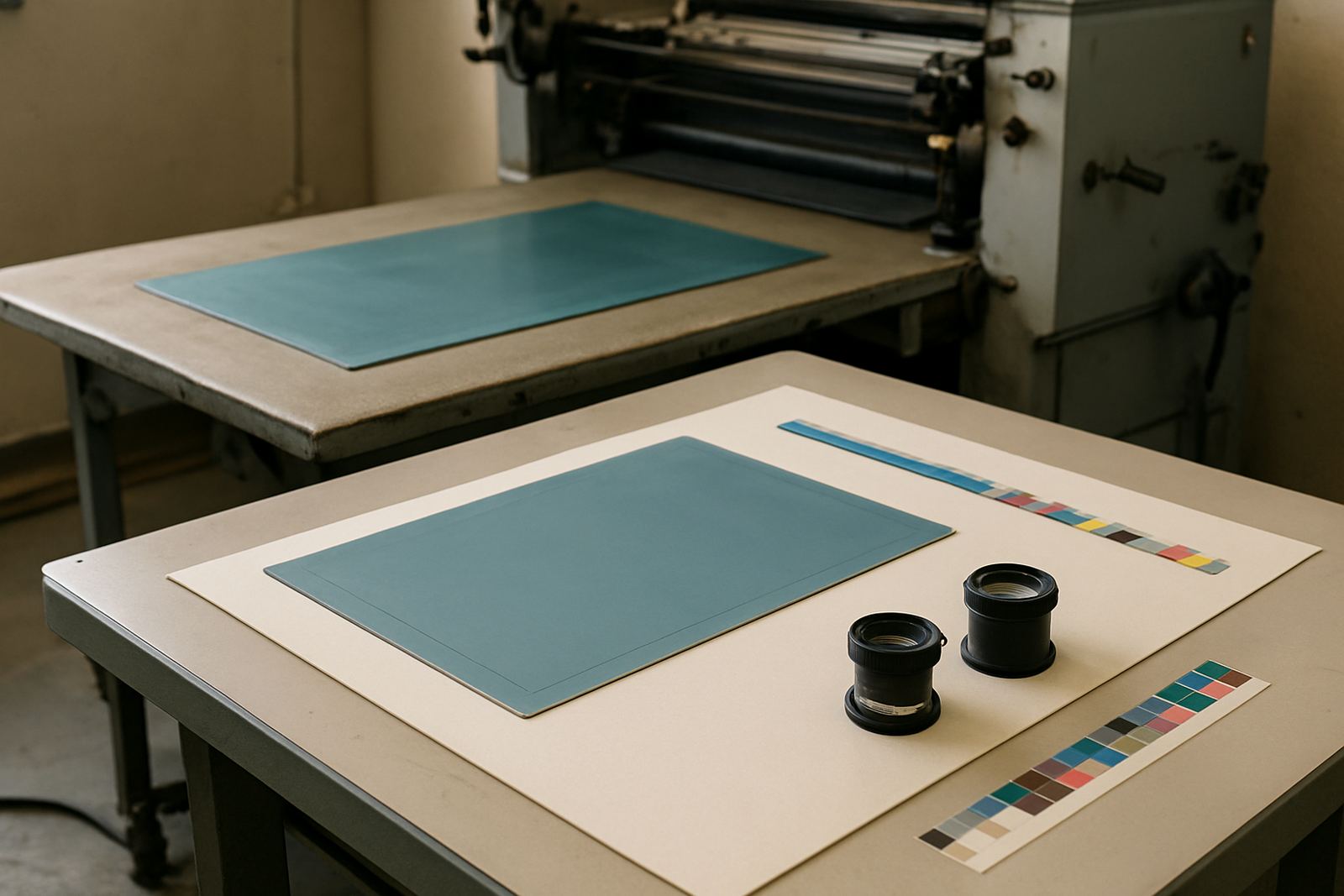
They also help where reprints must match earlier batches. When a customer calls for the same colour and layout three weeks later, the plate needs to behave the same way on press. In that setting, colour stability checks and supply planning become part of the job, not an extra.
- Commercial offset printing
- Packaging and folding carton work
- Long repeat runs for forms and inserts
- Multi-shift production environments
Installation and setup on pressroom equipment
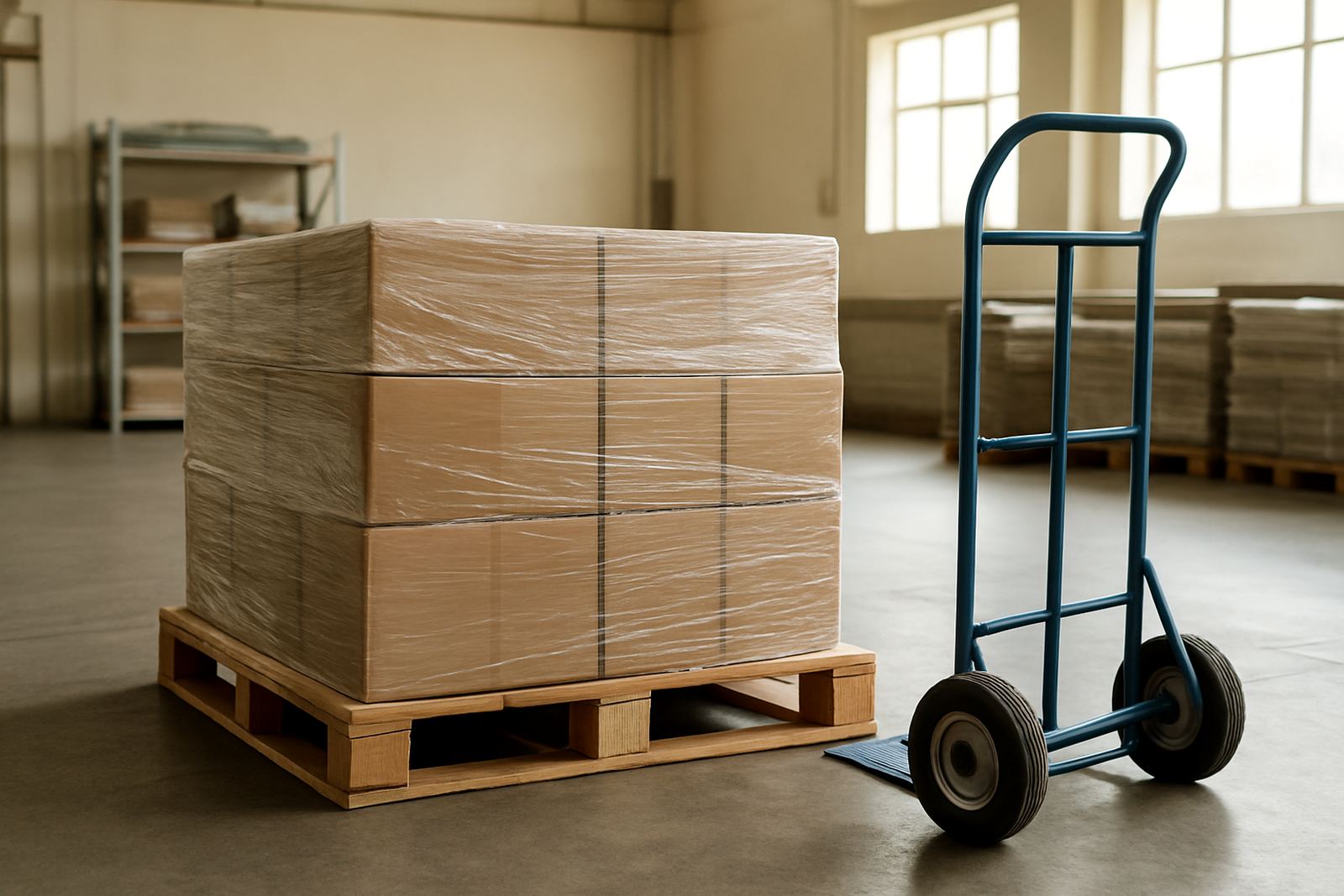
Proper installation starts with the plate room and ends at the press. Plates should be handled with clean gloves, kept flat and protected from dust and moisture before imaging. Once processed, they must be mounted correctly, with the right gripper edge, punch alignment and blanket pressure settings for the press in use.
Most long run plate setups need stable electrical supply for the CTP device and processor, plus a dry, dust controlled room. No gas is normally required for the plate itself, but some finishing and drying lines nearby may have their own utility needs. In older print plants, it is worth checking that the processor, air supply and wash-up area can cope with a full production shift after a restart.
- Confirm plate length, width and thickness before imaging
- Check punch pattern and register marks against the press cylinder
- Keep plate room temperature and humidity within a steady range
- Allow proper drying time after processing
Care, handling and servicing to protect plate life
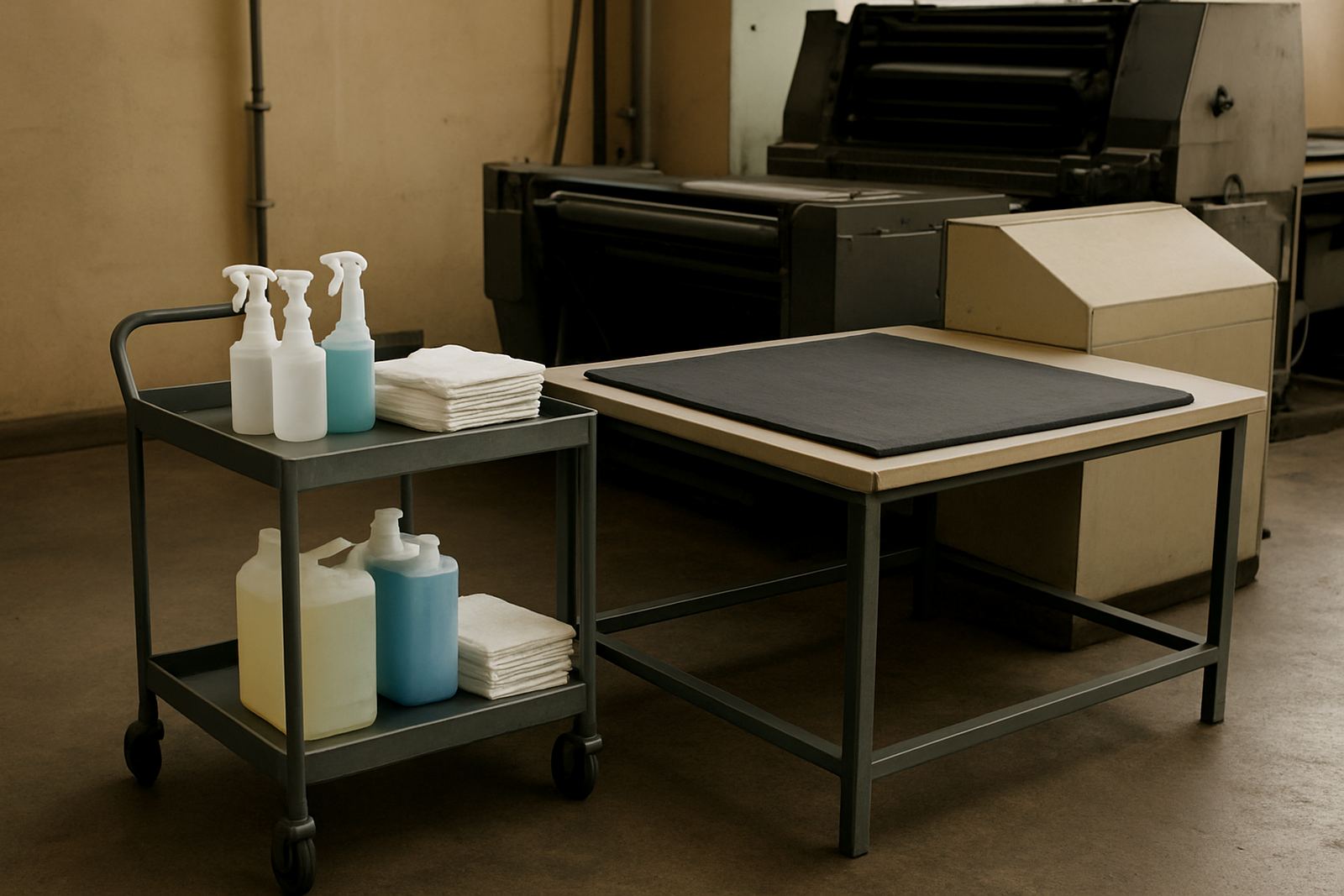
Long run plates last longer when the print room treats them as a precision item. Avoid fingerprints, bending and rough stacking. After press use, follow the wash programme recommended for your ink and chemistry combination so the plate surface does not become glazed or contaminated. A plate that is stored badly can lose performance long before the job is finished.
Processor servicing also matters. If developer strength drifts, or rinsing is uneven, the plate may image well but fail early on press. Regular chemistry balancing and blanket assessment help prevent that. In humid or hot conditions, small changes in wash-up and drying can affect how long the plate holds detail. Check the imaging, processing and press side as well as the plate.
Specifying long run plates
Before placing an order, gather the job details and press information so the right plate can be supplied first time. That saves time at the setter and reduces the risk of rework in the press room. If you are printing in batches across different branches, keep one standard spec sheet for all repeat jobs.
- Press make and format
- Plate thickness and size
- Run length target and ink coverage
- CTP type and processor settings
- Need for baked or high endurance plates
- Delivery point and turnaround time
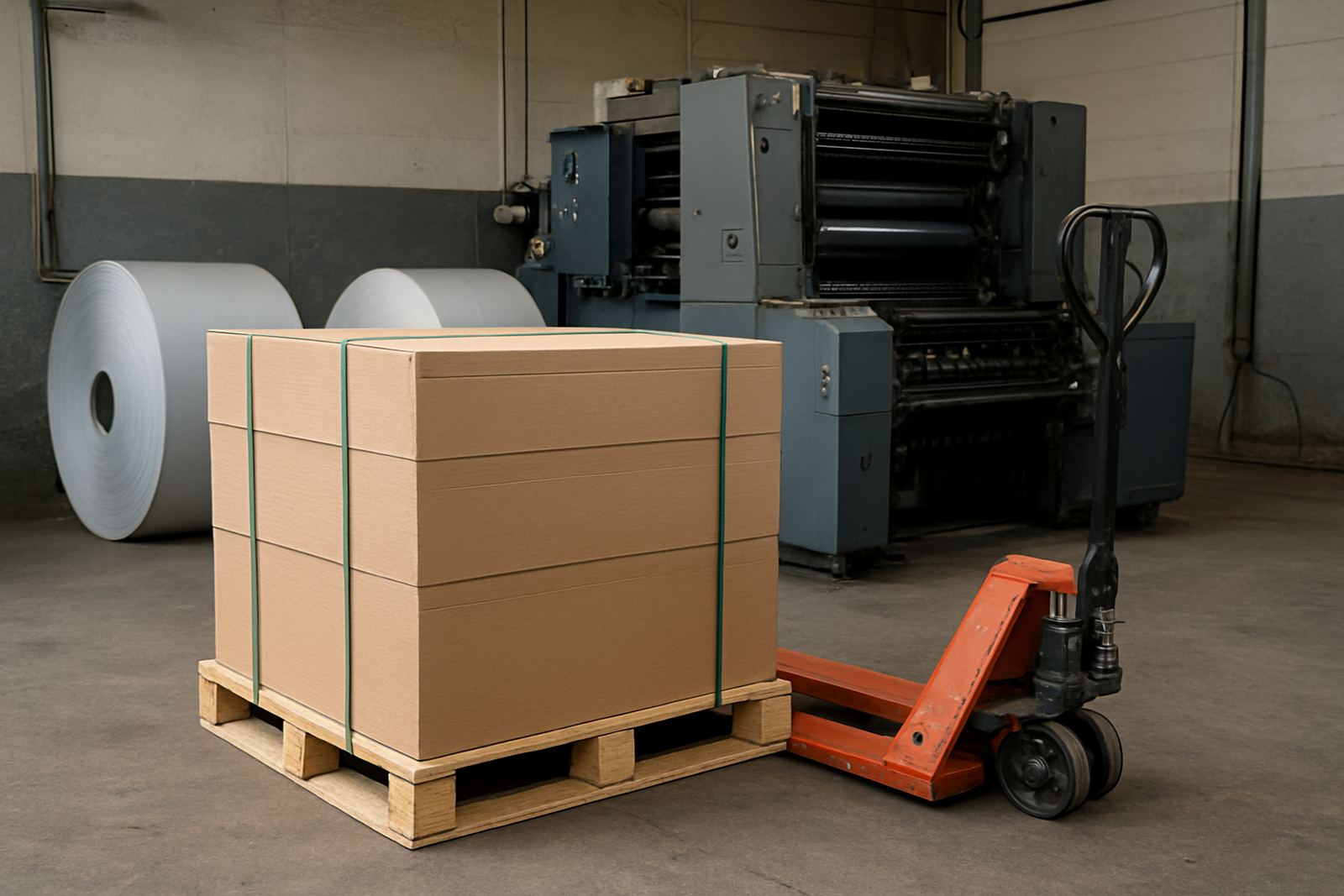
LithoPrinting Plates supplies plate and press consumables nationwide from Industria West, Johannesburg, with support for Roodepoort, Randburg, Midrand, Germiston and Pretoria. The team can assist with plate selection, press startup help, production troubleshooting and supply planning, so your next long run job is set up for fewer stops and steadier output.
Key facts
| Product type | Long run offset printing plates |
|---|---|
| Typical thickness | 0.15 mm, 0.20 mm, 0.25 mm, 0.30 mm |
| Application | Extended print runs, commercial and packaging work |
| Compatibility | CTP systems for sheetfed and web offset presses |
| Key performance | Wear resistance, image stability, repeatable colour |
| Supply area | Nationwide from Johannesburg City West |