What Plate Storage Racks Do in a Print Plant
Plate storage racks are purpose-built units for holding printing plates in a neat, upright or flat arrangement depending on the layout of the store and the type of plate stock you use. In a busy litho, flexo or finishing environment, plates can get damaged quickly if they are stacked on the floor, left against walls or moved around in loose bundles. A proper rack gives each set a fixed place, which helps with stock control and reduces handling damage.
For operations in Johannesburg, Pretoria, Germiston and the rest of Gauteng, this matters even more where shifts are tight and the loading area is often shared with chemistry, blankets and job bags. A rack keeps stock off dusty floors, away from forklift traffic and clear of damp spots near roller doors. It also makes it easier for the team to pull the correct plate size without wasting time sorting through mixed material.
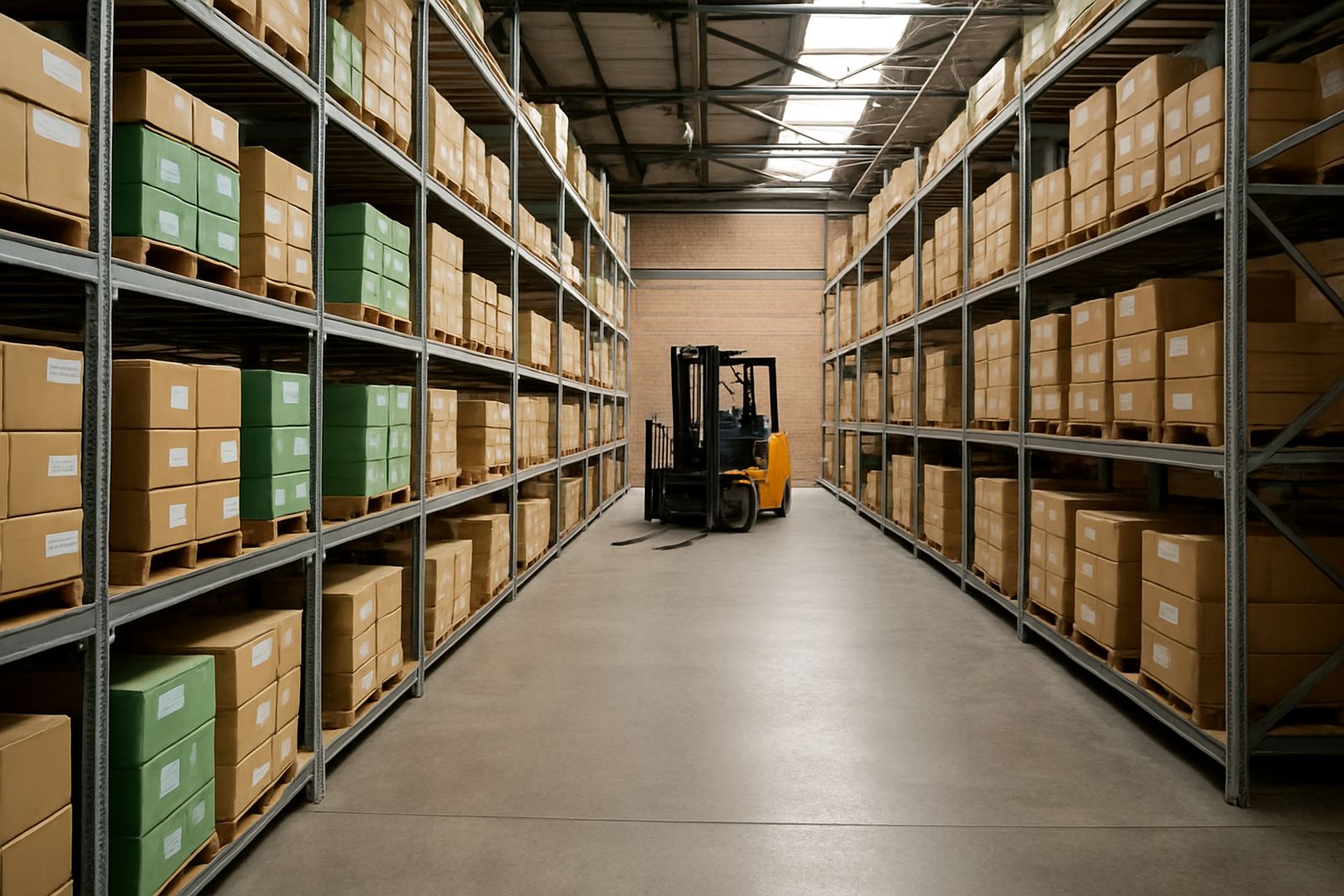
We supply rack options suited to plate rooms, prepress stores and press-side holding areas. Some sites need compact wall-adjacent units, while others need larger freestanding systems with higher capacity. The right choice depends on plate format, stock turnover and the available floor space. On some jobs a simple rack solves a long standing mess with very little change to the room layout.
Sizes, Load Capacity and Layout Options
Plate racks are selected according to the plate size range and how much stock you need to keep on hand. Smaller operations may only need a single unit for common sheet sizes, while larger plants often prefer multiple bays so new and used plates can be separated. If you print across several machine sizes, the rack should make that separation clear at a glance.
Typical options include vertical slots, slanted bays and flat shelf-style storage. Vertical storage works well where floor space is limited. Slanted bays are useful for quick visibility and cleaner handling. Flat shelving suits plates that must stay very stable during storage, especially in areas with frequent movement or vibration from nearby equipment.
Common specification points include:
- Plate lengths from small-format to wide-sheet stock
- Depth options to suit packed or loose plate sets
- Number of bays or slots per unit
- Load rating per shelf or section
- Powder-coated or treated metal finishes
- Fixed base or mobile castor option where movement is needed
In humid conditions, extra attention should be given to finish quality and ventilation around the stored plates. In inland plants, dust control may be the bigger issue, especially where doors remain open during loading. A good rack should handle both without fuss.
Where Plate Storage Racks Fit Best
These racks suit prepress departments, plate rooms, small print shops, trade finishers and larger factories with separate plate stores. They are particularly useful where plates arrive in batches and need to be sorted by size, job, expiry or line. If your team prepares plates for multiple presses in one shift, the rack becomes part of the workflow rather than only a storage item.
They are also useful in mixed production sites where chemistry, blankets and spare parts are stored nearby. Clear segregation helps reduce contamination and keeps plate surfaces cleaner. A rack can be positioned near the processor, near the inspection table or closer to the pressroom depending on how plates move through your plant.
- Prepress rooms with regular CTP output
- Pressrooms needing short-term plate holding
- Trade printers with high job mix
- Plants that need better FIFO stock control
- Sites with limited floor space and narrow aisles
For businesses in Roodepoort, Randburg and Midrand, space is often the main challenge. A properly sized rack can free up a surprising amount of usable floor area, which helps with pallet movement and safer access during peak production times.
Installation, Access and Site Requirements
Most plate storage racks simply stand or bolt in place. They are mechanical storage units, so the main requirement is a level floor and enough clear access for loading and retrieval. If the unit is mobile, the floor should be smooth enough for castors and free of debris. If it is fixed, anchoring may be needed depending on the height and load.
Before installation, check aisle width, door clearance and nearby traffic flow. It is no use fitting a wide rack if the plate trolley cannot turn properly. The rack should allow staff to remove plates without bending too far or dragging stock across edges. Good access reduces scratched coatings and bent corners. That saves money and time, especially when the press is waiting.
Some plants prefer a rack near the plate processor so finished plates can cool and settle before transfer. Others place it closer to the pressroom for faster access during startup. Either way, the unit must not block emergency routes, fire equipment or access to service panels. Municipal safety rules and internal housekeeping standards still apply, even if the rack itself is simple.
Care, Cleaning and Ongoing Servicing
Plate racks need very little servicing, but they do need routine inspection. Wipe down dust, check for sharp edges and make sure fasteners remain tight. In dusty industrial areas, a quick cleaning schedule is worth more than occasional deep cleaning. If the rack is in a humid area, check for early signs of surface corrosion and deal with them before they spread.
Care should also include inspection of any rubber liners, separators or label holders fitted to the unit. These small parts make a difference to plate protection and stock identification. If castors are fitted, inspect the wheels for flat spots, looseness and trapped debris. A stuck wheel can twist the frame over time.
- Keep the rack dry and away from chemical splash zones
- Do not overload bays beyond the stated capacity
- Use clear labels for sizes and job groups
- Remove warped or damaged plates promptly
- Check bolts, feet and wheel assemblies during monthly maintenance
Where plant maintenance is scheduled around production peaks, it helps to include rack checks alongside the usual pressroom inspections. It takes little time and avoids small faults turning into handling problems later.
What to Check Before You Order
Before ordering a plate storage rack, measure the plate sizes in use now and the sizes likely to be added later. Think about how many plates must be held at peak production, not only on an average day. If you are expanding from one press to several, allow for the extra stock now rather than buying a second rack too soon.
Confirm these plate rack details before ordering for your Johannesburg press room:
- Largest plate size and typical quantity per size
- Available floor space, wall space or aisle width
- Whether you need fixed or mobile storage
- Preferred storage style, upright or flat
- Finish requirement for dusty or high-moisture areas
- Any label, divider or stock coding needs
It also helps to confirm whether the rack must be used only for new plates or for both new and used plates. Mixed use can work, but only if the layout makes that clear. For plants in City West, Industria West and nearby industrial areas, practical layout normally matters more than fancy features. A sound rack should protect plates, save space and keep production moving. That is the real value.
Key facts
| Product type | Plate storage racks for print rooms and plate stores |
|---|---|
| Typical use | CTP plate storage, job sorting and short-term holding |
| Sizes available | Custom to plate format and site layout |
| Finish | Industrial metal with protective coating options |
| Mounting | Freestanding, fixed or mobile depending on model |
| Site needs | None |