What Ink Duct Foil Does in a Pressroom
Ink duct foil sits in the ink fountain or duct area as a temporary lining between the ink and the metal surface. It helps reduce build-up, limits carry-over from one job to the next and makes cleaning after a run much easier. For plants that move from short-run work to longer commercial runs, that can save a fair bit of time over a week.
The main use is control. By giving the operator a clean lining, the duct is easier to monitor for contamination, dried ink and unwanted staining. It also helps protect the duct from repeated scrubbing and reduces the chance of residue affecting the next colour. On a busy floor in Johannesburg, Pretoria or Durban, that sort of housekeeping matters because downtime costs money.
Ink duct foil is not a replacement for good press discipline. It works best with proper wash procedures, correct ink handling and routine checks on the duct itself. If the foil is used badly or left in too long, you can still get issues with wrinkles, edge lift or ink bleeding under the liner. A neat fit and the right size make all the difference.
Sizes, Thicknesses and Format Options
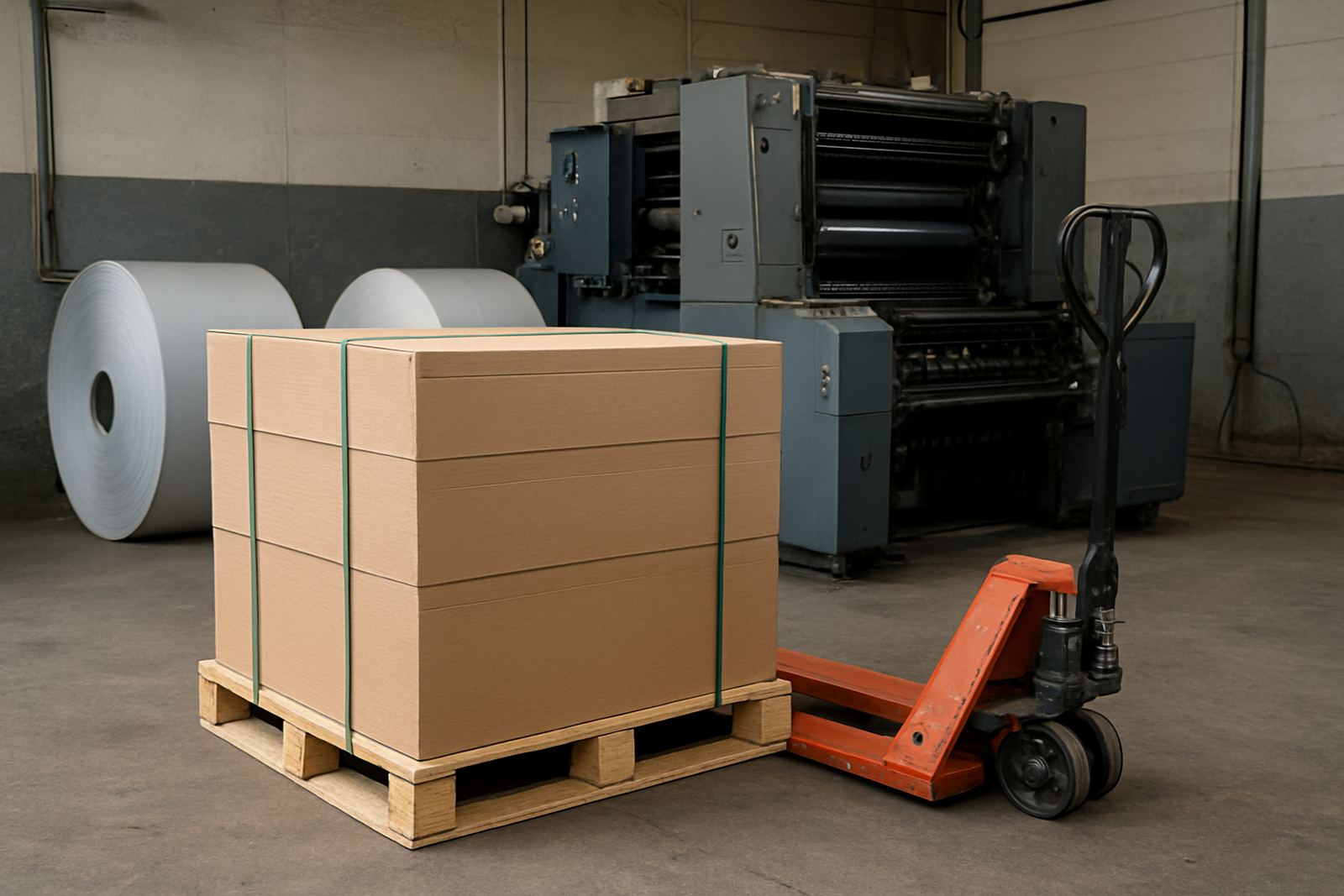
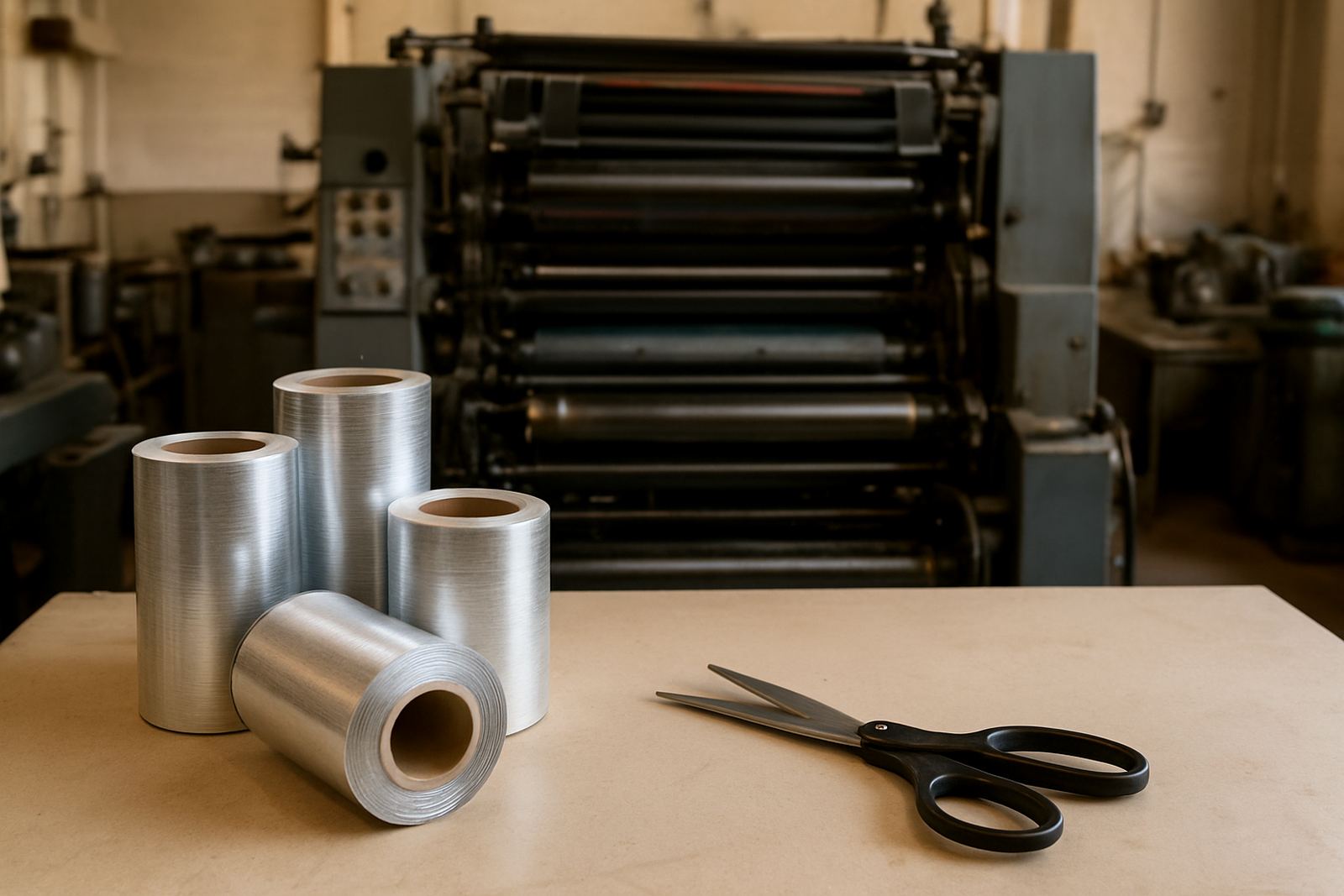
Ink duct foil is usually supplied in rolls or cut lengths depending on the press and the way the pressroom works. Common widths cover smaller single-colour units through to wider multi-unit machines, and the liner can often be trimmed on site to suit the exact duct length. For most print rooms, the important point is not having the biggest roll, but the right width and a clean, straight cut.
Typical options to ask for include standard or heavy-duty foil, smooth or lightly textured surface finish, and rolls made for either manual fitting or easier pull-and-place installation. Some plants prefer a thinner foil for quick changeovers, while others want a tougher grade for longer runs and heavier ink loads. If you handle a lot of dark colours, metallics or frequent spot colour work, a heavier grade may be the safer choice.
- Widths to suit common offset press duct sizes
- Rolls or cut sheets for faster fitting
- Light, medium or heavy-duty grades
- Single-side clean surface for direct ink contact
- Trim-to-fit format for press-specific application
When ordering, it helps to give the duct length and effective width, plus the press model if available. That avoids waste and cuts down on trimming at the machine, which is always better when the shift is already under pressure.
Where Ink Duct Foil Fits South African Press Work Best
This product suits sheet-fed offset plants, commercial printers, finishing lines with inked components, and shops that need repeatable clean-downs between jobs. It is especially useful where there are frequent colour changes, tight turnaround times or multiple short runs in a single day. Smaller firms in Roodepoort and Randburg often use it to keep the pressroom cleaner without adding a lot of labour.
It also helps in high-humidity spells when residue can become tacky or where dust sticks to damp surfaces. In inland areas, especially where tight schedules squeeze production timing, anything that shortens wash-up and restart time can be a practical advantage. The less time a press stands open, the less chance there is for dirt, dried ink or operator error to creep in.
- Commercial litho and general offset work
- Repeat short runs where colours change often
- Plants handling solid coverage and spot colours
- Pressrooms wanting cleaner changeovers and less wipe-down time
- Sites with strict housekeeping or quality control checks
It is less about one special application and more about practical housekeeping. If your team is trying to keep the duct clean, reduce contamination and get the next job onto press faster, duct foil is worth specifying.
Fitting Foil in the Duct
Ink duct foil is cut and laid into the duct by hand. It is a manual consumable fitted by the press crew during setup or between jobs. That makes it simple to use in any plant, whether you are in Industria West or managing satellite sites in Pretoria and Midrand.
Clean and dry the duct before fitting the foil. Remove old residue, check for burrs or sharp edges, then place the foil neatly so it lies flat with no folds across the ink path. If the foil is loose or badly tensioned, it can move during operation and affect consistency. A small crease might seem harmless at first but it can lead to uneven ink feed or trapped dirt.
Most teams keep a few basic tools at hand for trimming and securing the liner. Good knives, straight edges and a clean work surface are enough in many cases. The press should be stopped and isolated before fitting. If your house procedure requires lockout or a sign-off before maintenance tasks, stick to that every time.
Care, Servicing and Changeover Routine
Because the foil is disposable, care is mostly about correct use and sensible replacement intervals. Replace it when it becomes stained, torn, heavily creased or contaminated with dried ink. Some operators try to stretch a liner past its useful life but that usually costs more in cleaning time than it saves in material.
After use, inspect the duct for residue, damage and sharp edges before fitting the next liner. This is also a good time to check whether the ink sequence, wash programme or press handling could be improved. A clean foil works best when the rest of the changeover routine is sorted too, including proper blanket cleaning and accurate plate handling.
- Replace after heavy staining or tear-through
- Store rolls flat and away from dust
- Keep away from direct sunlight and heat
- Use clean hands or gloves when fitting
- Record consumption by press unit for planning
If a plant is using duct foil often, it can be useful to include it in monthly supply planning along with chemistry, blankets and plate consumables. That makes ordering easier and helps avoid last-minute shortages before a deadline. It also keeps stock levels steadier, which matters when freight schedules shift or a job lands unexpectedly.
What to Check Before You Order
Before you place an order, measure the duct length, the usable width and any areas where the liner must clear fittings or side walls. Confirm whether you need a roll, pre-cut sheets or a custom length. If there are several presses on site, list each one separately because a single size rarely suits every unit.
It is also worth checking the ink types used most often. Heavy solids, long runs and tougher cleaning cycles may call for a different grade than light commercial work. If your team has had issues with edge lift, slippage or quick wear, say so up front. That information helps match the foil to the way the pressroom actually runs.
- Duct length and effective width
- Press make and unit size if available
- Manual fit or cut-to-length preference
- Normal ink load and job mix
- Frequency of colour changes per shift
- Any site rules for clean-room or food-safe production
For plants in Johannesburg, Germiston, Pretoria and surrounding areas, it is often easiest to bundle duct foil with other printroom supplies so deliveries stay simple. If you are not sure which format will suit your press best, share the machine details and the way your team handles changeovers. That usually gets you to the right option quicker, no fuss.
Key facts
| Product type | Disposable ink duct lining foil for print presses |
|---|---|
| Typical supply format | Rolls or cut lengths |
| Fit | Trim-to-size for press-specific duct dimensions |
| Material use | Single-use consumable for cleaner changeovers |
| Fitting | Cut and laid by hand |
| Common use environment | Offset printrooms, commercial presses and short-run changeovers |