What register pins do in a busy print room
Register pins are used to locate plates in a fixed position during plate preparation and mounting, so the image lands where it should from sheet to sheet. In practical terms, they support better repeatability when you are running short notices, packaging, forms, labels or longer commercial jobs that must hold tight register across the run.
For print shops in Johannesburg, Pretoria, Midrand and beyond, that consistency matters when temperatures shift through the day or when a press is restarted after standing idle. A plate that sits properly on the register points is easier to handle, quicker to check and less likely to cause chasing on the press floor.
- Helps with accurate plate location during pre-press
- Reduces manual repositioning and avoidable set-up time
- Supports cleaner plate changes and better repeatability
- Useful for offset, flexo and finishing workflows
Sizes, styles and matching the right set
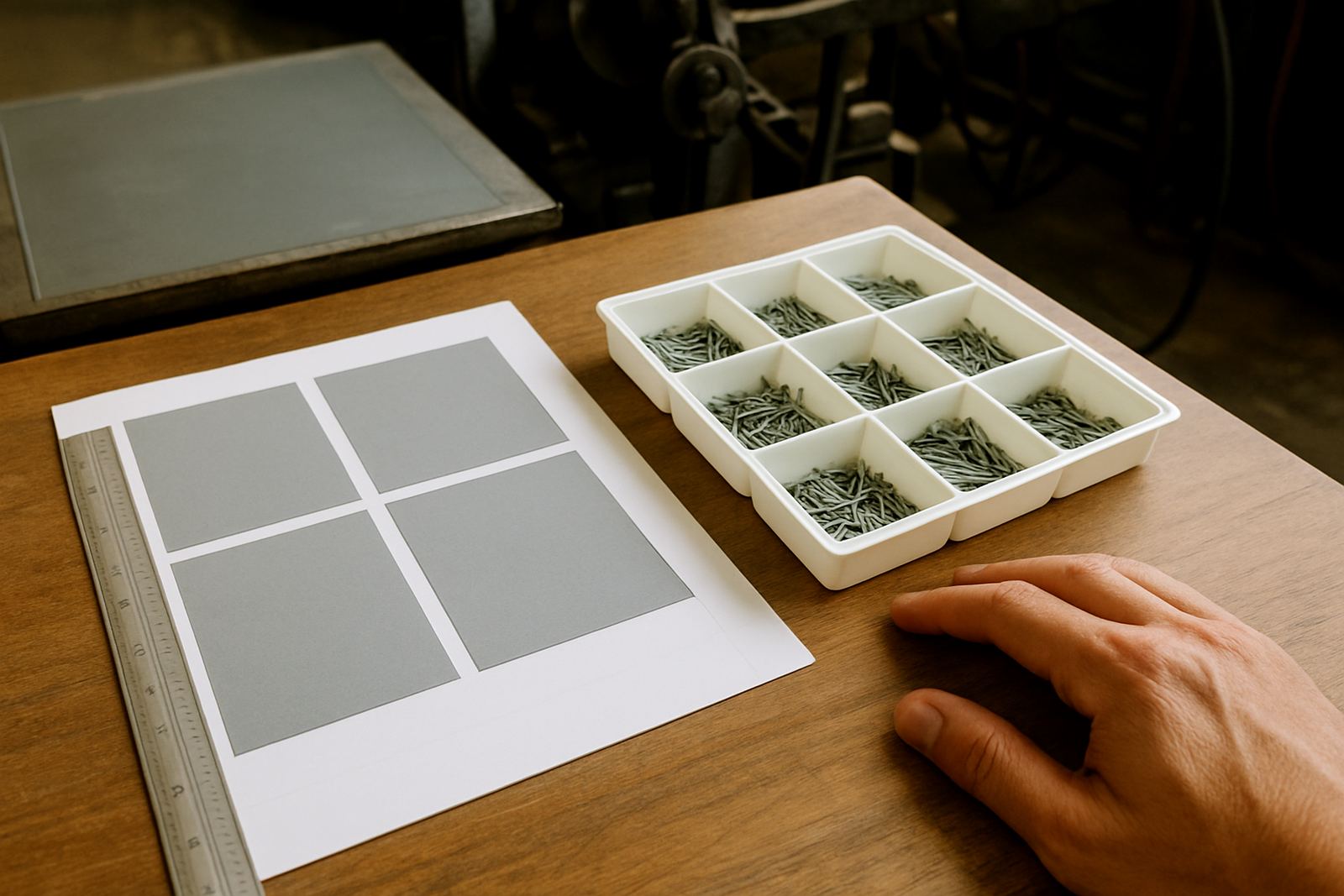
Register pins are supplied in sets and can vary by diameter, length, head style and fixing method. The right choice depends on the plate type, mounting method and how your team handles plates on the line. Some shops prefer shorter pins for tighter spaces, while others need a slightly longer body for easier handling with gloves or where the plate carrier sits deeper in the setup.
Common options include pins for standard plate preparation, heavier-duty use on repeat jobs and versions that suit more frequent handling. If your team works with mixed formats, it is worth matching the pin set to the most common plate size first, then checking whether the same set can support your secondary sizes as well.
- Available for standard and specialist plate handling setups
- Choose by diameter, length and locating style
- Suitable for small format and larger production work
- Can be matched to repeat jobs for faster make-ready
Where register pins fit best in South African production
These pins suit print businesses that need accurate plate location in pre-press, plate storage, proofing and pressroom preparation. They are commonly used in offset environments, but also assist flexo and print finishing operations where repeat positioning is important and time on the floor is limited.
In humid weather, plates and pins can behave differently during handling. In inland sites like Johannesburg or Pretoria, dust and dry air can affect cleanliness around mounting points. Register pins help bring a bit of order to that process, especially where teams are working through multiple jobs and different shift changes.
- Offset plate preparation and mounting
- Flexo plate handling and alignment checks
- Print finishing and repeat positioning work
- Short-run and multi-job production schedules
Fitting and setup
They are a mechanical locating item, so installation is straightforward, but the setup must still be accurate. Pins should sit square, secure and in the correct positions for the plate size and mounting method being used. If the locating points are off, the plate will carry that error through the rest of the job.
Most shops will install them into a plate handling jig, mounting station or designated alignment area. Before first use, check that the surface is clean, the fixing points are tight and the plate can seat without strain. If your team is working around limited space in Industria West, Roodepoort or Germiston, make sure the pin area is protected from knocks and daily clutter.
- No electrical, air or gas connection required
- Fit into a mount, jig or plate handling station
- Keep locating points clean and free of debris
- Check squareness before putting them into service
Care, servicing and when to replace them
Simple parts like pins still need regular care. Wipe them clean after handling, inspect for bending or wear and check that they are not loosening in the mount. If a pin starts to show flattening at the locating edge or if plates no longer sit consistently, it is time to replace the set rather than forcing a workaround.
During busy periods, especially when a plant is trying to catch up after a stoppage, small alignment faults can become expensive. A quick daily check is cheaper than re-running plates or correcting poor register on press. Keep spares on hand if your operation runs high volumes or depends on same-day turnaround.
- Wipe ink, dust and residue off once you are done
- Inspect for bend, wear or looseness
- Replace damaged pins before register issues grow
- Keep spare sets for urgent work and night shifts
What to check before ordering
Before you place an order, confirm the plate format, fixing method, pin diameter and whether the set must suit manual handling or a machine-mounted application. It also helps to know how many sets you need per line, and whether your team wants one standard size across the shop or separate sets for different production areas.
If you are supplying more than one branch, such as Midrand, Randburg or Pretoria, write down the job type and who will use the pins. That way the right set lands in the right place first time, with less back-and-forth and no guessing on the floor.
- Plate size and carrier or mount type
- Pin diameter, length and fixing style
- Number of sets needed per shift or line
- Manual or machine-assisted mounting
Chosen for print shops that run repeat register work
LithoPrinting Plates supplies register pins for production teams that cannot afford avoidable misalignment. From Industria West to branches and job sites across South Africa, the aim is the same: keep plate handling accurate, reduce waste and help your team work with fewer interruptions.
If you need help matching pins to your plates or checking what will suit your current setup, our team can talk through the job, the format and the handling process before you order. That includes support for plate selection, press startup help, production troubleshooting and supply planning when your schedule is tight.
Send a message through our contact form for pricing, availability and technical guidance.
Key facts
| Product type | Register pin sets for plate alignment |
|---|---|
| Use | Pre-press locating and plate handling |
| Material | Durable metal construction for repeated use |
| Power/Gas | None required |
| Typical sizes | Standard and specialist lengths and diameters |
| Application | Offset, flexo and print finishing workflows |