What Plate Cleaner Does On Press And In Prep
Plate cleaner is used to lift ink residues, glaze and light oxidation from printing plates so the non-image areas stay clean and the image areas keep their detail. In day to day production it can help reduce scumming, improve water balance on press and cut down on the time spent scrubbing plates by hand.
For printers in Johannesburg, Pretoria, Midrand and the rest of Gauteng, this matters when jobs are running back to back and there is no time for weak plates or dirty starts. A proper cleaner is not just a wipe down fluid. It must work quickly, leave minimal residue and suit the plate type being used. Used correctly, it supports cleaner make ready and more stable colour on longer runs.
- Removes ink haze, fingerprints and surface grime
- Helps maintain clean non image areas
- Supports faster start ups after plate changes
- Useful for routine cleaning between repeat jobs
Sizes And Formats Available For Different Pressrooms
Plate cleaner is commonly supplied in ready to use liquid form, though some plants prefer concentrated product for controlled dilution. Packaging can range from small 1 litre bottles for plate room use to 5 litre, 20 litre and drum quantities for higher volume sites. The right choice depends on plate turnover, storage space and how many presses are being supported.
For a City West supplier, the key is matching pack size to actual consumption. A smaller shop in Roodepoort may use bottles for hand cleaning and spot work, while a larger operation in Industria West or Germiston may need bulk containers for daily plate prep. If your team handles plates for offset, flexo and finishing lines, separate pack sizes can help with stock control and prevent mix ups.
- 1 litre bottles for bench use and spot cleaning
- 5 litre containers for regular plate room replenishment
- 20 litre pails for busy production sites
- Bulk supply for scheduled monthly ordering
Where Plate Cleaner Suits Best In South African Printing
This product suits sheetfed offset, web offset, flexo plate handling and finishing departments where plates need to be kept clean between changeovers. It is also useful in prepress areas where operators clean plates before fitting them to the press or before storage. In damp storerooms, plate surfaces can show oxidation sooner so cleaning habits matter more.
Plate cleaner is most effective where there is a clear routine and trained staff. If the pressroom runs long shifts or early morning starts, the cleaner should be easy to apply and quick to dry. It must not leave a heavy film that upsets fountain solution or attracts dust. That is especially important in warmer plants or where plates sit open for a while before mounting.
- Offset plate rooms and press bays
- Flexo plate handling areas
- Short run and repeat job work
- Sites dealing with humidity, dust or frequent stoppages
Plate Cleaner In Daily Use
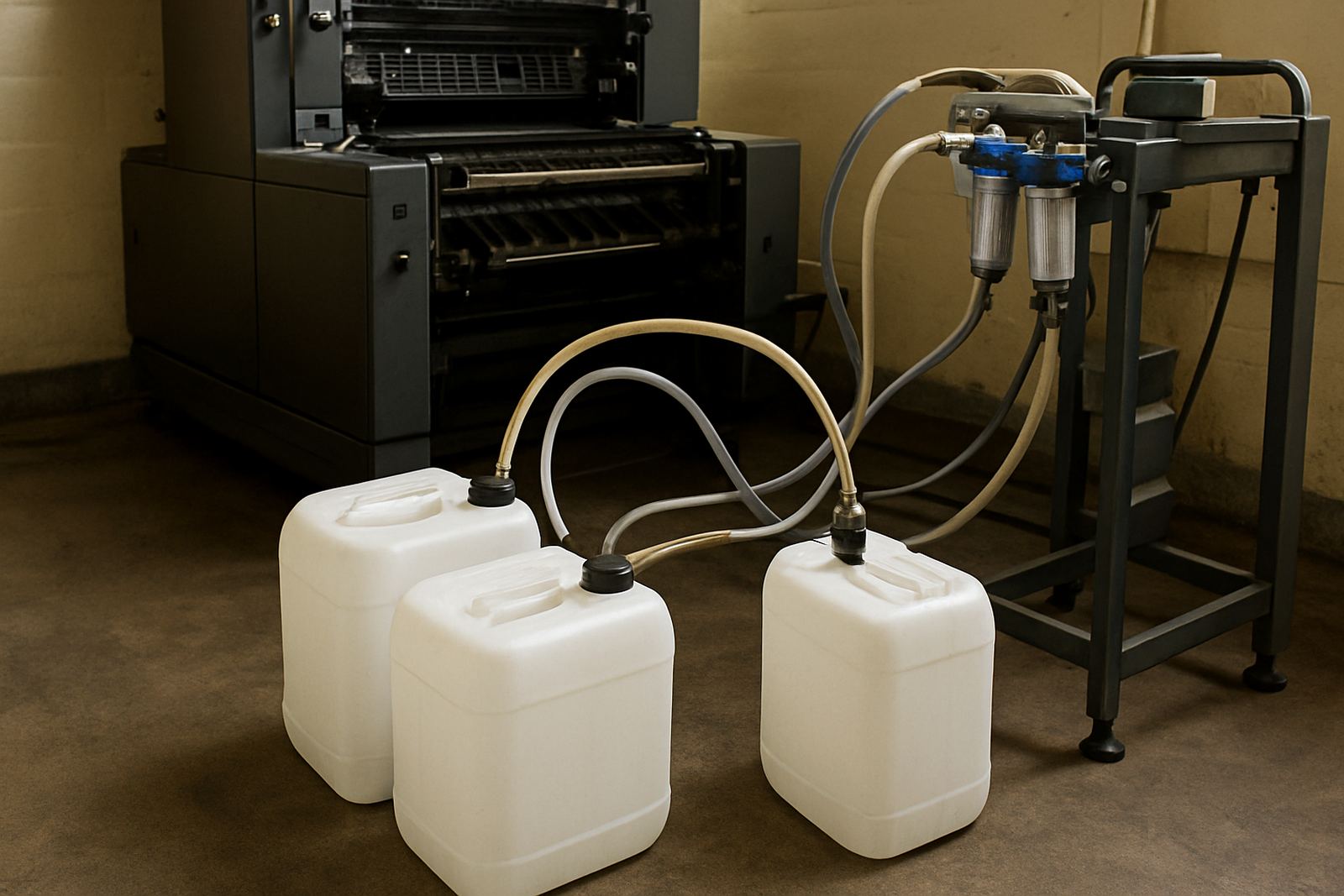
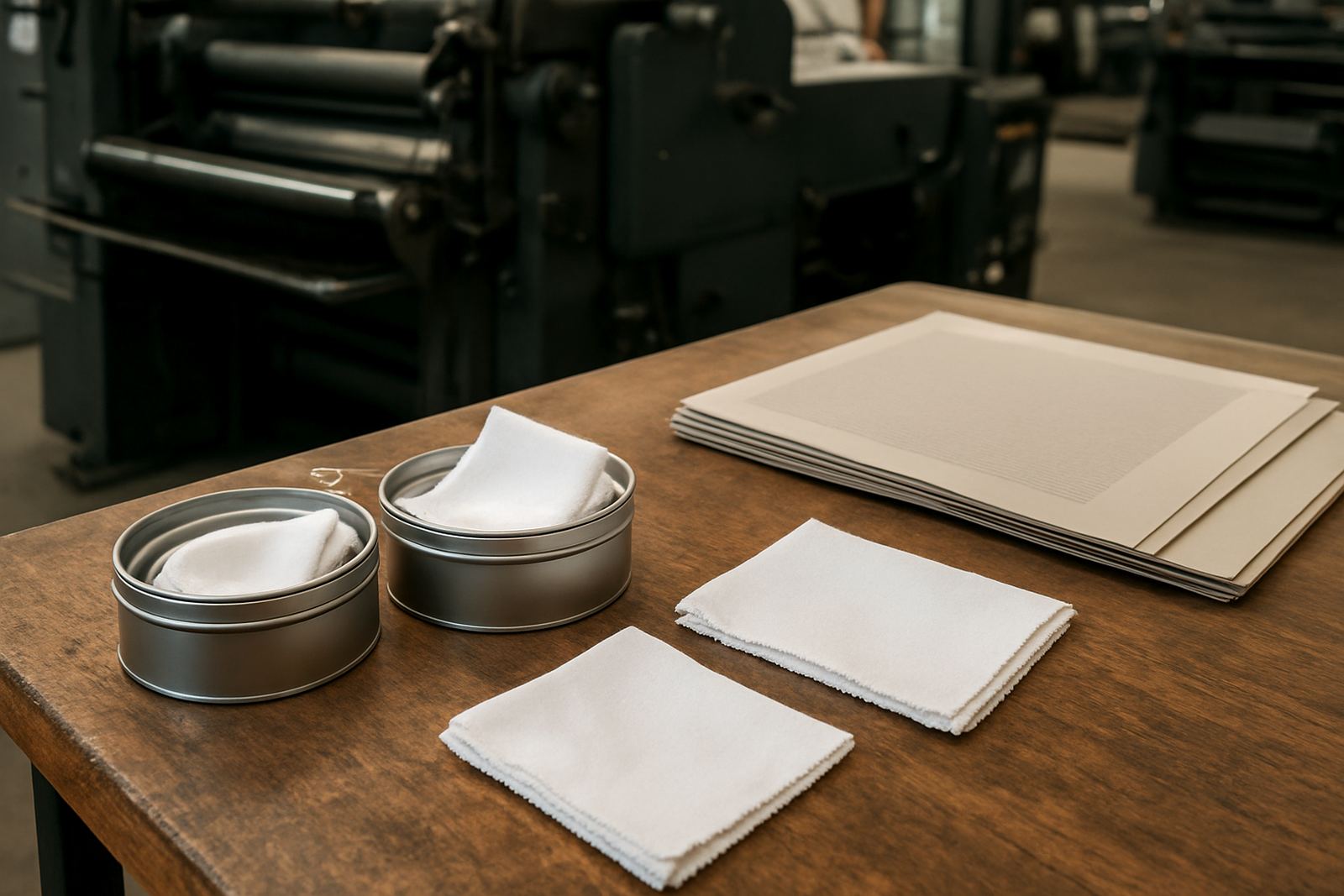
Plate cleaner goes on by hand or pad, while the processor and press around it have their own settings to respect. If the product is used with a plate processor, spray unit or cleaning station then the machine requirements must be checked before ordering. Some sites use hand application only, while others prefer pump dispensers or enclosed wash systems for better control and less waste.
Good handling makes a difference. Staff should wear suitable gloves and eye protection, keep the container closed when not in use and store it away from direct sun. In a hot warehouse the product should not be left next to solvents or open chemistry. If your operation uses wash programmes and plate handling training, the cleaner can be built into a set procedure so the same result is achieved every shift, even when the team changes. Sticking to the routine prevents most cleaner problems.
- Check if it is for hand use, spray use or machine assisted cleaning
- Confirm any power needs if the cleaner is part of a washing unit
- Store clear of heat, flames and sun
- Use PPE and follow the safety sheet on site
Care, Servicing And Storage To Protect Product Quality
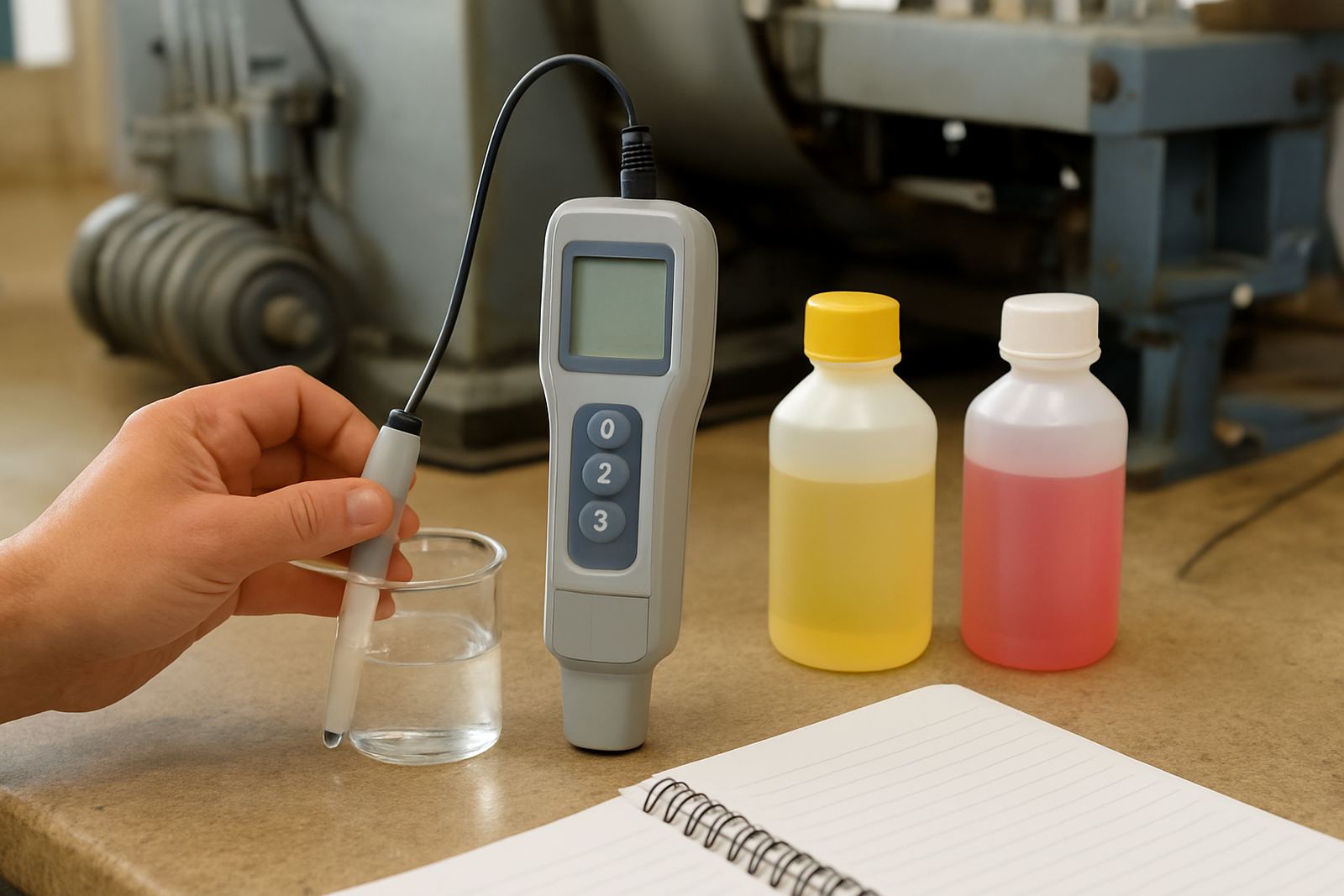
Plate cleaner should be stored upright in a cool dry place with the lid sealed tightly after use. If containers are left open, evaporation can change the working strength and cause unnecessary waste. On busy sites it helps to assign one person to check stock levels and rotate older packs first. That simple habit prevents stale product sitting on the shelf too long.
If the cleaner forms part of a broader plate and press supply programme, it should be reviewed together with chemistry balancing, blanket assessment and production troubleshooting. Sometimes the issue is not the cleaner itself but the way it is used with water settings, dirty cloths or worn press blankets. Regular servicing of related equipment such as processor units and dosing systems also helps keep the product performing as expected.
For plants in Industria West, Randburg and Pretoria, where shift changes and deadlines are tight, a short weekly check is usually better than waiting for a failure. Look for clouding, separation, settled solids or damaged seals before use.
What To Check Before You Order
When ordering plate cleaner, start with the plate type, the press type and the cleaning method used on site. A cleaner that suits one workflow may be too aggressive or too mild for another. If the print room runs both offset and flexo jobs, make sure the product is suitable for the full range or specify separate products for each area.
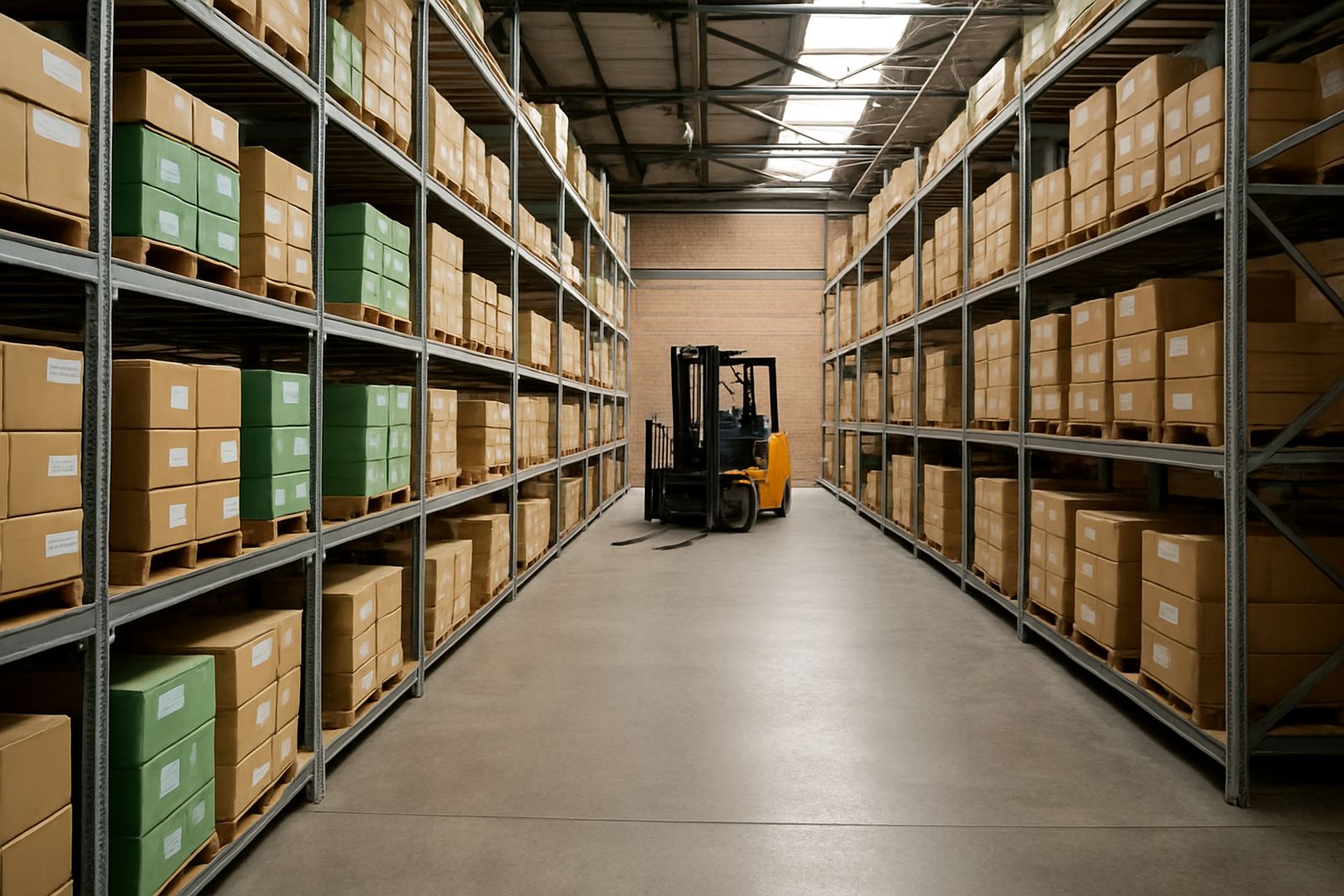
It also helps to confirm stock use rates, container size and whether the product must be delivered with other chemistry or plates. A supplier should ask about your turnaround times, storage conditions and any municipal or site safety rules that affect chemical handling. In large plants, the ordering note should include the contact person, receiving hours and whether forklift offload is needed.
- Plate type and press process
- Cleaning method and application area
- Required pack size and monthly usage
- Storage conditions and delivery access
Key facts
| Product type | Plate cleaner for printing plates and pressroom use |
|---|---|
| Main function | Removes ink, oxidation and light staining while protecting image areas |
| Pack sizes | Sizes: 20 L drums down to 1 L bottles, bulk also possible |
| Suitability | Offset, flexo and plate room cleaning workflows |
| Site needs | Not required for hand use; machine assisted systems may need equipment power |
| Typical supply area | Nationwide from Industria West, Johannesburg with delivery to major centres |