
A catalogue run that had to hold colour from page one
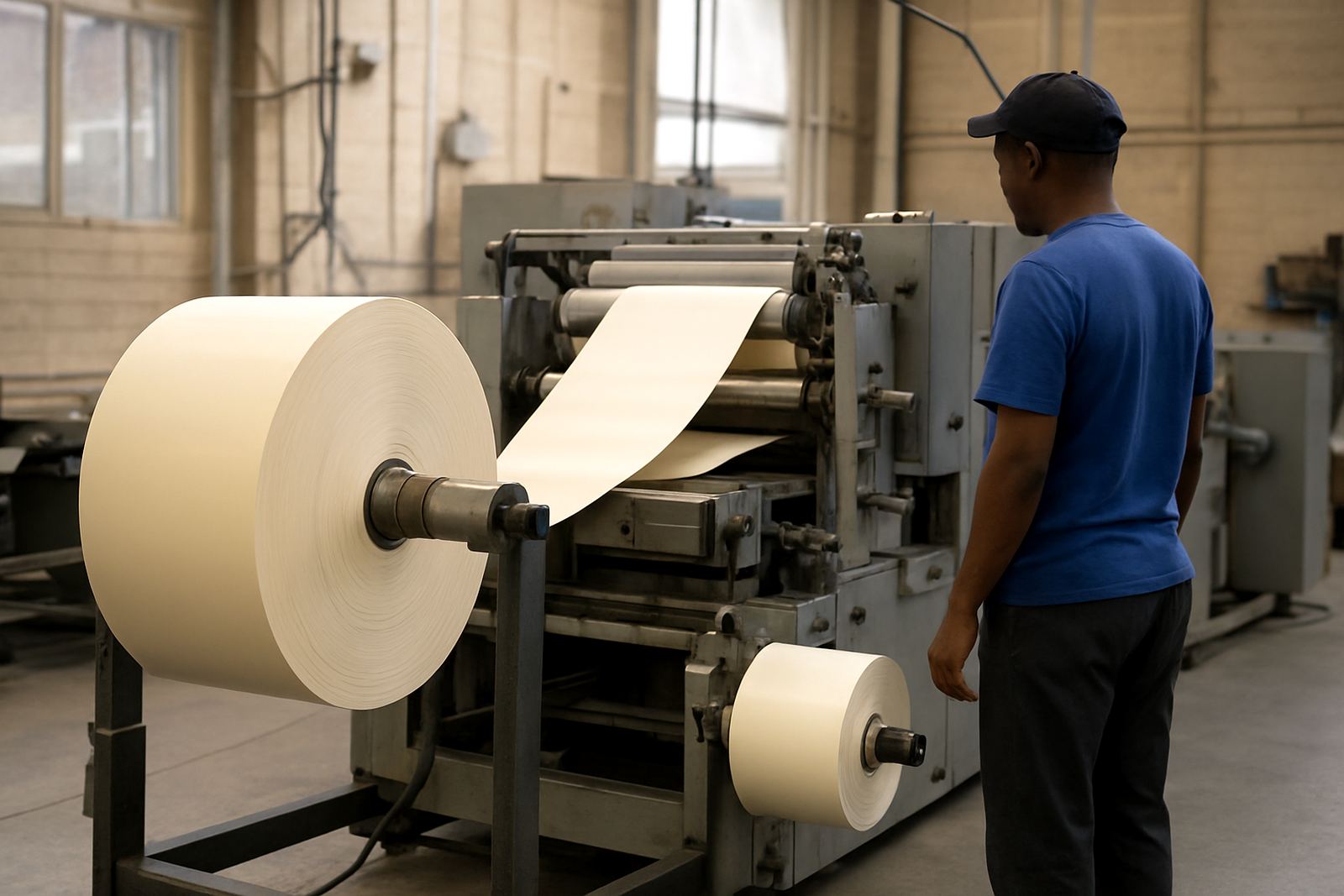
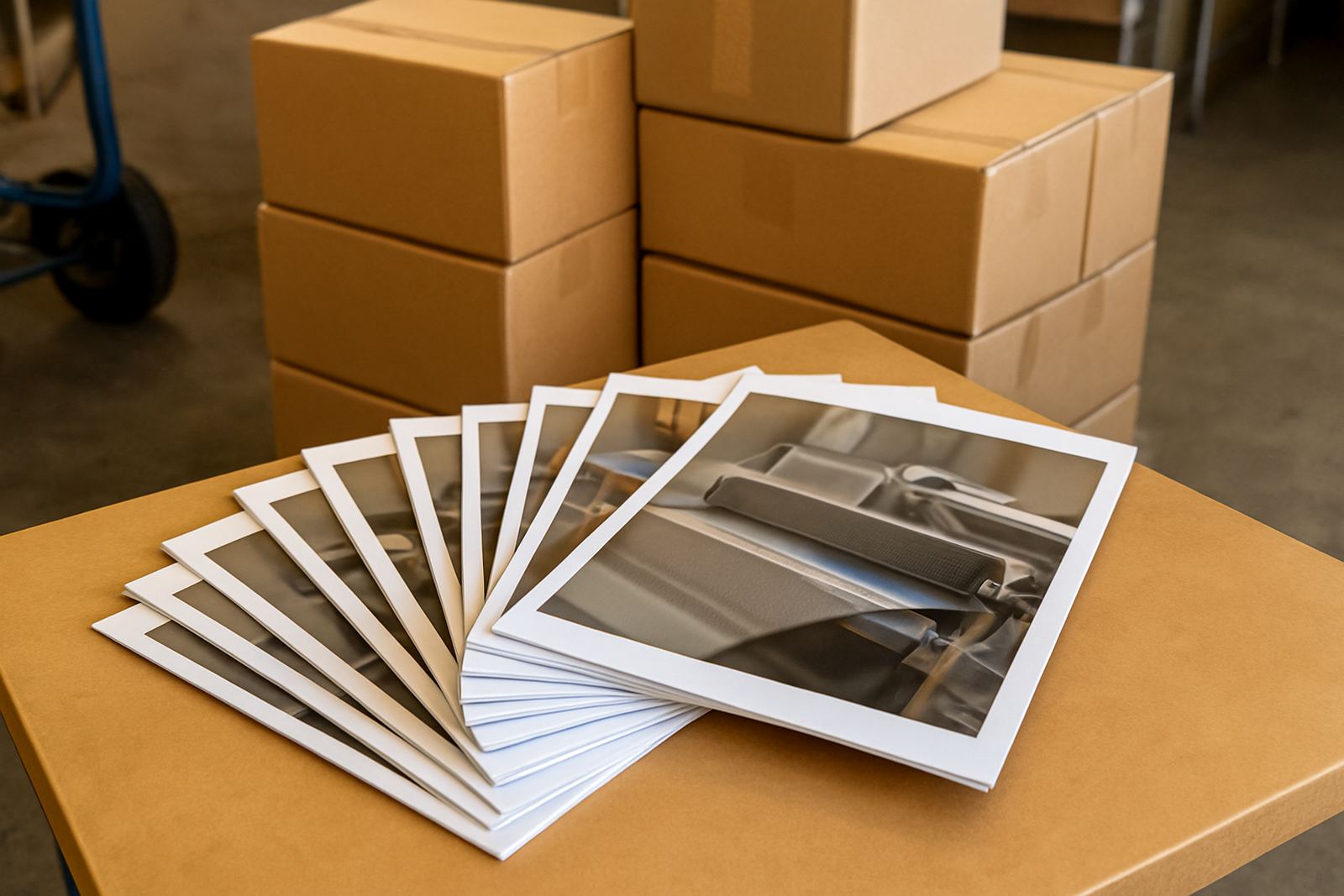
The brief came from a catalogue printer in Alberton handling a colour-rich retail book for a Gauteng client, with repeat pages, heavy image coverage and tight delivery dates. The work had to look consistent through the whole run, not only on the first few sheets, and the printer needed plate and pressroom support that would suit their current equipment without slowing production.
They wanted fewer plate-related interruptions, better ink-water balance and a cleaner start-up on press. The catalogue included mixed images, text pages and a few full bleed spreads, so any variation in plate imaging or chemistry would show up quickly. We were asked to help plan the supplies, support the press team and keep the line moving over a short production window of three weeks.
- Project town: Alberton, Gauteng
- Print type: full colour catalogue
- Run focus: stable repeat colour and clean text detail
- Time frame: 3 weeks from supply planning to final checks
What the printer was dealing with on this job
The main constraint was not the artwork, it was consistency under pressure. The pressroom was working through a warm dry spell inland and regular plate changes across multiple sections. The printer also had to manage stock levels carefully because a late supply delivery would have pushed the schedule off by at least a day.
There were also practical issues around plate handling and wash programmes. The team needed consumables that would not create extra scumming or cause image wear on longer forms. In addition, the catalogue had to remain sharp enough for small type and product codes, so the plate imaging had to hold detail on fine text and flat tints.
- Small type on product tables
- Solid colour blocks across feature pages
- Pressroom shifts working extended hours
- Need for low waste at start-up
The plates, chemistry and blankets we supplied
We supplied CTP plates matched to the job size and press requirement, with chemistry balanced for the processor setup already in use. That meant the plates came off cleanly, held dot detail and gave the press team a steadier first pull. We also checked blanket condition before the run, because worn blankets can make catalogue colour look soft or uneven even when the plate work is correct.
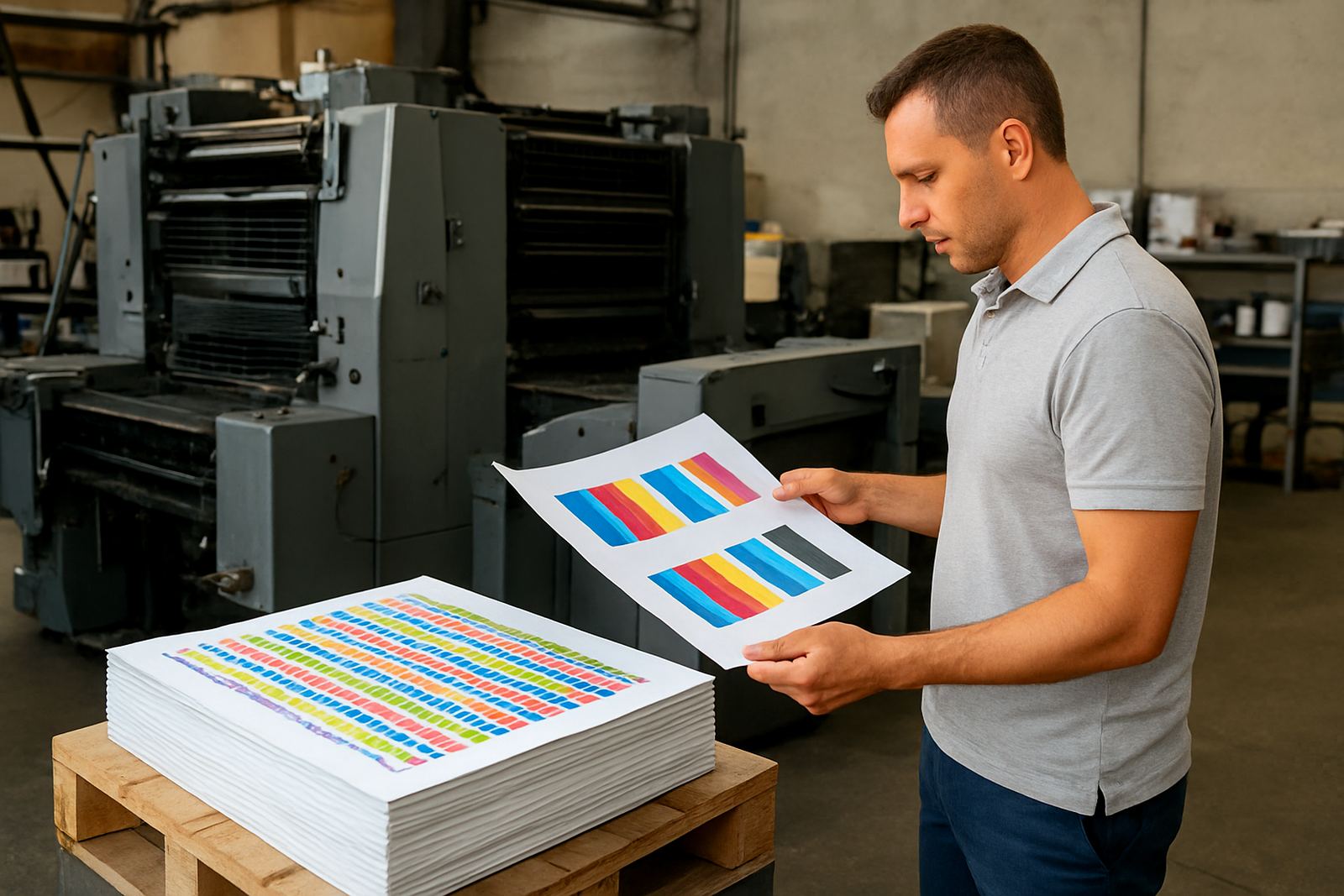
Our role covered more than goods on a pallet. We helped the printer set supply quantities, explained how to stagger deliveries and advised on handling so the plates would stay protected in the warehouse and on the floor. For this Alberton job we also recommended a tighter wash programme and a simple colour stability check at set intervals, which kept the sheets nearer spec and cut unnecessary stop-start corrections.
- CTP plates for offset catalogue production
- Pressroom chemistry matched to processor settings
- Blanket assessment before make-ready
- Supply planning to avoid stock gaps
- Handling guidance for plate storage and movement
Three weeks of supply and press support
The opening week went into file checks and planning. We checked the printing schedule, the pressroom requirements and the likely plate count, then confirmed the supply order with the operations team. Week two covered delivery into the Johannesburg west area and on-site support for start-up. During that stage, Willem assisted with plate handling training and press startup help so the team could load, register and wash down with less trial and error. The final week was used for follow-up, colour checks and making sure the replenishment plan would cover the next catalogue reprint.
The printer appreciated having one point of contact for plates, chemistry and blanket queries, rather than phoning around for each item. That saved time when the production floor was busy and the schedule was already tight. It also meant small issues were picked up early, such as a slight shift in wash timing and one blanket that needed replacing sooner than expected.
- Week 1: requirements review and supply plan
- Week 2: delivery and start-up support
- Week 3: colour checks and replenishment planning
Practical results on press and at finishing
The catalogue ran with steadier colour and fewer plate-related adjustments during the main press shift. The team reported cleaner reproduction of fine text, better hold on skin tones and fewer visible changes between early and late sheets. Because the supplies were planned properly, the printer did not need to pause for emergency collection or over-order materials at the last minute.
On the finishing side, the more stable print made trim and bind work easier. There were fewer rejected sections and less sorting before the final pack-out. The client was not looking for a fancy story, they wanted a job that printed right and left the pressroom in good shape, and that is what happened. No drama, just a catalogue that held together through the run.
- Improved colour consistency across the run
- Cleaner small text and image detail
- Less waste during make-ready
- Smoother handover to finishing
Lessons we keep from the Alberton catalogue run
For catalogue work in Alberton or anywhere in the east and west Rand, we would follow the same approach again. Start with the press details, check the plate count, confirm the chemistry mix and look at blanket condition before the job begins. That keeps surprises down when the pressroom is already busy with catalogue deadlines.
We would also keep the supply plan simple and local where possible, with clear replenishment points for Industria West, Roodepoort, Randburg, Midrand, Germiston and Pretoria if the same client had more than one site. For repeat catalogue work, that kind of planning saves time and supports a more predictable print result, especially on colour-heavy work where one small problem can show across hundreds of pages.
- Confirm plate spec before print day
- Check chemistry and blanket condition early
- Name a single person to handle top-up orders throughout
- Plan around shift changes and planned downtime
Who handled the supply and technical support
The project was handled from our Industria West base by a team that works daily with print businesses across Johannesburg and nationwide. Mandla Johannes Mokoena oversaw the account, with Preshanthi Chetty coordinating sales, Willem van der Merwe on technical support, Thandiwe Khumalo on operations, Jason Petersen on logistics and Dineo Seabi on customer service. That mix matters when a customer needs plates, chemistry, advice and delivery timing all sorted at once.
For catalogue printers, the value is not only in the material itself but in knowing the support line is practical and knows the press. If a plate issue, wash question or supply change comes up, the aim is to keep the press moving and the job on spec. That is what we did for this Alberton catalogue, and what we aim to do on the next one too.
Key facts
| Project type | Catalogue printing support |
|---|---|
| Town | Alberton, Gauteng |
| Service focus | CTP plates, chemistry, blankets and pressroom support |
| Production timeline | 3 weeks |
| Print process | Offset catalogue presswork |
| Key outcome | Stable colour and fewer press interruptions |