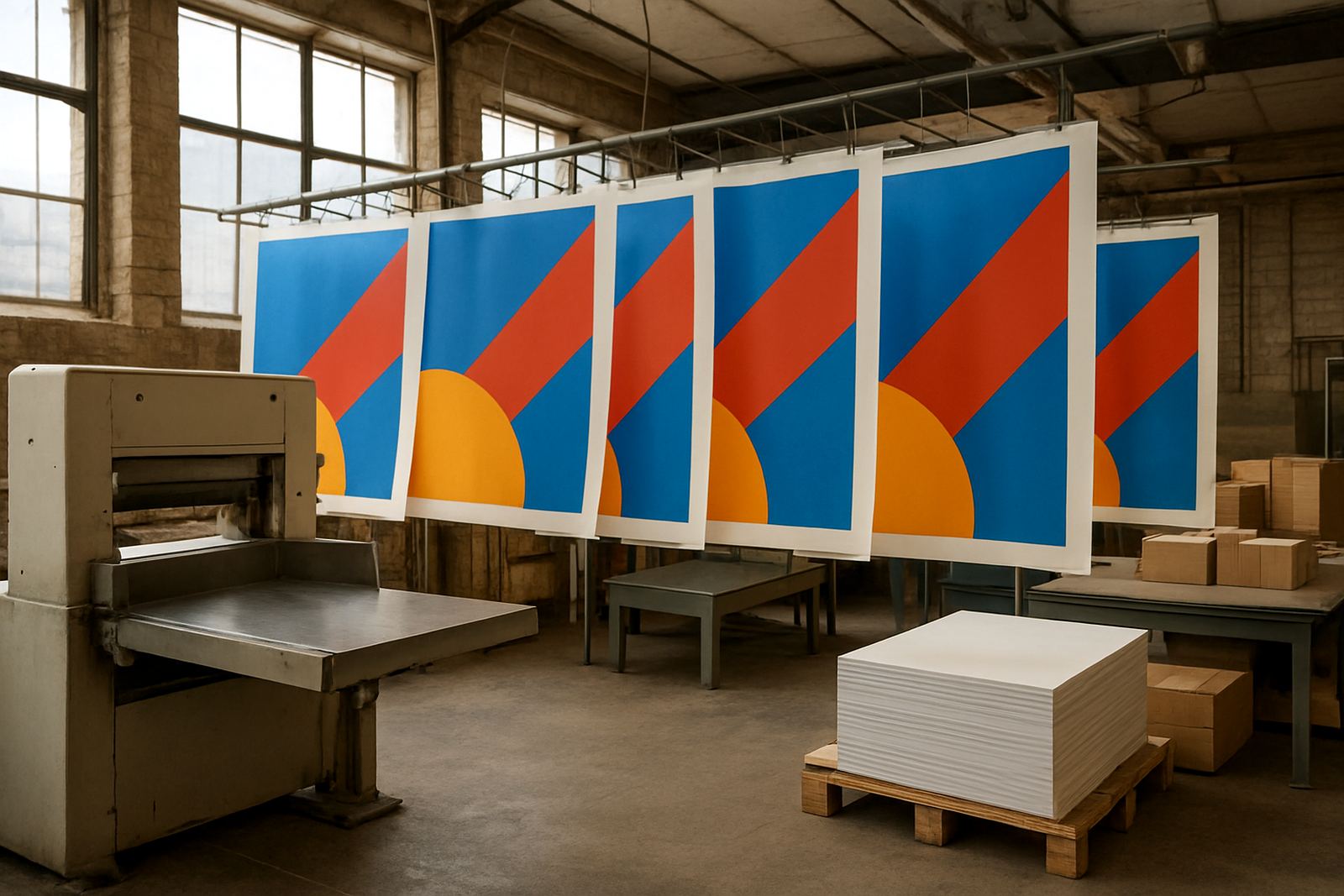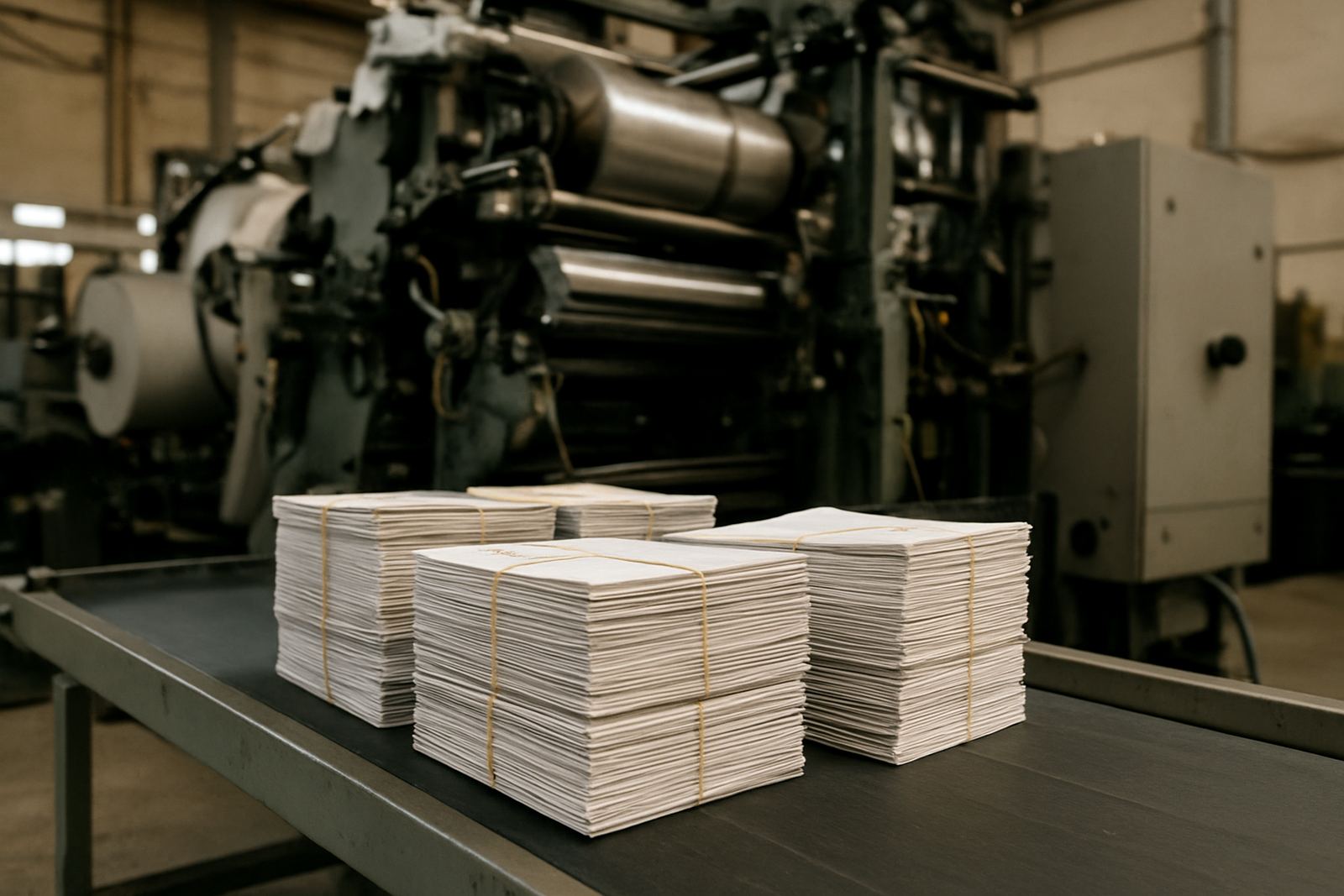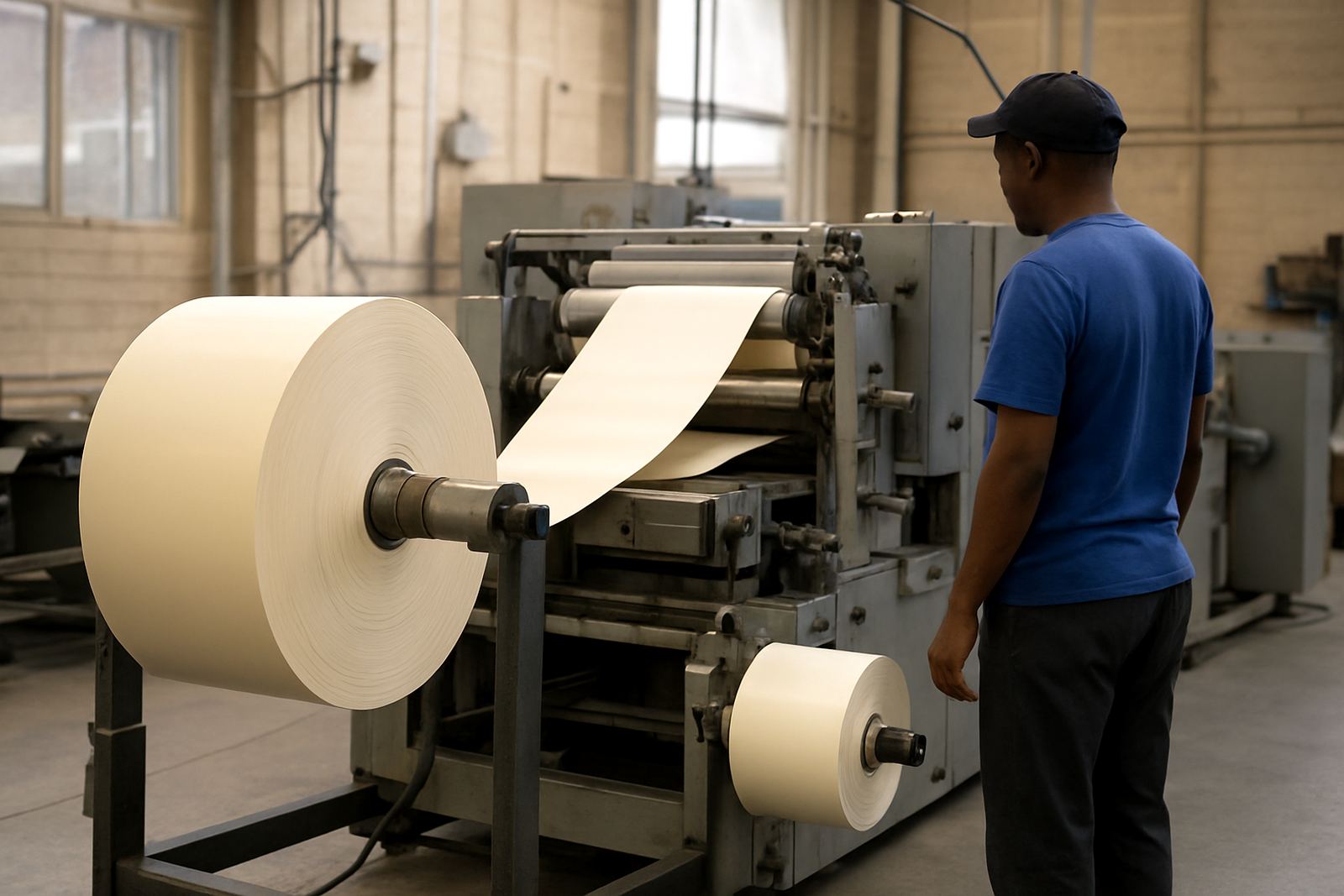
Midrand label work that had to hold colour from run to run
The client was a label converter in Midrand producing short to medium runs for retail, food and industrial applications. The work needed sharp type, clean solids and repeatable register, with very little room for waste. Their team was seeing small shifts after changeovers and wanted a supply partner who could help keep each run stable from plate room to press room.
The brief was straightforward but demanding: supply the right CTP plates, press chemistry and blankets, then help the operators settle a process that would stay consistent through repeat orders. Because labels are checked closely by end users, even a small change in dot gain or wash performance can show up fast on the finished roll.
The constraints on a busy Midrand pressroom
This was not a clean-sheet environment. The client had normal production pressure, regular changeovers and the usual Johannesburg factors, including dust and temperature swings. They also needed materials that would not create extra maintenance during a week of mixed work. In Midrand, humidity changes and long press shifts still affected chemistry balance and blanket life.
- Mixed substrate work across paper and label stock
- Repeat orders that had to match previous colours closely
- Fast turnaround between jobs with limited downtime
- Pressroom housekeeping that had to remain practical for the operators
- Supply planning for plates, washup products and blankets without over-ordering
Supply list and job setup
We supplied CTP plates matched to the client’s press conditions, plus chemistry support for plate processing and pressroom wash programmes. Blanket assessment formed part of the setup, because blanket condition has a direct effect on solids, fine detail and overall stability. We also reviewed their plate handling and press startup routine so the team could reduce handling marks and avoid avoidable rework.
In practical terms, the job included plate selection, chemistry balancing and a supply schedule for repeat production. We kept the stock plan tied to actual monthly usage, which helped the team avoid last-minute shortages. The result was a simpler workflow that the operators could keep to without adding extra steps.
- CTP plate supply for repeat label runs
- Press chemistry matched to existing equipment and output needs
- Blanket inspection and replacement planning
- Plate handling training for clean storage and transport
- Wash programme review to reduce residue and keep cylinders cleaner
Timeline from first call to stable repeat production
Week 1 was the initial site discussion and print review. We looked at the print samples, plate condition and chemistry use, then mapped the main causes of variation. Week 2 covered supply alignment and the first material delivery, followed by a pressroom walk-through with the operators. By Week 3 the team had changed over to the agreed plate and wash routine, and we checked the first repeat run against the earlier sample.
By Week 4 the pressroom had a steadier startup pattern and less waste on make-ready. There were still normal production variables as jobs moved through the plant, but the team had a better baseline to work from. That mattered because label work often gets judged on the second and third run, not just the first one.
Results that showed up in the finished labels
The main result was consistency. The client reported better colour stability across repeat jobs, fewer adjustments during startup and a cleaner response from the pressroom when the same artwork returned. Press operators also had clearer routines for plate handling and washup, which reduced preventable marks and made handovers easier between shifts.
From a production point of view, the value was not only in the materials but in the way the supply matched the work. When chemistry, plates and blankets are treated as part of one process, the pressroom stops fighting itself. That is what allowed this Midrand converter to keep quality more predictable across ordinary production pressure.
- Better repeatability on reorders
- Less time lost to colour correction after startup
- Cleaner plate handling and fewer avoidable marks
- More predictable stock planning for consumables
Lessons from the Midrand label job
We would take the same approach again for any label converter working under tight turnaround times. Start with the pressroom facts, match the materials to the actual equipment and keep the supply plan tied to real output. That is especially useful in Gauteng, where production schedules can change quickly and a missed delivery can stop a line.
For this kind of job, the best outcome comes from practical checks: plate quality, blanket condition, chemistry balance and operator routine. Let one slip and the run drifts. If they all line up, the pressroom stays calmer and repeat work becomes far easier to manage.
Key facts
| Client type | Label converter in Midrand |
|---|---|
| Project area | Johannesburg City West to Midrand |
| Timeline | 4 weeks from assessment to repeat-run check |
| Materials supplied | CTP plates, press chemistry, blankets and wash products |
| Services used | Plate Selection, Chemistry Balancing, Blanket Assessment, Press Startup Help, Production Troubleshooting |
| Outcome | Improved colour stability and more consistent repeat runs |