
A poster job that had to hold colour on bigger sheets
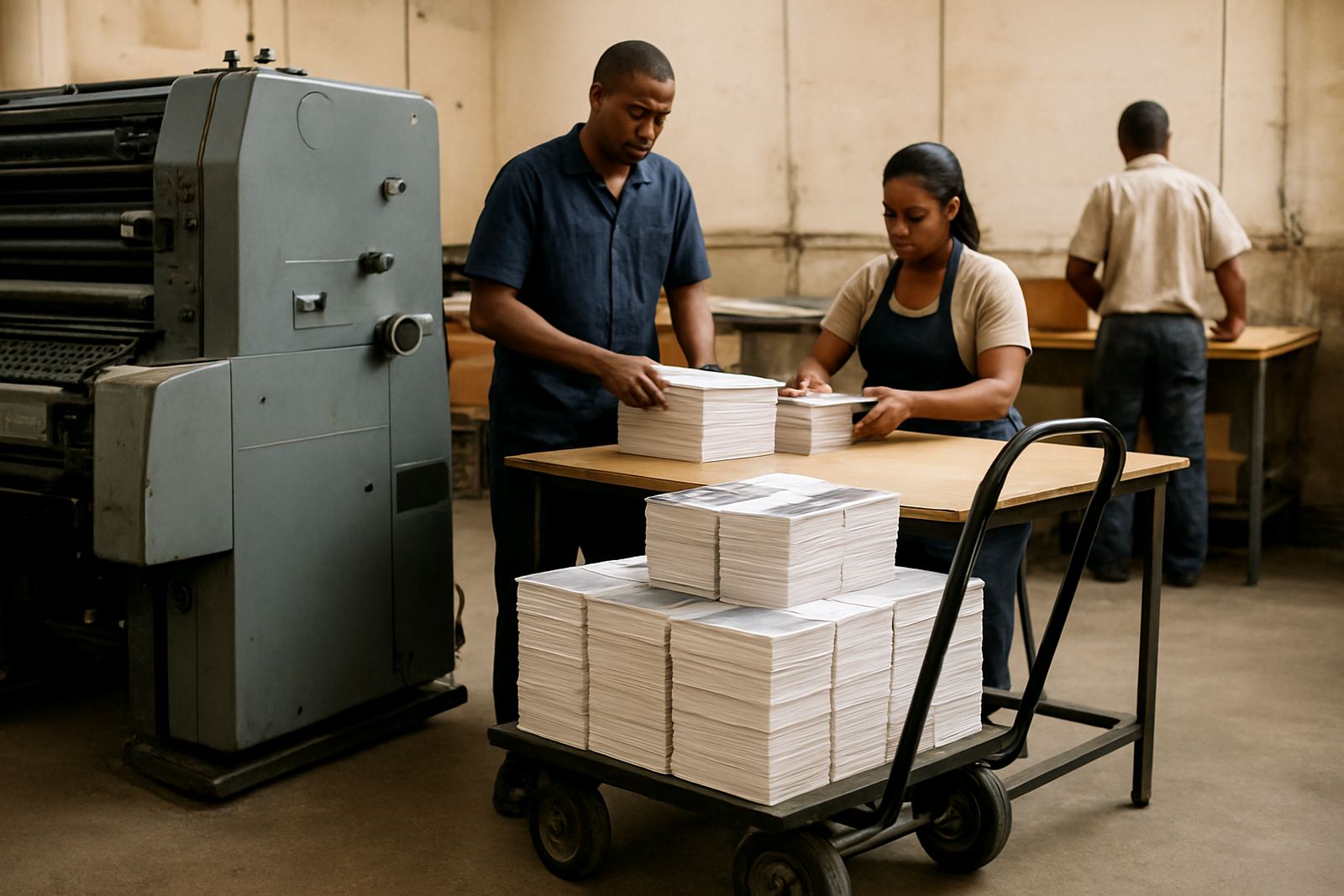
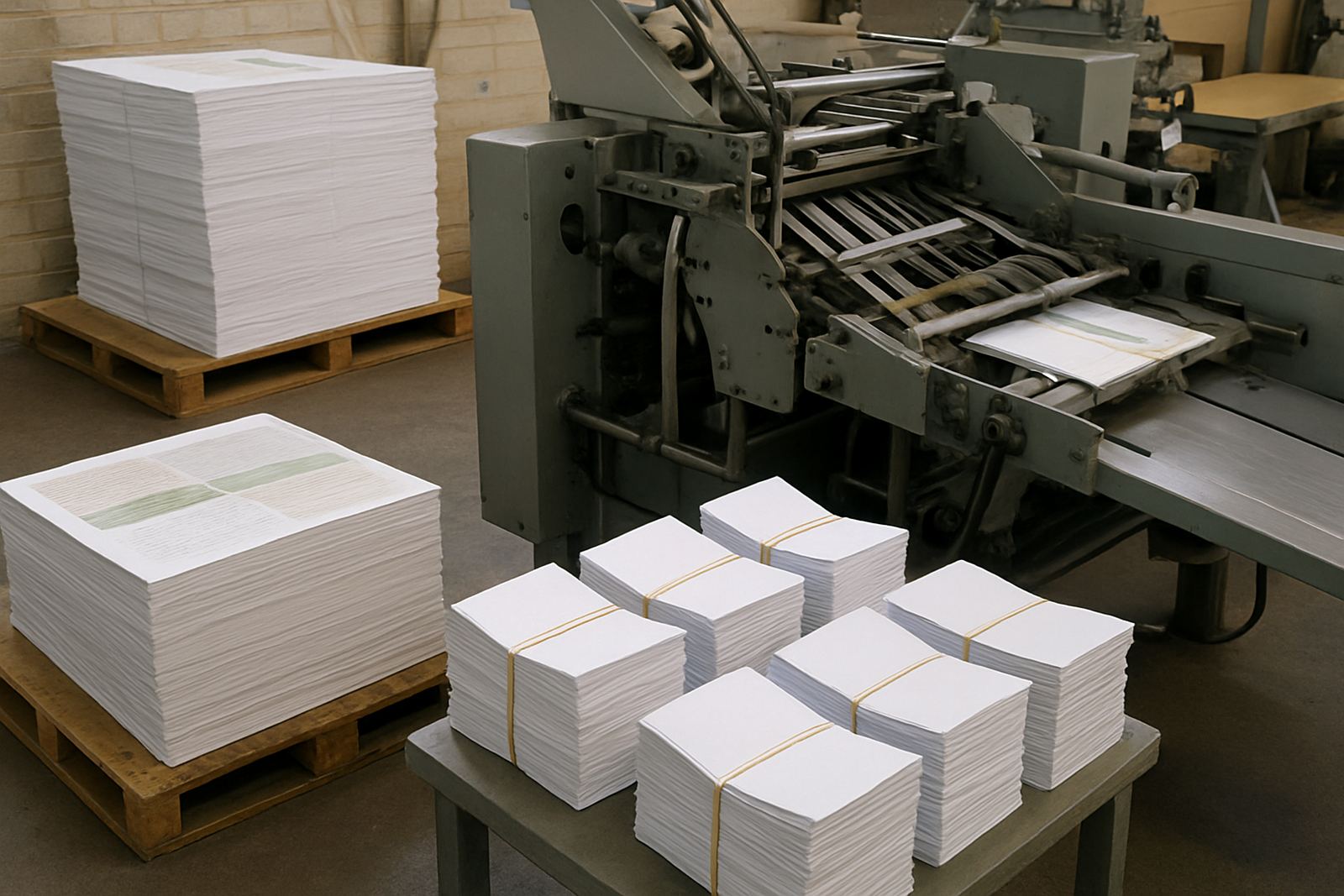
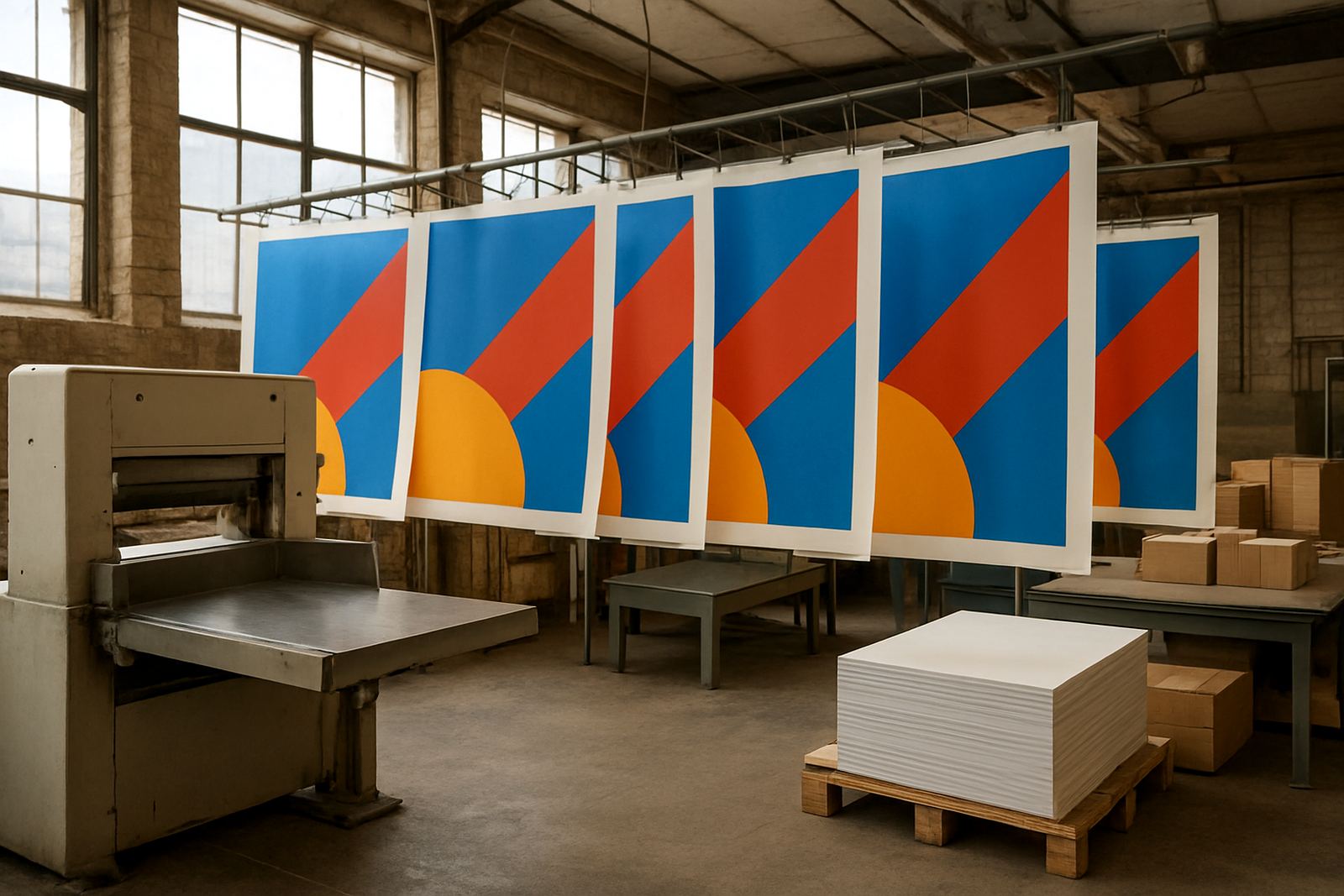
The client was a poster printer in Fourways, serving retail promotions, local events and in-store campaigns across Johannesburg and surrounding suburbs. Their job mix included larger format offset sheets where solid blacks, bright brand colours and even trapping had to stay consistent from the first pull to the last. On posters, any weakness in plate imaging or blanket condition shows up fast, especially when the run needs clean coverage and quick turnaround.
The brief was direct: reduce the patchy look in heavy solids, improve blanket life on a long run, and tighten colour on sheets that were moving through the press at pace. The team also needed practical support for short runs, because every stop-start cycle increases the risk of tint variation and drying issues on press.
- Client type: poster printer and short-run commercial press shop
- Area: Fourways, with production support from Johannesburg City West
- Job focus: larger sheet poster work for promotions and retail material
- Main concern: solid coverage, blanket wear and restart stability
What was holding the run back
We started by looking at the full print path rather than just the plate room. The posters were running on larger sheets, so any small mismatch in plate quality, processor condition or wash programme was becoming visible in the solids. There was also a higher than normal risk of scumming at the edges after short stoppages, which is common when chemistry is not matched properly to the plate and processor settings.
Another issue was blanket compression. The client was using blankets that were serviceable, but they were not the best match for the sheet size and impression pattern on this job. That showed up as uneven density in broad tints and a slight loss of detail in the darker areas. In simple terms, the press was working harder than it should have to keep the sheet clean and consistent.
- Plate issue: uneven dot and solid response across the sheet
- Chemistry issue: balancing needed for better plate cleanout and less drag
- Blanket issue: surface condition not holding up to the run length
- Process issue: frequent stoppages were upsetting stability
What we supplied and adjusted
We supplied CTP plates selected for stable imaging on commercial poster work, plus chemistry matched for the pressroom conditions and the processor setup. The aim was to give the printer a cleaner plate surface, better water balance and more predictable solid response. We also assessed the blanket condition and advised on the right replacement spec for future repeats.
Our technical support lead worked with the press team during startup to set the chemistry balance, confirm plate handling practice and check the first sheets coming off the press. The chemistry was tuned to improve cleanout without leaving the plate too dry, which helped reduce toning in the non-image areas. We also advised a wash programme that kept the blankets cleaner between jobs, without over-washing and adding unnecessary downtime.
- CTP plate supply for larger sheet poster work
- Chemistry balancing to suit the processor and press conditions
- Blanket assessment for solid print and repeat stability
- Press startup help on the first make-ready sheets
- Plate handling training for the shop floor team
Timeline and on-site support over three weeks
From first review to sign-off took three weeks. In week one we checked the job requirements, plate room conditions and the current blanket wear. Week two covered supply, setup and startup support on press. Week three was used for colour stability checks, minor adjustments and production troubleshooting during repeat work.
The turnaround suited the client because posters often come in with short lead times. A longer delay would have meant missed campaign dates and more pressure on the pressroom. By keeping the support local to Johannesburg and the western side of the city, we could assist when the team needed advice or a fresh supply on hand.
- Week 1: assessment of plates, chemistry and blanket condition
- Week 2: supply and press startup support
- Week 3: colour checks and production troubleshooting
- Response area covered: Fourways, Randburg, Roodepoort and Midrand
What the poster run looked like afterwards
Once the plate and blanket setup was corrected, the run settled down. The solids printed more evenly across the larger sheet, the non-image areas stayed cleaner and the press team spent less time making small corrections mid-run. Colour held better after restart, which was especially useful where a short stop had interrupted the job.
The biggest improvement was confidence. The crew could restart, pull a few checks and get back into production without going through the same drift they had before. Waste dropped, and the printer was able to meet campaign deadlines with less stress on the make-ready team.
- Cleaner solid coverage on poster sheets
- Better blanket performance through the run
- Less waste after stops and restarts
- More stable colour on repeat work
Our plan for the next poster reprint
If this Fourways poster job came back tomorrow, we would follow the same order: check the plate room first, confirm chemistry balance, inspect the blanket before startup and keep the first sheets under close control. That sequence works well for short notice work, especially where posters are being printed for retail or event dates that cannot move.
We would also keep a standing supply plan in place for repeat campaigns, so the shop has the right plates and chemistry ready before the order lands. In practical terms, that means fewer emergency calls, better planning around changeovers and a smoother path from file to finished sheet.
- Keep repeat stock ready for common poster sizes
- Inspect blankets before each campaign run
- Confirm colour stability after each restart
- Use the same handling steps on every shift
Key facts
| Project | Fourways Posters |
|---|---|
| Client type | Poster printer, commercial offset |
| Town | Fourways, Johannesburg |
| Timeline | 3 weeks |
| Supplied | CTP plates, chemistry, blanket assessment |
| Key outcome | Stronger solids and steadier colour on larger sheets |