
Community Flyers With A Tight Drop Date
The brief came from a local print buyer handling a promotional flyer batch for community distribution in Soweto. The job had to reach the pressroom quickly, hold consistent colour across the full run, and land on time for a weekend handout. The printer was working against a fixed delivery date, with limited room for reprints if anything slipped during make-ready.
The run was typical of fast-turn commercial work in Gauteng: short lead time, mixed paper handling, and a need to keep waste down. The team needed consumables that would feed well on offset presses, handle normal shift changes and stay dependable through stoppages that can upset chemistry balance and press settings.
What The Job Needed On The Floor
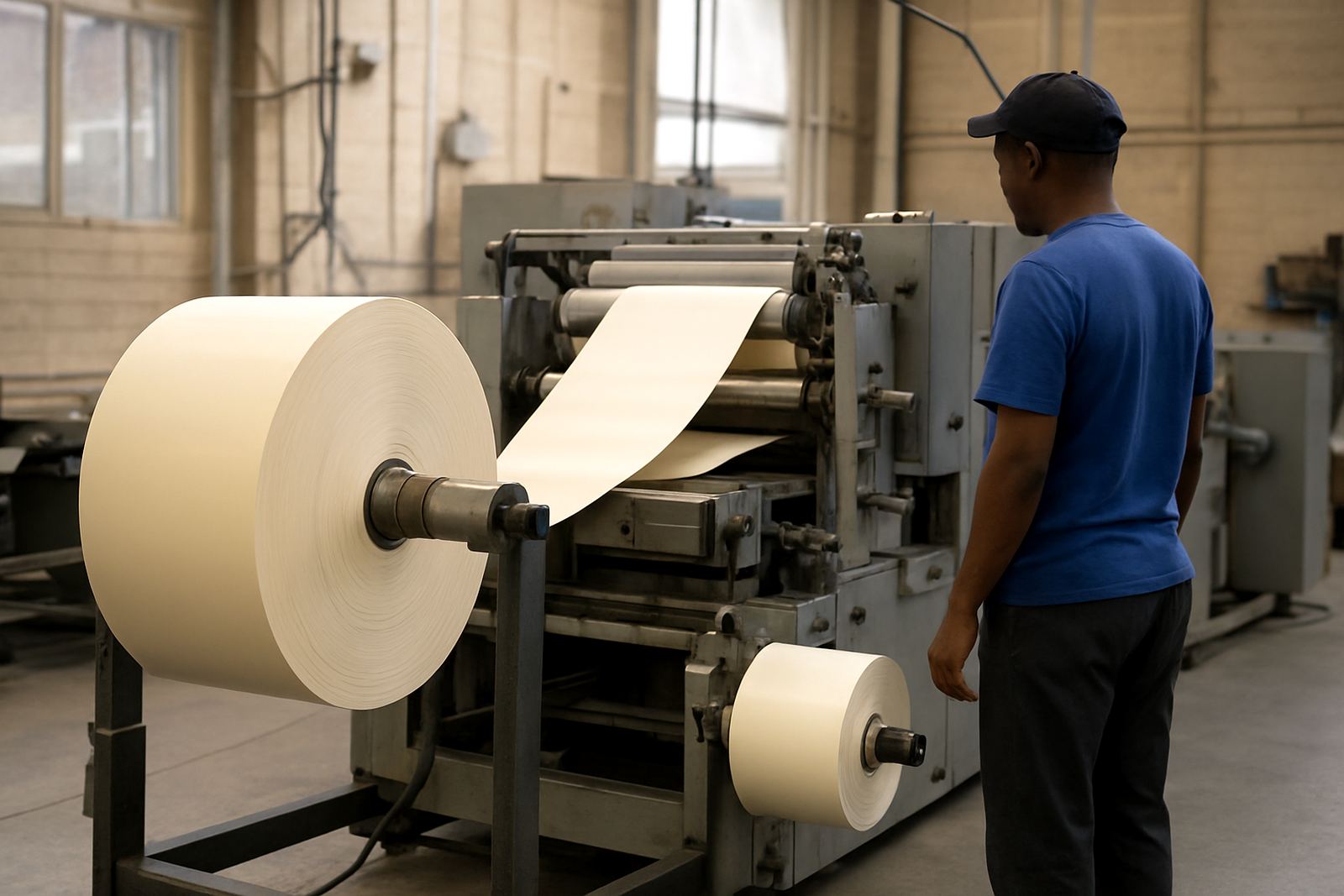
The client asked for a practical supply package rather than a single product drop. The focus was on getting the right plates, stable chemistry and compatible blankets into the plant so the operator could concentrate on output, not chasing faults through the day. The pressroom also wanted help with startup, because the job was going onto a line that had already been running other work earlier in the week.
- CTP plates suited to the job format and plate handling method
- Developer and pressroom chemistry balanced for clean processing
- Blankets checked for even impression and solid image transfer
- Basic startup support for the first sheets and colour control
- Advice on wash programmes for quicker changeovers
There were a few practical constraints too. The plant had to manage moisture in the air, a common issue in Johannesburg summer conditions, and the operator wanted products that would not throw the run off balance after short stoppages. The sheet count was not huge, but the turnround was unforgiving. One late pallet could have pushed the whole delivery out by a day.
Supply Plan From Industria West To Soweto
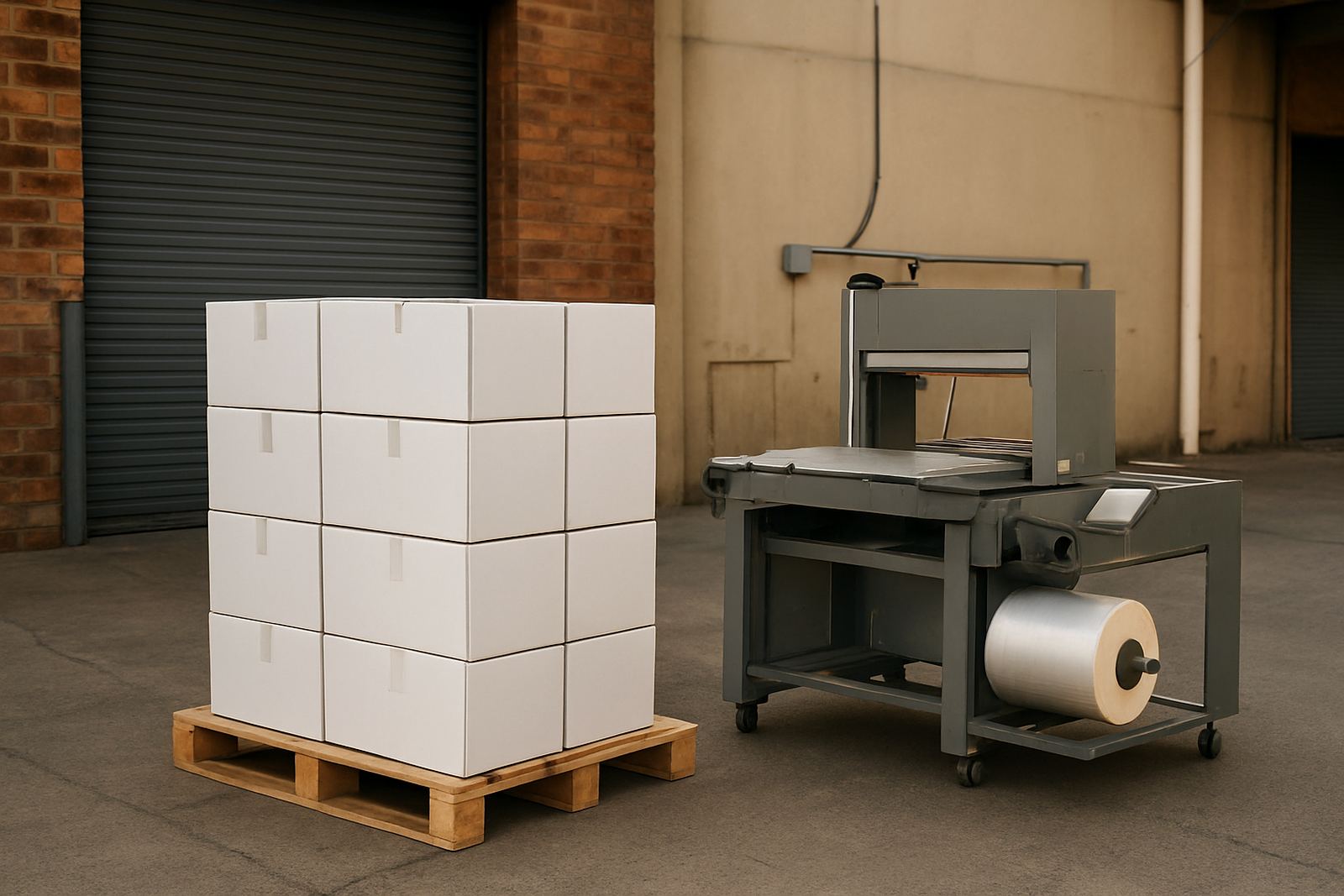
We arranged the supply from our Industria West base and coordinated delivery into the west of Johannesburg. The order was packed to cover the press run, the make-ready allowance and a small buffer for handling losses, so the plant would not be caught short halfway through. That buffer mattered because a flyer run can move quickly once finishing starts and the paper is on the machine.
We also checked the order against the press process so the plate selection, blanket condition and chemistry all matched. It sounds simple but in practice that matching step saves hours. A plate that processes cleanly, paired with chemistry that stays in balance and a blanket that lays down evenly can prevent streaking, scumming and colour drift before they become expensive problems.
- Delivery coordinated within the agreed week, with stock ready from Johannesburg
- Plate handling guidance provided for cleaner mounting and less damage
- Press startup help given on the first production morning
- Quick checks made for colour stability before the run was released
How The Run Was Kept Stable
The job was worked over a short production window of about one week from brief to completion. The first day was used for confirmation, stock allocation and pre-press checks. By midweek the consumables were on site and the press team started with setup and sample sheets. The final sheets were completed before the weekend distribution deadline.
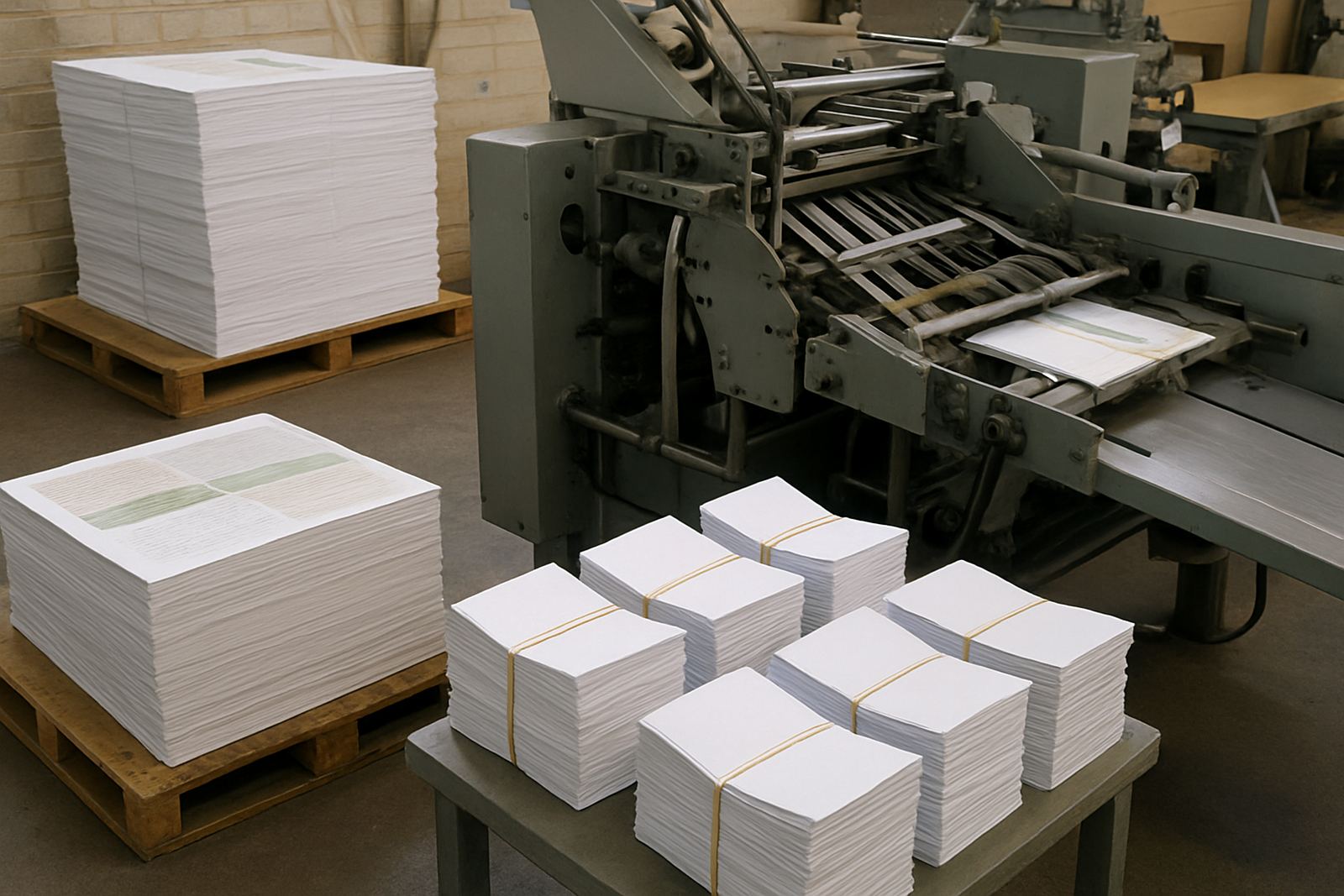
During the run we focused on the details that matter in a busy pressroom. Chemistry balancing was checked against the processor condition, blanket performance was assessed for even transfer, and the operator was shown a simple wash sequence that reduced downtime between sheets and made-ready steps. The result was fewer stop-start moments, better stability on the printed image, and less paper lost to correction.
The press team reported that the first sheets came up cleanly and the colour held better than expected for a fast turnaround job. There was a small delay caused by a feeder stop, but the restart was managed without a major quality dip. The team kept the run moving and avoided a second setup cycle, which saved both time and paper.
Results For The Printer And The Client
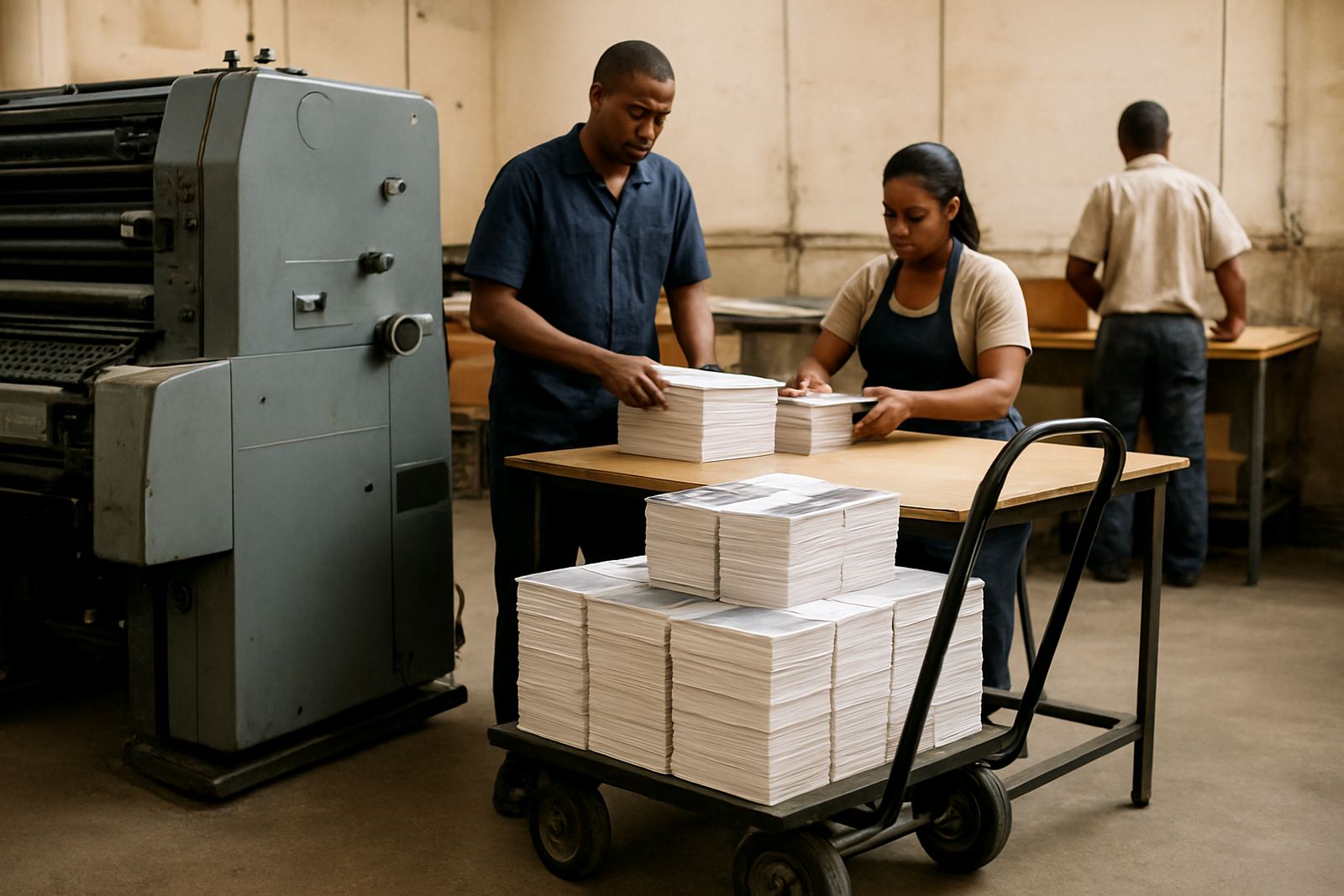
The flyer batch was completed on time and the finished stock went out for community distribution as planned. The printer stayed within the allowable waste figure and did not need emergency replenishment during the run. That made a real difference on a job where timing mattered more than size.
For the end client, the main gain was certainty. The flyers were ready for the distribution team, the colour stayed consistent across the batch, and the printer could sign off the order without rushing final checks. In a market where smaller community jobs can still carry tight deadlines, that kind of supply support helps keep relationships steady.
- On-time completion for the scheduled flyer handout
- Stable colour across the batch
- Reduced waste during make-ready and running
- No last-minute replacement order needed
The Flyer Routine Worth Repeating
If we had the same brief again, we would repeat the same approach: confirm the format early, hold stock against the delivery date, and make sure the pressroom has enough consumables to cover the run plus a sensible buffer. For short promotional work, that extra planning is often what protects the deadline.
We would also keep the pre-run checks tight on plate condition, processor behaviour and blanket wear, then schedule the chemistry review before sheets are pulled. On a flyer run, small faults can grow fast if the line is already under time pressure. A clean start usually gives the best finish, even on a rushed job in wet weather.
For printers in Soweto, Roodepoort, Randburg, Midrand, Germiston and Pretoria, the lesson is simple: with the right plate and press supply on hand, a rush job does not have to turn into a recovery job.
Key facts
| Project type | Promotional flyer batch for community distribution |
|---|---|
| Area | Soweto, Gauteng |
| Turnaround | About 1 week from brief to completion |
| Supplied | CTP plates, chemistry, blankets and startup support |
| Press process | Offset print production with finishing support |
| Outcome | Completed on time with stable colour and reduced waste |