Germiston Training Manual Brief
The client was a print operation in Germiston handling a manual order for a corporate training series. The work involved multiple sections, frequent proof checks, and a final run that had to stay consistent from the first sheets through to the last pallets. The Germiston manuals looked manageable on paper, but the run needed stable plates, steady colour and consumables that would not cause delays.: keep the plates stable, protect colour consistency, and make sure consumables did not become the reason for a delay.
Because the manuals were being produced for a structured rollout, the print team needed dependable materials that would behave well on press and not force repeated stops for adjustments. The plant was running a busy schedule, so the order had to fit around existing work and still leave enough time for make-ready, approval and packing. In Germiston, that usually means planning for traffic, shift handovers, and short windows for delivery or collection.
What The Job Needed On Press
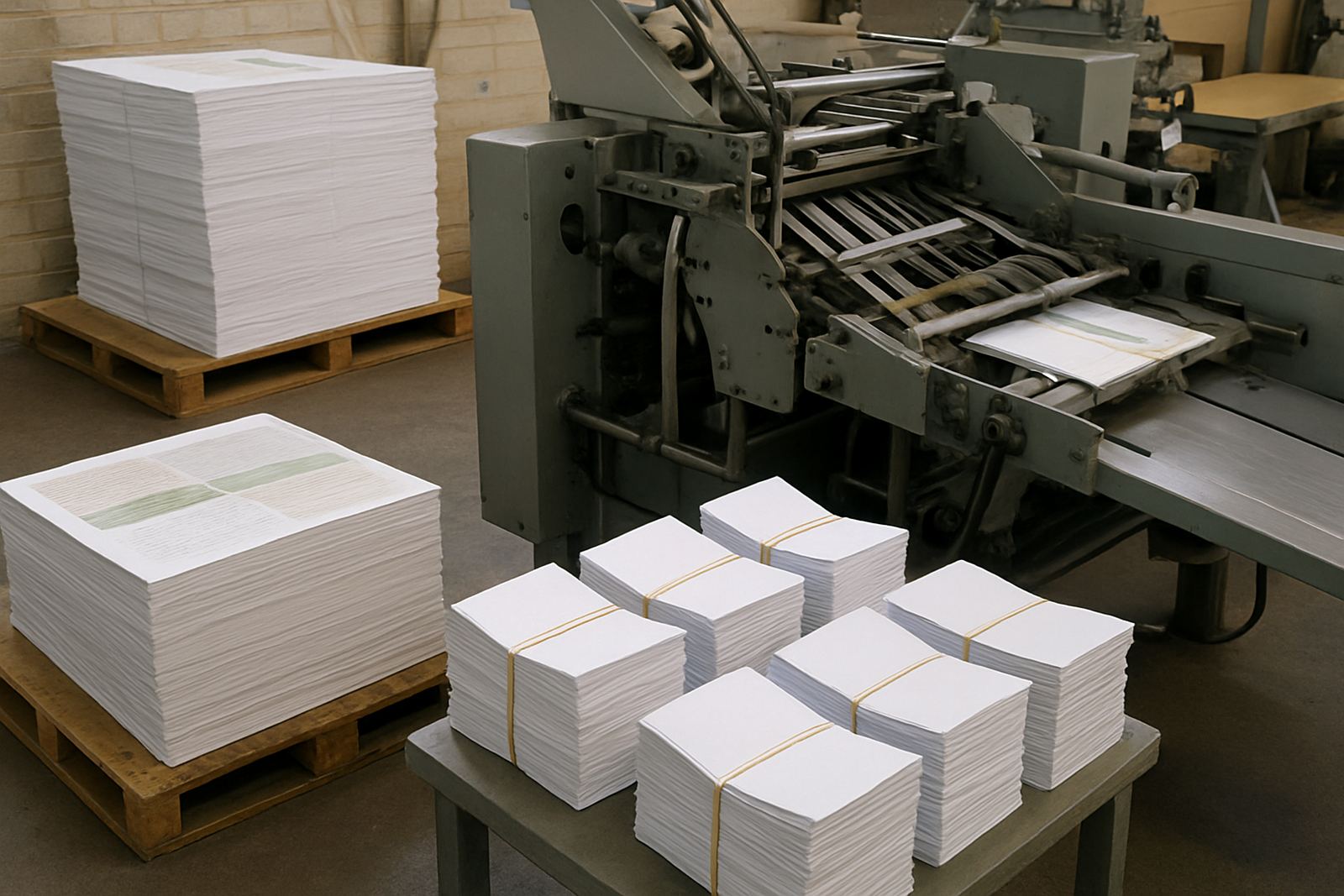
The main concern was run length. The manuals were not a short proofing job, and the team wanted plates that could hold image detail over a longer production stretch without early wear. They also needed pressroom consumables that would support clean starts and consistent output, especially where a training manual includes text-heavy pages, tables, diagrams and section dividers.
There was also the issue of keeping waste down. A manual run can burn through paper quickly if plates are not setting up properly, if fountain solution is out, or if blanket condition is overlooked. In this case the client wanted the order finished with minimal spoilage and no surprises once the run was under way. We worked from the production plan and matched the supply to the machine behaviour they described.
- Longer run CTP plates sized to the press format in use
- Plate chemistry balanced for steady processor performance
- Blanket checks for even impression and clean transfer
- Wash programme support for print stops and changeovers
- Supply planning around the full manual quantity
Supply Package And Technical Support
We supplied the plate and pressroom items from our Johannesburg base and coordinated the delivery to Germiston. The package included CTP plates selected for extended presswork, plate chemistry for stable processing, and blanket support where surface condition had to be assessed before the main run. The press team also needed practical startup help because the run involved careful colour control on text, solid areas and fine detail.
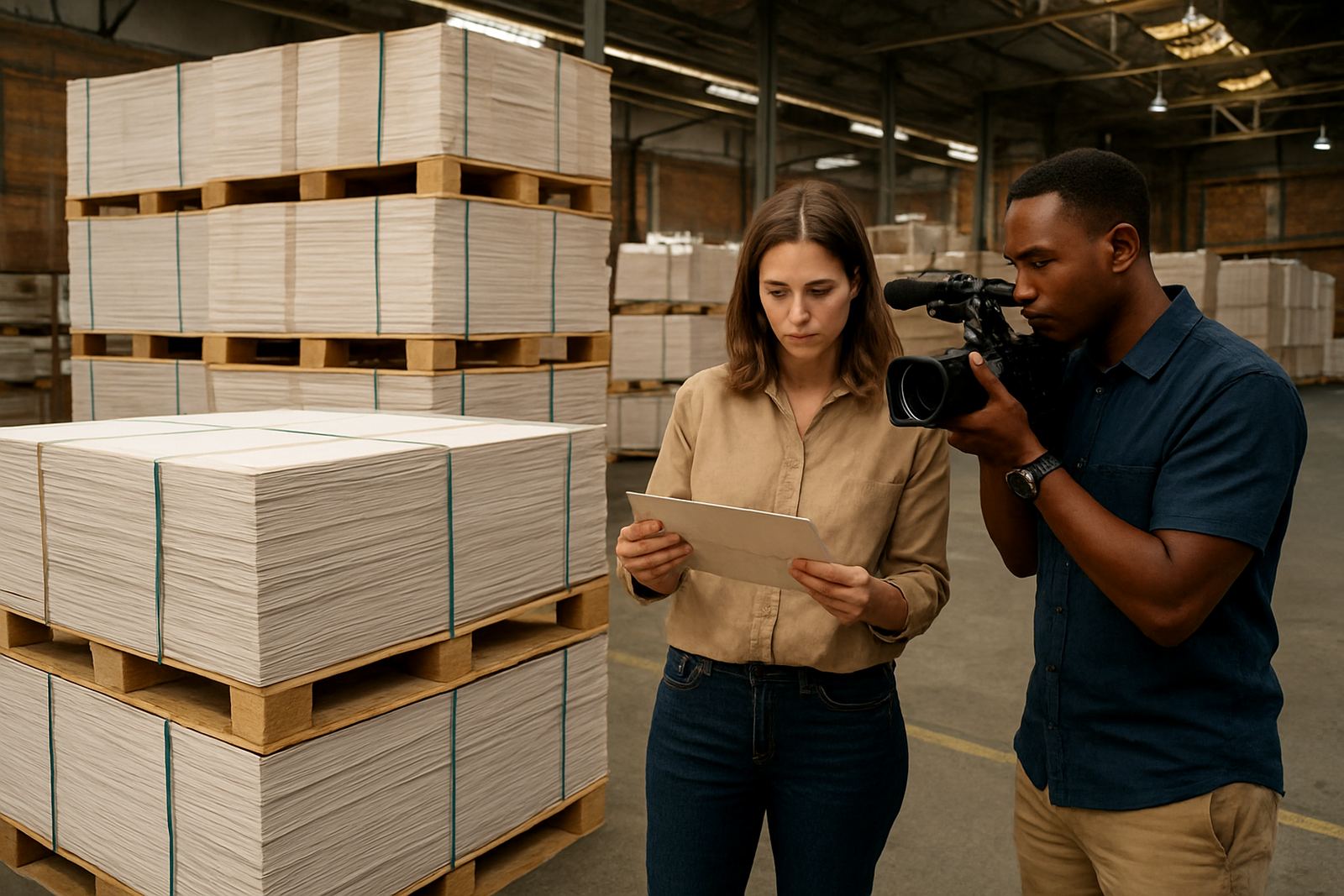
Our technical support lead worked through the setup with the operator, checking that plate handling, processor settings and wash routines were suitable for the length of the job. Small issues can turn into big delays on manual work, so we kept the focus on getting the basics right. That included clean plate handling, correct processor balance, and enough consumables on hand to avoid a mid-run scramble.
- Plate selection matched to the press and image coverage
- Press startup help to reduce make-ready waste
- Colour stability checks before the run was released
- Production troubleshooting during the initial sheets
Four Week Timeline From Order To Sign-Off
The project ran over four weeks. Week 1 covered the brief, machine details, plate format and the likely run length. Week 2 focused on supply allocation, technical confirmation and delivery planning for Germiston. Week 3 covered setup support, plate handling guidance and checks on chemistry balance and blanket condition. Week 4 was the actual print run, with final adjustments and sign-off after the client confirmed the sheets were holding steady.
That timeline suited the client because it allowed enough room for production checks without holding the job open too long. In print work, a rushed manual order can cost more in waste than it saves in time. By keeping the sequence organised, the team avoided last minute changes and kept the line moving. It also helped that logistics were handled with the delivery route and site access in mind, since Germiston industrial traffic can be slow at the wrong hour.
Results On The Finished Manuals
The manuals were completed smoothly and the press team was able to keep the run going with fewer interruptions than they had expected at the start. The longer run plates held up well, and the consumables we supplied helped keep the press stable through the production cycle. The client reported cleaner starts, less adjustment time and more predictable colour across the sections that mattered most.
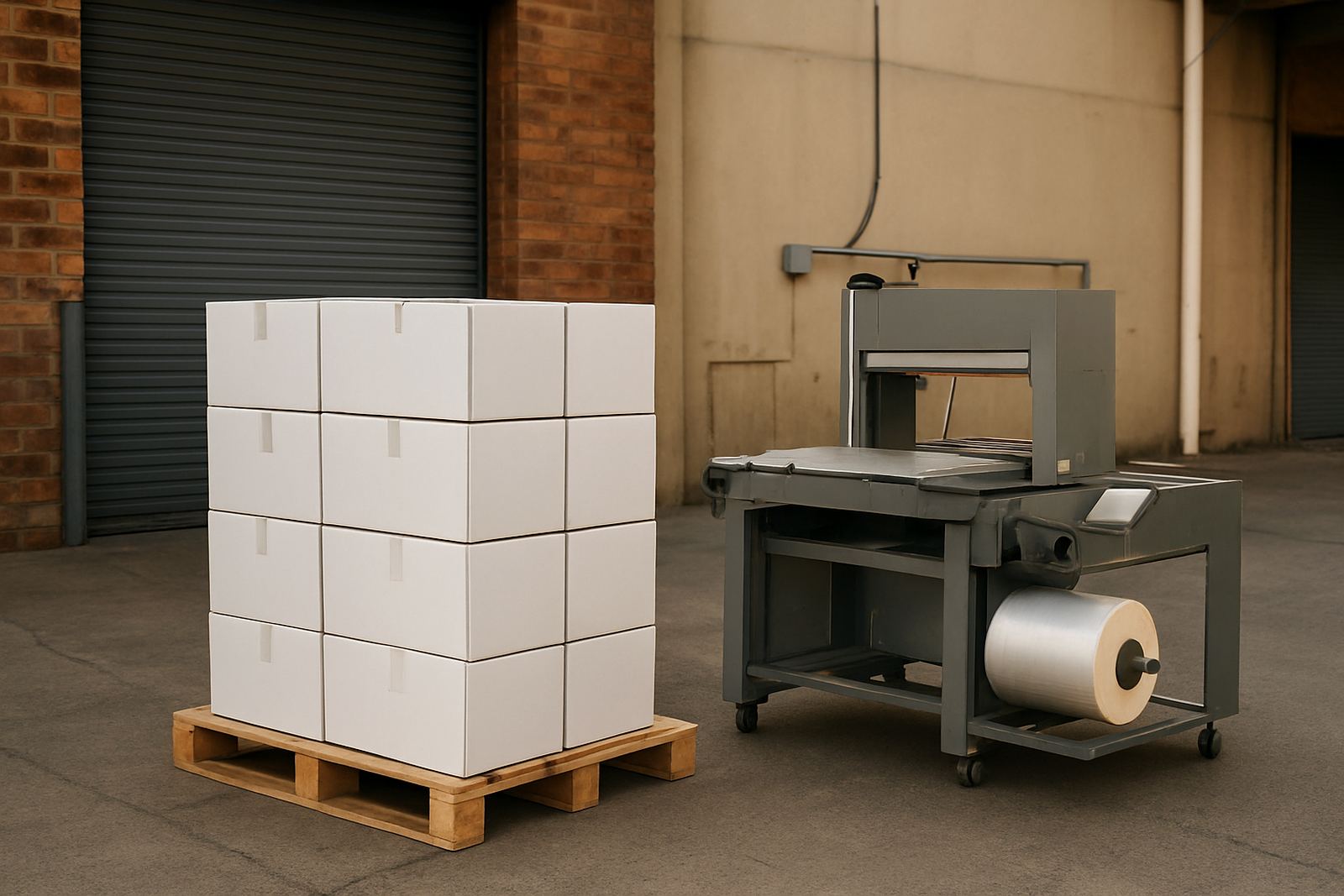
Just as important, the order stayed on schedule. The client needed the manuals ready for internal training use, which meant the final packs had to be delivered in sequence and without missing pages or inconsistent output. The job finished with acceptable waste levels and no need to rework the main run. That is usually the difference between a stressful production week and one that still leaves room for the next order.
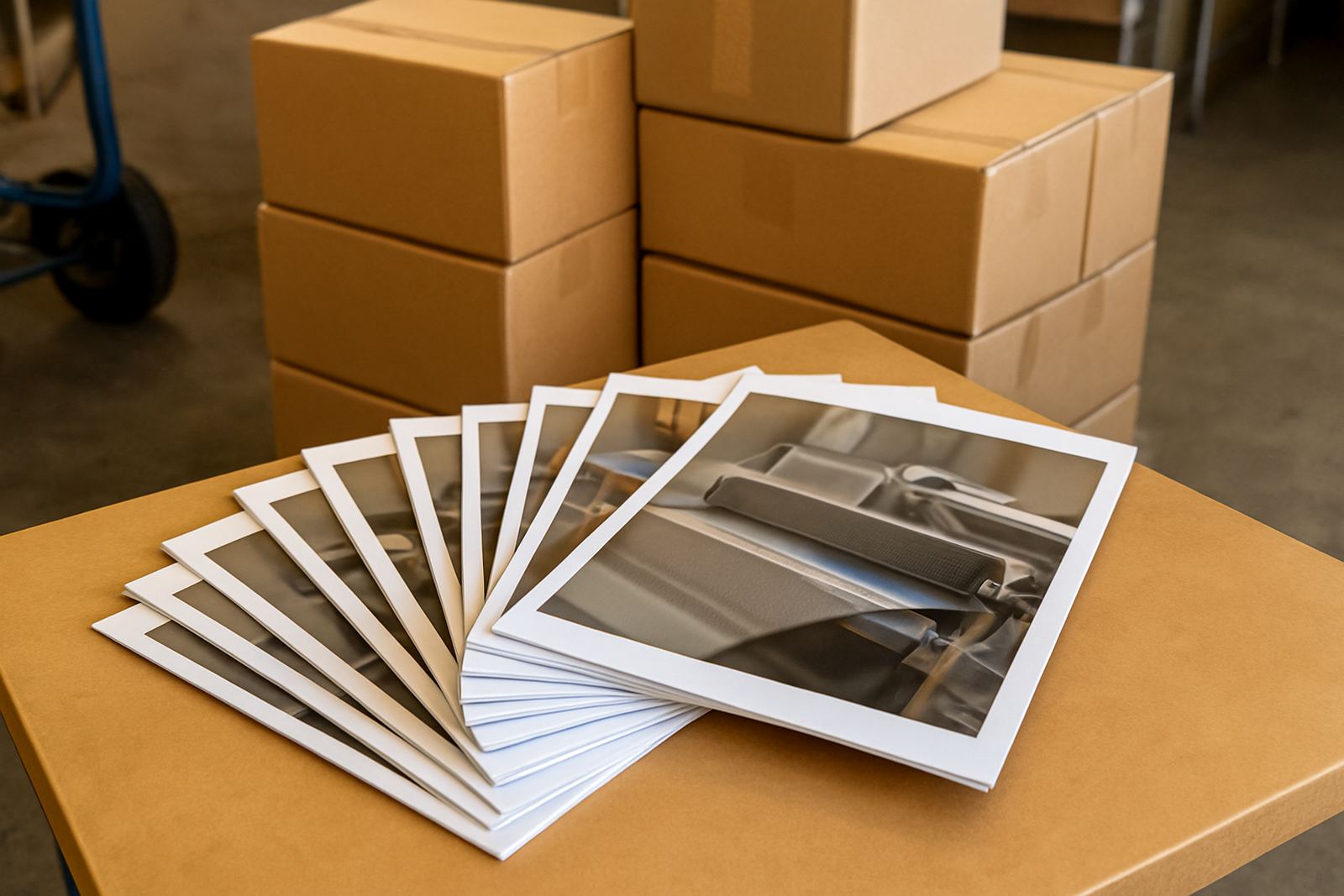
For a manual run, the practical result is not only neat print. It is also fewer calls to the pressroom, less down time, and a finished product that is ready for binding, packing and dispatch.
What Stayed Useful On Germiston Manual Orders
If this same type of manual order came in again from Germiston or anywhere else in Gauteng, we would follow the same approach. Start with the plate size, confirm the run length, check the press condition, then match chemistry and blankets to the expected workload. That process keeps the order grounded in actual production needs instead of guesswork.
Early press support would stay in the plan as well. A short call before the run can prevent hours of trouble later, especially where the client is balancing training deadlines, municipal delivery times and another job already on the machine. Our view is that good supply planning should make the pressroom easier to manage, not more complicated.
For clients running manuals, booklets, inserts or other text-heavy work, the most useful step is often the simplest one: make sure the plates, chemistry and press support are aligned before the first sheet goes on press. That is what kept this Germiston order moving and it is what we would repeat next time.
Key facts
| Project location | Germiston, Gauteng |
|---|---|
| Client type | Print operation producing training manuals |
| Scope | CTP plates, chemistry, blankets and press support |
| Timeline | 4 weeks from brief to sign-off |
| Plate type | Longer run CTP plates for offset work |
| Service outcome | Smooth print run with reduced waste and stable colour |