Brochure Work That Had To Hold Colour From First Sheet To Last
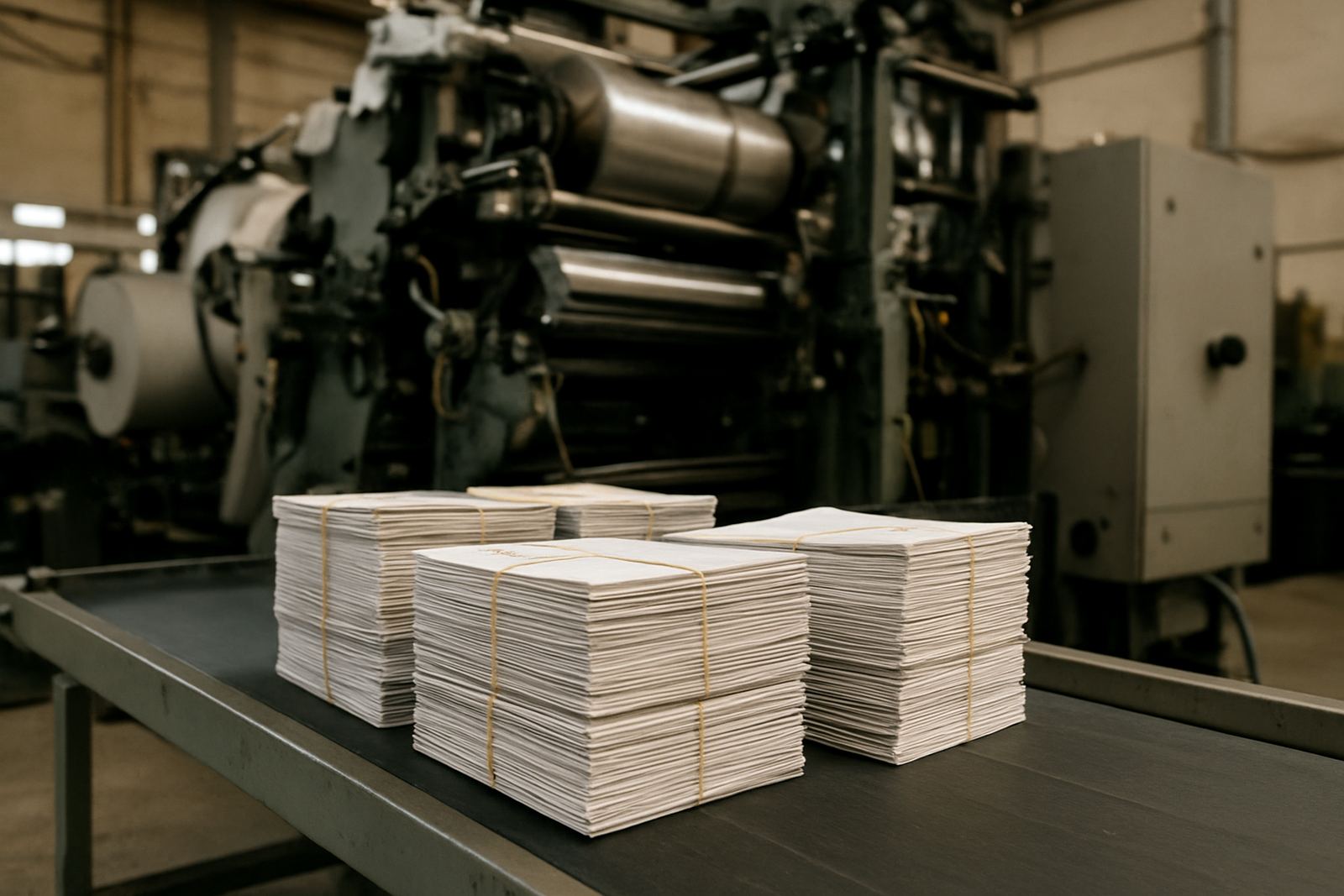
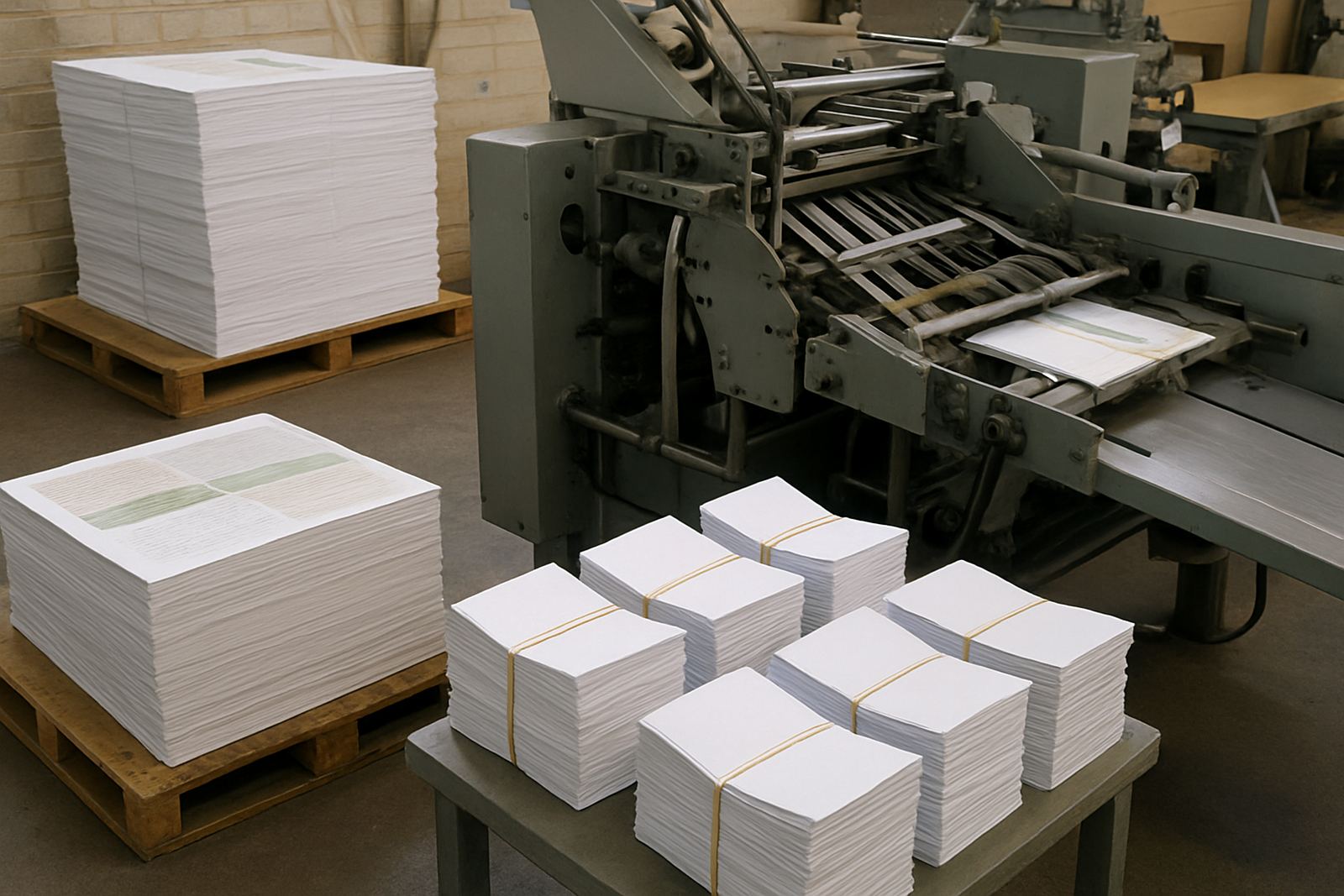
The job came from a commercial print team in Sandton handling brochure production for a corporate client with a tight brand standard and a fixed delivery window. The work was not about chasing fancy effects, it was about keeping the same colour across multiple forms, maintaining clean image detail on coated stock and making sure the finishing team could fold and trim without fighting the sheet. Brochures were being printed in quantity for a business audience, so any shift in tone or register would have shown up immediately.
The brief was to support a brochure run that had to stay stable over repeated press starts. There were flat solids, fine text and image panels that needed good density control. The team also asked for practical help with chemistry balance and plate handling because they were dealing with pressroom pressure, a mixed production schedule and the usual Johannesburg realities such as dust and temperature changes through the day. In a print room like that, a small drift in chemistry can turn into a bigger problem by lunchtime, so the setup had to be handled properly from the start.
- Client type: commercial print shop serving corporate brochure work
- Town: Sandton, Gauteng
- Product type: multi-page brochures for offset printing and finishing
- Main challenge: repeatable colour and press stability over several weeks
What We Supplied For The Run
We supplied CTP plates matched to the plate size and press format in use, plus chemistry guidance for the processor and wash programme. The order included pressroom consumables selected for dependable day-to-day production rather than one-off test work. We also worked through blanket condition so the press team could keep impression even and avoid unnecessary waste on startup sheets.
Because the job had to move quickly between plate output, press setup and finishing, we kept the supply plan simple and practical. The client wanted less downtime between stages, so we focused on the items that would affect output first. That meant plate consistency, clean processor performance and a blanket condition that would not throw off dot gain or paper pickup. It is the kind of support that saves time when the schedule is full and the operator cannot wait for a second round of fixes.
- CTP plates for offset brochure production
- Balanced chemistry support for the plate processor
- Blanket assessment for print consistency
- Wash programme advice for cleaner pressroom handling
- Supply planning for repeat production over the run
The printer also needed guidance on plate handling during busy shifts. We covered storage, handling and make-ready basics so the plates arrived on press in better condition. This reduced avoidable marks and helped the team keep the first sheets closer to final approval, which matters when the client is waiting and the finishing crew has a same-day deadline.
Pressroom Support During A Tight Production Window
The timeline ran across three weeks from first assessment through to steadier production. Week one was plate selection, chemistry balancing and a quick review of the existing press setup. Week two was support during startup and colour checks. Week three focused on fixing the small things that were causing waste, including plate handling habits and a cleaner wash routine. The aim was not to overload the team with extra steps, only to remove the repeat problems that were costing time and stock.
A few working limits in the print room shaped the approach. The print room had limited tolerance for extended machine stoppages, and the job sat alongside other work already booked. On top of that, coated paper stock can react differently when the weather shifts, especially around Johannesburg humidity and winter dryness. We kept the advice direct, with checks that could be done between jobs instead of stopping the whole line.
- Timeline: 3 weeks
- Setting: busy commercial pressroom with limited downtime
- Key constraint: repeatable output while other jobs stayed on the schedule
- Environmental factor: humidity and temperature changes affecting ink and paper behaviour
How Chemistry And Plates Improved The Sheet
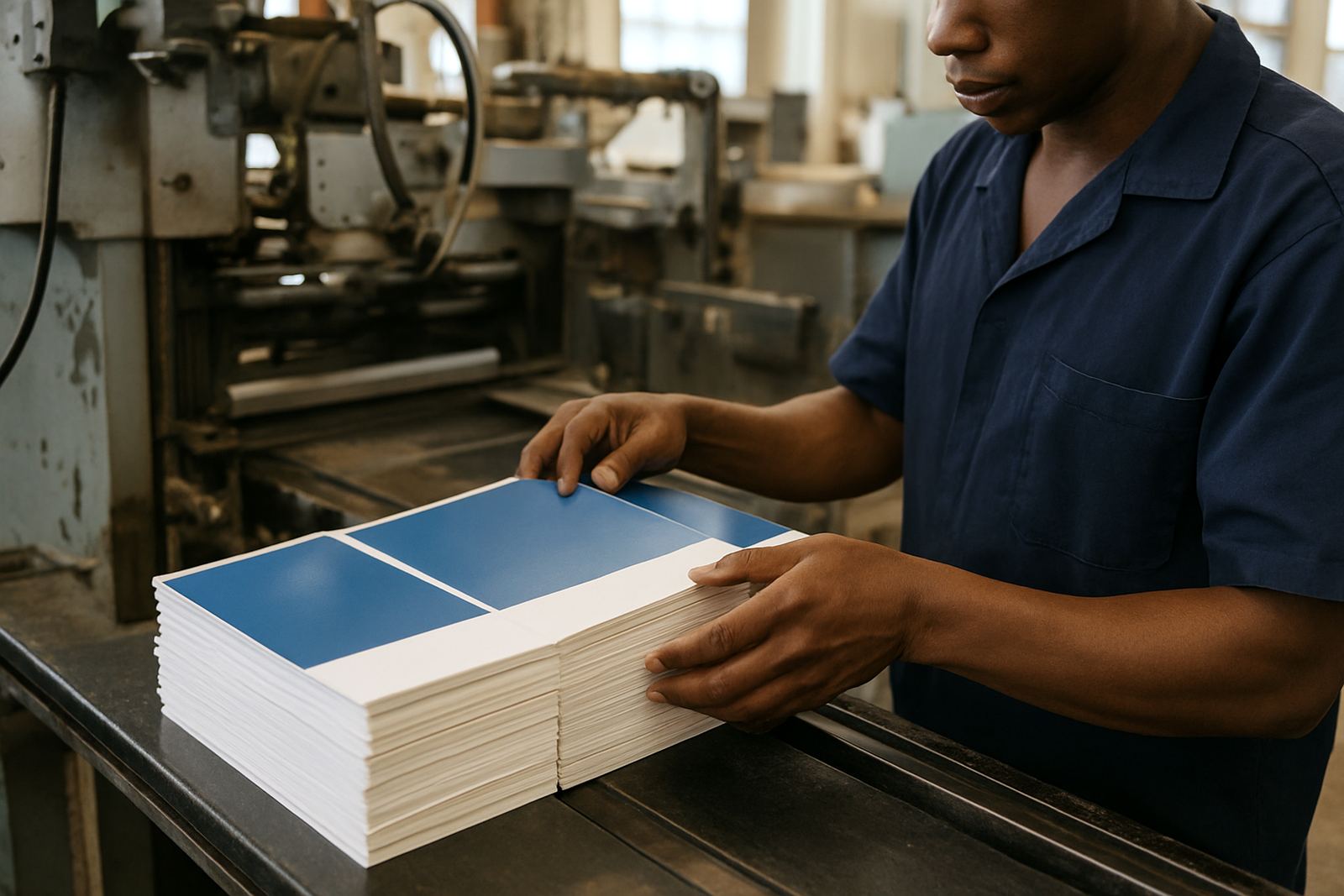
Once the chemistry was balanced properly, the press team had less variation in plate performance and cleaner starts after interruptions. That made a clear difference to colour stability across brochure sections. The solids held better, the fine text stayed sharper and the operator spent less time correcting drift on press. The client did not need miracles, just fewer variables, and that is exactly what the combination of plate quality and processor control gave them.
The blanket check also paid off. An overused or uneven blanket can make brochure work look tired even when the plates are fine. By checking surface condition and pressure behaviour, we helped the team reduce uneven transfer and keep image areas more even from sheet to sheet. The result was less spoilage and a calmer pressroom. It also made finishing easier because the folded sheets were more consistent, with fewer sheets rejected for colour or surface faults.
We would do the same sequence again for a similar Sandton brochure run: assess the pressroom first, match the plates to the job size, balance the chemistry before press start and keep an eye on blanket condition through the run. That order of work saves more money than trying to fix each issue after it has already shown up on paper. In practice, the best work is often the kind that keeps the crew moving without drama, and that was the point here.
Results The Print Team Could Measure
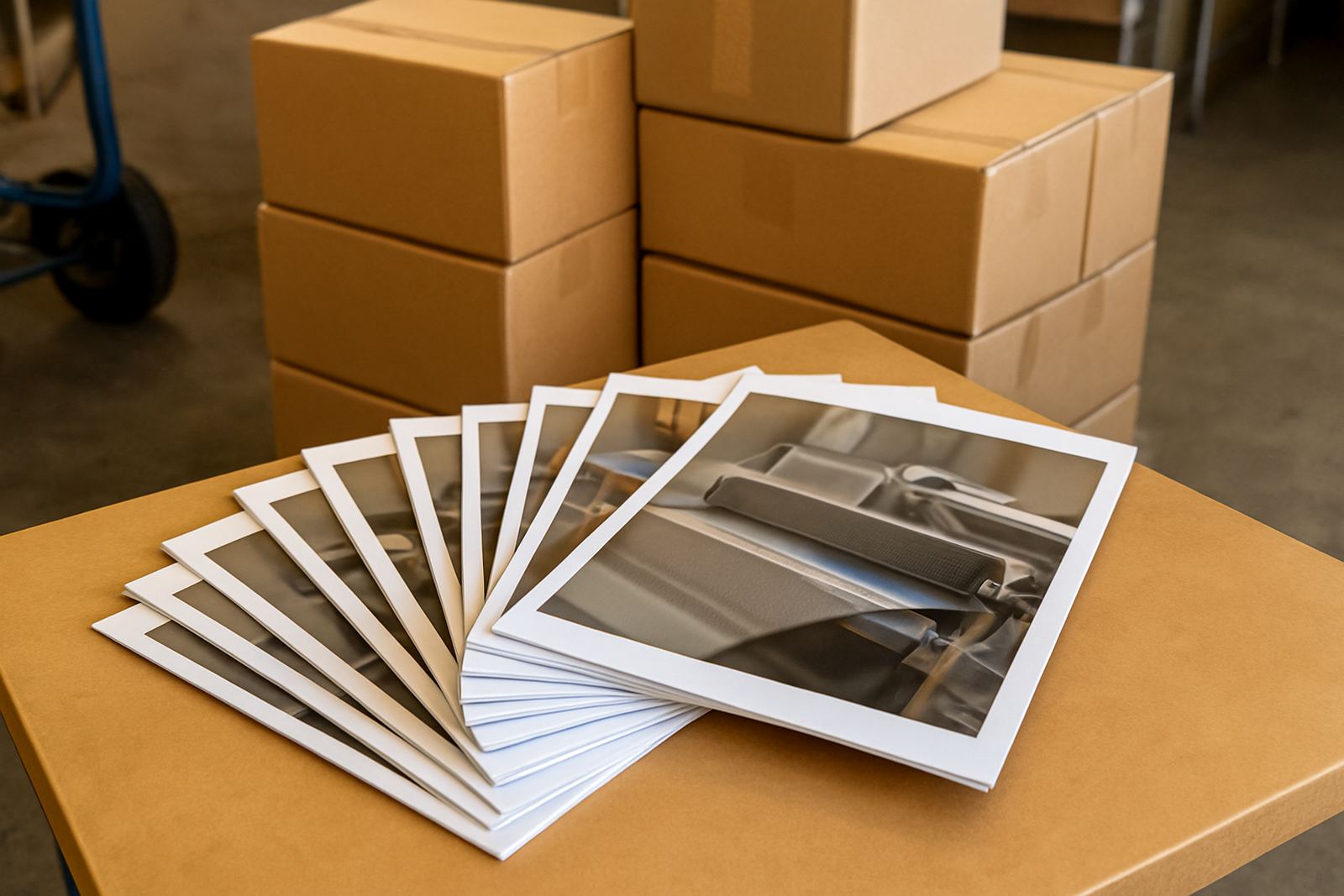
The main result was a more repeatable brochure run with better colour stability and fewer press stops for correction. Make-ready time was shorter, waste sheets came down and the team had a cleaner path from plate output to finished brochure. The client was able to keep production moving through a busy period without sacrificing quality on the final sheets.
For a commercial brochure job, those gains matter in plain numbers as well as in appearance. Less waste means better stock control. Faster startup means the finishing team gets work sooner. Better chemistry control means fewer surprises when the press is restarted after a break or an overnight standstill. It all adds up to more dependable production, which is what the client wanted from the start. The end product looked sharp, the folds held properly and the final result matched the approved target closely enough for the account to stay on track.
- Better colour stability across repeated press starts
- Less waste on make-ready and correction sheets
- Cleaner plate handling and fewer avoidable marks
- More predictable handover to folding and trimming
Keeping the Brochure Method for Next Time
On the next Sandton brochure project, we would start with the same basics and keep the workflow tight. That means reviewing the press condition before the first plate goes on, checking chemistry before the first production sheet and confirming blanket wear before the job ramps up. We would also keep the supply plan aligned to the print schedule so the team does not run short halfway through a run.
If the client is producing brochures for multiple branches or sales teams, we would suggest a short production check before each repeat run. This helps keep colour steady across reprints and avoids the common problem of one batch looking slightly different from the next. For busy Gauteng printers, especially those working with corporate material and short turnaround times, that extra step is worth the effort.
Our office in Industria West, Johannesburg supports print businesses across Sandton, Randburg, Midrand, Germiston, Pretoria and Roodepoort. For brochure production, we can assist with plate selection, chemistry balancing, processor servicing, blanket assessment, press startup help and production troubleshooting. If the work needs to hold colour and stay repeatable, the setup has to be right before the run begins. That is where we come in.
Key facts
| Project type | Commercial brochure support for offset printing |
|---|---|
| Town | Sandton, Gauteng |
| Timeline | 3 weeks |
| Main supplies | CTP plates, chemistry support, blanket assessment |
| Key challenge | Repeatable colour under busy pressroom conditions |
| Coverage | Nationwide supply from Industria West, Johannesburg |