Benoni insert work that had to stay on schedule
The client was a high-volume insert printer in Benoni handling recurring retail and promotional runs for multiple local accounts. The job needed reliable supply of CTP plates, chemistry, blankets and support materials so the pressroom could keep pace with tight handover times. In this sort of work, one late delivery can throw off the whole week, so the brief was simple: keep stock moving and avoid stoppages.
The operation was dealing with standard offset insert production, with short lead times, repeat versions, and regular artwork changes. The team needed a supplier who could look at the full run pattern, not just the next order. We worked on a supply plan that covered the likely weekly usage and allowed for rush jobs, plate remakes and pressroom adjustments without over-ordering. The goal was to make sure the press schedule stayed predictable, even when the load was heavy.
The brief, constraints and pressroom pressures
The main brief covered repeat supply, technical support and cleaner production control. The client wanted plates that held detail well, chemistry that stayed balanced in production, and blanket support that would not introduce unnecessary set-off or print variation. They also needed practical help with handling and startup because the team was working across long shifts and could not afford wasted time on make-ready.
- High-volume inserts with repeat runs and regular version changes
- Short turnaround windows, often across a 1 to 2 week production cycle
- Pressroom pressure from weekday peaks and urgent reprints
- Need for stable colour and consistent plate performance
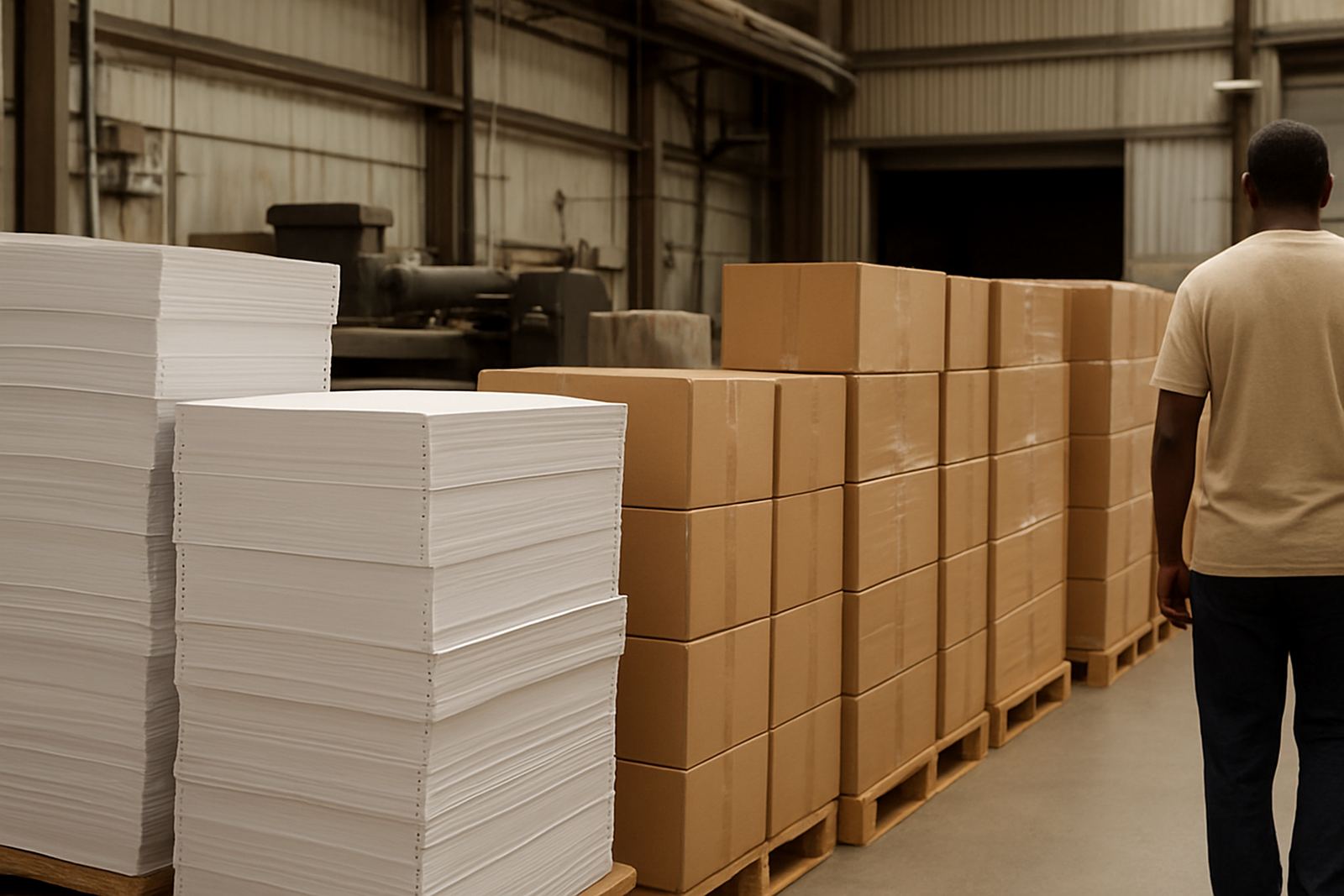
- Storage and handling control to protect materials in warm inland conditions
Benoni is not far from the main production corridors, but the real issue was not distance, it was timing. The client needed stock planned around press demand, not guessed at the last minute. We also took note of local conditions in Gauteng, where dry air and dust can affect workflow if housekeeping and restart procedures are not in place. That meant checking the supply mix carefully and making sure the materials fit the actual pressroom conditions on site.
What we supplied for the insert programme
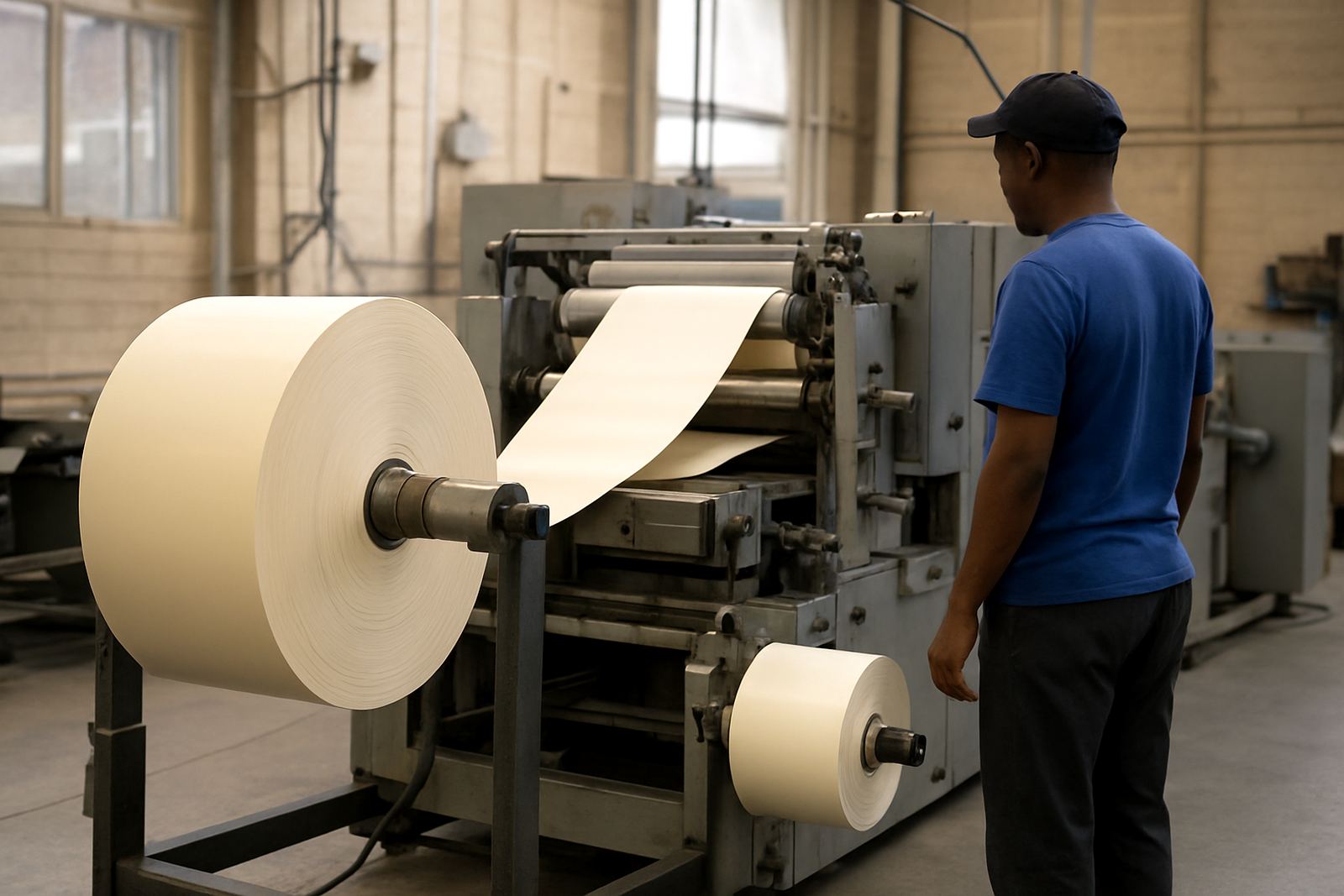
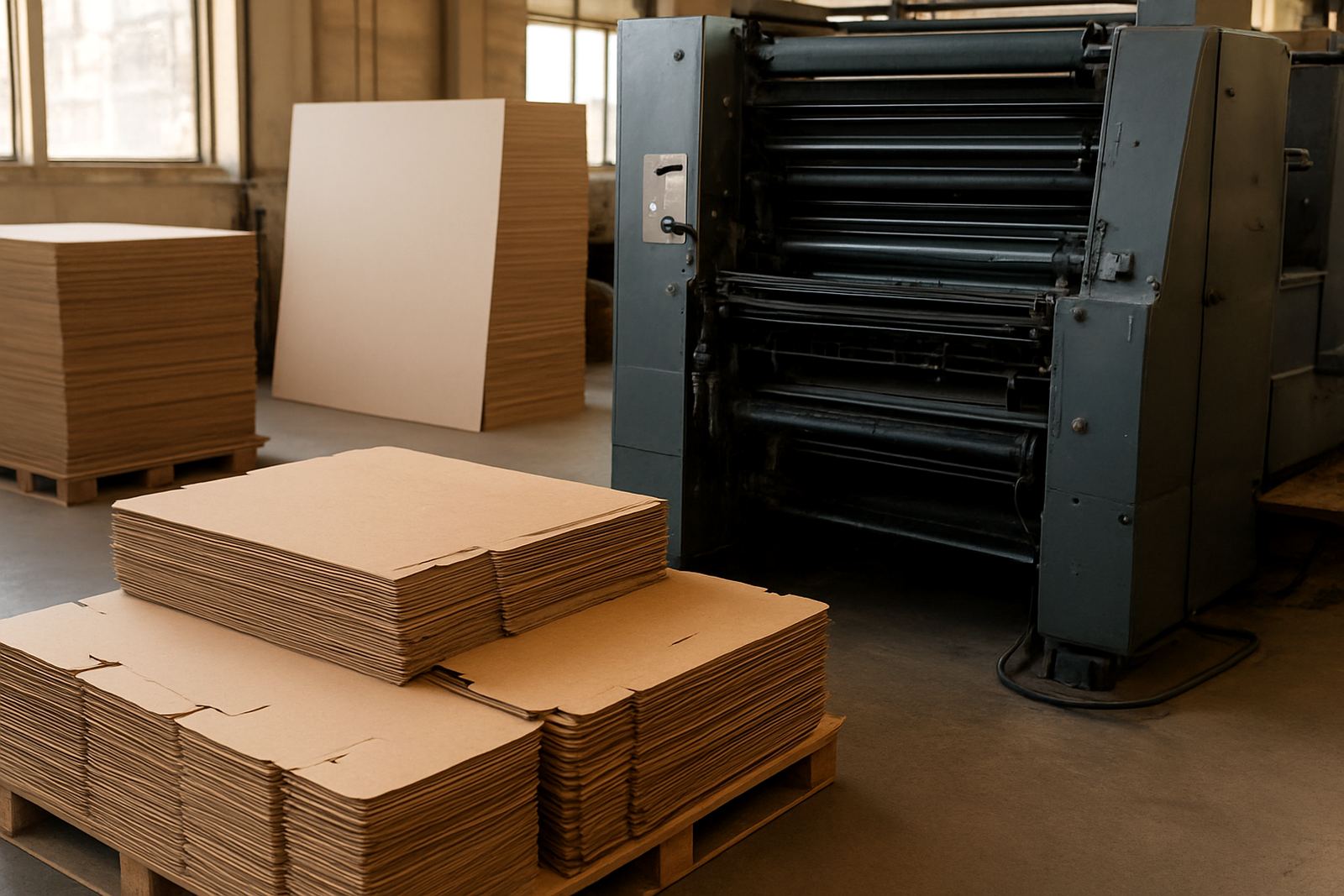
We supplied a mix of CTP plates, chemistry, offset blankets and related consumables matched to the client’s recurring insert schedule. The plate specification was selected for dependable image detail and consistent run performance, while the chemistry was balanced to support stable processing and cleaner plate output. We also checked blanket condition and advised on replacement timing to reduce print variation and avoid costly downtime.
- CTP plates for repeat insert production
- Pressroom chemistry for plate processing and wash control
- Offset blankets suited to long runs and frequent changeovers
- Handling guidance for plate storage, loading and protection
- Supply planning for scheduled runs and emergency top-ups
Alongside the supply, we helped the team standardise their ordering pattern. That meant looking at actual consumption over several weeks, then setting a repeat plan that kept buffer stock available without tying up too much cash. In a high-volume insert operation, that balance matters. Too little stock leads to delays. Too much stock fills the room and gets in the way.
Timeline from first review to steady repeat supply
The initial review and requirement check took place during the first week. We then mapped the production rhythm over the following 2 weeks and confirmed material usage against the press schedule. By week 3, the repeat order pattern was in place and the first planned deliveries were moving in line with output. By week 4, the client had a working stock cycle that matched the insert programme more closely.
During this period we also assisted with start-up questions, plate handling and chemistry checks. A few small adjustments were made to the wash programme and plate handling process once the team saw how the materials behaved in day-to-day production. Nothing dramatic, just proper pressroom housekeeping and a better way of managing the sequence of tasks. That helped reduce make-ready waste and keep the operators focused on output.
Results on press and in the dispatch bay
The biggest result was consistency. The client reduced the risk of running out of key materials during a live insert cycle, and the press schedule became easier to plan. Colour stability improved because the chemistry and plate handling were being managed in a more disciplined way, and the blanket checks helped reduce avoidable print issues on longer runs.
- Fewer emergency orders during the month
- Better alignment between stock levels and press demand
- Cleaner make-ready and fewer production interruptions
- More predictable output for scheduled insert drops
- Improved confidence in repeat-run planning
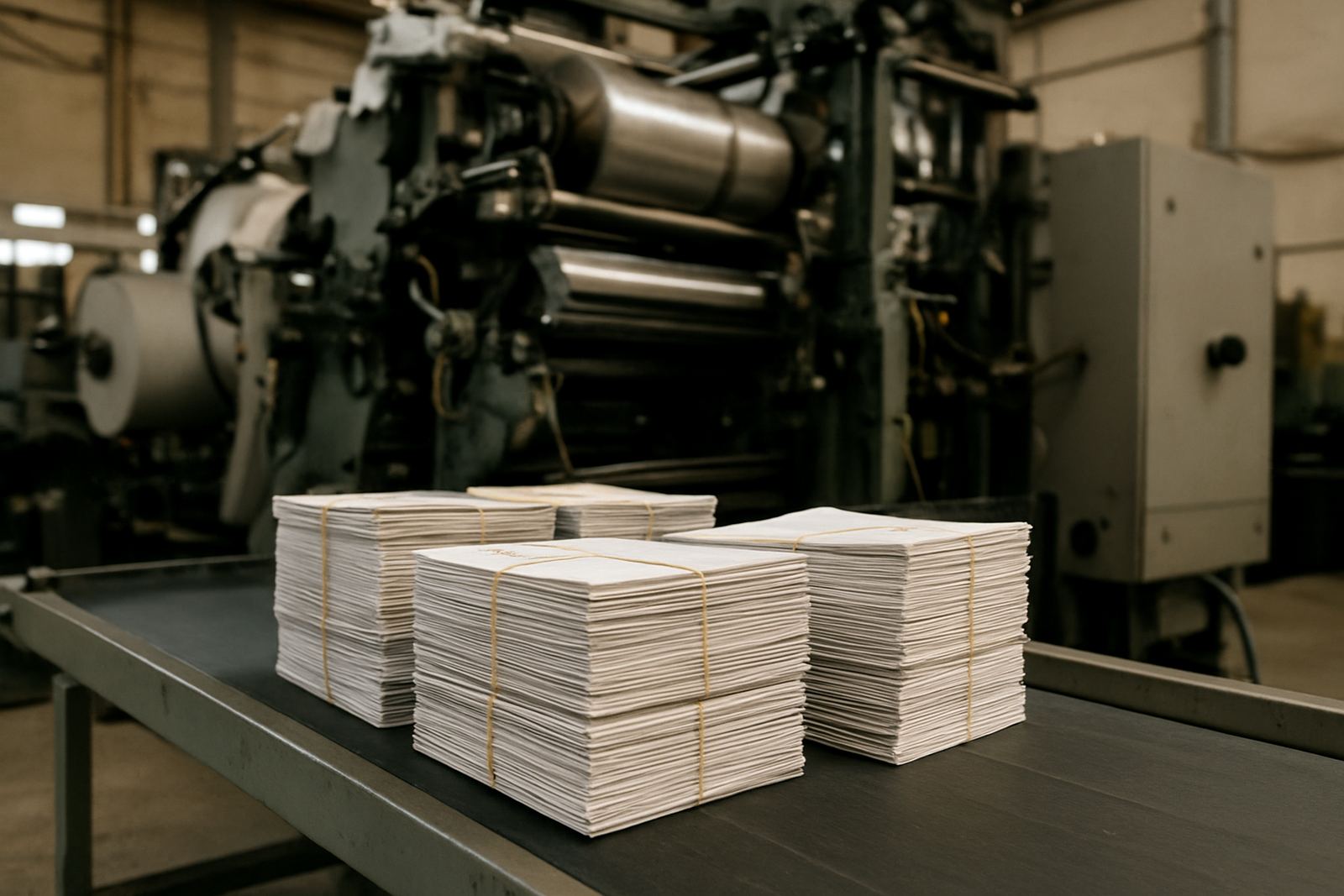
In practical terms, this meant the dispatch team had a steadier flow of finished inserts and the press crew spent less time waiting on materials. There was also less pressure on the technical side because the supply plan had already taken the likely problem points into account. For a busy Benoni insert printer, that kind of stability is worth a lot more than a one-off quick fix.
What we would do again for another insert printer
If we were setting this up again, we would start with the same three things: a usage review, a repeat order cycle and a practical check of pressroom handling. That gives a clear picture of what is moving each week and where losses usually happen. Public holidays and planned municipal maintenance, both of which affect wash-up and startup times, are then simpler to plan for.
On-site visits would stay part of the plan. Insert printing runs best when the supplier understands the production rhythm, not just the product list. A good plan needs plates that are right for the job, chemistry that stays in balance, blankets that hold up over the run, and support that fits when the schedule changes. That is how you keep high-volume work on track without building unnecessary risk into the week.
Key facts
| Project location | Benoni, Gauteng |
|---|---|
| Client type | High-volume insert printer |
| Production type | Offset insert printing |
| Supply scope | CTP plates, chemistry, blankets and consumables |
| Timeline | 4 weeks from review to repeat supply setup |
| Support services | Supply planning, press startup help, colour stability checks, production troubleshooting |