Boksburg board work needed cleaner repeatability
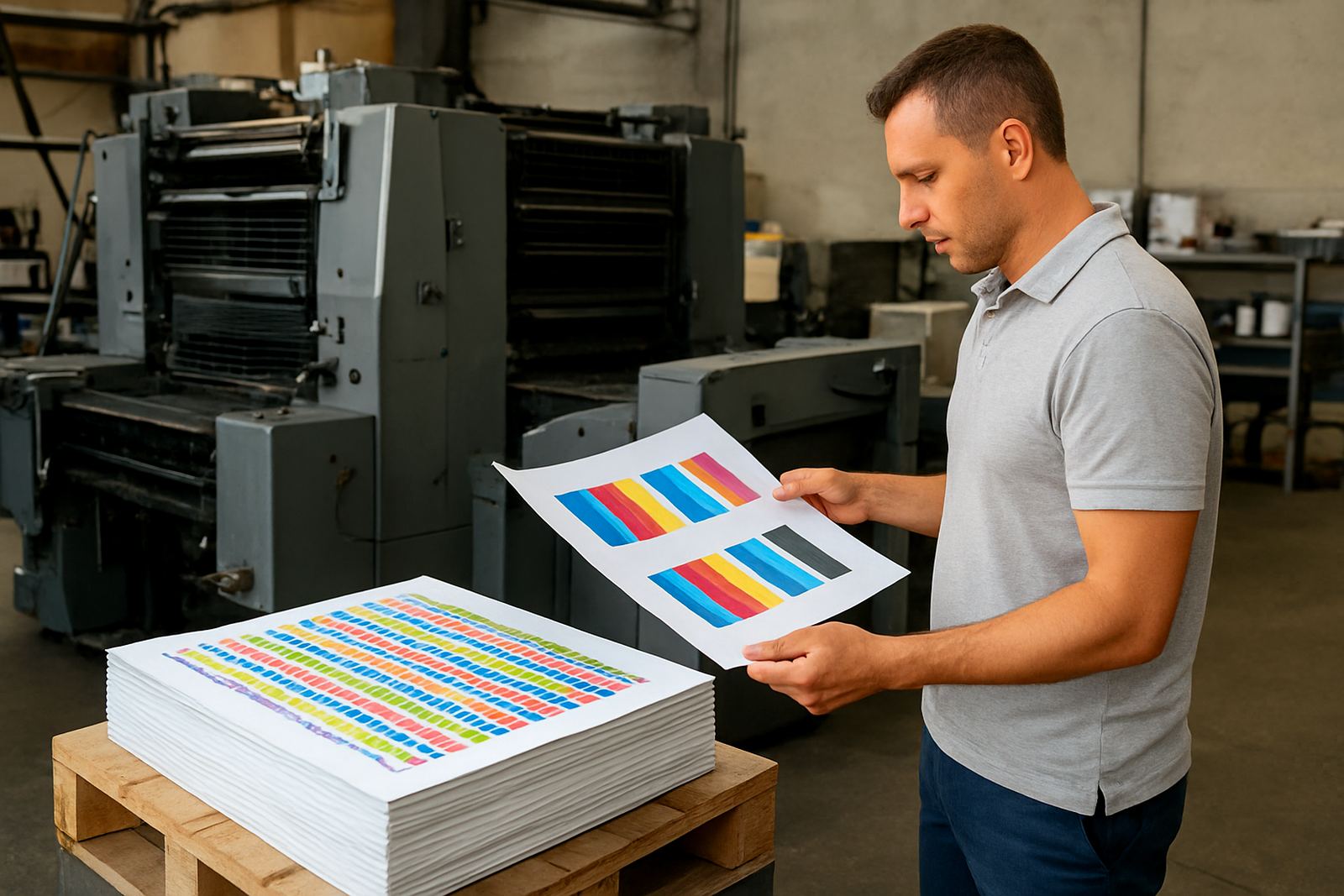
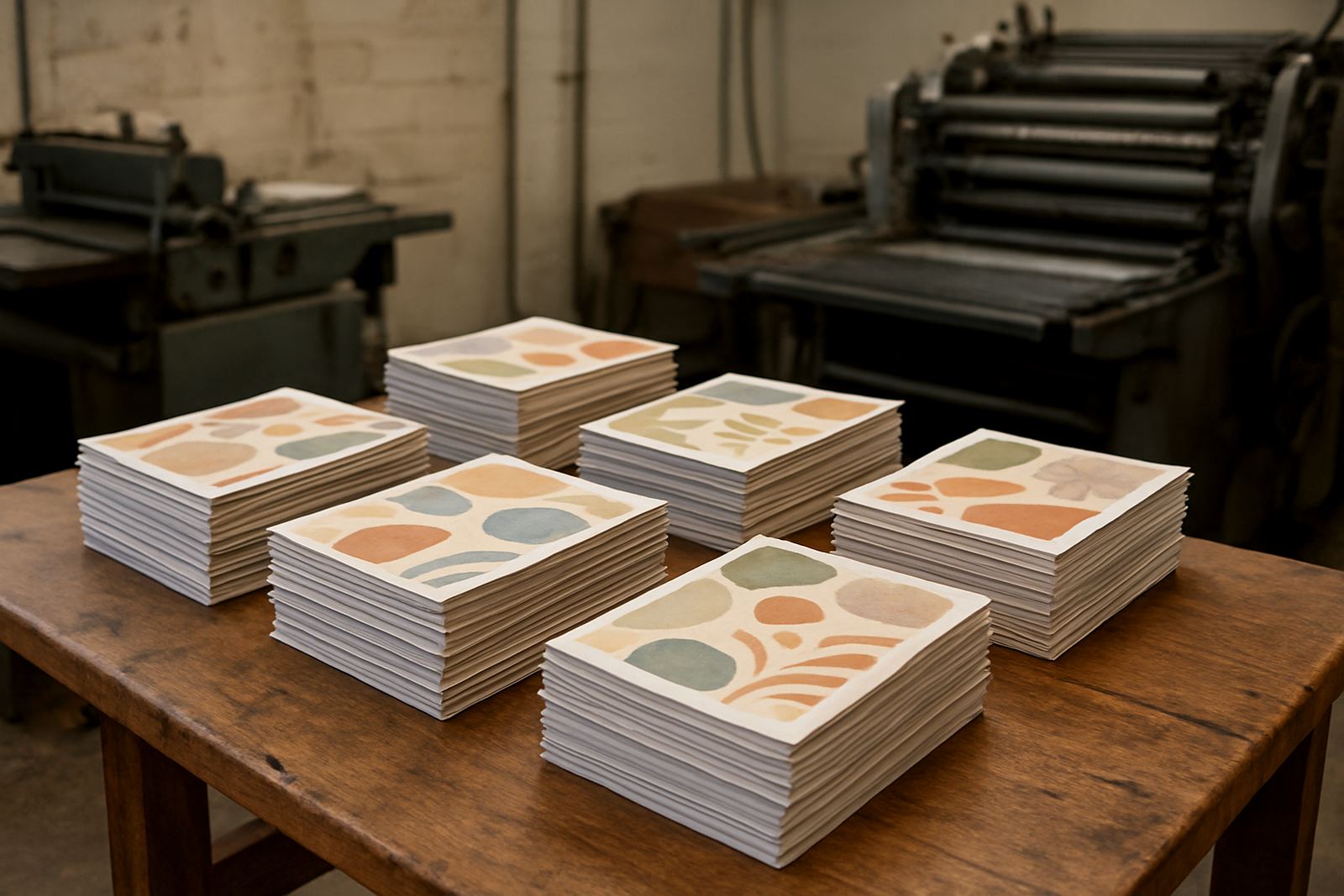
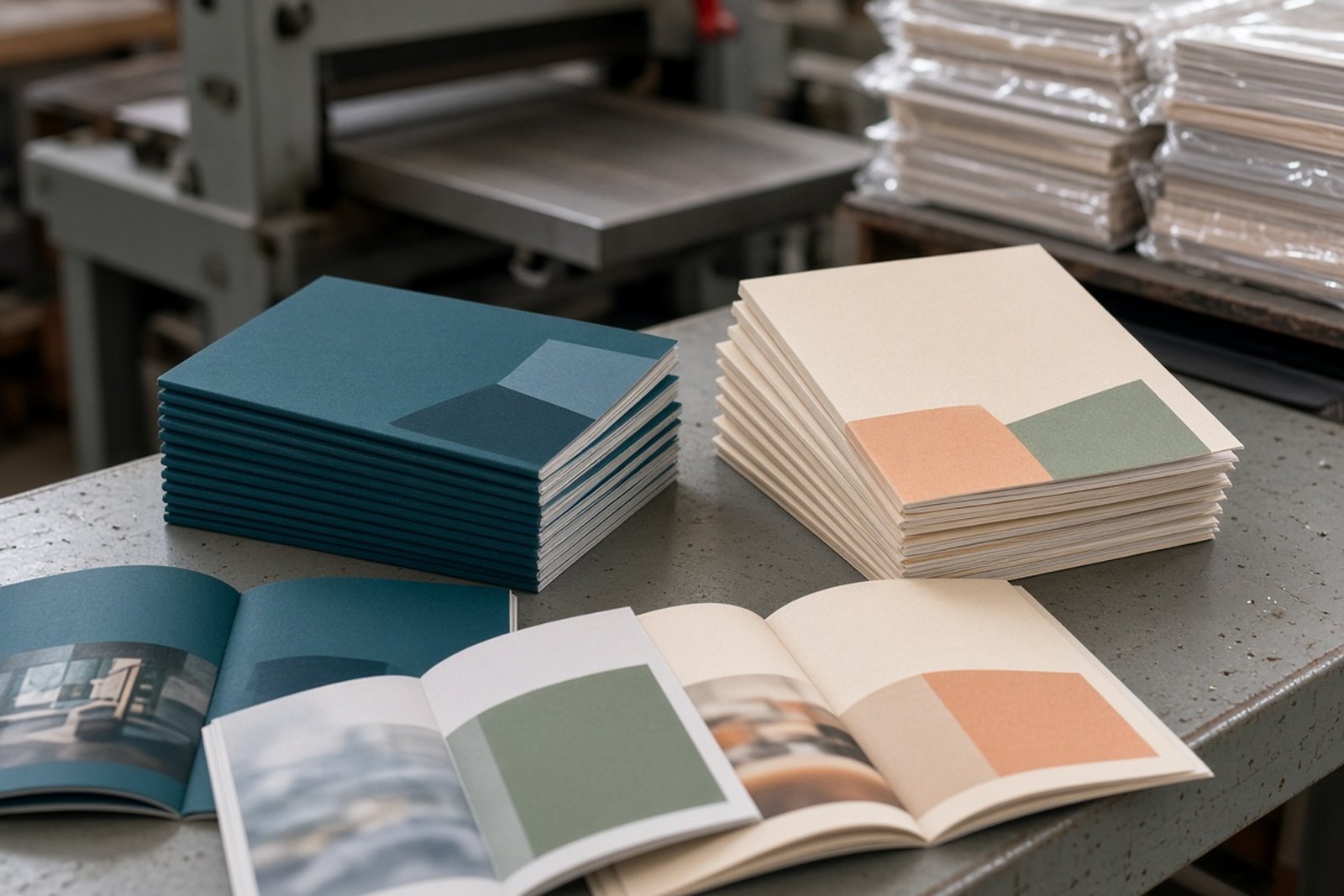
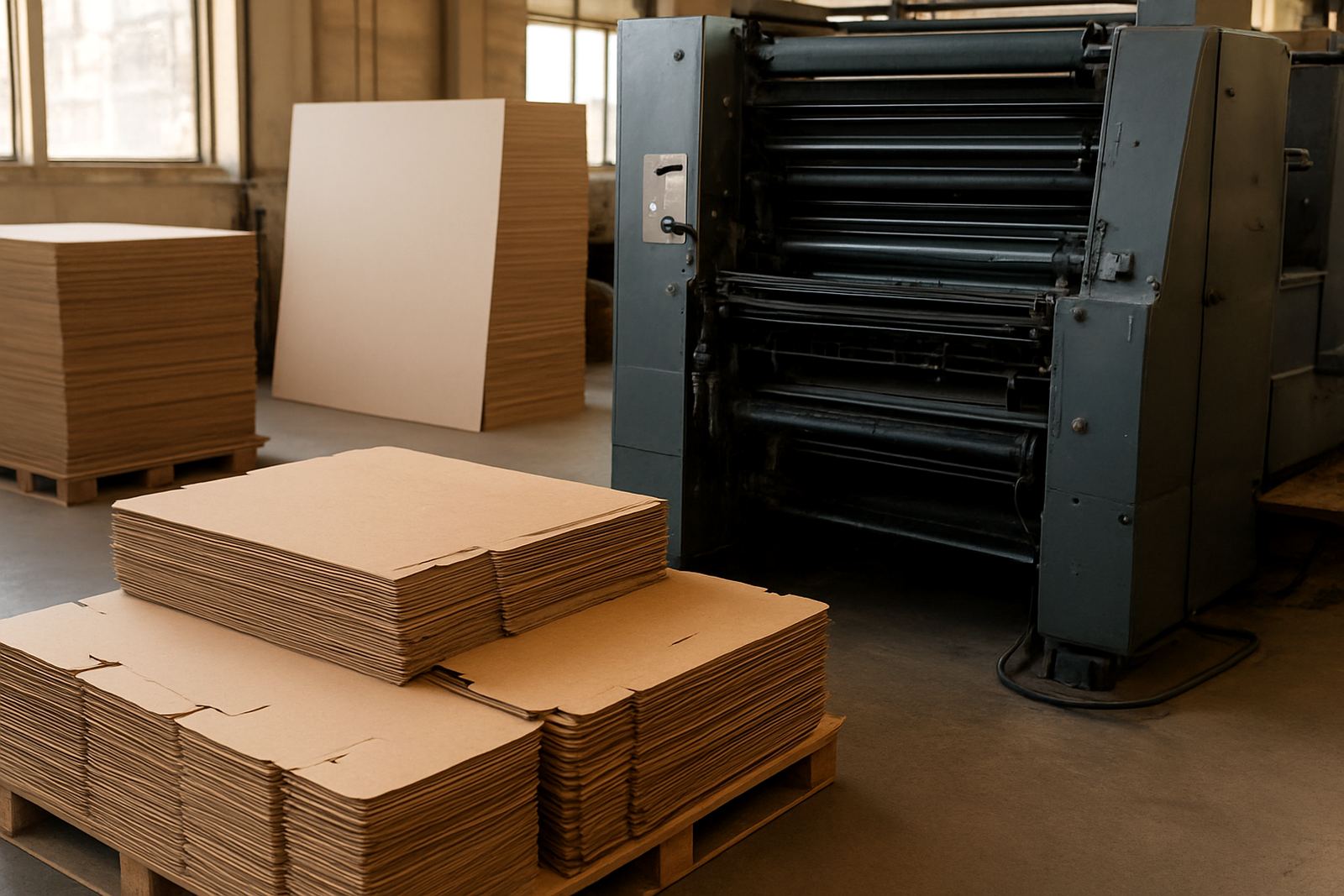
The client was a packaging printer in Boksburg handling board cartons, inserts and short run display work for regional FMCG and industrial jobs. The pressroom needed support where make-ready time was eating into shift output and the finishing team was seeing scuffing, picking and colour drift on heavier stock.
The brief sounded straightforward and proved demanding on press: improve blanket performance on coated board, keep chemistry in a workable band, and reduce the time lost to wash-ups and minor faults. The team wanted better control on press without adding extra handling steps, because every added minute was affecting delivery. They also needed support that could hold up under local conditions, especially humidity changes and stop-start running that upset drying and press stability.
- Area: Boksburg and the wider East Rand
- Application: packaging print on board, carton work and finishing related press jobs
- Main issue: colour variation, blanket wear and inconsistent chemistry balance
Constraints from board dust, stop-start running and tight turnaround
The site was running mixed shifts, with some jobs scheduled around weekend maintenance. That meant start-up times were not always predictable, and chemistry could drift if the press sat idle. Board dust from the finishing side also found its way into the pressroom, so blankets and wash programmes had to cope with contamination from day one.
Humidity in the area made matters worse on certain mornings. On warmer days the team saw slower drying on heavy coverage work, while cooler starts gave a different set of problems on ink transfer and laydown. The customer needed a practical setup that would work across those changes, not a lab-perfect answer that only held for one shift. We also had to keep the supply plan tight, because stockouts on plates or wash materials were not an option.
- Constraint 1: frequent starts and stops between short jobs
- Constraint 2: board dust affecting blanket life and print cleanliness
- Constraint 3: short turnaround on packaging orders with limited downtime for servicing
What we supplied for the pressroom
We supplied CTP plates selected for reliable imaging and consistent dot performance, along with blankets suited to packaging board work where compression recovery and surface resilience matter. Chemistry was matched to the press conditions so the team could keep fountain balance steadier across the shift. We also assisted with plate handling practices to reduce scratches and transport damage before make-ready.
Willem van der Merwe worked through the press side with the operators, while Thandiwe Khumalo and Jason Petersen coordinated supply timing so the stock arrived before the line ran thin. The package included technical support for start-up and wash routines, plus checks on plate storage and blanket condition. Not every press problem needs a big fix, sometimes the right blanket spec and a cleaner wash programme are enough to shift the whole day.
- CTP plates for packaging and finishing related runs
- Blankets for board work with stronger resistance to scuffing and repetitive impressions
- Controlled chemistry support for cleaner balance and more stable ink-water interaction
- Wash programme guidance to reduce residue build-up
- Plate handling training for the production floor
Timeline from first call to stable production
The first site discussion and audit took place in week 1. We looked at the pressroom flow, checked current blanket condition, reviewed chemistry readings and sat with the operators on the actual make-ready sequence. In week 2, the supply plan was finalised and the first materials were delivered from Industria West into Boksburg with enough lead time to avoid a stoppage.
Week 3 was the changeover and support phase. We assisted with plate handling, press startup, blanket assessment and the first wash programme adjustments. By week 4, the team had a workable routine in place and could hold a more consistent colour window on the board jobs. The follow-up in week 5 showed fewer stop-start clean-ups and less blanket related marking on the finished sheets. It was not magic, just steady control and the right consumables matched to the job.
- Week 1: pressroom review and problem identification
- Week 2: supply planning and delivery
- Week 3: implementation and operator support
- Week 4 to 5: follow-up checks and production tuning
Results seen on cartons, covers and heavy coverage jobs
After the changeover, the client saw better consistency on repeat carton work and less variation between early shift and later shift output. Blanket life improved because the selected product handled board pressure better and held its surface longer under regular wash cycles. Chemistry balance also became easier to manage, which reduced the amount of correction needed during live production.
The team reported cleaner solids, fewer blanket marks and less downtime spent chasing colour stability. Make-ready was quicker because the operators had a clearer handling routine and fewer reworks. In practical terms, that meant more sellable sheets per shift and fewer headaches when a job had to run past normal hours. For a packaging house, that matters more than any fancy promise. The result was steady, not flashy, and that is exactly what the plant needed.
Lessons for future Boksburg carton work
If we were brought in again for a similar Boksburg packaging line, we would start with the same basics: blanket condition, chemistry control, plate handling and the real shift pattern. Those four points tell you where the losses are. We would also keep the supply schedule tight and plan around shift handovers, because that is where many pressrooms lose time without noticing it straight away.
The same approach works well for other East Rand packaging operations, especially where board stock, finishing dust and fast turnaround jobs are part of the daily mix. If the pressroom has controlled chemistry, the right blanket spec and practical startup support, the work becomes much easier to hold. That is what this project proved. Simple controls, checked properly, can save a lot of Rand over a month.
- Repeat the blanket check before every major board run
- Keep chemistry within agreed limits and record the readings
- Store plates and wash materials away from dust and heat
- Plan deliveries with enough buffer for traffic delays
Key facts
| Project location | Boksburg, East Rand |
|---|---|
| Client type | Packaging print operation |
| Primary materials supplied | CTP plates, chemistry and blankets |
| Press support areas | Plate handling, startup help, wash programmes and troubleshooting |
| Timeline | 5 weeks from review to follow-up |
| Key print focus | Durable board work with controlled chemistry |
| Base of support | Industria West, Johannesburg |
| Service reach | Nationwide plate and press supply |