Braamfontein brief: low-cost print that still had to hold colour
The project came from an independent publication team in Braamfontein, Johannesburg, producing a short-run zine series for street distribution and retail sale. The job needed to stay affordable from the first proof to the final delivery, because the print budget had to cover paper, plates, press time and finishing in one narrow window.
On paper the job looked straightforward, but the press standard had to stay tight across repeated editions.: keep repeat work consistent across multiple editions, reduce wastage on startup sheets, and make sure the printed blacks stayed clean on uncoated stock. The client was working with a small team and a lean schedule, so they needed plates and consumables that would behave predictably on press, not material that needed constant correction.
We agreed on a material plan that matched the run size and the available press capacity. The goal was not to overspec the job, but to set it up so the printer could get into production quickly and hold register through the run.
What made this run tricky in Braamfontein
Braamfontein print work often sits between creative expectation and hard cost limits. This job had a few pressure points: the artwork carried heavy solid areas, the supply schedule allowed little room for reprints, and the final product had to survive handling in shops, events and backpack carry. On top of that, Johannesburg winter dryness can affect static on sheets and blanket behaviour, while summer humidity can change how fast some chemistry dries down.
We also had to plan around normal city logistics. The pressroom wanted stock and consumables delivered in a narrow receiving slot, and the client needed updates they could pass on to their editors and distributors. That meant clear pack lists, tight call-backs and no guesswork.
- Run size: short-run edition with repeatable reprints planned over several weeks
- Stock: uncoated paper chosen for a natural feel and lower cost per copy
- Print method: offset litho with plate-based production
- Priority: stable image area, quick startup and reduced makeready waste
Plate and pressroom supply chosen for economy and control
For the plates, we supplied a specification suited to quick turnaround and dependable image transfer. The plate choice supported clear text, solid blacks and fine line detail, which mattered for small type and editorial graphics. Where the printer needed it, we also assisted with plate handling advice so the plates arrived at press in good condition and without avoidable scuffing.
On the chemistry side, we matched the wash and balancing approach to the pressroom’s actual operating conditions rather than a standard catalogue setting. That helped the team avoid over use of chemistry, which can drive up cost and create extra clean-up work. We also checked blanket condition before the first run, because an older blanket can show up as poor laydown, mottled solids or uneven density fast.
- CTP plates selected for consistent image transfer and accurate registration
- Pressroom chemistry balanced for economical use and clean running
- Blanket assessment done before live production to limit avoidable defects
- Supply planning aligned with the printer’s production week
Two-week production window from setup to delivery
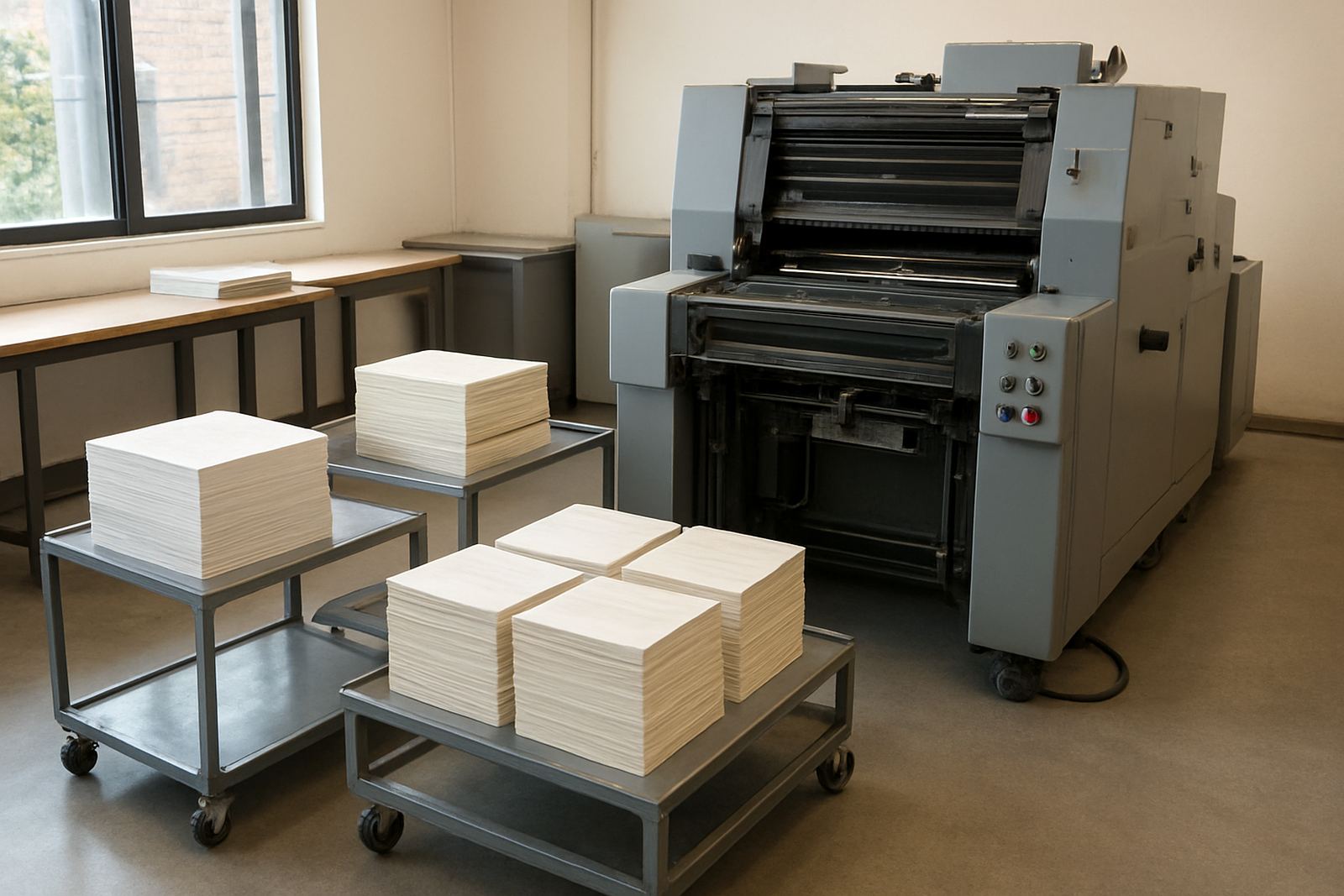
Work ran over roughly ten working days from file check to dispatch. In week one we handled the material selection, confirmed plate quantities and supported the first technical checks. The printer then carried out plate loading and initial press setup, while we stayed available for plate handling questions, chemistry balancing and wash programme guidance. That stage was important because the first sheet to the last sheet needed to hold the same tone and register.
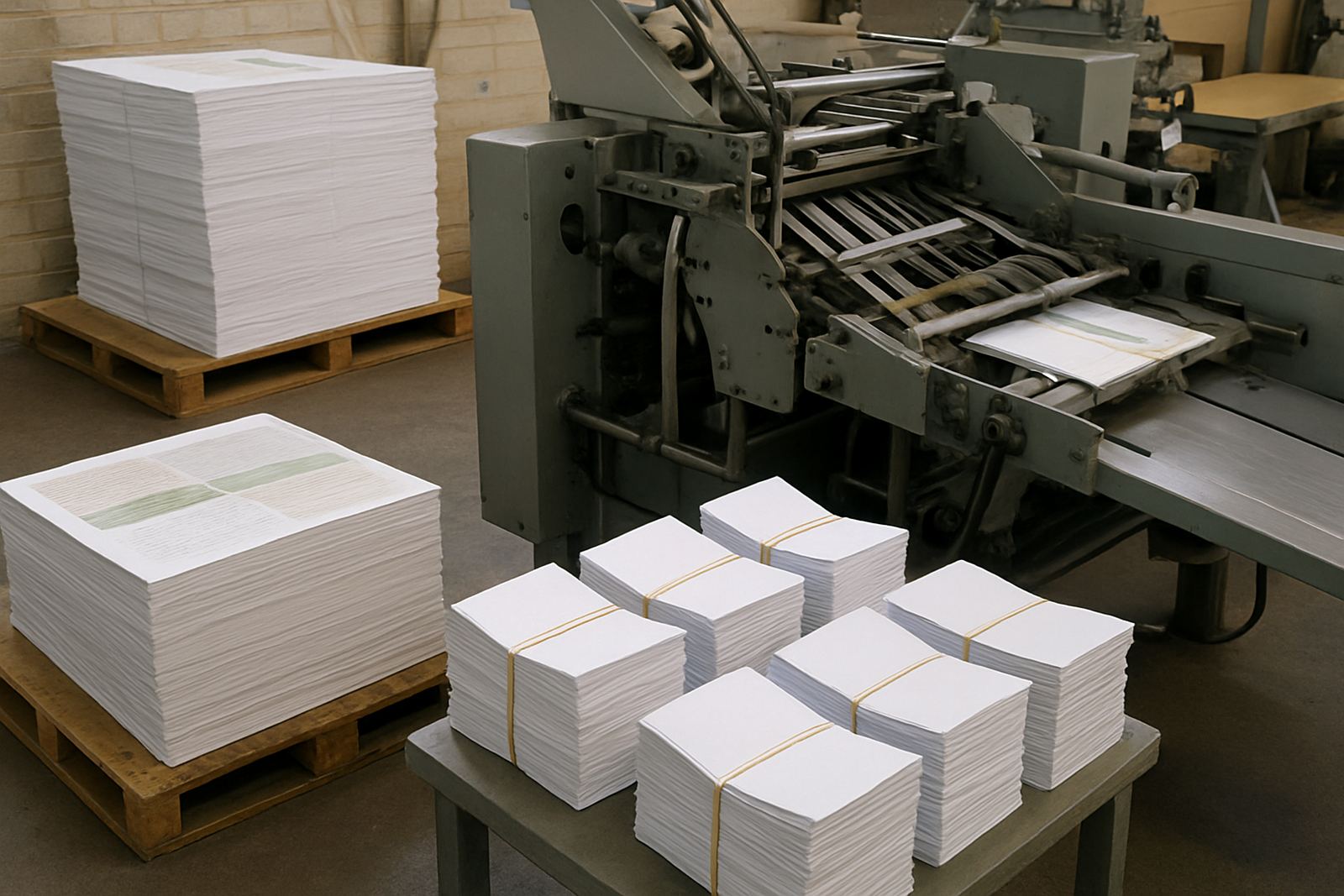
Week two covered production oversight, colour stability checks and finishing support. As the run progressed, the team monitored sheet behaviour, checked for any blanket wear and kept an eye on the solids and text areas. There was a small amount of trial waste at startup as expected, but the setup settled quickly and the press operator was able to maintain the run without repeated correction. A missing mark here or there was fixed before it became an issue, which saved both time and paper.
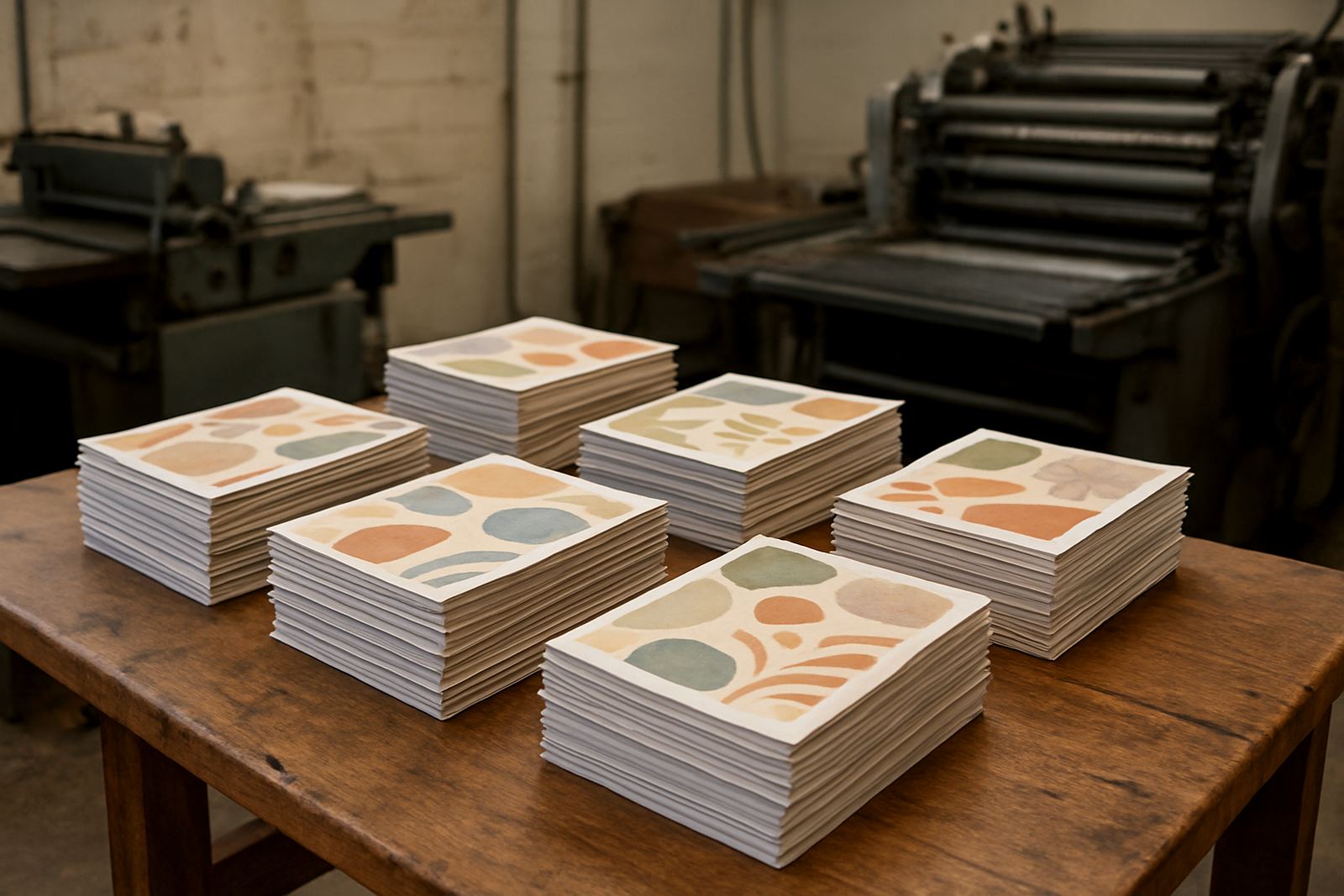
By the end of the run, the materials had done the job without causing delays, and the printer could hand over the finished zines on schedule.
Results that mattered to the publishing team
The main result was cost control without a drop in print quality. The client kept the edition within budget by avoiding unnecessary material upgrades and by reducing press waste during startup. The black text held well, image areas printed cleanly, and the repeat orders could be planned from a known supply pattern rather than starting from scratch each time.
For a small independent publication, that matters. Editors and designers often judge success by how the printed piece feels in the hand, but the printer judges it by whether the press kept moving and whether the stock, plates and blanket all behaved the same way from one batch to the next. In this case, the balance was right.
- Lower startup waste through better plate and chemistry matching
- Consistent colour and density across the edition
- Cleaner handling of repeat reprints
- Better predictability for the client’s distribution dates
Carried into the next Braamfontein run
If we were to do this job again, we would keep the same practical approach: confirm the final sheet count early, lock in the plate quantity before make-ready, and review the blanket and chemistry condition before production week starts. For Braamfontein based publications, that level of preparation saves money and avoids late surprises.
We would also continue to work closely with the printer on colour stability checks, especially if the next edition uses different paper or adds a heavier ink coverage. Johannesburg’s dry season and fast-moving schedule can change the feel of a run, so a proper pre-press conversation is worth the time. It stops the small problems becoming expensive ones.
That is the kind of support this project needed, and the same approach works well for any short-run publication, pamphlet or zine series that has to stay economical without looking thrown together.
Key facts
| Client type | Independent publication team, Braamfontein, Johannesburg |
|---|---|
| Project scope | Economical plate and pressroom material supply for a short-run zine series |
| Production method | Offset litho with CTP plates |
| Timeframe | 2 weeks from setup to delivery |
| Key supplies | CTP plates, chemistry, blankets, wash programme support |
| Support areas | Plate Selection, Chemistry Balancing, Blanket Assessment, Colour Stability Checks, Supply Planning |