Short-run mailers with a tight Gauteng timetable
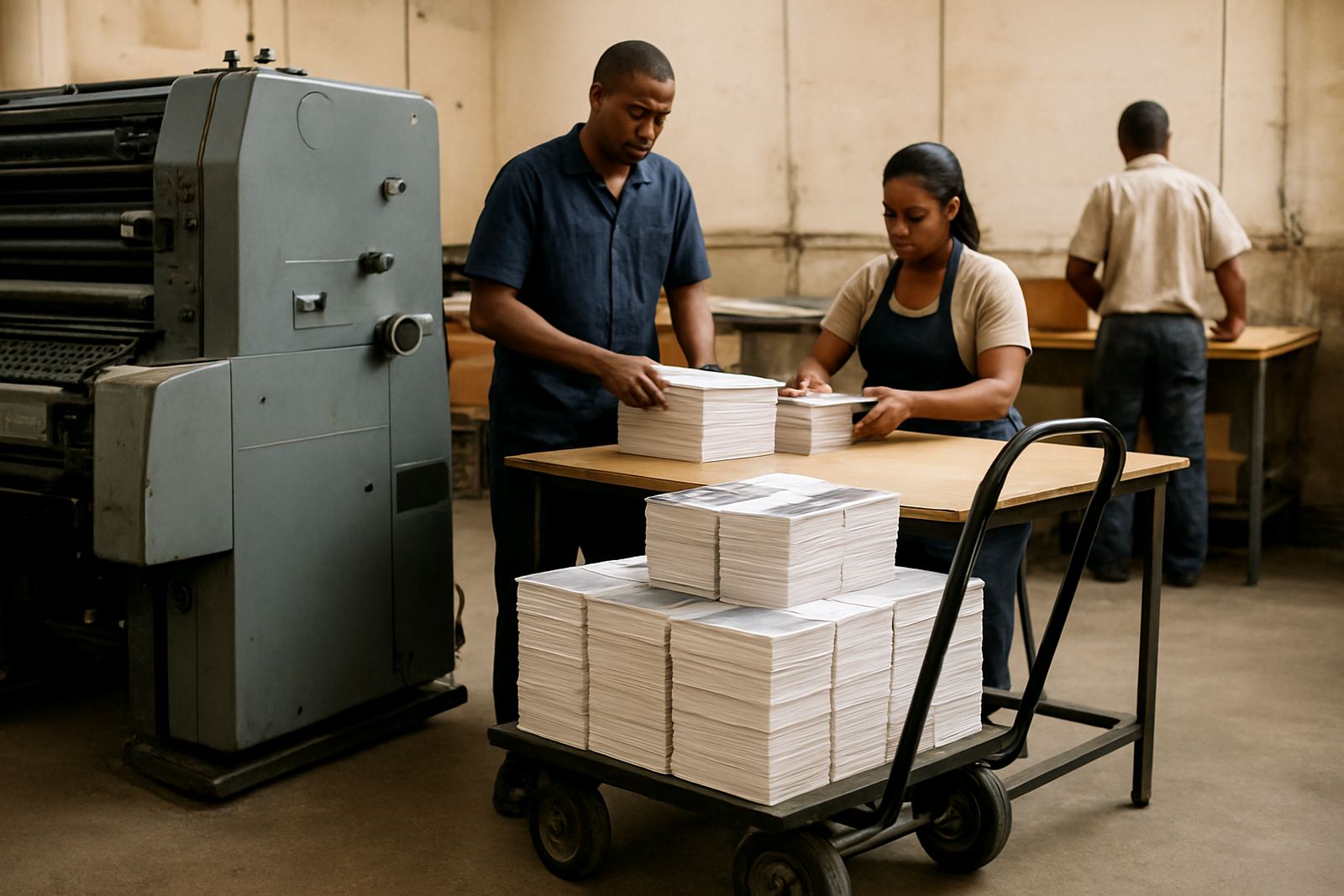
The client was a print producer in Centurion handling mailers for local business, service and promotional use. The work was short-run, which meant frequent version changes, careful fold registration and enough consistency to keep each batch acceptable from the first good sheet through to the last.
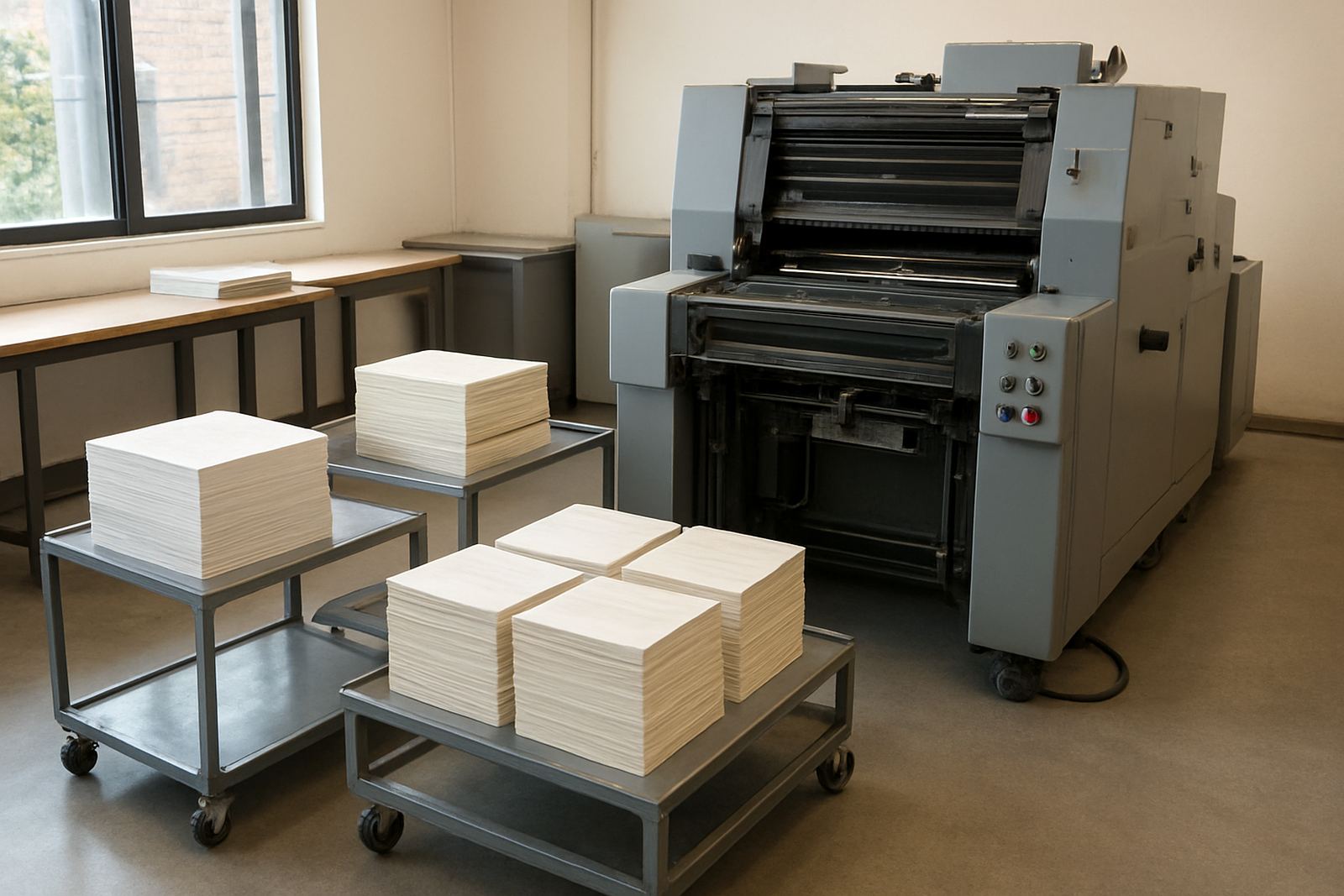
The brief was clear. Keep the line moving, reduce wasted sheets during make-ready and make sure the plates, chemistry and blankets worked together across repeated changeovers. The job also had to cope with ordinary South African production pressures, including shift handovers and the usual rush that comes when dispatch dates move forward by a day or two.
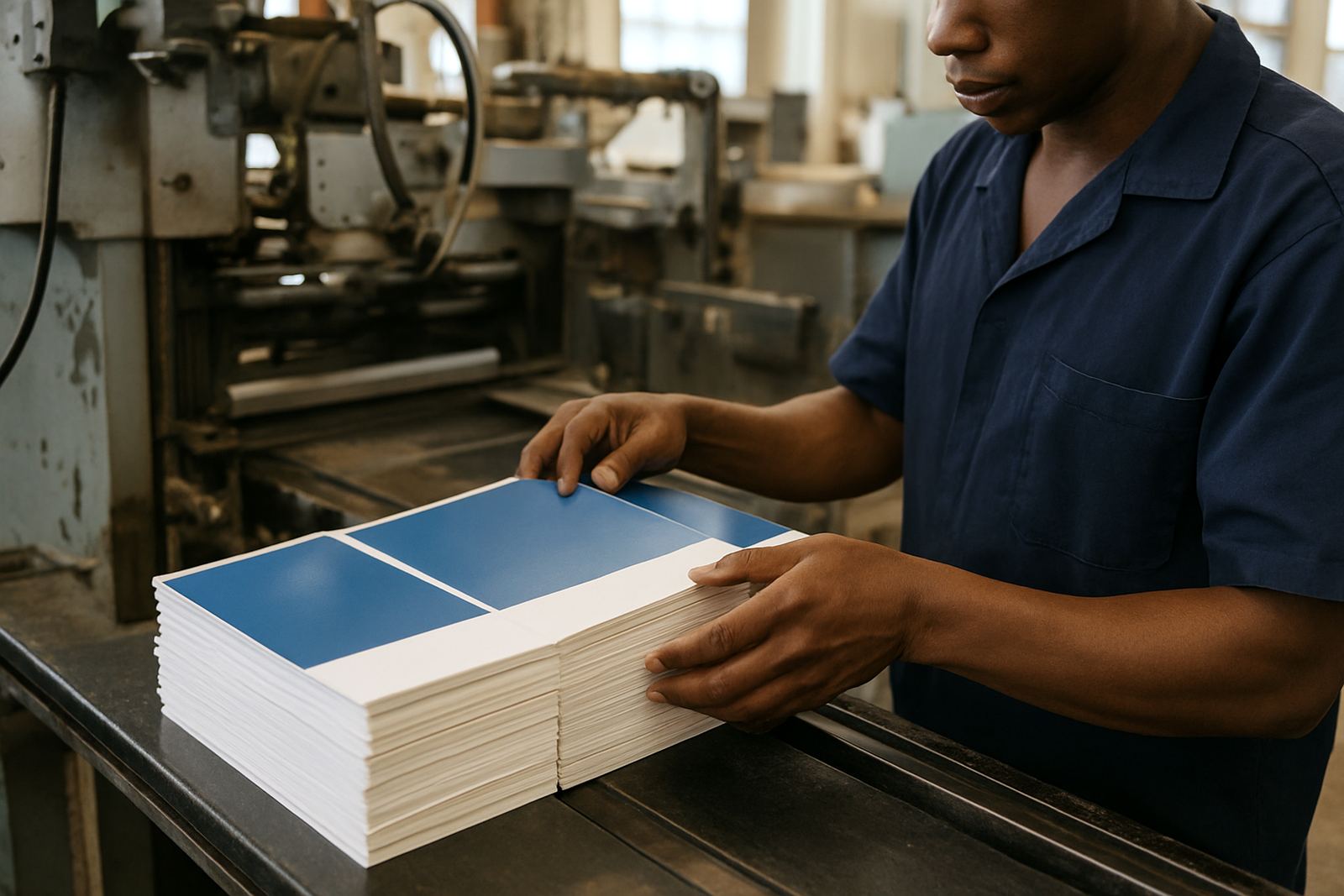
The mailers were produced in a format suited to quick handling on press, with close attention to trim, image position and ink balance. Because the job depended on fast turnaround, we focused on dependable plate supply and practical support rather than complicated steps that slow a crew down.
What the brief had to account for
Short-run mailers often look simple from the outside, but they can be demanding in production. There were multiple versions, variable data sections and a requirement for clean folds without cracking on the printed areas. The client also needed the print to hold steady across a batch that was too small for long correction cycles.
- Run length: short-run mailing batches with repeated version changes
- Press type: offset line with quick make-ready requirements
- Finish: fold, trim and pack for distribution
- Key risk: waste during plate changeover and start-up sheets
- Local pressure: time lost to changeovers and after-hours dispatch planning
There was also the matter of stock behaviour. Mailers on lighter paper can show issues fast if the pressroom is fighting chemistry drift or blanket wear. The client wanted a practical supply partner who could help spot those issues before they turned into reprints.
Plate handling, chemistry balance and pressroom support
We supplied the plates and supported the make-ready process with plate handling guidance, chemistry balancing and press startup help. That gave the press crew a cleaner first run and fewer adjustments once the machine was at speed. We also checked the blanket condition and advised on wash programme timing so the press could be cleaned properly without unnecessary downtime.
Our role included matching the plate choice to the job size, the number of versions and the press conditions in use. For a mailer run like this, that usually means keeping plate response predictable, making sure the chemistry is not carrying over too much contamination and confirming that the blankets are still giving a sharp, even transfer. Small faults in any one of those areas can show up as dull text, unstable solids or poor trap.
- CTP plates supplied for short-run offset work
- Chemistry balancing to support stable processing
- Blanket assessment before and during the run
- Press startup help for quicker first-good-sheet output
- Wash programme guidance to suit the production pace
The pressroom team also received practical handling advice for plate movement and storage. That matters in Gauteng, where dust and busy loading areas can cause avoidable marks if plates are left exposed for too long. A few minutes of care at the loading stage often saves a lot of sheet waste later.
Timeline from planning to delivery
The project ran over three weeks from initial job assessment to final delivery of the completed mailers. Week one was spent on job review, plate specification and schedule planning. Week two covered plate supply, setup support and early run checks. Week three focused on finishing, dispatch and a final review of the press behaviour for the next batch.
Because the work was short-run, speed mattered, but not at the expense of consistency. The goal was to avoid repeat stoppages that can happen when a crew tries to push a job through with tired consumables or unchecked chemistry. We kept communication direct, with one point of contact for the client and the press team so decisions could be made quickly.
That approach suited a Centurion operation servicing a busy regional customer base. If a batch had to be completed before a particular collection window, it was far easier to work from confirmed supply and clear timing than to be waiting on last-minute corrections.
Results on press and at dispatch
The result was cleaner start-up, less waste during changeover and steadier output on the short runs. The client reported fewer interruption points around plate handling and was able to keep to its dispatch plan with less pressure on the crew. That mattered because mailers tend to move in clusters, and a delay on one batch can affect the whole day’s packing schedule.
The job also showed the value of simple, disciplined support. Once the plate side and chemistry side were brought under control, the press held colour better and the fold sections stayed more consistent. We would rather help a team prevent problems than come in after sheets have already been spoiled.
- Less waste at make-ready
- Faster first-good-sheet output
- Better stability across repeated versions
- Cleaner handover to finishing and dispatch
For the client, the practical gain was not a flashy change, just a smoother workday. For a mailer run, that consistency is the main win.
Worth keeping for the next mailing
If we ran this Centurion mailer job again, we would still confirm plate needs early, check blanket condition before the run and settle the chemistry before the first sheets are pulled. We would also allow for planned maintenance stops in advance, especially where a job has to move from press to finishing within the same shift.
For Centurion mailers or similar work anywhere in Gauteng, the best result comes from planning around the actual press conditions, not just the artwork. Short-run jobs reward preparation. The better the plate handling and supply planning, the less time is lost chasing defects that could have been stopped at the start.
That is the kind of support we provide across Johannesburg, Midrand, Pretoria and the wider country. The aim is simple: keep print production moving, keep waste down and give the crew the materials and advice they need to finish the job properly.
Local support for Centurion and beyond
From our Industria West base in Johannesburg, we support print businesses across Centurion, the northern suburbs and the rest of South Africa. That includes plate selection, chemistry balancing, processor servicing, blanket assessment, press startup help and supply planning for repeat work. For a mailer producer, having that support close at hand can make the difference between a stressed shift and a controlled one.
Projects like this are why many teams keep us in the loop before a job goes live. When the production plan is clear and the consumables are matched to the press, the whole operation gets easier to run.
Production note from this mailer run
The project showed that short-run mailers do not need drama, they need order. Good plate handling, sensible chemistry control and support during setup gave the client a cleaner run and a better handover to finishing.
That is the kind of work we are set up for in City West and nationwide.
Key facts
| Project type | Short-run mailers |
|---|---|
| Town | Centurion |
| Industry | Mailing and commercial print |
| Timeline | 3 weeks |
| Core supply | CTP plates, chemistry and blankets |
| Support | Plate handling training, press startup help, colour stability checks |