Randburg booklet work that had to hold clean type all the way through
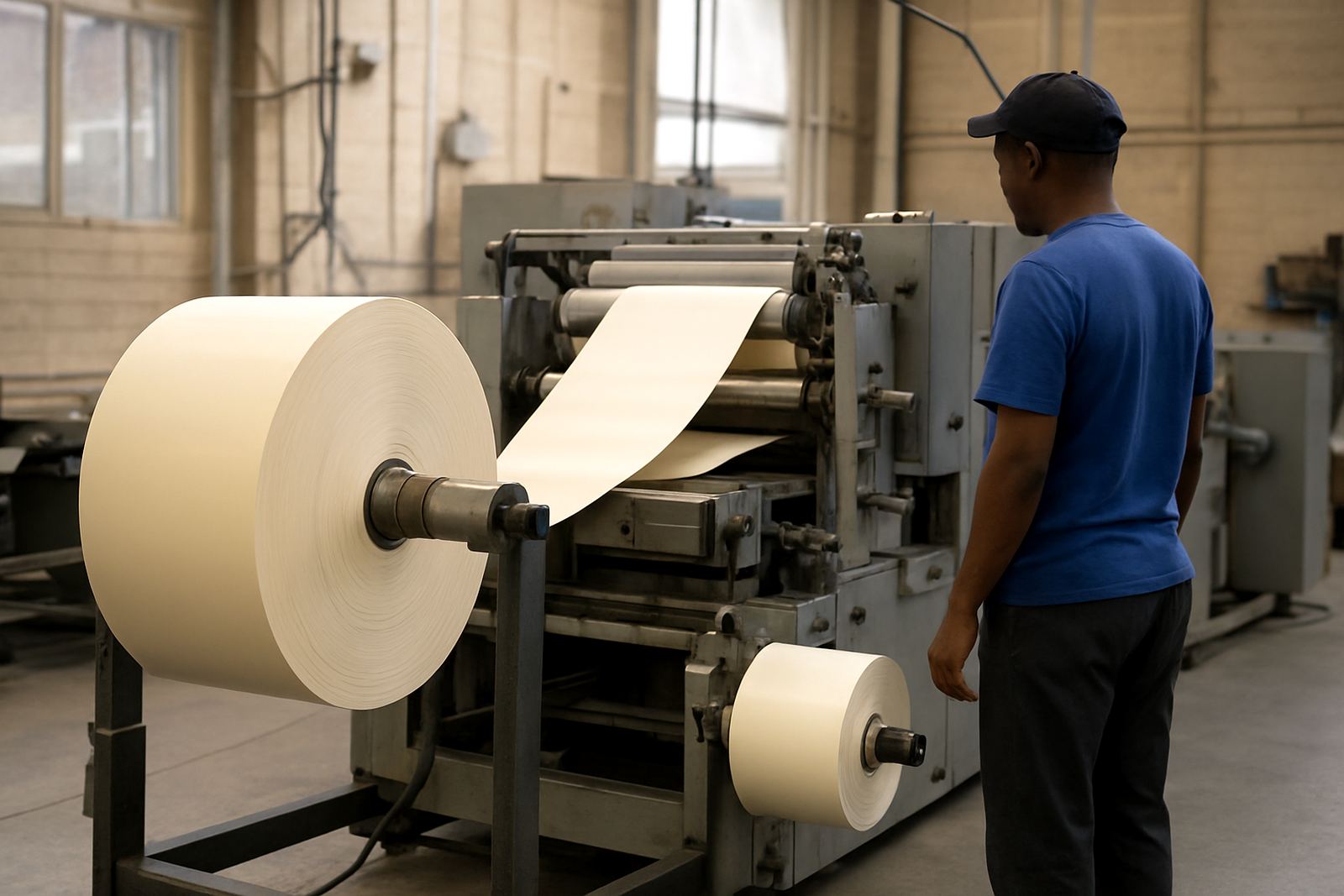
This project came from a booklet printer in Randburg working on customer brochures, training manuals and product inserts for local business clients. The work was volume-driven but varied, with small changes in pagination, paper stock and ink coverage from one run to the next. The pressroom needed plate supply that would not drift, plus practical support when jobs had to move quickly from prepress to press and then on to finishing.
On paper the brief looked easy; on press it was not. Maintain clean text reproduction, keep dot gain under control, reduce make-ready waste and help the crew manage repeat orders without colour shifts. The client also needed advice that fit a Johannesburg operation dealing with summer humidity, winter dryness and the odd stoppage that can throw timing off. Their existing set-up was sound, but they needed better control at the plate stage and tighter chemistry checks at press start-up.
Brief, constraints and what the pressroom was dealing with
The main constraint was turnaround. Booklets were being scheduled for school terms, training rollouts and month-end marketing packs, so there was little room for slow start-ups or rework. The team also had to protect fine body text and small reverse type, especially on runs using coated stock and lighter GSM papers that show plate weakness quickly. A second constraint was consistency across several print cycles, because repeat jobs had to match previous deliveries closely.
We reviewed the layout flow, plate handling and wash-up routine, then matched the consumables to the pressroom conditions. The aim was not just to supply material, but to keep the process predictable enough that the operators could work with less second guessing. In practical terms that meant plate selection by job type, chemistry balancing for the processor and checks on blanket condition before longer runs started. Small details mattered, because a slight change in plate exposure or blanket wear can show up as fuzzy text or uneven solids by the second or third signature.
- Project type: booklet production for business and institutional print runs
- Town: Randburg, with supply and support from Johannesburg City West
- Output focus: sharp text, stable colour and low waste on repeated booklet jobs
- Press challenge: mixed stock weights, quick changeovers and variable production timing
Supplies and support for the booklet run
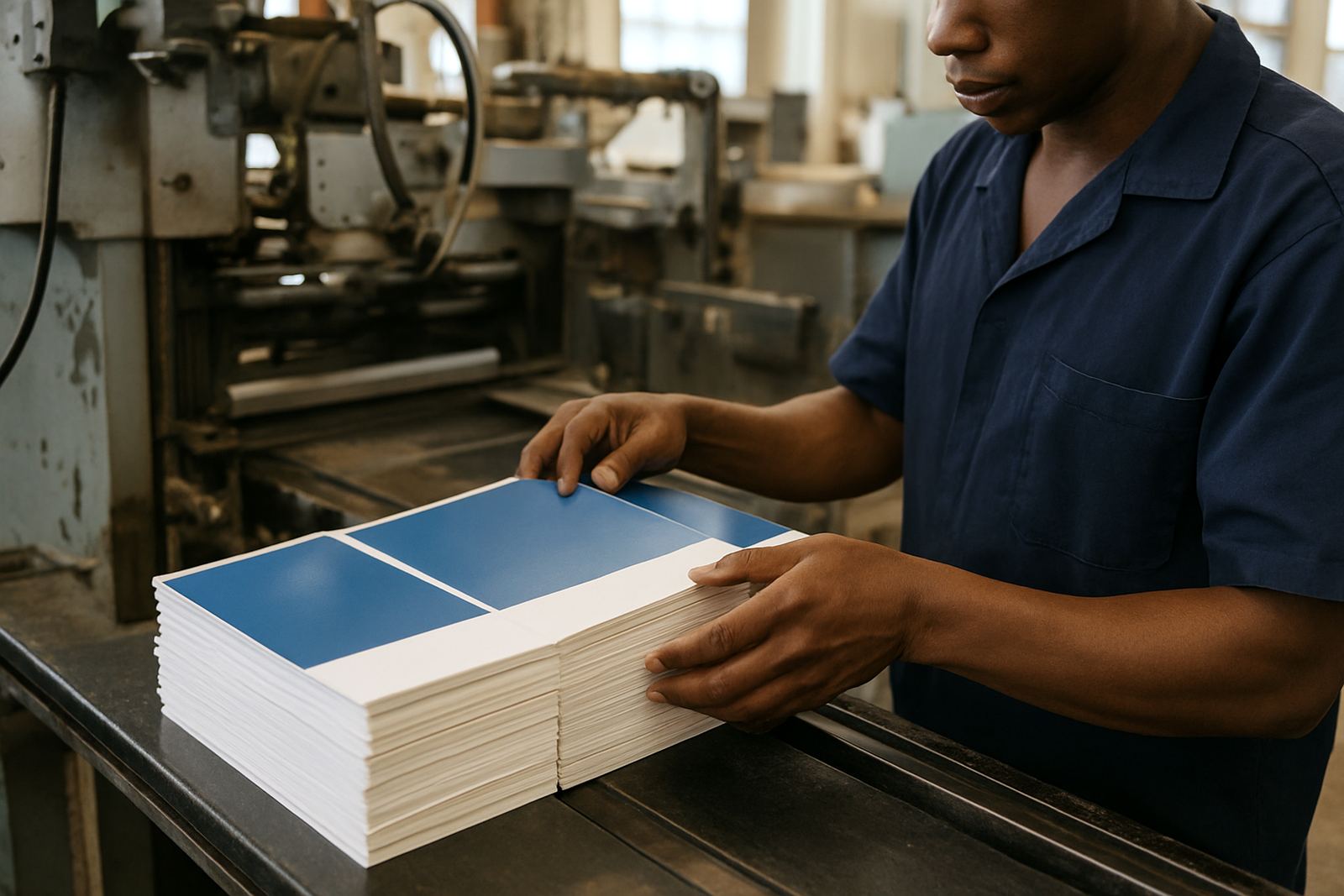
We supplied CTP plates suited to the client’s booklet work, along with chemistry for the processor, blanket assessment support and press start-up help. The supply plan covered regular booklet runs and repeat jobs, so the team was not waiting on urgent top-ups when production loaded up. We also arranged plate handling training for operators who were moving between different job types in the same shift. That helped reduce handling marks and improved consistency before the plates reached the press.
On site and by phone, Willem and Preshanthi worked through colour stability checks, wash programmes and production troubleshooting. Thandiwe coordinated the stock flow from Industria West, while Jason kept the deliveries timed around the client’s shift plan. Where the booklet runs included fine text and small solids, we paid close attention to blanket condition and processor behaviour. A blanket that is beginning to glaze or pick up wear can change the whole page, so we made that part of the routine review. The result was cleaner reproduction and fewer call-backs for adjustment.
- CTP plates matched to booklet pages, covers and insert sections
- Processor chemistry balancing to keep plate development even
- Blanket assessment and press startup checks before each production block
- Plate handling training to cut scuffing and edge damage
- Wash programmes and troubleshooting support during changeovers
Timeline from first check to steady production
The work ran over three weeks. Week one covered the initial assessment, sample review and stock planning. Week two focused on supply, training and the first live booklet runs. Week three dealt with press feedback, chemistry fine tuning and repeat-job scheduling. That pace suited the client because it allowed the team to keep producing while we adjusted the support around actual pressroom behaviour rather than assumptions.
During the first runs, we checked plate performance against text sharpness, solid areas and colour stability across the sheet. Where the pressroom had previously seen small variations between the start and middle of a run, those were reduced after the chemistry balance was corrected and the blanket condition was confirmed. The operators also had a clearer routine for plate handling and wash-up. Nothing flashy, just a tighter process that made the booklet line easier to manage.
Results that showed up on press and at finishing
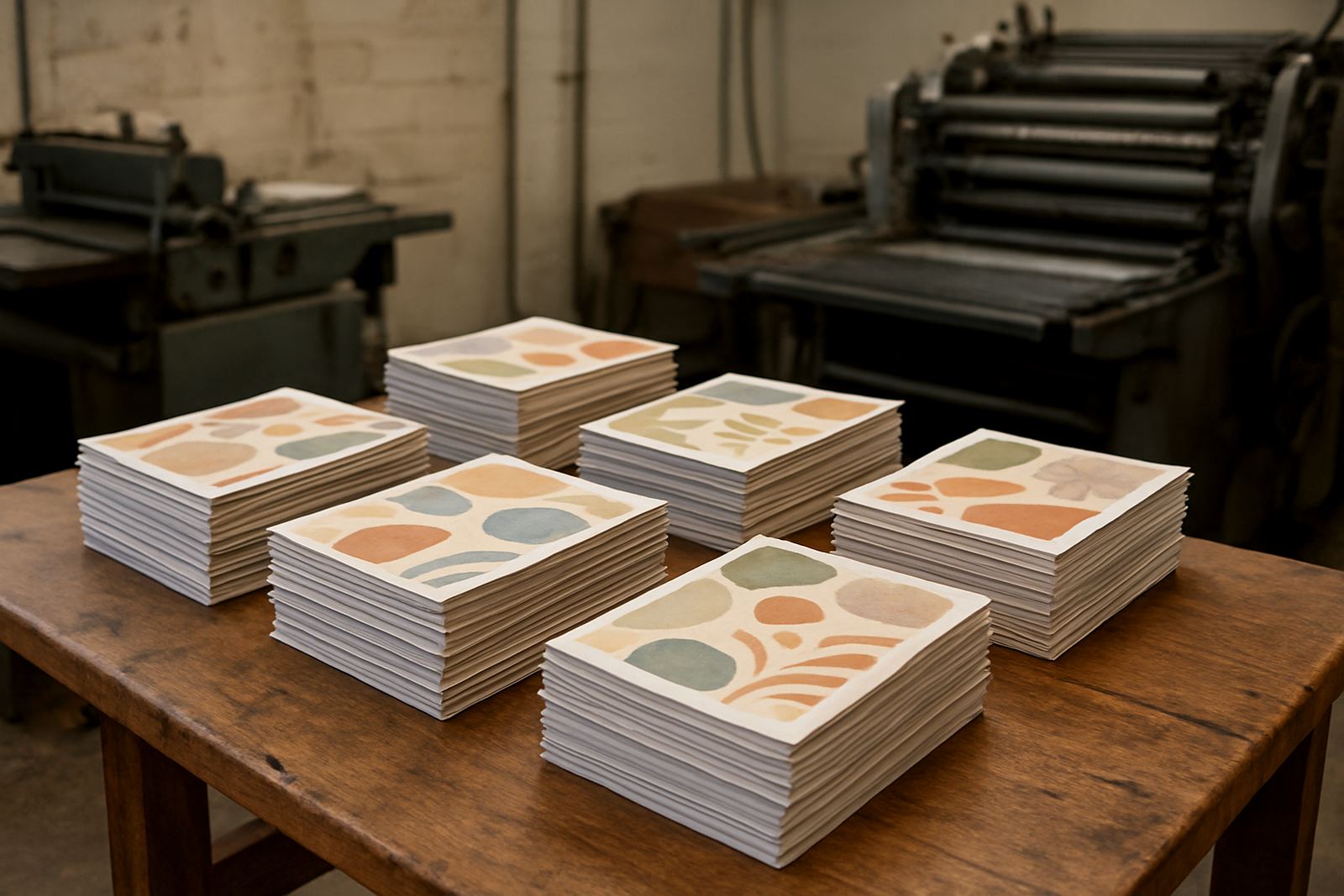
By the end of the project, the client had steadier plate behaviour and more predictable booklet output. Clean text reproduction held across the run, which mattered most on the inside pages where fine copy and small footers can expose weaknesses quickly. The pressroom reported less waste at make-ready, fewer reprints on repeat jobs and better confidence when moving from one booklet title to the next. For a busy Randburg team, that meant fewer interruptions before delivery to finishing and binding.
The business also benefitted from having a clearer supply plan. Instead of reacting to shortages or late-stage chemistry changes, the crew could keep the production line moving with fewer surprises. In a city West environment where several jobs may be on the floor at once, that predictability matters. It also helps when heat or humidity threaten timing, because you have a process that can recover faster when conditions shift.
- Cleaner text across repeated booklet signatures
- Lower setup waste and fewer rejected sheets
- More stable output on coated and uncoated stocks
- Better job planning for repeat booklet work
Kept for the next booklet run
If we were brought back onto the same type of Randburg booklet work, we would follow the same sequence. Start with plate selection tied to the job mix, check processor chemistry before the run begins, inspect the blankets early and keep the operators on a simple handling routine. That combination gave the best return on time and material, and it suits both short runs and longer repeat jobs.
We would also keep the communication line open between prepress, press and finishing. Booklet production moves fast, and small changes in paper, ink or scheduling can show up in the final stitched product. Keeping Mandla’s team involved from the first call through to dispatch gave the client confidence that the job was being watched properly. For print firms in Randburg, Roodepoort, Midrand or Pretoria, that kind of support helps keep the work on time without adding pressure to the floor.
Key facts
| Client type | Booklet printer serving business and institutional customers |
|---|---|
| Town | Randburg |
| Project duration | 3 weeks |
| Supplied products | CTP plates, chemistry, blankets |
| Support services | Plate Selection, Chemistry Balancing, Processor Servicing, Blanket Assessment, Press Startup Help |
| Base and coverage | Industria West, Johannesburg with supply nationwide |