Start With The Symptom, Not The Guess
The best way to solve a technical query is to describe what you are seeing at the press. Share the job type, plate type, press speed, ink set, paper grade and whether the fault appears at startup, during make-ready, or after a few thousand impressions. That gives our team a proper starting point instead of sending you round in circles.
If you are calling from Industria West, Randburg, Roodepoort, Midrand, Germiston or Pretoria, have the machine details nearby. For teams outside Gauteng, the same rule applies. A clear note on the issue saves time, reduces waste and helps us point you to the right plate, chemistry or blanket check first.
- Record the job name and substrate
- Note the plate brand, size and processor settings
- Check whether the problem is constant or only on one unit
- Keep a sample sheet or image if possible
Plate Questions We Handle Every Day
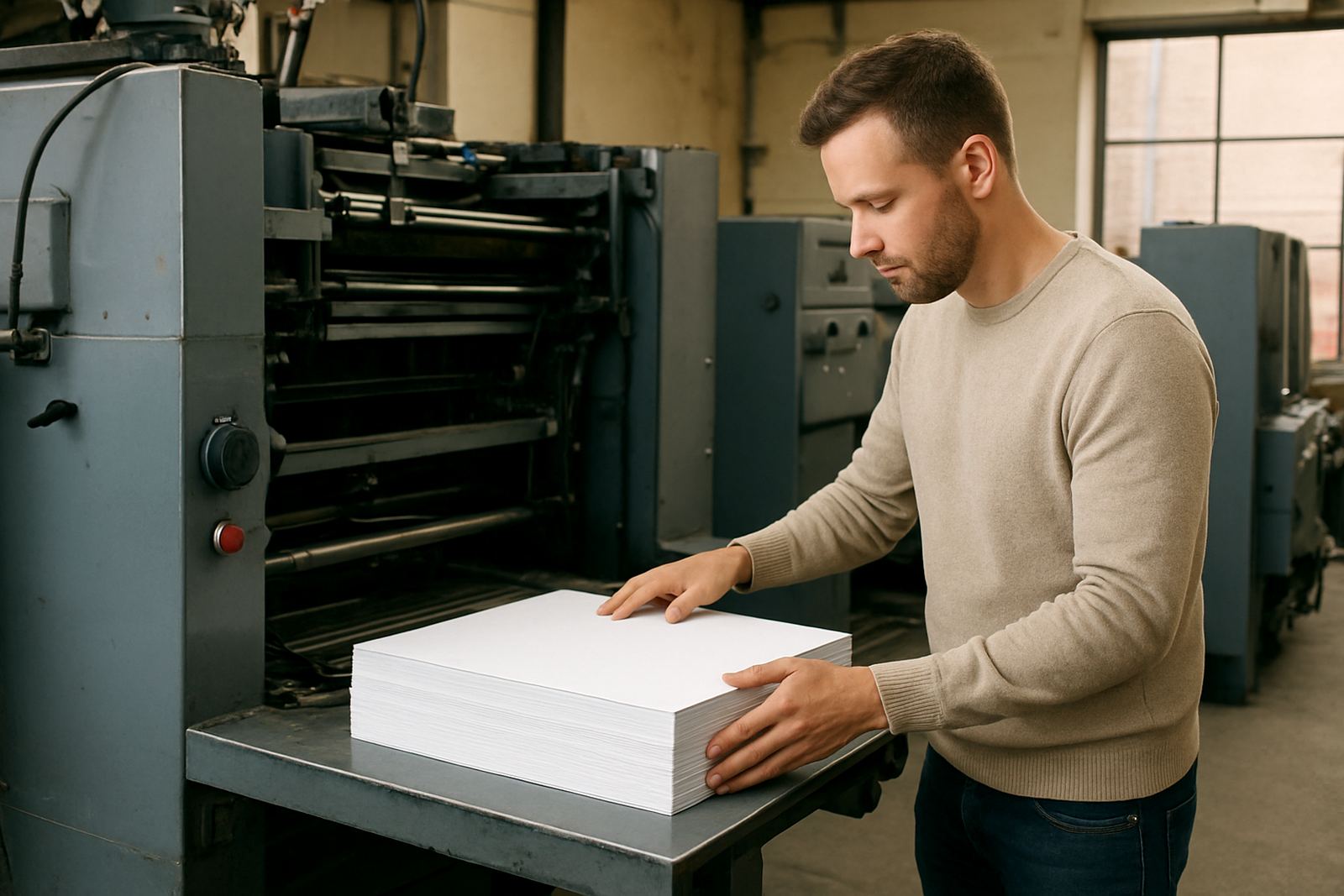
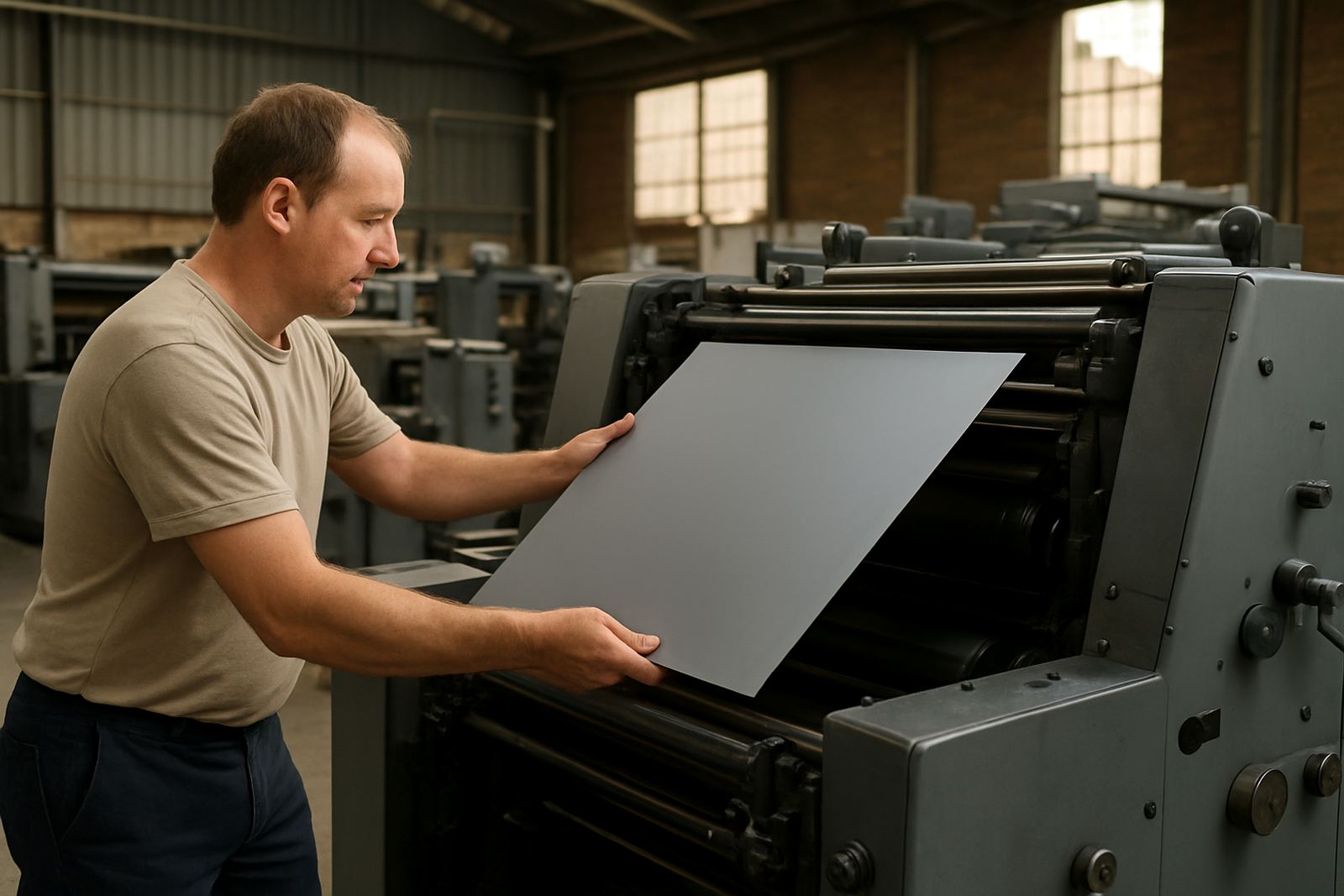
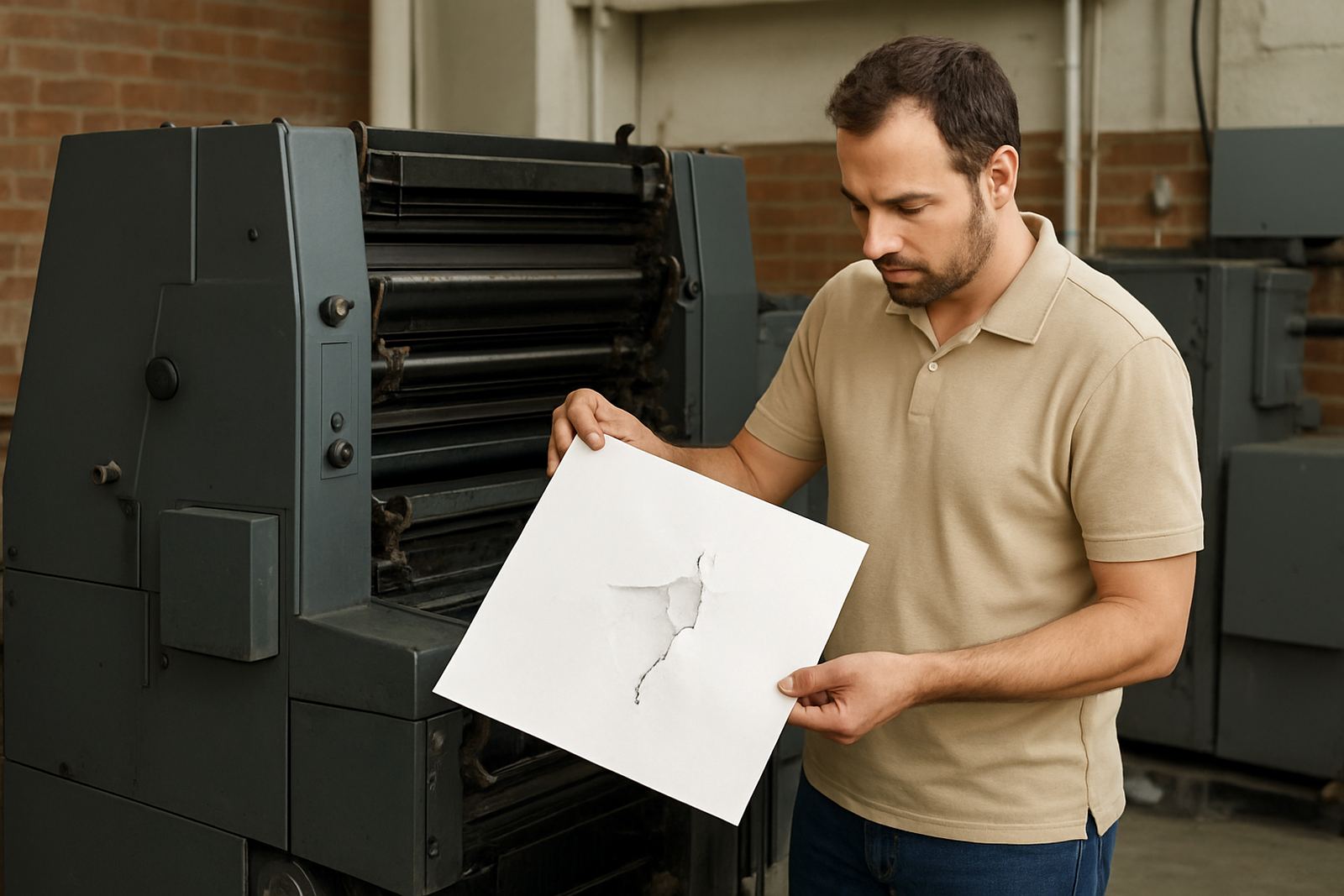
Plate faults show up in different ways: weak image transfer, scumming, dot gain, coating wear, pinholes or repeat damage. In many cases the issue is linked to handling, storage, processor balance or the press room environment. Summer humidity, Johannesburg winter dryness and storage conditions can all affect plate condition before the first sheet is run.
We can help you assess whether the plate is the right fit for the job length, ink system and press setup. If you are changing from a short-run job to a longer run, or shifting between coated and uncoated stock, it is worth checking plate durability and the expected life of the image. It is also wise to confirm how plates are being unloaded, stacked and marked in the bindery area, because small scratches can become expensive very quickly.
- Confirm plate size, thickness and exposure requirements
- Check the storage area for dust, heat and moisture
- Review handling between imaging and press mounting
- Ask about transport if plates travel between sites
Chemistry Balance For Stable Presswork
Press chemistry is often the hidden reason behind colour drift, slow startup, plate contamination or dirty non-image areas. We assist with balancing fountain solution, wash programmes and plate processor chemistry so that the press runs more predictably. If the pH, conductivity or dilution rate has shifted, the symptoms can appear long before the press operator spots the cause.
Our support covers practical checks for active printrooms that cannot afford stop-start production. We can talk through rinse patterns, bath life, cleaner choice and how local water quality may affect results. In some areas the issue is long idle periods too, because interrupted circulation and idle processors can change the condition of the mix. A small adjustment now may prevent a bigger clean-up later.
- Test pH and conductivity at the same time each shift
- Check top-up rates after washdowns and overnight stops
- Review water quality and filtration
- Replace contaminated mix before it affects the next run
Blanket Checks For Better Impression Quality
When blankets are compressing unevenly, swelling, glazing or marking sheets, the print result usually shows it. We assist with blanket assessment for offset work and can help you decide whether the issue is wear, incorrect packing, poor wash practice or a mechanical setup problem. A blanket that looks fine on the surface can still be out of tolerance under pressure.
For printers running long shifts in Johannesburg City West or on site in Pretoria and Germiston, blanket checks are best done before the job goes live. That includes checking tension, packing, surface cleanliness and whether the blanket suits the ink and paper being used. If you are seeing repeated ghosting or piling, the problem may be coming from more than one place, so it helps to check the whole unit and not only the last thing changed.
We will always aim for a practical answer that keeps the press moving and the waste pile down.
Press Startup Help And Troubleshooting
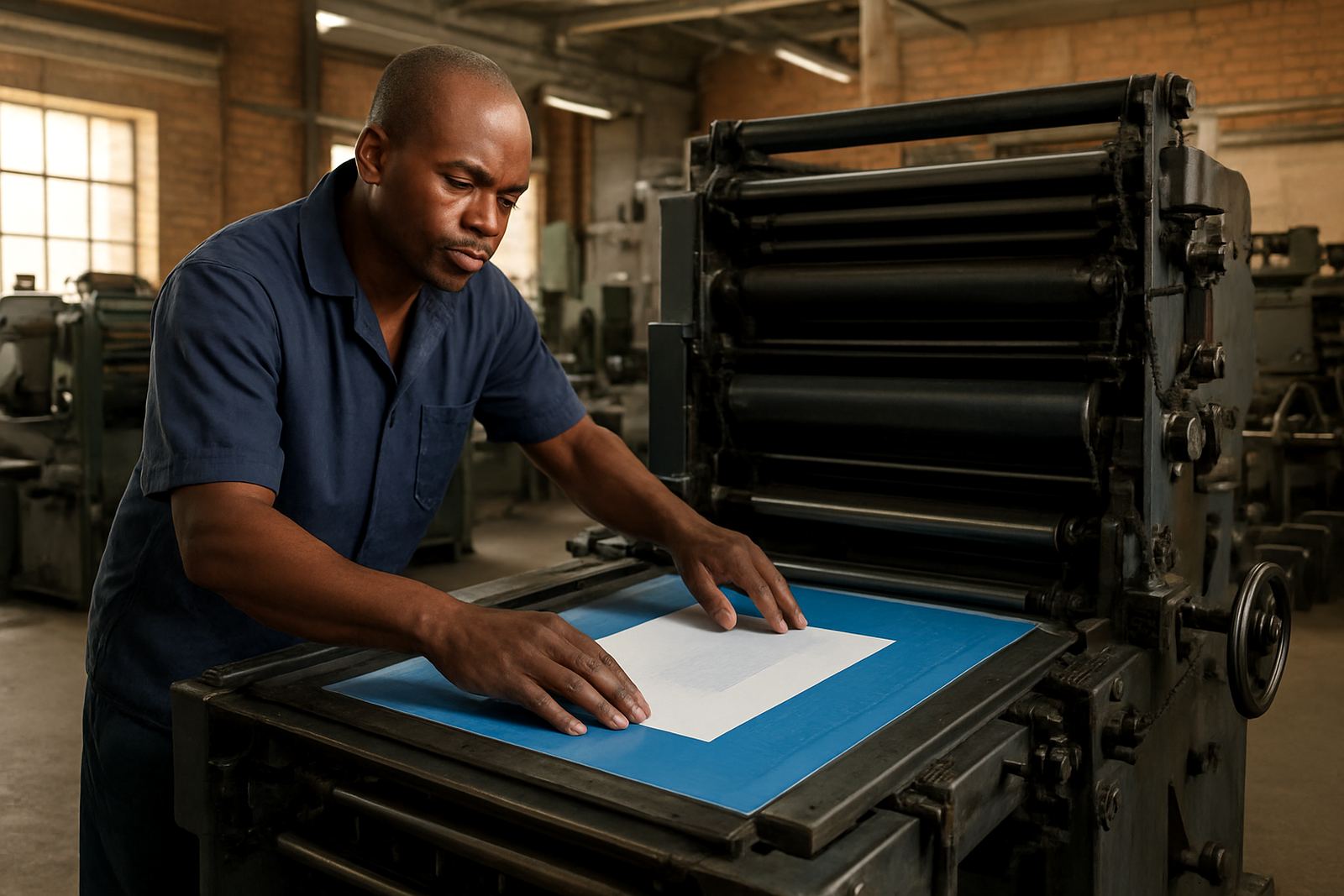
If a new job is not coming up cleanly, or a press restart after an idle spell is taking longer than expected, we can walk through the basics with you in order. That starts with plates, dampening, rollers, blankets and then the operating settings. On a busy floor, people often change three things at once and the real fault gets hidden.
Our press startup help is especially useful when a team is changing formats, moving between paper grades or restarting after maintenance. We can talk your operator through a simple sequence so the machine is not adjusted blindly. Keep the issue narrow, test one variable at a time and write down what changed. That saves sheets and reduces avoidable callouts.
- Start with image alignment and plate seating
- Check roller contact and dampening flow
- Run a small test and inspect the first sheets
- Log any changes made during the restart
How To Send A Useful Support Request
Send your query through our contact form with the job details, contact name and a short description of the fault. If the matter is urgent, say whether the press is down, running poorly, or only needs a second opinion. The more exact the note, the better we can match it to the right technical lead.
Helpful information includes photos, plate measurements, chemistry readings, blanket condition and the town or site where the problem is happening. If your team is in Roodepoort one day and Midrand the next, mention which site needs attention so parts and advice reach the correct floor. Good support is not guesswork, it is proper information handled carefully.
Our Johannesburg base in Industria West supports printrooms across South Africa, from single-press operations to larger production sites. Whether the query is plate handling, chemistry balancing or production troubleshooting, the goal is the same: get the run stable and keep it there.