Magazine work in Pretoria needs pace and control
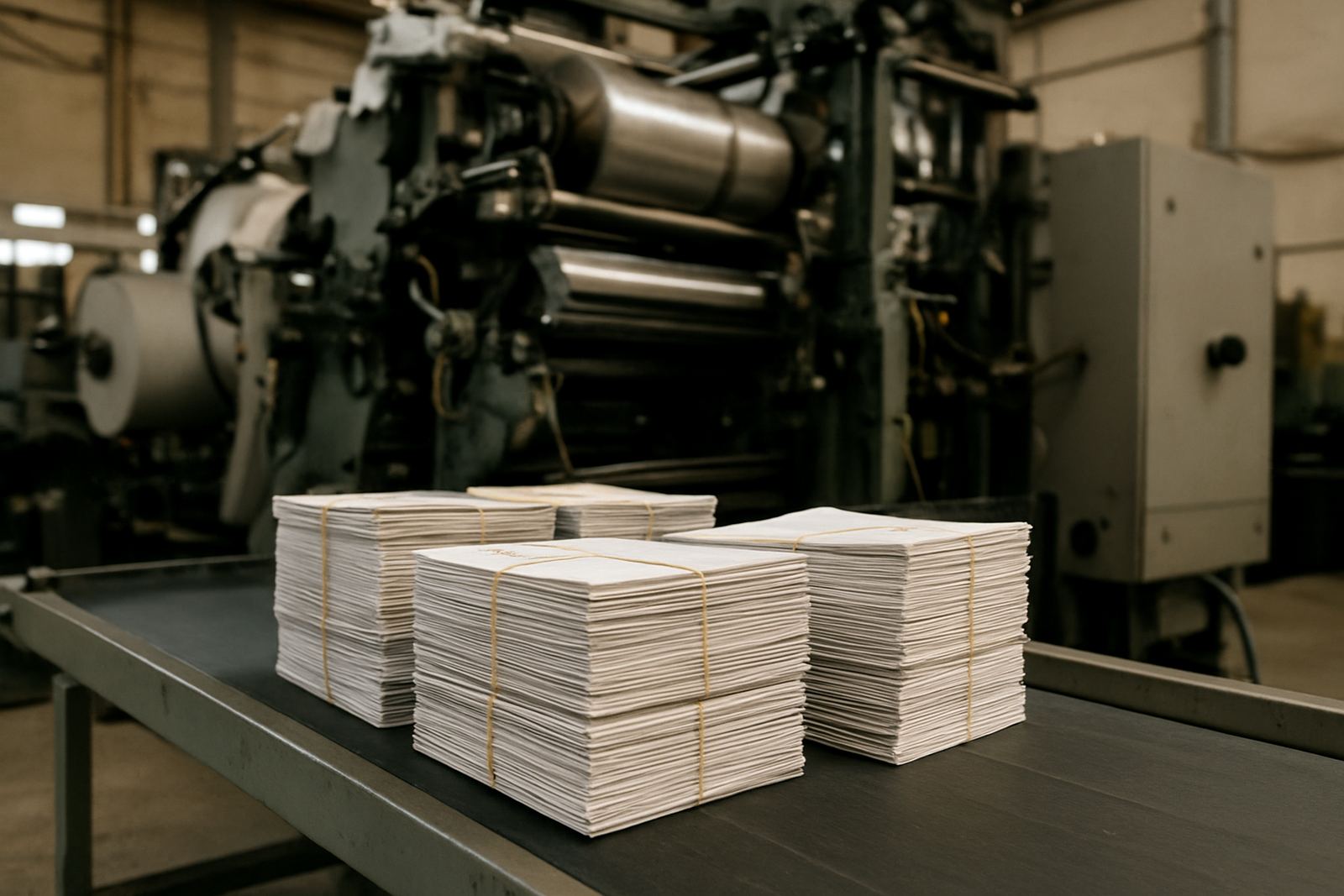
The client was a mid-sized magazine production house in Pretoria serving monthly and quarterly titles with a strong mix of photography, adverts and editorial pages. Their production room had to handle fast turnarounds, frequent file changes and tight handover times from prepress to press. The main concern was not only getting plates on time, but making sure the pressroom could hold colour from start-up through to the end of each run.
The brief asked for a supply partner who could do more than drop stock at the gate. They needed CTP plates, chemistry guidance, plate handling advice and support for press startup on jobs that often ran late into the evening. The site was dealing with variable water quality and a busy floor where more than one team touched the same job, so process control mattered. We looked at the full workflow from imposition to blanket condition and built the support around that.
What the plant was working with
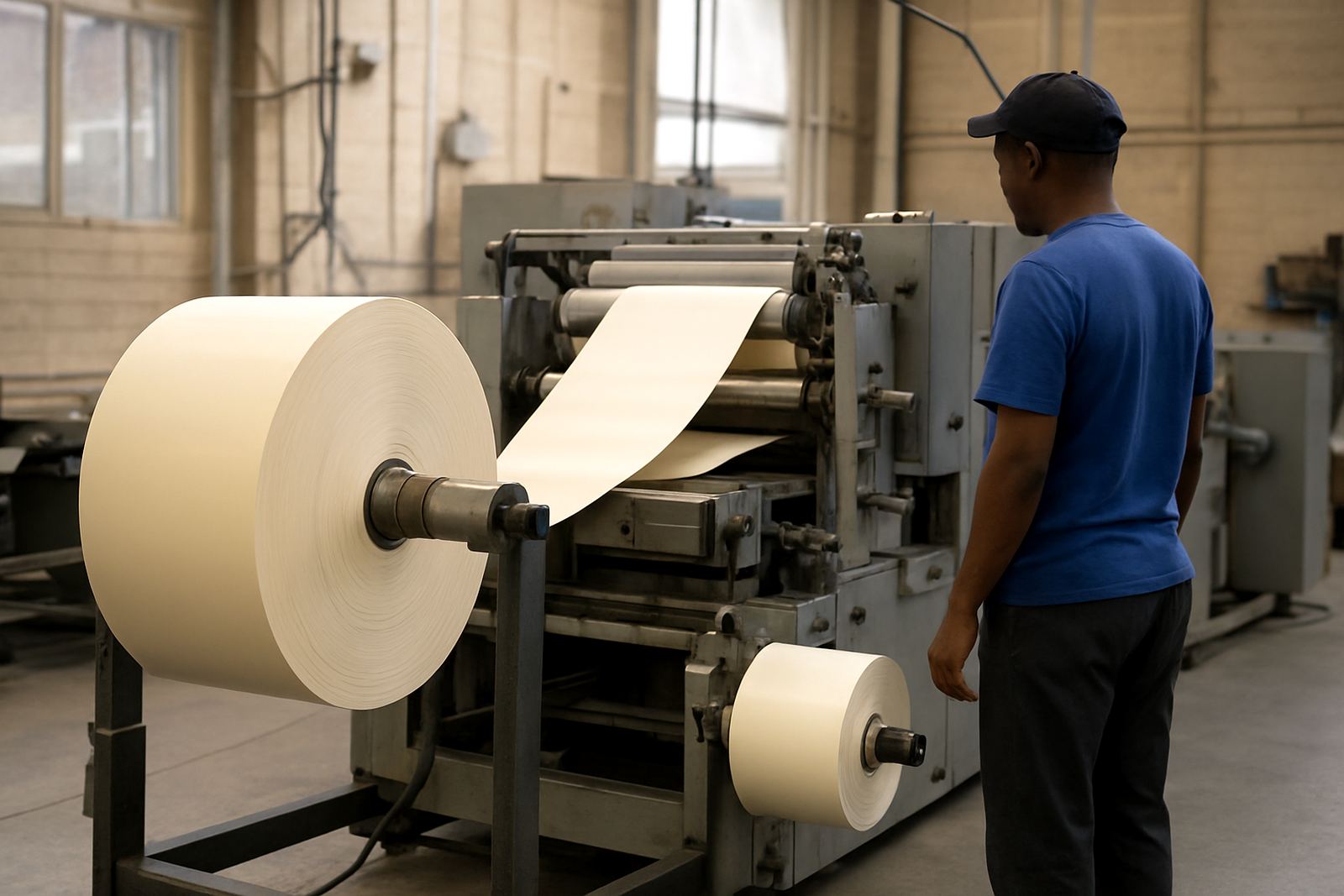
The production line used thermal plates for offset magazine work, standard plate processors and a mix of heatset and sheetfed finishing depending on title and page count. Average magazine forms were in the 8 to 16 page range with heavy image coverage, 70 to 90 gsm coated stock and solid colour panels that showed any drift quickly. The team also needed flexibility for 4-colour process pages and spot colour pages on the same schedule.
- CTP plates sized for common magazine impositions and short-run replates
- Plate chemistry balanced for cleaner development and reduced scumming
- Blankets checked for wear, glazing and image transfer issues
- Wash programmes matched to ink build-up and paper dust
- Press startup help for first sheets and make-ready control
The constraints were typical of a busy Johannesburg-to-Pretoria supply chain: traffic delays, urgent reruns, and the need to avoid spoilage when a page correction came in after proof approval. The client could not afford random plate variation or chemistry drift, because even a small shift showed up on faces, skin tones and dark backgrounds.
How we set up the supply and support plan
We started with plate selection and chemistry balancing. The aim was to match plate sensitivity, processor speed and developer strength to the actual pressroom pace, not just the brochure figure. That meant checking how many plates were being processed in a shift, how often the developer was replenished and whether the same processor had to handle late-night top-ups. We set a replenishment pattern that gave more stable development and less day-to-day variation.
On the press side, Willem from technical support looked at blanket condition, blanket packing and wash-up habits. Where the blankets were carrying a slight image haze or losing release, we flagged the wear and advised replacement timing before the next magazine cycle. We also went through plate handling training with the prepress crew so plates were not bent, marked or contaminated before they reached the pressroom.
- Weekly stock planning based on issue schedules and reprint risk
- Plate handling steps to avoid scratches, fingerprints and edge damage
- Processor servicing checks to keep temperature and pump flow within spec
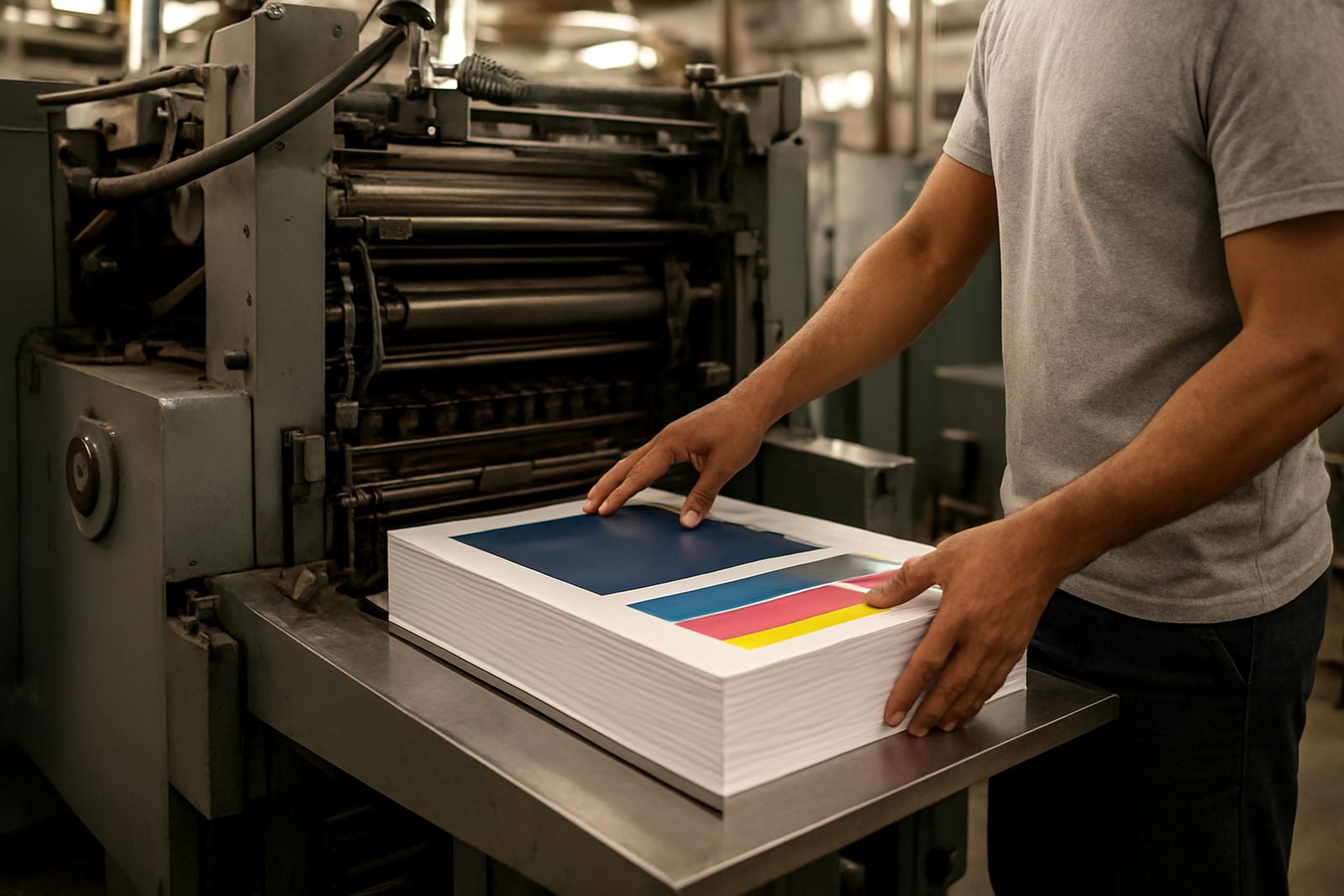
- Colour stability checks on the first sheets and again at mid-run
A six-week rollout that matched the print calendar
The project ran over six weeks. Week one covered site assessment and job flow mapping. Week two was supply alignment, with plate sizes, chemistry volumes and blanket condition recorded against the magazine calendar. Weeks three and four were hands-on support at press startup, where we checked first sheets and adjusted wash programmes. By week five the team had settled into the new routine, and week six was used for review, fine-tuning and a reorder forecast.
Because the client was printing image-heavy magazines, the first sheets told us a lot. We watched for even dot reproduction, stable solids and clean highlight detail. One small adjustment to chemistry balance reduced plate residue and improved cleanout on the processor. We also found that a tighter startup routine helped the crew reach colour a bit faster, which saved make-ready sheets on every issue.
The results were practical rather than flashy. Waste dropped on make-ready, colour held better from the first approved sheet to the end of the run, and the press team had fewer stoppages linked to plate or chemistry problems. The production manager also had better visibility on stock, so emergency calls for plates and wash chemicals became less common. That kind of control matters when a magazine has a fixed release date and a late press shift can throw off the whole week.
What changed on the pressroom floor
Once the supply plan was in place, the team could work with more confidence. Plates arrived in line with issue schedules, not after the press was already waiting. Chemistry was topped up before it drifted too far, and blanket checks became part of the normal cycle instead of a repair job after damage had already shown up.
- Cleaner first pull on start-up, with fewer reject sheets
- More stable colour on image pages and full-page backgrounds
- Less plate rework caused by handling damage or processor variation
- Better planning for after-hours runs and restarts
The pressroom also benefited from clearer communication between prepress, logistics and the operators. When one issue had a late page correction, the team already knew what plate format and chemistry stock were available, so the change did not become a crisis. There was still pressure on deadlines, of course, but the workflow was calmer and more predictable.
What we would repeat on the next magazine title
If we were brought in again on another Pretoria magazine line, we would follow the same approach: confirm the plate spec, review chemistry balance, inspect the blanket condition and map the issue calendar before the next print cycle starts. That gives the pressroom a base line to work from and avoids guessing when the run begins.
For magazine work, especially where photographs and dark tones carry most of the page, steady inputs matter more than quick fixes. The combination of CTP plates, chemistry guidance and practical startup support gives the press team a better chance of hitting colour quickly and holding it. In a busy print room, that saves time, paper and a lot of back-and-forth between departments.
Key facts
| Client type | Magazine production house in Pretoria |
|---|---|
| Project scope | CTP plate supply, chemistry guidance, blanket checks and press startup support |
| Timeline | 6 weeks |
| Press work | Image-heavy magazine pages with 4-colour process and spot colour jobs |
| Stock environment | 70 to 90 gsm coated stock, monthly and quarterly issues |
| Support area | Pretoria, with supply from Industria West, Johannesburg to site |